
Many aquarium owners enjoy having multiple species in a single tank, but choosing the right companions can be challenging. Some fish naturally coexist, while others may show aggression or stress in mixed environments. Careful planning ensures harmony.
Selecting compatible tankmates involves understanding each species’ temperament, size, and habitat needs. Fish that share similar water parameters, feeding habits, and social behavior are most likely to thrive together, reducing stress and promoting a balanced, peaceful aquarium environment for all inhabitants.
Knowing which species pair well can make maintaining your tank easier and more enjoyable. This guide highlights options that naturally coexist without constant supervision or intervention.
Neon Tetras and Corydoras
Neon tetras and corydoras are a popular combination for community tanks because they occupy different areas. Neon tetras swim near the top and middle, while corydoras stay at the bottom. Their gentle nature means they rarely bother each other, creating a peaceful environment. Both species thrive in similar water conditions, preferring slightly acidic to neutral pH and moderate temperatures. Neon tetras enjoy being in schools of six or more, which reduces stress and encourages natural behavior. Corydoras also benefit from small groups, allowing them to interact and forage together. Their feeding habits complement each other as neon tetras nibble at small floating food while corydoras sift through the substrate. With proper tank size, hiding spots, and regular maintenance, these two species coexist comfortably. This pairing works especially well in planted tanks, where the neon tetras can swim among the foliage and the corydoras can explore the substrate without conflict.
These species form a low-maintenance pairing, providing a balanced, peaceful aquarium environment without aggressive behavior or significant territorial disputes.
Both neon tetras and corydoras add visual interest and movement to a tank. The tetras’ bright colors contrast nicely with the muted tones of corydoras. Watching them interact can be calming, as each species exhibits natural behaviors without stressing the other. Regular feeding, clean water, and a well-decorated tank help maintain harmony, making this pairing an excellent choice for both beginner and experienced aquarium keepers.
Guppies and Snails
Guppies adapt well to community tanks, making them compatible with certain snail species. Their small size and peaceful nature reduce aggression.
Pairing guppies with snails like nerites or mystery snails provides natural cleaning benefits. Snails consume leftover food, helping prevent waste buildup, while guppies remain active swimmers. This combination supports a healthy tank balance, as guppies contribute movement and color, and snails assist in maintaining cleanliness. Both species thrive in similar water parameters, preferring slightly alkaline pH and stable temperatures. Snails require calcium for shell growth, so water quality is important, while guppies benefit from open swimming space and hiding spots. This pairing also minimizes conflicts, as guppies are too small to stress most snails, and snails do not interfere with the fish. Regular observation ensures neither species develops health issues, and proper tank setup encourages natural behavior. Together, guppies and snails create an engaging, manageable community tank that combines visual appeal with functional benefits, making them a practical choice for many aquarists.
Betta Fish and African Dwarf Frogs
Betta fish can coexist with African dwarf frogs if the tank is spacious and well-planted. Bettas tend to be territorial, so providing hiding spots reduces stress for both species. Frogs are slow-moving and mostly stay near the bottom.
African dwarf frogs live entirely in water and need gentle tankmates. Bettas generally ignore them if space and cover are adequate. Frogs eat sinking pellets or frozen foods, while bettas feed at the surface. Their different feeding zones prevent competition, allowing both species to thrive. Careful monitoring is important to ensure the betta does not nip at the frog, especially during feeding. Providing plants, caves, and decorations gives the frog hiding spaces and helps the betta feel secure without aggression. Clean water and stable temperature are essential, as both species are sensitive to fluctuations. This pairing works best in a calm tank environment with minimal disturbances.
Bettas and African dwarf frogs create a visually interesting tank, combining the betta’s vibrant colors with the frog’s subtle movements. Watching them interact can be rewarding, as each displays natural behaviors while coexisting peacefully. Proper tank setup and maintenance help maintain this balance, making the pairing manageable.
Platies and Cherry Shrimp
Platies are peaceful fish that adapt well to community tanks. Cherry shrimp stay small and mainly occupy the bottom and middle areas, avoiding conflicts.
Cherry shrimp help maintain tank cleanliness by consuming algae and leftover food, which complements platies’ active swimming and feeding habits. Platies thrive in well-planted tanks where shrimp can hide, ensuring both species feel safe. Water conditions must support both, with stable temperatures, moderate hardness, and a neutral to slightly alkaline pH. Overcrowding should be avoided, as platies may eat very small shrimp if stressed or hungry. Observing interactions ensures shrimp populations remain healthy while platies continue their natural schooling behavior. Decorations, plants, and hiding spots enhance the environment for shrimp and provide space for platies to swim freely. A balanced feeding routine supports both species, preventing malnutrition or stress. This combination offers color, activity, and a cleaner tank, making it appealing for hobbyists who want a lively yet low-conflict community.
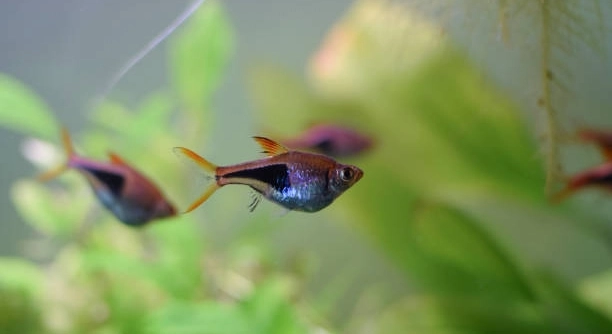
Gouramis and Harlequin Rasboras
Gouramis are calm, slow-moving fish that coexist well with harlequin rasboras. Rasboras are small, peaceful, and swim in schools, which prevents stress. Both species prefer similar water conditions, including moderate temperature and slightly acidic to neutral pH levels.
Gouramis and rasboras occupy different levels of the tank. Gouramis swim in the middle, while rasboras prefer the upper and middle areas. This separation reduces territorial disputes. A planted tank with hiding spots encourages natural behavior, letting gouramis display their colors and rasboras school safely. Regular feeding and water maintenance help both species remain healthy and active, ensuring a harmonious environment.
Swordtails and Amano Shrimp
Swordtails are active and generally peaceful fish. Amano shrimp help maintain tank cleanliness by eating algae and detritus.
Danios and White Cloud Minnows
Danios and white cloud minnows are fast, schooling fish that thrive in similar water conditions. Their energetic movement and adaptability make them ideal companions for a lively community tank.
What is the most important factor when choosing tankmates?
The key factor is compatibility in temperament, size, and water requirements. Aggressive or territorial fish may stress smaller, peaceful species. Water temperature, pH, and hardness must suit all inhabitants to prevent health problems. Observing behavior and selecting species with complementary feeding habits also reduces conflict and ensures harmony.
Can all fish live together safely?
No, not all fish are suitable for community tanks. Predatory species or those with aggressive tendencies can harm smaller or passive fish. Territorial species may attack intruders, leading to stress or injury. Researching natural behavior and environmental needs before combining species is essential for a balanced, peaceful aquarium.
How many fish should I keep together?
Schooling species require groups of at least six to feel secure. Overcrowding can lead to poor water quality, aggression, and stunted growth. Calculating tank capacity based on adult size and swimming needs helps prevent stress and health issues, ensuring all species thrive.
Do tank decorations matter for compatibility?
Yes, decorations and plants create hiding spots, reduce stress, and allow species to establish territories. Dense plants help timid fish feel safe, while open swimming areas support active species. Proper layout encourages natural behavior and minimizes territorial disputes in a mixed-species tank.
Is feeding multiple species together difficult?
Feeding can be managed by understanding dietary needs and feeding zones. Surface feeders, mid-water swimmers, and bottom dwellers eat in separate areas, reducing competition. Using sinking pellets, flakes, and frozen foods ensures all species receive proper nutrition without conflict.
How often should I monitor water quality?
Regular water testing is essential, especially in community tanks. Parameters such as ammonia, nitrite, nitrate, pH, and hardness must remain stable. Frequent monitoring helps detect issues early, preventing stress, disease, and aggression among tankmates. Consistent maintenance supports overall health.
Can snails and shrimp coexist with fish?
Many fish tolerate snails and shrimp if tank conditions are appropriate. Small, peaceful fish are less likely to prey on them. Shrimp help control algae, while snails clean leftover food, creating a balanced environment. Providing hiding spots protects them from curious or opportunistic fish.
What tank size is suitable for multiple species?
Larger tanks reduce territorial conflicts and provide enough space for swimming, feeding, and hiding. Minimum tank size depends on adult fish size and number of species. A well-planned setup prevents overcrowding, stress, and aggression, promoting healthy interactions among all inhabitants.
How do I introduce new species to an existing tank?
Introduce new species slowly and observe interactions. Quarantining new arrivals prevents disease spread. Adding fish in small numbers reduces territorial disputes. Rearranging decorations before introduction can minimize aggression, as established fish cannot claim familiar territories. Proper acclimation ensures smoother integration.
What signs indicate tankmate problems?
Aggression, hiding, loss of appetite, or injuries suggest compatibility issues. Stress can manifest as dull colors or erratic swimming. Monitoring behavior daily allows early intervention, preventing long-term health problems or fatalities. Adjusting species, tank layout, or population may be necessary to restore harmony.
Are plants beneficial for community tanks?
Yes, plants provide hiding spaces, reduce aggression, and improve water quality. They offer natural shelter for shy or small species and encourage grazing behavior for some fish and invertebrates. Live plants enhance the tank’s environment while supporting healthy interactions among diverse tankmates.
How often should I clean a community tank?
Partial water changes and substrate cleaning should occur regularly, usually 10–25% weekly. Over-cleaning can disrupt beneficial bacteria, while neglect allows waste accumulation. Balanced maintenance ensures all species remain healthy and reduces stress caused by poor water quality.
Can I mix freshwater and brackish species?
Freshwater and brackish species usually cannot coexist. Differences in salinity, pH, and habitat requirements make them incompatible. Attempting to mix them risks stress, disease, or death. It’s best to select species from the same water type to ensure long-term survival and harmony.
Do I need to separate aggressive individuals?
Yes, separating aggressive fish prevents injury and stress. Aggression can be due to territorial behavior, breeding, or overcrowding. Providing dividers or moving the fish to a separate tank maintains peace in the main community, allowing other species to thrive without conflict.
How can I prevent overfeeding in a mixed tank?
Feed small portions according to species’ needs and observe consumption. Remove uneaten food to avoid water pollution. Feeding at different tank levels ensures each species gets the right amount. Careful feeding maintains water quality, reduces stress, and supports healthy growth for all inhabitants.
Is it necessary to research each species before pairing?
Absolutely. Understanding natural behavior, diet, size, and water requirements prevents conflicts and health issues. Research ensures the tank supports all species’ needs, creating a balanced, peaceful environment that minimizes stress and maximizes the likelihood of successful coexistence.
Can community tanks reduce disease risk?
Properly planned community tanks with compatible species and clean water reduce stress, which lowers disease risk. However, introducing new species without quarantine or ignoring water quality can increase illness. Maintaining stable conditions and monitoring health supports long-term survival and wellbeing.
How do I handle breeding in a mixed tank?
Some species may breed aggressively, leading to territorial disputes or predation of fry. Providing hiding spaces and separate breeding tanks can protect young. Observing behavior allows intervention if aggression occurs, ensuring both adult and juvenile survival while maintaining harmony in the main tank.
What is the best way to track compatibility over time?
Regular observation of interactions, feeding behavior, and overall health helps assess compatibility. Adjustments in tank layout, population, or species may be required. Keeping a journal of observations can identify patterns and prevent conflicts, supporting a stable, balanced community aquarium for all inhabitants.
Choosing the right tankmates for your aquarium is one of the most important decisions for maintaining a healthy and balanced environment. Each species has unique needs, behavior patterns, and space requirements, and understanding these factors helps prevent stress and aggression in the tank. Selecting compatible fish, invertebrates, and amphibians ensures that everyone can coexist peacefully. Observing interactions, providing hiding spots, and offering proper food are all essential steps to create a comfortable environment for all inhabitants. Careful planning in the beginning reduces the likelihood of conflicts later and makes daily tank maintenance easier.
Water quality is another crucial factor when keeping multiple species together. Different fish and invertebrates have specific preferences for pH, temperature, and hardness. Keeping these parameters stable prevents illness and supports natural behavior. Regular water testing, partial water changes, and monitoring for waste buildup are simple but effective ways to maintain balance in a mixed-species tank. Additionally, overfeeding or neglecting cleaning routines can quickly upset harmony, so a consistent schedule helps both fish and invertebrates stay healthy. Plants, decorations, and substrate choices also contribute to the overall well-being of tankmates by offering hiding spaces and reducing territorial disputes.
Finally, patience and observation play a large role in managing a community tank. Even with compatible species, occasional disputes or unexpected behavior can occur, and noticing these signs early allows you to intervene before problems escalate. Proper introduction of new species, thoughtful tank layout, and understanding each species’ habits make the aquarium more enjoyable for both the fish and the caretaker. A well-maintained, balanced tank not only provides a visually appealing display but also supports long-term health and natural behavior. Taking the time to research, plan, and observe will result in a peaceful, thriving community that benefits everyone in the tank.

Hello,
If you enjoy the content that we create, please consider saying a "Thank You!" by leaving a tip.
Every little bit helps us continue crafting quality advice that supports the health, happiness, and well-being of pets around the world, for pets of all shapes, sizes, and species.
We really appreciate the kindness and support that you show us!