
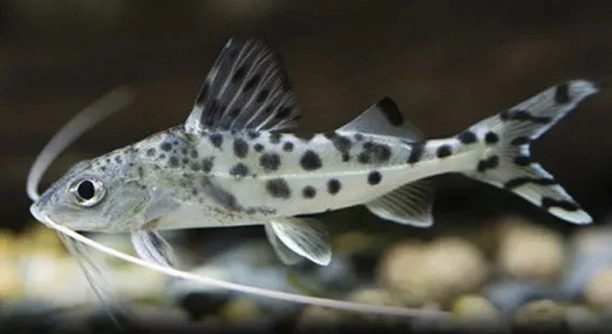
Pictus catfish are popular aquarium fish known for their active nature and peaceful temperament. Keeping them healthy requires a well-maintained environment that supports their natural behavior. Many hobbyists look for ways to improve their tank setup for these unique fish.
Upgrading a tank with better filtration, proper lighting, hiding spots, and appropriate water flow helps maintain optimal conditions for Pictus catfish. These enhancements reduce stress, improve water quality, and promote overall health, ensuring a longer and more comfortable life for the fish.
These practical upgrades can make a noticeable difference in your catfish’s well-being. The following details will guide you through effective improvements for a healthier aquatic home.
Improved Filtration System
A strong filtration system is crucial for maintaining clean and healthy water for Pictus catfish. These fish produce a fair amount of waste, which can quickly pollute the tank if not managed properly. Using a filter that combines mechanical, biological, and chemical filtration helps keep toxins and debris under control. Mechanical filtration removes solid particles, biological filtration supports beneficial bacteria that break down harmful ammonia and nitrites, and chemical filtration can reduce impurities like chlorine or heavy metals. Upgrading to a canister or power filter designed for tanks larger than your aquarium size ensures better water turnover and clarity. Regular maintenance of the filter is just as important as choosing the right one, so cleaning or replacing filter media on schedule keeps the system efficient. This setup reduces stress on your Pictus catfish and promotes a stable environment for their health and activity.
Good filtration balances water parameters and prevents harmful buildup, which helps your catfish stay active and comfortable.
Keeping the water clean with an upgraded filtration system prevents many health issues and supports the natural behavior of Pictus catfish. It also helps avoid common problems like cloudy water or algae growth. A well-functioning filter reduces the frequency of water changes, saving time and effort. Additionally, stable water quality helps the fish’s immune system resist diseases. With clear, clean water, your catfish will be more visible and lively, making the tank more enjoyable to watch. Regularly checking the filter flow rate and condition ensures the system continues to meet your tank’s needs. Overall, investing in a quality filtration upgrade is a practical way to support the long-term health of your Pictus catfish and improve your aquarium’s environment.
Proper Lighting Setup
Pictus catfish prefer dim to moderate lighting, similar to their natural habitat with shaded waters. Too much bright light can stress them and reduce their activity. Installing adjustable LED lights or using floating plants can help create the right balance of light and shade in the tank.
Adjustable lighting allows you to mimic natural day and night cycles, supporting the catfish’s behavior and health.
Proper lighting not only reduces stress but also supports beneficial plant growth and controls algae. By creating shaded areas and dimmer spots, you give the Pictus catfish places to retreat and feel secure. This helps reduce hiding and encourages more natural swimming and feeding habits. Plants also contribute to better water quality by absorbing nitrates and providing oxygen. A well-lit tank with shaded zones mimics the fish’s natural environment, which helps keep their stress levels low and immune system strong. Avoid harsh, continuous lighting and consider using a timer to regulate the light duration each day, helping maintain a stable environment for your catfish.
Adding Hiding Spots
Pictus catfish need places to hide to feel secure and reduce stress. Rocks, caves, and driftwood create safe zones for resting and escaping bright light.
Hiding spots mimic the natural environment where catfish can avoid predators and rest comfortably. Providing several hiding places spread throughout the tank encourages natural behavior. Driftwood adds texture and organic material, which many catfish find comforting. Smooth rocks and ceramic caves work well, but make sure there are no sharp edges that could injure your fish. Position these hiding areas near plants or in shaded corners to increase security. Without adequate shelter, Pictus catfish may become anxious or less active, which can affect their health.
These shelters also help reduce aggression among tank mates by giving fish personal space. They allow Pictus catfish to retreat during molting or illness, aiding recovery. Offering a variety of hiding options caters to individual preferences and promotes a peaceful tank environment. Regularly rearranging or adding new hiding spots keeps the tank interesting and stimulates the fish mentally, which is beneficial for their well-being.
Regulating Water Flow
Pictus catfish prefer moderate water flow that simulates their river habitat without being too strong. Strong currents can exhaust them and disrupt feeding.
Moderate water flow ensures proper oxygenation and helps carry waste to the filter without overwhelming the fish. Adjustable powerheads or filter outlets allow you to control the flow intensity. Positioning these devices to create gentle currents rather than direct blasts prevents stress. When setting up your tank, observe your catfish to see how they respond to the current and adjust accordingly. Flow that is too weak can cause stagnant areas, leading to poor water quality and algae buildup. Proper circulation supports a healthy tank environment and the catfish’s comfort.
Substrate Choice
Soft, smooth substrate like sand or fine gravel is best for Pictus catfish. Rough or sharp substrates can damage their delicate barbels and skin.
A gentle substrate mimics their natural riverbeds and allows them to forage comfortably. It also prevents injuries that might lead to infections.
Regular Water Changes
Consistent water changes remove toxins and replenish minerals needed for fish health. Changing 20-30% weekly maintains a stable environment.
Regular water changes reduce nitrate buildup and improve overall water quality. This practice supports the immune system and keeps the fish active and vibrant.
Temperature Control
Pictus catfish thrive in temperatures between 74°F and 79°F. Maintaining this range supports their metabolism and immune function.
Stable water temperature avoids stress and helps the catfish stay healthy and active in the tank.
FAQ
What is the best tank size for Pictus catfish?
A tank of at least 55 gallons is recommended for Pictus catfish. These fish are active swimmers and need space to move comfortably. Larger tanks help maintain stable water parameters and reduce stress.
How often should I clean the tank?
Regular cleaning depends on tank size and stocking levels, but a general rule is a partial water change of 20-30% weekly. Clean the substrate with a gravel vacuum and rinse filter media as needed without removing beneficial bacteria.
Can Pictus catfish live with other fish?
Yes, they are generally peaceful and do well with other non-aggressive species. Avoid keeping them with very small fish that might be mistaken for food or overly aggressive fish that could stress them.
What do Pictus catfish eat?
Pictus catfish are omnivores. They enjoy sinking pellets, frozen or live foods like bloodworms and brine shrimp, and occasional vegetables. Feeding a varied diet supports their health and coloration.
How do I know if my Pictus catfish is stressed?
Signs of stress include hiding excessively, loss of appetite, clamped fins, or erratic swimming. Poor water quality, inadequate hiding places, or wrong temperature often cause these behaviors.
Is it necessary to use a heater for Pictus catfish?
Yes, since they prefer stable temperatures between 74°F and 79°F, using a reliable aquarium heater is important. Sudden temperature changes can weaken their immune system.
What substrate is best for Pictus catfish?
Soft sand or fine gravel is ideal. These substrates prevent injury to the catfish’s sensitive barbels and allow them to forage naturally without harm.
How important is lighting for Pictus catfish?
Moderate or dim lighting helps reduce stress. Too bright light can make them hide more and become less active. Using floating plants or adjustable LEDs creates a comfortable environment.
Can Pictus catfish jump out of the tank?
Yes, they are known to be good jumpers. Always use a tight-fitting lid to prevent escapes, especially at night when they are most active.
How often should I feed Pictus catfish?
Feed them once or twice daily in small amounts they can finish within a few minutes. Overfeeding can pollute the tank and harm water quality.
What are common health issues for Pictus catfish?
Poor water quality is the most common cause of health problems. Fin rot, ich, and bacterial infections can occur if the tank isn’t properly maintained.
How can I reduce aggression in a Pictus catfish tank?
Provide plenty of hiding spots and maintain stable water conditions. Avoid overcrowding and aggressive tank mates to minimize stress and fighting.
Should I keep Pictus catfish in groups?
They are social fish and do better in groups of three or more. Group living reduces stress and encourages natural schooling behavior.
How long do Pictus catfish typically live?
With proper care, they can live up to 10 years or more. Maintaining good water quality, diet, and tank conditions supports their longevity.
What is the ideal pH for Pictus catfish?
A pH between 6.5 and 7.5 suits Pictus catfish best. Keeping pH stable within this range helps avoid stress and supports their overall health.
Final Thoughts
Keeping Pictus catfish healthy depends greatly on the environment you create for them. Small changes in tank setup can make a big difference in their well-being. Upgrading filtration, adding hiding spots, and choosing the right substrate all contribute to a stable and comfortable habitat. These upgrades reduce stress and help maintain clean water, which are essential for the fish’s health. Providing proper lighting and controlling water flow also play important roles in mimicking their natural surroundings. When these factors are managed well, your catfish will show more natural behavior and stay active.
Regular maintenance is just as important as making tank upgrades. Consistent water changes help keep toxins low and support good water quality. Monitoring temperature and pH ensures the environment remains stable, preventing sudden changes that can cause stress or illness. Feeding your Pictus catfish a balanced diet and avoiding overfeeding helps maintain water quality and keeps your fish healthy. Paying attention to their behavior can give early signs of stress or disease. This allows you to take action quickly to protect their health.
Overall, keeping Pictus catfish healthy is about creating a balanced ecosystem in the aquarium. The right combination of equipment, environment, and care supports their natural needs. With patience and attention, you can provide a home that encourages their well-being and longevity. These tank upgrades are practical steps that improve both the fish’s quality of life and your enjoyment as an aquarium keeper. Healthy fish are more active, vibrant, and rewarding to care for over time.

Hello,
If you enjoy the content that we create, please consider saying a "Thank You!" by leaving a tip.
Every little bit helps us continue crafting quality advice that supports the health, happiness, and well-being of pets around the world, for pets of all shapes, sizes, and species.
We really appreciate the kindness and support that you show us!