
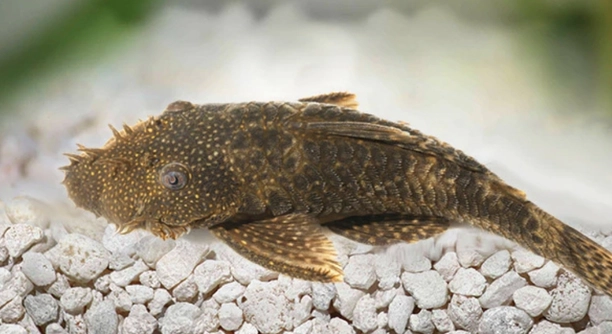
Keeping plecos in your aquarium requires careful consideration of their needs to ensure they thrive. They are sensitive creatures, and certain upgrades can make a significant difference in their quality of life.
The right tank upgrades for plecos include proper filtration, ample hiding spaces, smooth substrate, and the addition of driftwood. These elements help maintain water quality, reduce stress, and support the pleco’s natural behaviors, ensuring its well-being.
These upgrades can have a noticeable impact on your pleco’s health and comfort. Learn how to create the ideal environment for your fish to thrive.
Proper Filtration is Essential for Plecos
Plecos produce a significant amount of waste, which can quickly pollute the tank if not properly managed. A good filtration system is crucial to maintaining water quality and preventing the build-up of harmful toxins. Without a high-quality filter, harmful chemicals like ammonia and nitrites can accumulate, stressing the pleco and potentially leading to health issues. A filter that provides both mechanical and biological filtration will remove debris while promoting the growth of beneficial bacteria, which break down waste and maintain water stability.
The ideal filter should have a flow rate suited to the size of the tank and the pleco’s needs. Too strong a flow can stress your pleco, while too weak a filter can lead to poor water quality.
Investing in a filter that is efficient and suitable for your tank size is an investment in your pleco’s health. Regular maintenance of the filter, including cleaning or replacing the media, ensures it continues to work at its best. It also helps keep the environment stable, allowing your pleco to thrive.
Hiding Spaces are Crucial
Plecos are shy and prefer areas where they can retreat when feeling threatened.
Providing hiding spots with smooth rocks, caves, or plants mimics their natural habitat, where they often seek shelter. These hiding spots give your pleco a sense of security and reduce stress. Too much exposure can cause them to become anxious or inactive. The placement of these hiding spaces should allow easy access to your pleco while also offering a secluded area for resting.
A well-designed tank with plenty of hiding spaces will encourage natural behaviors such as foraging and exploring. Make sure to choose materials that will not damage the pleco’s sensitive skin or fins.
Smooth Substrate for Comfort
Plecos have delicate skin, and the wrong substrate can lead to injury or stress. Choose a substrate that is soft and smooth to avoid any abrasions on their bodies. Fine sand or smooth gravel is ideal. Avoid sharp or rough materials like crushed coral, which can irritate their skin.
A smooth substrate mimics the natural environment of plecos, who often scavenge along the bottom of rivers. It also helps to maintain water clarity and makes cleaning easier. If you use sand, make sure it is fine enough that your pleco can move through it without issue.
The right substrate also supports the growth of beneficial bacteria, helping to maintain a healthy ecosystem in your tank. It’s important to regularly clean the substrate to prevent debris build-up, which can impact water quality and the pleco’s health. A good substrate provides a comfortable, safe space for your pleco to live in.
Adding Driftwood
Driftwood is a natural addition that plecos need for both physical and psychological well-being.
It serves as an important source of food, as plecos often graze on biofilm and algae that grow on it. Driftwood also helps replicate their natural habitat, providing shelter and a place to hide. It creates a more natural environment that can reduce stress and encourage your pleco to behave more naturally. Plecos love to nibble on driftwood, and it also helps maintain the health of their digestive system.
When selecting driftwood, ensure it is safe for aquarium use and free from harmful chemicals. It’s important to soak the wood before placing it in the tank to prevent it from leaching tannins, which can discolor the water temporarily but are generally not harmful. Over time, the wood may break down, so it’s necessary to replace it when it becomes too soft or starts deteriorating.
Consistent Water Temperature
Plecos are sensitive to temperature fluctuations. Keeping the water consistently warm is essential for their health. Ideally, the tank should be maintained between 75°F and 80°F (24°C – 27°C). Sudden changes in temperature can stress them, leading to weakened immune systems.
A reliable aquarium heater is key to maintaining a stable environment. Check the heater regularly to ensure it’s functioning correctly and calibrate it if necessary. Using a thermometer helps monitor the water temperature. It’s crucial to avoid any sharp drops or increases, which can cause your pleco to become stressed or sick.
Regular Water Changes
Water changes are vital to keep your pleco’s environment clean and healthy.
Changing about 20-30% of the water weekly ensures that harmful toxins like ammonia and nitrites are removed. Regular water changes also prevent the build-up of organic waste, which can degrade water quality over time. Using a good quality water conditioner will help neutralize chlorine and chloramine in tap water.
By performing water changes on a set schedule, you help maintain stable water parameters. Keeping the tank’s water clean supports the overall health of your pleco and other tank inhabitants.
Water Quality Testing
Testing the water regularly ensures that your pleco is thriving in a safe environment.
Test for key parameters such as pH, ammonia, nitrites, and nitrates. Keeping these levels in check reduces the risk of stress-related health issues. For plecos, a stable pH level around 6.5 to 7.5 is ideal. Regular testing allows you to catch any issues early and address them before they affect your pleco’s health.
FAQ
What size tank is best for a pleco?
Plecos require a spacious tank to thrive. A minimum of 30 gallons is recommended for a single pleco, as they grow large and need ample space to swim. A larger tank provides more stability in terms of water quality and temperature, which is crucial for their health. It’s important to provide enough swimming area while also incorporating hiding spots and natural elements.
Can plecos live with other fish?
Yes, plecos can live with many types of fish. They tend to be peaceful and are usually compatible with other species, especially non-aggressive fish. However, avoid keeping them with fish that may outcompete them for food or create excessive stress. Ensure the tank mates are of a similar size to avoid conflicts.
What do plecos eat?
Plecos are primarily herbivores, feeding on algae, biofilm, and plant matter. They also enjoy nibbling on driftwood, which is an important part of their diet. You can supplement their diet with high-quality algae wafers, fresh vegetables like zucchini or cucumber, and occasional protein-rich foods like bloodworms.
Do plecos need a filter?
Yes, plecos are messy eaters, and they produce a lot of waste. A strong filtration system is essential to maintain clean water and a healthy tank. Ensure that the filter is appropriate for the size of the tank and can handle the waste load. Regular maintenance of the filter is necessary for optimal performance.
How often should I feed my pleco?
Plecos should be fed once or twice a day, depending on their age and the type of food. Younger plecos may need more frequent feeding, while adults can be fed once a day. It’s important to avoid overfeeding, as this can pollute the water and lead to health issues. Monitor how much food your pleco consumes and adjust accordingly.
Can plecos live in cold water?
Plecos are tropical fish and require warm water to thrive. They should not be kept in cold water, as low temperatures can cause stress and make them more susceptible to disease. Ensure that the water temperature remains between 75°F and 80°F (24°C – 27°C) for their well-being.
Why is my pleco not eating?
If your pleco is not eating, it may be stressed, sick, or the water quality could be poor. Check the water parameters, as poor water conditions are a common cause of loss of appetite. Additionally, make sure that the food offered is suitable for their diet. If problems persist, consult an aquarium professional for advice.
How do I tell if my pleco is stressed?
Signs of stress in plecos include a lack of appetite, hiding more than usual, faded colors, or swimming erratically. Stress can be caused by poor water quality, temperature fluctuations, or incompatible tank mates. It’s essential to address the underlying cause of stress to ensure your pleco remains healthy and active.
How can I breed plecos?
Breeding plecos requires a stable, mature tank with good water conditions. Provide hiding spots, such as caves or PVC pipes, where the male can guard the eggs. The water temperature should be slightly increased (around 80°F or 27°C) to encourage breeding behavior. Once the eggs hatch, the male typically guards the fry until they are large enough to fend for themselves.
What do I do if my pleco is too big for the tank?
If your pleco has outgrown its tank, you may need to upgrade to a larger tank. Plecos can grow up to 24 inches, so a 75-gallon tank or larger is ideal for full-grown plecos. Keeping them in too small of a space can result in stress and health problems. Consider rehoming the pleco if an upgrade is not possible.
Do plecos require a lot of maintenance?
Plecos do require regular maintenance to ensure they thrive. This includes routine water changes, cleaning the filter, and ensuring the tank remains free from debris. The addition of driftwood or plants may also require attention, but overall, with proper setup, plecos are relatively low-maintenance. Regular water testing is crucial to keep the environment stable.
How long do plecos live?
Plecos can live for a long time, typically between 10 to 15 years, provided they are well cared for. Their lifespan can be affected by factors such as water quality, tank size, and diet. Regularly maintaining the tank and meeting their specific needs will help ensure a long, healthy life for your pleco.
Can I keep multiple plecos together?
Keeping multiple plecos together is possible but not always ideal, especially if they are of the same species. They can become territorial, particularly during breeding periods. If you want to keep more than one pleco, ensure the tank is large enough to accommodate them, and provide plenty of hiding spaces to reduce conflict.
Why is my pleco changing color?
Plecos may change color due to stress, poor water quality, or illness. If the color change is sudden and accompanied by other symptoms like a lack of appetite or erratic behavior, it could indicate an underlying issue. Regularly monitor the water conditions and make sure the pleco is in a healthy, stress-free environment.
Final Thoughts
Caring for plecos requires attention to their environment and well-being. By providing a spacious tank, consistent water temperature, and regular water changes, you can ensure that your pleco thrives. Proper water quality is also crucial for their health, as plecos are sensitive to changes in their surroundings. Maintaining the right conditions will not only keep your pleco happy but also prevent common health issues that can arise from poor water quality or improper tank conditions.
Feeding your pleco the right diet is essential to their overall health. While they are primarily herbivores, offering a variety of foods such as algae wafers, vegetables, and occasional protein can ensure they receive all the nutrients they need. It’s important to observe your pleco’s eating habits and adjust accordingly. Overfeeding can lead to waste buildup, which affects water quality, so feeding in moderation is key. It’s also beneficial to monitor your pleco’s growth to ensure they have enough space and a balanced diet as they mature.
Plecos are relatively low-maintenance fish, but they still require regular care and attention. Ensuring that their tank environment is clean, stable, and well-maintained is essential for their health. With the right setup and routine care, plecos can live long, happy lives. Whether you are a new aquarist or experienced, understanding your pleco’s needs and habits will help you provide the best possible care. By keeping a close eye on water quality, feeding habits, and tank conditions, you can enjoy the company of a thriving pleco for many years.

Hello,
If you enjoy the content that we create, please consider saying a "Thank You!" by leaving a tip.
Every little bit helps us continue crafting quality advice that supports the health, happiness, and well-being of pets around the world, for pets of all shapes, sizes, and species.
We really appreciate the kindness and support that you show us!