
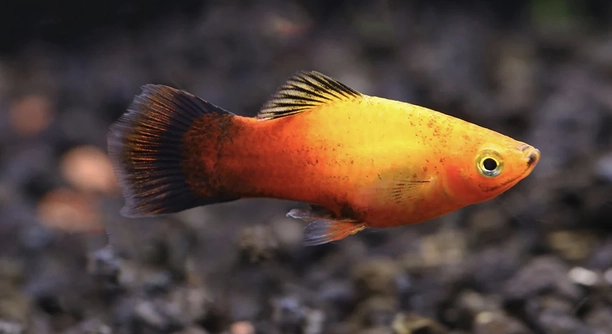
Are your platies not as active or colorful as you expected, even though you’re doing your best to care for them? Creating the right tank environment can make a big difference in their health and happiness.
Platies thrive best in well-maintained tanks that mimic their natural environment, offer plenty of space, include live plants, and maintain stable water parameters. A thoughtful setup encourages natural behavior, reduces stress, and helps prevent common health problems.
From peaceful community tanks to plant-filled aquascapes, each setup brings something special to your platy’s life and overall well-being.
Standard 10-Gallon Community Tank
A 10-gallon tank is a simple and common choice for platies. It gives them enough space to swim freely and stay active. Platies are social, so keeping them in groups of at least three works best. This size also makes it easy to manage water quality and temperature. Add a heater to keep the water around 72–78°F, and use a sponge or gentle filter to avoid strong currents. Include live or silk plants to provide hiding spots and improve water quality. A few rocks or driftwood pieces can help break up sightlines and reduce stress. Lighting should be moderate to avoid algae buildup and allow plant growth. Regular maintenance, including weekly water changes and water testing, helps keep the tank stable. Many fish keepers find this setup ideal for beginners because it’s affordable and easy to care for, while still offering platies a healthy environment to live and grow in.
Platies do well with peaceful tankmates like guppies, mollies, or corydoras. Avoid aggressive fish or fin-nippers.
The 10-gallon community setup is great if you’re just getting started. It keeps things manageable while giving platies the room and stability they need to stay active and healthy over time.
Planted Tank with Natural Substrate
Live plants bring out the best in platies. They feel more secure, show brighter colors, and behave more naturally.
A planted tank uses real aquatic plants like java fern, anubias, and hornwort. These plants help oxygenate the water, lower stress, and give platies places to explore and rest. Use a natural substrate like fine gravel or aquarium soil to support root growth. Keep lighting moderate and consistent—around 8 to 10 hours per day. Adding liquid fertilizer and root tabs can help plants thrive without harming the fish. Make sure the filter flow isn’t too strong so plants don’t uproot and platies can swim comfortably. Trim plants regularly to avoid overcrowding. This type of tank takes a little more effort to maintain, but the payoff is worth it. It creates a calm, steady environment that supports both fish and plants. Many keepers notice their platies breed more often and show better color in this kind of setup.
Species-Only Tank with Platy Varieties
Keeping only platies in a tank can make care easier and reduce compatibility issues. With no other species to consider, water conditions and food choices stay consistent, and platies are less likely to get stressed by aggressive or faster fish.
This setup lets you focus on the variety of platies available, such as Mickey Mouse, sunset, and wagtail types. A 15 to 20-gallon tank gives enough room for several platies without overcrowding. Since platies are livebearers, they may reproduce quickly, so plan for baby fish or add plants like water sprite for fry to hide. Without other species, there’s no need to adjust feeding for different diets or worry about different temperature preferences. Keep filtration gentle and maintain clean water through weekly partial water changes. Watching platies interact with each other in a peaceful environment can be both relaxing and enjoyable.
Use soft lighting and a mix of floating plants to create visual contrast and comfort. With fewer distractions and a focused care routine, this kind of tank setup helps you notice health changes early. It also allows the platies’ colors and natural behaviors to really stand out. The calm atmosphere promotes active swimming, social interaction, and even healthy breeding patterns in the long run.
Outdoor Tub or Mini Pond Setup
Outdoor tubs give platies a seasonal, natural space to explore. These setups work best in warmer months where temperatures stay between 70–80°F. A 20-gallon or larger container can support a small group. Avoid metal containers and use plastic or fiberglass instead.
Use native aquatic plants like hornwort, water lettuce, or duckweed to provide shelter and reduce algae. Add a sponge filter or small solar-powered fountain for aeration, but avoid strong currents. Keep the tub in partial shade to prevent overheating. Rainwater can be helpful, but monitor water quality after storms. Add mosquito prevention like guppy companions or mosquito dunks that are safe for fish. Always acclimate fish slowly when moving them outside. In colder climates, bring fish inside before temperatures drop. With natural sunlight, platies often display brighter colors and become more active. Outdoor tubs can support fry growth and offer a peaceful, low-maintenance option during the warmer seasons.
Breeding Tank Setup
A separate breeding tank helps protect baby platies from being eaten. Use a 10-gallon tank with a sponge filter, a heater, and plenty of floating plants or a breeding box to give fry a safe place to hide.
Keep adult males and females together only briefly to avoid overcrowding. After birth, remove the adults to prevent fry loss.
Low-Tech Nano Tank for Small Spaces
A low-tech nano tank is perfect for smaller areas like desks or shelves. A 5 to 7-gallon tank can hold a trio of platies if properly maintained. Choose hardy plants like java moss or anubias that grow well without added CO₂ or intense lighting. Use a small, quiet filter and a heater to keep conditions stable. Avoid overfeeding and do weekly water changes to control waste. Since space is limited, don’t overcrowd the tank. Stick to a small group and monitor for breeding. This setup is best for someone who wants a low-maintenance way to enjoy the activity and color of platies in a compact space.
Natural Biotope-Inspired Setup
Use sand substrate, smooth stones, and driftwood to mimic a riverbank environment. Add soft lighting and plant coverage to support calm swimming and natural behaviors.
FAQ
How many platies should I keep together?
Platies are social fish and feel more comfortable in small groups. It’s best to keep at least three together, but five or more is ideal if your tank size allows. This helps prevent stress and encourages natural behavior like group swimming and playful chasing. A group also spreads out any minor aggression that may occur, especially if there are multiple males. For breeding tanks, a ratio of one male to two or three females can help reduce the pressure on any single female and create a more balanced, peaceful group.
What is the ideal tank size for platies?
A 10-gallon tank is the minimum size for a small group of three platies. However, if you want to keep a larger group, a 20-gallon tank is a much better option. Platies are active swimmers, so they benefit from extra space. A bigger tank also makes it easier to maintain stable water parameters and gives you room to include live plants, decor, and even a few peaceful tankmates if desired. Keep in mind that platies breed often, and having more space can help manage fry if you choose not to separate them right away.
Can platies live without a heater?
Platies prefer warmer water, ideally between 72–78°F (22–26°C). In a consistently warm room, they might survive without a heater, but their health can suffer if temperatures fluctuate. Cooler water can lower their activity levels and weaken their immune system. Using a heater is the safest way to keep the temperature stable and ensure your platies remain active and healthy. A small adjustable heater is affordable and easy to use, making it a good choice for almost every platy tank, especially during colder months.
Do platies need live plants in their tank?
Platies don’t require live plants to survive, but they thrive in planted tanks. Live plants improve water quality, reduce stress, and give the fish natural places to hide and explore. Floating plants like duckweed or water lettuce are great for cover, while rooted plants like java fern or anubias are hardy and low-maintenance. Planted tanks also support baby platies by giving them shelter from adult fish. Even adding a few basic plants can make a big difference in how healthy and comfortable your platies feel.
Can platies live with other fish?
Yes, platies are peaceful and usually do well in community tanks. Good tankmates include guppies, mollies, swordtails, corydoras, and peaceful tetras. Avoid fin-nippers or aggressive fish like tiger barbs or bettas, as these can stress or injure your platies. Always research compatibility before adding new fish. Make sure the tank is large enough for everyone, and monitor the group to make sure no fish are being bullied or overcrowded. Providing enough hiding spots and visual barriers can also help reduce tension in mixed tanks.
How often should I clean a platy tank?
A weekly partial water change of about 25–30% is ideal. Use a gravel vacuum to remove uneaten food and waste from the substrate. Clean filter sponges gently in old tank water every few weeks to avoid killing beneficial bacteria. Test your water regularly to keep ammonia, nitrites, and nitrates in check. A clean tank keeps your platies healthy, prevents disease, and supports stable water conditions. Avoid doing full water changes unless there’s an emergency, as sudden shifts in water parameters can stress your fish.
What should I feed my platies?
Platies are omnivores and do best with a varied diet. Feed them high-quality flakes or pellets as a staple. Supplement with frozen or live foods like brine shrimp, daphnia, or bloodworms once or twice a week. You can also offer blanched vegetables like zucchini, spinach, or peas. Feed small amounts once or twice a day, only as much as they can finish in a couple of minutes. A balanced diet helps keep their colors bright, supports growth, and reduces the risk of digestive problems.
Why are my platies hiding all the time?
If your platies are hiding often, it could be due to stress. Common causes include poor water quality, sudden changes in the environment, aggressive tankmates, or loud noises near the tank. Check the water parameters, ensure the temperature is stable, and make sure the filter isn’t creating too strong of a current. Adding more plants or decorations can give them safe spaces to retreat. Also, make sure they’re kept in groups. Isolated platies often act shy or inactive. Addressing these issues usually helps them feel more secure and active again.
Final Thoughts
Platies are hardy, peaceful fish that can thrive in many different tank setups. Whether you’re just starting out or looking to try something new, they are a great choice because they’re easy to care for and adapt well to their environment. With the right space, good water quality, and a proper diet, they live active and healthy lives. They also bring color and movement to any aquarium, making them a favorite for both beginners and experienced fish keepers. Even a simple setup can go a long way if it meets their basic needs.
One of the best things about platies is their flexibility. They do well in community tanks, planted aquariums, and even outdoor tubs in warm weather. Their calm nature allows them to live peacefully with many other fish, as long as they are not aggressive or too fast. Since platies are livebearers, they may produce fry often, so it’s important to be prepared if you want to manage breeding. Adding plants or using a separate breeding tank can help protect baby fish. Watching their social behaviors and interactions can be rewarding, especially when they are placed in a tank that supports their natural habits.
No matter what setup you choose, the key is consistency and care. Clean water, balanced feeding, and proper tank maintenance are the most important things you can do for them. Take time to observe your fish regularly so you can catch any signs of stress or illness early. Keeping platies doesn’t have to be complicated, but the more thought you put into their environment, the more you’ll see them thrive. With a bit of planning, your tank can become a healthy, active space that both you and your platies enjoy.

Hello,
If you enjoy the content that we create, please consider saying a "Thank You!" by leaving a tip.
Every little bit helps us continue crafting quality advice that supports the health, happiness, and well-being of pets around the world, for pets of all shapes, sizes, and species.
We really appreciate the kindness and support that you show us!