
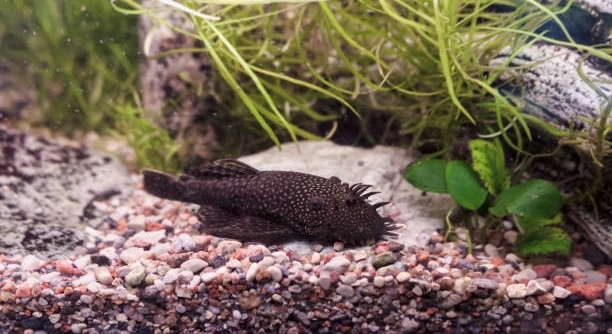
Setting up a tank for your plecos can be a bit challenging, especially when they are nervous. Ensuring the right environment is key to helping them feel safe and comfortable in their new home.
Creating a proper tank setup for nervous plecos involves ensuring they have hiding spaces, proper water conditions, and a peaceful environment. Providing decorations, soft filtration, and stable water parameters will reduce their stress and promote well-being.
By following these tips, you can enhance your pleco’s environment, making them feel more secure and less stressed over time.
Provide Plenty of Hiding Spots
Plecos are naturally shy and like to hide when they feel unsafe. It’s important to offer them places where they can retreat and feel secure. Adding caves, driftwood, and plants can help create hiding spots for your plecos to rest. These hiding spaces not only reduce stress but also mimic the plecos’ natural habitat.
The more hiding spots you provide, the better. Plecos are bottom-dwellers and appreciate having places to explore or settle when they feel threatened. This setup helps them feel in control of their environment, which reduces anxiety.
Using decorations such as rocks and plants is not only good for aesthetics but also essential for pleco well-being. These items provide structure in the tank, making it easier for plecos to find secluded areas. If possible, add some plants with broad leaves, as plecos enjoy resting under these. Remember, a cluttered tank with plenty of hiding spots will make a big difference.
Ensure Stable Water Parameters
Keeping the water stable is one of the most important aspects of pleco care. Any changes in temperature or water chemistry can make plecos feel uneasy. Regular water changes and monitoring water conditions are essential.
Maintain a steady temperature between 72-82°F (22-28°C) to keep your plecos comfortable. Make sure the pH levels are within the neutral to slightly acidic range (6.5-7.5). Ammonia and nitrite should always be at 0 ppm, as these chemicals can be harmful. Keeping these parameters stable will help reduce stress and keep your plecos healthy.
Keep the Tank Environment Calm
Plecos are sensitive to disturbances in their environment, so it’s essential to keep their surroundings calm. Avoid placing the tank in high-traffic areas or places where there is constant noise. A quiet, peaceful setting will help reduce stress.
Minimize vibrations, sudden movements, and loud sounds near the tank. Plecos are naturally skittish, and loud noises or disruptions can make them feel unsafe. If possible, place the tank in a room where they can enjoy some peace and solitude. This also helps them adjust to their new home without feeling threatened.
In addition to limiting noise, avoid placing other active or aggressive fish in the same tank. Aggressive tank mates can increase stress levels for plecos, making them more nervous. Opt for peaceful community fish that won’t provoke or challenge them.
Provide Soft Filtration
Nervous plecos often feel uneasy with strong water currents. Using a gentle filtration system ensures that the water remains clean without disturbing the pleco too much. This is especially important for plecos, as they are bottom dwellers and prefer calm waters.
A sponge filter or a gentle powerhead can work well for plecos. These options create mild water movement that maintains filtration without overwhelming the fish. It’s important to keep the filter’s flow rate low enough so that it doesn’t push the pleco around the tank. A soft filter also reduces noise, further contributing to a calm environment.
By choosing a filtration system that matches the needs of your plecos, you’re providing them with an environment where they can feel safe and secure. Clean water and minimal disturbances are key to preventing stress and promoting their well-being.
Avoid Overcrowding
Overcrowding the tank with too many fish or decorations can make your plecos feel cramped and stressed. It’s important to provide them with enough space to move freely. A less crowded tank will allow them to establish their territory and feel more at ease.
Plecos require adequate space to swim and explore. Overcrowding can lead to territorial disputes, causing stress and anxiety. Be mindful of the number of fish and decorations in the tank, ensuring there’s enough room for your plecos to feel secure. A tank with fewer fish allows everyone to thrive.
Use Dim Lighting
Bright lights can cause stress for plecos, who prefer low light conditions. Dim the lighting in the tank to create a more comfortable environment for your plecos. This will help them feel safer and less exposed.
Plecos are nocturnal creatures and are most active in low-light conditions. Using a gentle, subdued light will encourage natural behavior. Avoid harsh overhead lights or spotlights that can make your plecos feel exposed and uneasy. Instead, opt for soft, ambient lighting that mimics their natural environment.
Keep the Tank Clean
Regular cleaning is crucial for plecos, as they are sensitive to dirty water. Make sure to do regular water changes and clean the substrate to keep the tank environment healthy. A clean tank ensures that plecos have a safe, stress-free space to live in.
Removing waste and uneaten food will prevent harmful toxins from building up in the water. It’s also essential to clean the filter regularly to maintain optimal filtration. By keeping the tank clean, you create a healthier environment where plecos can thrive and feel secure.
FAQ
How do I know if my pleco is stressed?
A stressed pleco may show signs such as hiding more than usual, loss of appetite, or unusual swimming behavior. If your pleco is constantly hiding and not coming out to feed, it may be experiencing stress. You may also notice them rubbing against objects or rocks in the tank. These behaviors are common indicators that something is affecting their comfort level. Checking the water parameters regularly is also essential, as poor water conditions can contribute to stress.
Can plecos live with other fish?
Yes, plecos can live with other fish, but it’s important to choose compatible tank mates. Peaceful, non-aggressive fish are the best choice, as plecos can get stressed by overly active or aggressive species. Avoid keeping them with fish that might compete for food or territory. Community tanks with calm, non-territorial fish like tetras or guppies are usually ideal. It’s also important to ensure that the tank is large enough for all inhabitants to avoid overcrowding.
What is the best water temperature for plecos?
Plecos thrive in water temperatures between 72-82°F (22-28°C). Keeping the water within this range will help prevent any stress caused by temperature fluctuations. Using a reliable aquarium heater and thermometer ensures that the water remains stable and at a comfortable level for your pleco. Rapid temperature changes can be harmful, so it’s essential to maintain a consistent environment.
Do plecos need a lot of oxygen in the water?
Plecos are adapted to live in oxygen-rich waters, so maintaining proper oxygen levels is important for their well-being. While they do not need as much oxygen as some other fish, the water should still be well-aerated. A sponge filter or air stone can help improve oxygen circulation, especially in tanks that are more densely stocked. Ensuring good water movement and aeration is key for plecos to thrive.
How often should I feed my pleco?
Plecos are not particularly demanding when it comes to food, but they need to be fed regularly. Typically, feeding them once a day is sufficient. They are primarily herbivores, so a diet rich in algae, vegetables, and specially formulated pleco pellets is ideal. Offering fresh vegetables like zucchini, cucumber, or spinach once or twice a week will also supplement their diet. Remove uneaten food after a few hours to prevent water contamination.
Are plecos bottom feeders?
Yes, plecos are bottom dwellers. They spend most of their time foraging on the substrate for food, algae, and detritus. Their bottom-feeding habits make them excellent tank cleaners, as they help keep algae levels under control. However, they should still be provided with supplemental food like sinking pellets and vegetables. A pleco’s natural behavior involves grazing along the tank floor, so it’s essential to provide a substrate they can comfortably move through.
Can plecos live in a tank without a filter?
While plecos can technically survive in a tank without a filter, it’s not ideal for their long-term health. Filters are necessary for maintaining water quality by removing waste, debris, and harmful toxins. Without a filter, the water can quickly become polluted, leading to poor water conditions and increased stress for your pleco. Regular water changes would be required to maintain a healthy environment if a filter is not used, but a filter is strongly recommended for better water quality and convenience.
What kind of substrate is best for plecos?
Plecos prefer a soft, smooth substrate like fine sand or small, rounded gravel. This allows them to forage without risking injury to their sensitive barbels. Avoid sharp or jagged substrate, as it can damage their delicate sensory organs. A soft substrate also makes it easier for plecos to graze for algae and other food. Adding some rocks and driftwood to the tank will create a more natural environment for your pleco and provide additional hiding places.
Can plecos live with snails?
Yes, plecos can live with snails, but it depends on the species of pleco. Most plecos are peaceful and won’t bother snails, but some larger plecos may attempt to eat smaller snails. If you plan to keep snails with your pleco, choose larger species like nerite snails that are less likely to be consumed. Snails also help keep the tank clean by eating leftover food and algae, so they can make good tank mates for plecos in a well-maintained aquarium.
What do plecos eat besides algae?
Plecos are mainly herbivores but will also eat detritus and some types of animal matter. In addition to algae, they can be fed a variety of vegetables like zucchini, cucumber, and spinach. Plecos also enjoy sinking pellets designed specifically for them, as well as frozen or blanched vegetables. Occasionally, you can offer them small amounts of protein-rich food like bloodworms or brine shrimp, though it should not make up the bulk of their diet. A balanced diet is crucial for their health and longevity.
How can I make my pleco feel more comfortable in the tank?
To make your pleco feel more comfortable, focus on creating a tank environment that mimics its natural habitat. Provide plenty of hiding spots, soft filtration, and stable water conditions. Use dim lighting and avoid overcrowding the tank to reduce stress. Offering a variety of foods will also help your pleco feel more secure. By maintaining a calm, clean, and comfortable environment, your pleco will feel more at ease and be less likely to hide or become stressed.
Final Thoughts
Setting up the right environment for your pleco is essential for their well-being. These fish are naturally shy and can be easily stressed, so providing them with a comfortable, stable home is crucial. By ensuring proper tank size, water conditions, and hiding spots, you can reduce stress and allow your pleco to thrive. Additionally, taking care of factors like lighting, water temperature, and filtration plays a big role in creating a healthy habitat.
Plecos may be hardy fish, but they still require regular maintenance and attention. Water quality is one of the most important aspects of their care. Regular water changes, filter maintenance, and checking the water parameters can prevent many health issues. Overcrowding the tank or neglecting the cleanliness of the water can cause unnecessary stress and negatively affect your pleco’s health. By paying attention to these details, you help ensure that your pleco remains active and healthy.
Lastly, be patient as your pleco adapts to its new environment. Every pleco has its own pace when it comes to adjusting to a tank setup. They may take some time to explore and feel comfortable. Offering them the right food, creating a peaceful tank environment, and respecting their need for space will help them settle in. In time, you will see your pleco display its natural behavior, from grazing on algae to swimming around the tank. With the right care, your pleco can live a long, healthy life.

Hello,
If you enjoy the content that we create, please consider saying a "Thank You!" by leaving a tip.
Every little bit helps us continue crafting quality advice that supports the health, happiness, and well-being of pets around the world, for pets of all shapes, sizes, and species.
We really appreciate the kindness and support that you show us!