
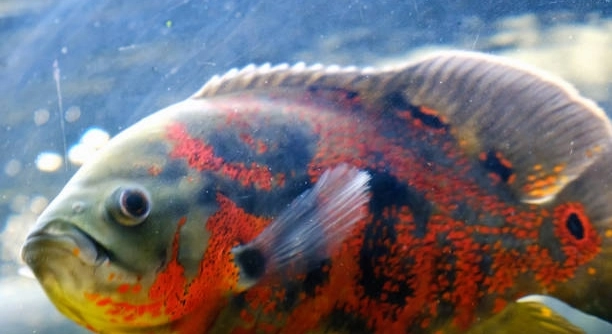
Oscar fish are known for their beauty and vibrant personalities, making them popular aquarium pets. However, maintaining a healthy environment for these active swimmers requires some care and attention to detail.
To keep your Oscar fish healthy, it’s important to focus on water quality, tank size, filtration, and proper tankmates. Proper setup ensures your fish thrive and reduces the risk of illness. Consistent maintenance is key to their well-being.
From selecting the right tank size to managing water parameters, there are several important details to consider. Learning these tips will help ensure your Oscar fish have a safe and comfortable home.
Choose the Right Tank Size
Oscar fish need plenty of space to swim freely, so selecting the right tank size is essential. A minimum of a 75-gallon tank is recommended for a single Oscar, with larger tanks being better if you plan to house more than one. Oscars can grow quite large, sometimes reaching up to 18 inches, so it’s important to have enough room for them to move around comfortably.
Having a tank that is too small can cause stress, leading to health problems. Stress can also make your Oscar more aggressive, which could result in fights with other tankmates. It’s always better to go bigger when it comes to tank size. This helps in maintaining water quality and keeping the fish healthy.
The larger the tank, the more stable the water conditions will be. Smaller tanks tend to have more drastic changes in water parameters, which can stress out your Oscar and make them vulnerable to illness. Keeping a big tank with plenty of water changes ensures your fish will stay happy and healthy for a long time.
Proper Filtration is Key
Water quality is crucial for Oscar fish. Without a good filtration system, it’s difficult to maintain the necessary water conditions for these fish. A high-quality filter will help remove debris and keep the water clean, allowing your Oscar to thrive.
Oscars are messy eaters, and their waste can quickly pollute the water. This makes efficient filtration a must-have. Look for a filter rated for a tank at least double the size of your actual tank. The stronger the filtration, the cleaner your tank will stay, reducing the need for constant water changes.
A filter with good mechanical, biological, and chemical filtration will ensure that your Oscar’s environment stays stable. Mechanical filtration removes visible waste, biological filtration controls harmful ammonia and nitrites, and chemical filtration can help control odors and discoloration in the water. A powerful filter ensures your Oscar stays healthy and comfortable.
Maintain Stable Water Conditions
Oscars require stable water parameters to thrive. The water temperature should be kept between 74-81°F, with a pH level of 6.5-7.5. Regular testing of the water will help you monitor these conditions. Keep in mind that small fluctuations in temperature or pH can stress your Oscar fish.
To maintain stable water conditions, invest in a reliable heater and thermometer. A consistent water temperature helps your Oscar stay active and healthy. Changes in temperature can lead to illness, as Oscars are sensitive to such shifts. Having a thermometer helps you keep track, while a quality heater maintains consistency.
Frequent water changes are also crucial. Changing 25-30% of the water every week will help keep toxins at bay. If your tank has poor filtration or heavy stocking, consider doing more frequent changes. The cleaner the water, the healthier your Oscar will be, reducing stress and improving their overall quality of life.
Select Compatible Tankmates
Oscar fish can be territorial and may not always get along with other species. When selecting tankmates, choose large, hardy fish that can handle the Oscar’s size and personality. Avoid small or peaceful fish, as they can become prey.
Consider fish like large catfish, plecos, or other robust species that won’t easily be intimidated. Avoid keeping other aggressive fish with Oscars unless the tank is large enough to give each fish enough space. This reduces the chance of fighting. Compatibility is important for the overall balance in the tank.
Choosing the right tankmates also requires understanding their needs. Some species may require specific water conditions or feeding schedules that differ from your Oscar. Make sure the tankmates’ needs align with those of the Oscar, ensuring a peaceful and stable environment. This will make life easier for both your Oscar and their companions.
Provide Proper Nutrition
Oscar fish are carnivores, and they need a diet rich in protein. You can feed them a variety of foods like pellets, frozen or live fish, and shrimp. Variety is key to keeping them healthy and satisfied. Avoid overfeeding, as Oscars tend to eat more than necessary.
Feed your Oscar twice a day with portions that they can consume in a few minutes. This helps prevent uneaten food from polluting the tank. Make sure to offer a balanced mix of dry and wet foods to ensure they’re getting all the nutrients they need for proper growth.
Overfeeding your Oscar can lead to obesity and other health issues, like poor water quality from the excess waste. It’s important to monitor how much your fish are eating, as their appetite can sometimes be misleading. Regular feeding routines and balanced portions will keep your Oscar healthy.
Keep the Tank Clean
A clean tank is crucial for your Oscar’s health. Regular cleaning includes removing excess waste and vacuuming the substrate. This helps reduce harmful toxins like ammonia and nitrites, which can build up and harm your fish. Clean water also improves their overall environment.
Performing regular water changes and checking the filter will ensure that the tank stays clean. Keeping the tank’s decorations and substrate clean also plays a role in maintaining a healthy environment. It reduces bacteria buildup and helps prevent illnesses that could affect your Oscar’s well-being.
Monitor Health Regularly
Oscar fish are prone to various illnesses like ich or fin rot. Regularly check for signs of disease, such as changes in behavior, loss of appetite, or unusual marks on their body. Early detection makes it easier to treat issues before they worsen.
FAQ
How often should I change the water in my Oscar fish tank?
You should aim to change 25-30% of the water every week to keep your Oscar’s tank clean and the water quality high. If you have a smaller tank or a heavily stocked aquarium, you might need to change the water more frequently. Regular water changes help remove toxins like ammonia and nitrates that can build up, ensuring your Oscar stays healthy. Don’t forget to test the water before and after changes to ensure it’s within the right parameters.
Can I keep multiple Oscars in the same tank?
Yes, you can keep more than one Oscar in a tank, but it requires a large tank and careful monitoring. A 100-gallon tank or bigger is needed to house two Oscars comfortably. Even with plenty of space, Oscars can be territorial and aggressive toward each other, especially if they are not of similar size. It’s best to add them to the tank when they are young so they can grow together and avoid fights later on.
What is the best diet for Oscar fish?
Oscar fish are carnivores, so their diet should mainly consist of protein. Offer a mix of high-quality pellets, frozen or live fish, shrimp, and occasional feeder fish. You can also supplement their diet with worms and other protein-rich foods. It’s important to vary their food to ensure they get all the necessary nutrients. Overfeeding can lead to obesity, so stick to feeding your Oscar small portions twice a day that they can consume in just a few minutes.
Do Oscars need a heater in their tank?
Yes, Oscars require a heater to maintain a stable water temperature between 74-81°F (23-27°C). They are tropical fish and need warmer water to thrive. Sudden temperature fluctuations can cause stress and lead to health problems, so a reliable heater is a must for maintaining the right conditions. Always monitor the water temperature with a thermometer to ensure it stays consistent.
What size tank do I need for an Oscar?
Oscar fish grow large, often reaching up to 18 inches. A 75-gallon tank is the minimum size for a single Oscar, though a larger tank (100 gallons or more) is better, especially if you plan to house more than one. Larger tanks provide more space for swimming and help keep the water conditions stable. If your tank is too small, your Oscar may become stressed, which can lead to health issues and aggression.
How do I prevent my Oscar from becoming aggressive?
Aggression in Oscars is often a result of territorial behavior, especially if the tank is too small or overcrowded. To reduce aggression, make sure your Oscar has enough space, and provide plenty of hiding spots in the tank, such as rocks and plants. If keeping multiple Oscars, ensure the tank is large enough for them to establish their own territories. Avoid placing peaceful or smaller fish with your Oscar, as they may become targets. Regular water changes and a proper diet also help reduce stress and aggression.
What are some common diseases that affect Oscar fish?
Some common diseases in Oscar fish include ich (white spot disease), fin rot, and dropsy. Ich presents as small white spots on the skin and fins and is often caused by poor water quality or stress. Fin rot is usually a result of bacterial infections and can cause the fins to appear ragged or deteriorate. Dropsy is a condition where the fish’s body becomes swollen due to internal organ failure. Keeping your tank clean and maintaining proper water quality are essential for preventing these issues. If you notice signs of illness, act quickly and consult a vet if necessary.
Can Oscars live with other fish?
Oscar fish can live with other fish, but they require careful selection of tankmates. Choose large, robust fish that can handle the Oscar’s size and aggression. Suitable tankmates include large catfish, plecos, and some cichlids. Avoid small or peaceful fish, as Oscars may see them as prey. Make sure there’s enough space for each fish to establish their territory, and keep in mind that Oscars are known for their territorial nature, especially during breeding times.
How long do Oscar fish live?
With proper care, Oscar fish can live for 10-15 years, sometimes even longer. Their lifespan depends on factors like tank conditions, diet, and overall health. Keeping the water quality high, feeding them a balanced diet, and maintaining a clean tank will help ensure a long and healthy life for your Oscar. They are hardy fish but need consistent care to thrive and reach their full lifespan potential.
Why is my Oscar fish swimming at the surface?
If your Oscar is swimming at the surface, it could be a sign of several things. It may be trying to get more oxygen, especially if the water has low oxygen levels or poor circulation. Another possibility is that the water temperature is too high, making your fish more active at the surface. Check the water parameters, including oxygen levels and temperature, to ensure they are in the right range. If everything seems normal, your Oscar may just be enjoying swimming at the surface.
Final Thoughts
Taking care of Oscar fish can be a rewarding experience. They are beautiful and intelligent fish that can live for many years if given the proper care. By choosing the right tank size, maintaining stable water conditions, and offering a balanced diet, you can create a healthy environment for your Oscar to thrive. Regular maintenance, such as water changes and filter cleaning, is also essential to keeping your tank clean and ensuring your Oscar stays healthy.
While Oscars are relatively easy to care for, they do require attention to their specific needs. Their size, diet, and territorial behavior mean they need a tank that provides enough space to move freely. They are carnivores, so feeding them the right food is important for their growth and overall health. Regular observation is key to catching any signs of illness early, as Oscars can be prone to diseases like ich or fin rot. Providing a varied diet and avoiding overfeeding will also help prevent health issues like obesity.
In the end, Oscar fish can be a fantastic addition to your home aquarium. They are active, engaging, and often become attached to their owners. By ensuring their environment is well-maintained, you’re not just helping them survive, but thrive. Remember, patience and consistency are key when caring for these fish. With the right setup and care, you can enjoy watching your Oscar grow into a beautiful, happy fish.

Hello,
If you enjoy the content that we create, please consider saying a "Thank You!" by leaving a tip.
Every little bit helps us continue crafting quality advice that supports the health, happiness, and well-being of pets around the world, for pets of all shapes, sizes, and species.
We really appreciate the kindness and support that you show us!