
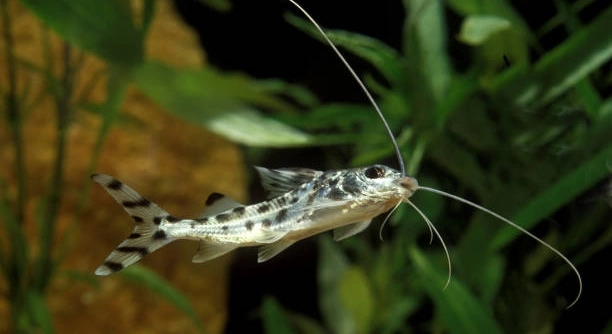
Setting up a tank can be exciting, but many people still believe common ideas that are not quite right. These myths often lead to unnecessary mistakes or frustrations. Understanding what’s true can make tank care easier and more enjoyable.
Many widely held beliefs about tank setups are based on misconceptions rather than facts. These myths can affect water quality, fish health, and equipment use, which may result in poor tank performance and unhappy aquatic life. Correcting these misunderstandings is essential for proper tank maintenance.
Clearing up these myths can improve your tank’s environment and help you avoid common pitfalls. The following points will guide you toward smarter tank care decisions.
Myth 1: Bigger Tanks Are Always Easier to Maintain
Many people think larger tanks are simpler to care for because they have more water volume. While it’s true bigger tanks can dilute waste better, they also require more time and resources for cleaning and water changes. A large tank means more equipment, more water to treat, and more space to monitor. For beginners, this can quickly become overwhelming. Additionally, bigger tanks take longer to cycle, which delays the time before adding fish safely. Smaller tanks, when managed correctly, can be easier to maintain and just as healthy for fish. The key is consistent care and understanding your tank’s specific needs, no matter the size.
Large tanks do offer more stability in water conditions but only if maintained properly. Size alone does not guarantee easy maintenance.
Choosing the right tank size depends on your commitment and space. Starting with a moderate-sized tank allows better control and learning opportunities. As your confidence grows, expanding to larger tanks becomes manageable and rewarding.
Myth 2: Fish Only Need Clean Water to Thrive
Many believe that as long as the water is clear, fish are healthy. Clear water does not always mean the water is safe or well-balanced. Fish need stable water parameters such as proper pH, temperature, and hardness. Sudden changes in these factors can stress fish even if the water looks perfect. Biological filtration, which helps break down waste, is also critical and can’t be judged by clarity alone. Neglecting water chemistry often leads to illness and poor growth. It’s important to test water regularly and understand what the numbers mean for your specific fish species. Clean water is a good start, but balanced water is the goal for thriving fish.
Myth 3: More Decorations Are Better for Fish
Too many decorations can limit swimming space and trap waste, making the tank harder to clean. Fish need open areas to swim freely as well as hiding spots. Balance is key.
Decorations should be chosen carefully to avoid overcrowding. They must be aquarium-safe, without sharp edges or toxic materials. Overloaded tanks reduce water circulation, which can cause dead zones where waste accumulates. This harms water quality and fish health. Simple, natural décor often works best, providing shelter and reducing stress without sacrificing space. Minimalism helps maintain the tank more easily and keeps fish comfortable.
Plants, rocks, and caves serve well as decorations when placed thoughtfully. They create a natural environment and improve tank aesthetics while supporting fish behavior. Avoid excess to keep your tank healthy and manageable.
Myth 4: Tap Water Is Not Safe for Any Aquarium Use
Tap water usually contains chlorine and other chemicals harmful to fish. However, treating it properly makes it safe for most tanks. Using water conditioners removes harmful elements and balances pH levels. Many tap water supplies are suitable for fish once treated correctly. Testing the water helps determine what adjustments are necessary before adding it to the tank.
Regularly testing and treating tap water is essential. Some fish require specific water conditions, so additional filtration or mineral additives may be needed. Using tap water is practical and affordable when managed properly, allowing you to maintain a healthy aquatic environment without relying solely on bottled or purified water.
Myth 5: All Fish Can Live Together Peacefully
Not all fish get along well. Some species are naturally aggressive or territorial. Mixing incompatible fish leads to stress and injuries.
Careful research on fish temperament and tank size is necessary before combining species. Peaceful fish require different companions than aggressive ones.
Myth 6: You Must Change All the Water Weekly
Changing all the water every week is unnecessary and can harm beneficial bacteria. Partial water changes keep the environment stable.
Maintaining 20-30% water changes every one to two weeks is enough for most tanks. This practice removes waste while preserving helpful bacteria crucial for breaking down toxins. Over-cleaning disrupts this balance and causes more harm than good.
Myth 7: Filters Should Run 24/7 Without Exception
Filters need to run continuously to keep the water clean and oxygenated. Turning them off regularly risks water quality and fish health.
Proper filtration supports biological, mechanical, and chemical processes in the tank. Keeping filters on ensures stable conditions for aquatic life.
FAQ
How often should I test my tank water?
Testing water weekly is a good routine, especially in new or heavily stocked tanks. Regular checks help catch problems early. Over time, testing frequency can decrease as you learn your tank’s behavior, but never skip it entirely.
What is the best way to cycle a new tank?
Cycling establishes beneficial bacteria that break down waste. Use a source of ammonia, like fish food or pure ammonia, and test water daily. Wait until ammonia and nitrite levels drop to zero before adding fish. This process usually takes 4 to 6 weeks.
Can I use tap water without a conditioner?
Most tap water contains chlorine or chloramine, which harms fish. Always use a water conditioner to neutralize these chemicals before adding water to your tank. Skipping this step risks fish health and water quality.
Is it okay to keep different species together?
Not all fish species are compatible. Some are aggressive or territorial and may attack others. Research fish behavior and tank size before mixing species to ensure a peaceful environment.
How much should I feed my fish?
Feed small amounts your fish can eat within 2 to 3 minutes, once or twice a day. Overfeeding causes water pollution and health problems. Remove uneaten food promptly.
Why is my water clear but fish look stressed?
Clear water doesn’t guarantee safe conditions. Water parameters like pH, temperature, and ammonia levels affect fish health. Test regularly and adjust conditions to suit your fish species.
How do I choose the right filter for my tank?
Select a filter rated for your tank size and type of fish. Filters provide mechanical, chemical, and biological filtration. A good filter improves water quality and oxygen levels, essential for healthy fish.
Should I clean the filter media?
Clean filter media gently using tank water during water changes to preserve beneficial bacteria. Avoid using tap water or harsh cleaning, which can kill helpful bacteria and disrupt the tank’s biological balance.
Is it necessary to have live plants in a tank?
Live plants help absorb nitrates, improve oxygen levels, and provide shelter. While not required, they support a healthier environment and natural behavior for fish.
How do I prevent algae growth?
Control light exposure and avoid overfeeding to reduce algae. Regular maintenance, including water changes and cleaning surfaces, keeps algae under control without harming the tank’s balance.
Can fish live without a heater?
Some fish tolerate room temperature water, but many tropical species need stable warmth. A heater ensures consistent temperature, preventing stress and illness.
What’s the best way to introduce new fish?
Acclimate new fish slowly to your tank water by floating the bag in the tank and gradually mixing tank water into the bag. This helps avoid shock from sudden changes in water conditions.
How often should I do water changes?
Partial water changes of 20-30% every one to two weeks are recommended. This removes waste and maintains stable water parameters without disturbing beneficial bacteria.
Can I use tap water for water changes?
Yes, but always treat tap water with a conditioner before adding it to the tank. Testing helps determine if further adjustments are needed.
Why do some fish hide all the time?
Fish may hide due to stress, poor water conditions, or aggressive tank mates. Providing proper hiding spots and maintaining good water quality helps reduce hiding behavior.
Final Thoughts
Setting up and maintaining a tank involves understanding the facts and ignoring common myths that can cause problems. Many mistakes happen because people follow advice that sounds good but is not accurate. Knowing the truth about tank size, water quality, fish compatibility, and equipment helps create a better environment for aquatic life. This knowledge leads to healthier fish, clearer water, and less frustration. Being informed allows you to make choices based on science rather than assumptions.
Tank care is a balance of several factors working together. Clean water is important, but it must also have the right chemistry to keep fish healthy. Filters, heaters, and decorations all play a role, but none can fix poor water conditions. Learning about each element’s function helps you use them effectively. Consistency in care, like regular water testing and partial water changes, is more important than doing big fixes suddenly. Small, steady steps keep the tank stable and fish happy.
Remember that each tank is unique. What works well for one setup may not suit another. Taking time to observe your tank and research the needs of your fish species is essential. Avoid overcrowding and keep things simple in the beginning. As you gain experience, you can adjust and improve your tank environment. Patience and attention to detail make all the difference in successful tank keeping. With the right information and care, you can enjoy a thriving, balanced aquarium.

Hello,
If you enjoy the content that we create, please consider saying a "Thank You!" by leaving a tip.
Every little bit helps us continue crafting quality advice that supports the health, happiness, and well-being of pets around the world, for pets of all shapes, sizes, and species.
We really appreciate the kindness and support that you show us!