
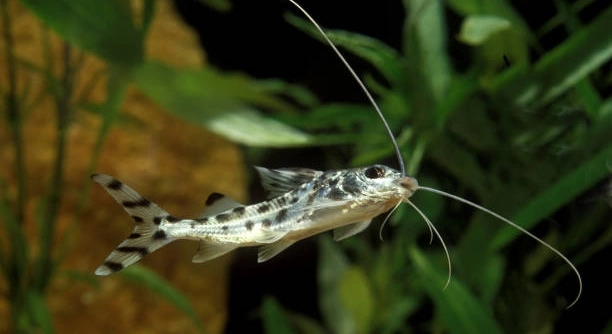
Do you ever find yourself frustrated with your pictus catfish acting strangely or hiding more than usual in your tank setup?
The most common reason your pictus catfish appears stressed is due to improper tank conditions. Factors like overcrowding, poor water quality, and incorrect substrate can all lead to chronic stress and health issues.
Understanding what causes stress in pictus catfish can help prevent serious problems. These common setup mistakes are often easy to fix once you know what to look for.
Tank Size Is Too Small
Pictus catfish are active swimmers and need plenty of room to move around. A small tank can lead to stress, aggression, and poor health. Many people start with a tank that’s far too small for these energetic fish. Pictus catfish grow up to five inches long and are best kept in groups, so the space needed quickly adds up. A minimum of 55 gallons is recommended, but bigger is better if you want to give them proper space. Smaller tanks also make it harder to maintain stable water quality, which only adds to the stress. These fish don’t do well in cramped or unstable environments. They’ll hide more often and may even stop eating. If you notice these signs, checking the tank size should be one of your first steps. Starting with the right size tank helps prevent many of the issues that come from crowding and poor circulation.
A cramped tank limits natural behavior, leading to stress and weakened immune systems. Over time, this can make your catfish sick or withdrawn.
A proper tank setup gives pictus catfish the space they need to swim, hide, and rest without bumping into tankmates or decorations. Fish that have room to move are more active, eat better, and behave naturally. It also gives you more options when it comes to layout, allowing for better filtration and more hiding spots. These things all work together to create a less stressful home. Always think long-term when choosing a tank size, especially if you’re planning to add more fish. Getting it right from the start saves time, money, and effort in the future. If you’re upgrading from a smaller tank, try moving everything slowly and keeping water parameters as stable as possible. Your fish will notice the change—and so will you.
Not Enough Hiding Spots
Pictus catfish are shy and need places to feel safe during the day. Without hiding spots, they become anxious and may act skittish or stay in corners.
Creating a tank that feels safe for your catfish is important. In their natural habitat, they hide under roots, rocks, and leaf litter to avoid predators. In a tank, this behavior continues. If they don’t have enough places to hide, they often stay stressed. You can use driftwood, PVC pipes, caves, and dense plants to build safe areas for them. Try placing these shelters near the bottom of the tank since that’s where they spend most of their time. Adding variety in shape and size gives them more options and lets them choose where to rest. If you’re housing more than one pictus catfish, having multiple hiding places helps avoid territorial behavior. A tank that feels secure allows your fish to relax and be more active when they’re ready to explore.
Water Flow Is Too Strong
Pictus catfish enjoy some current, but too much flow makes them anxious and exhausted. When the water is constantly pushing them around, they hide more and swim less.
If you’re using a strong filter, make sure the output isn’t blasting across the tank. Try using a spray bar or placing decorations to break the flow. Observe how your catfish behave—if they’re stuck in corners or avoiding certain areas, the current may be too strong. Even though these fish come from rivers, the flow in your tank should be gentle and controlled. Sudden bursts or uneven flow can also lead to injury if the fish get pushed into hard surfaces. Adjusting the filter position, adding plants, or using sponge filters can help ease the current. A balanced flow helps your catfish stay active without tiring them out.
Strong water flow affects more than behavior. It can impact feeding, waste distribution, and overall tank balance. If the current is too fast, food can scatter too quickly, making it hard for bottom dwellers like pictus catfish to eat. It also causes debris to settle in awkward places or float constantly, which disrupts filtration and cleanliness. Over time, this creates uneven water conditions that stress the fish. Too much movement also keeps them from resting properly. Even active fish need calm zones where they can relax. When you fine-tune the flow, you’ll notice a more even distribution of activity and calmer behavior from your catfish.
Tankmates Are Too Aggressive
Keeping pictus catfish with aggressive or overly active species creates constant stress. They do best with peaceful tankmates that respect their space and avoid chasing or crowding them.
Some fish nip at fins, outcompete for food, or constantly chase others around the tank. This causes pictus catfish to retreat into hiding and miss feeding time. Over time, stress lowers their immune system and leads to illness or erratic behavior. Avoid housing them with large cichlids, aggressive barbs, or fish known to bully others. Instead, look for peaceful bottom dwellers or mid-level swimmers that don’t compete for the same territory. Fish like angelfish, rasboras, or peaceful loaches often make good companions. It’s also important to consider the number of fish in the tank. Overcrowding creates tension, even among calm species. When selecting tankmates, always keep behavior, size, and feeding habits in mind to keep your pictus catfish comfortable and secure.
Bright Lighting With No Shade
Bright lights with no shaded areas can cause stress in pictus catfish. These fish are most active at night and prefer low light during the day to feel safe and calm.
Adding floating plants or placing tall decorations can help block some of the light. This creates darker spots where your catfish can rest.
Poor Substrate Choice
Sharp or rough substrate can damage the delicate undersides and barbels of pictus catfish. They constantly explore the bottom of the tank, so the surface needs to be smooth. Fine sand or rounded gravel works best. Avoid large, jagged rocks or coarse gravel that can lead to irritation or infection. Injuries to their sensitive feelers can affect how they find food and interact with the environment. A soft substrate also allows for more natural behavior like digging or sifting through the bottom. Keeping the substrate clean is just as important—trapped waste and debris can harm water quality and lead to health issues over time.
Water Parameters Are Unstable
Sudden changes in temperature, pH, or ammonia levels can stress pictus catfish quickly. Stability matters more than chasing perfect numbers, especially with sensitive species.
FAQ
How big should a tank be for pictus catfish?
A single pictus catfish needs at least a 55-gallon tank, but a larger tank is better if you’re keeping more than one. These fish are very active and need horizontal swimming space. A bigger tank also helps with stable water conditions, which is key to keeping stress levels down.
Can pictus catfish live alone?
Yes, they can live alone, but they do better in small groups of the same species. In the wild, pictus catfish often swim in loose schools. When kept alone, they can become shy or inactive. Just make sure the tank is large enough if you’re keeping more than one.
Are pictus catfish aggressive?
Pictus catfish are not aggressive, but they can get territorial if the tank is too small or lacks hiding spots. They usually avoid conflict but may chase slower fish during feeding. Give them enough space and keep them with peaceful tankmates to avoid issues.
Why is my pictus catfish hiding all the time?
Hiding is natural for pictus catfish during the day, but constant hiding may mean they are stressed. Common reasons include too much light, strong current, aggressive tankmates, or lack of hiding spots. Check your tank setup to see what could be causing the stress.
What should I feed my pictus catfish?
Pictus catfish are omnivores. They enjoy a mix of sinking pellets, frozen foods like bloodworms, and occasional live food. Feed them in the evening or at night since they’re more active then. Make sure food reaches the bottom, or they may not get enough to eat.
Can I keep pictus catfish with cichlids?
It depends on the cichlid species. Peaceful, medium-sized cichlids like keyholes may be okay. Avoid aggressive or territorial types like Oscars or Jack Dempseys. These can bully your catfish or outcompete them for food. Always monitor behavior closely if mixing species.
How can I tell if my pictus catfish is stressed?
Signs of stress include hiding all the time, loss of appetite, rapid breathing, clamped fins, and erratic swimming. Poor water conditions, tankmate aggression, or a loud environment can all cause stress. Regular water tests and quiet surroundings help maintain a calm tank.
Do pictus catfish need a heater?
Yes, they do. Pictus catfish come from warm rivers and need stable temperatures between 74–80°F. A heater keeps the water within this range. Sudden temperature drops can cause shock or illness, so always use a reliable heater and thermometer to monitor the tank.
Are pictus catfish good for beginners?
They can be, but only if you’re ready for the care they require. They need a large tank, clean water, and the right setup. Beginners with experience in basic fishkeeping may do well with them, but they’re not ideal for someone starting with a small tank.
How often should I clean the tank?
Partial water changes (around 25%) should be done weekly. Use a gravel vacuum to remove waste and uneaten food. Check filter flow and clean filter media as needed—usually every 2–4 weeks. Regular maintenance helps avoid water quality problems that stress your catfish.
Final Thoughts
Pictus catfish are active, interesting fish that bring a lot of movement to a freshwater tank. But they do need the right environment to stay healthy and stress-free. Many of the common setup mistakes—like keeping them in a small tank, using the wrong substrate, or placing them with aggressive tankmates—can easily be avoided with a bit of planning. Once their basic needs are met, pictus catfish are hardy and can live long, active lives. Watching them explore the tank and interact with their surroundings is much more rewarding when they feel secure and comfortable.
Every small choice in your setup plays a role in your catfish’s health. From the type of filter and water flow to lighting and hiding spots, it all adds up. These fish are sensitive to sudden changes, so stability is key. It’s not just about keeping them alive—it’s about giving them a quality environment where they can show natural behaviors. That means regular maintenance, thoughtful placement of tank décor, and keeping an eye on water parameters. If something seems off, don’t wait too long to make small changes. Stress builds over time and can lead to bigger issues if left unaddressed.
Even though pictus catfish require some special care, the effort is worth it. Once you learn their preferences and habits, it becomes easier to spot when something isn’t right. Paying attention to their behavior helps you catch problems early. These fish don’t always show signs of stress in obvious ways, so it’s important to stay consistent with their care. If you take the time to provide a proper tank, they’ll reward you with their energy and charm. A stable, peaceful environment is the best way to let your pictus catfish thrive.

Hello,
If you enjoy the content that we create, please consider saying a "Thank You!" by leaving a tip.
Every little bit helps us continue crafting quality advice that supports the health, happiness, and well-being of pets around the world, for pets of all shapes, sizes, and species.
We really appreciate the kindness and support that you show us!