
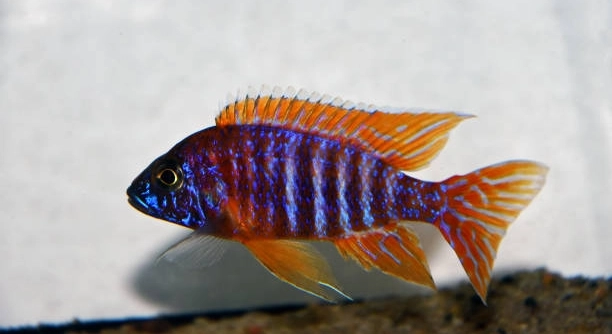
Do you love keeping cichlids but notice they sometimes seem restless or stressed in your tank? Many aquarists face similar challenges when trying to create a healthy and balanced environment for their fish.
Cichlids often experience stress due to improper tank setups, including overcrowding, inadequate filtration, unsuitable water parameters, and insufficient hiding spaces. Each of these factors can negatively impact their health, behavior, and overall well-being, requiring careful attention to their environment.
Learning about common mistakes in tank setup can make a big difference. Proper adjustments will help your cichlids thrive and reduce unnecessary stress in their daily life.
Overcrowding the Tank
Overcrowding is one of the most common mistakes when setting up a cichlid tank. Too many fish in a limited space increases stress levels and aggression among tankmates. Each cichlid requires personal territory, and when these boundaries are ignored, fights can break out, leading to injuries or even death. Overcrowding also affects water quality, as higher waste production overwhelms filtration systems, resulting in elevated ammonia and nitrate levels. This can cause health problems like fin rot, skin issues, or weakened immunity. Even if your tank appears large, consider the adult size of each species and their activity level. Planning for enough space ensures cichlids can swim freely, hide, and establish their own territories. Decorations and rocks can help, but they do not replace adequate swimming space. Observing fish behavior is important; constant chasing or hiding indicates the tank is too crowded. A proper balance between population and tank size promotes a peaceful and healthy environment for all cichlids.
Limiting the number of fish and carefully planning tank size reduces aggression, keeps water quality stable, and promotes healthier fish behavior.
Providing enough space also helps cichlids show natural behaviors. They will swim, dig, and explore more confidently, making them less stressed and more visually active. A spacious tank creates an environment closer to their natural habitats, reducing territorial disputes and creating a calmer atmosphere. Overcrowding limits these behaviors, increasing stress and vulnerability to disease. Carefully calculating how many fish your tank can comfortably support is essential. This includes considering growth, adult size, and compatible species. Adding hiding spots and visual barriers further minimizes conflicts. Even minor adjustments, like removing one or two fish or rearranging decorations, can greatly improve harmony. Observing the tank regularly helps catch early signs of stress. Ensuring space and comfort for cichlids supports long-term health, encourages natural behavior, and allows the tank to remain stable, clean, and visually appealing.
Poor Water Quality
Poor water quality is a major factor that stresses cichlids. Dirty water with high ammonia, nitrites, or nitrates affects their health and activity levels.
Maintaining clean water requires regular testing, water changes, and reliable filtration systems. Neglecting these basics can quickly lead to disease or abnormal behavior.
Cichlids are sensitive to fluctuations in water parameters. Ammonia and nitrite spikes can damage gills and internal organs, while elevated nitrate levels weaken immune systems, making them more susceptible to infections. Filtration alone is not enough; regular partial water changes are necessary to keep toxins low. pH and hardness must match the species’ natural requirements, as deviations cause stress and reduce appetite. Temperature consistency is also critical—sudden changes can shock the fish and trigger aggressive or withdrawn behavior. Using a water testing kit, monitoring levels frequently, and adjusting as needed ensures a stable and healthy tank environment. Providing clean, stable water allows cichlids to thrive, reduces stress, and prevents long-term health issues. Small efforts like timed water changes and careful observation make a noticeable difference in their well-being.
Inadequate Hiding Spaces
Cichlids need places to hide to feel secure. Without enough caves, rocks, or plants, they become stressed, which can increase aggression and reduce appetite.
Providing sufficient hiding spots helps reduce tension between territorial fish. Rocks, driftwood, and plants create visual barriers, giving shy fish a place to retreat and reducing direct conflicts. In open tanks, dominant cichlids often chase others relentlessly, which increases stress and can cause injuries. Arranging decorations to form multiple zones allows each fish to establish its own territory. Even simple PVC tubes or small caves can make a big difference. Hiding spaces also mimic natural environments, helping fish behave normally and encouraging breeding behavior in certain species. Observing how fish use these spaces can guide adjustments to improve comfort and reduce stress in the tank.
Hiding areas allow cichlids to feel safe, helping them explore and interact more confidently. They recover from minor stress faster and show healthier behaviors over time.
When planning the tank, consider both vertical and horizontal space. Some cichlids prefer burrows, while others enjoy tall structures. Plants not only offer shelter but also improve water quality by absorbing excess nutrients. Rocks and wood should be securely placed to prevent accidents, as falling structures can harm fish. Mixing open swimming areas with multiple hiding spots balances territory and freedom, reducing stress-related aggression. The tank should feel natural, offering visual complexity without overcrowding. Observing fish behavior over time can show whether current hiding spaces are sufficient or if more adjustments are needed. A well-structured tank encourages activity, reduces conflicts, and supports long-term health for all cichlids.
Incorrect Diet
Feeding cichlids the wrong diet can lead to malnutrition and stress. A lack of variety or inappropriate food types affects growth and energy.
Cichlids require a balanced diet, including protein, vegetables, and occasional treats. Overfeeding or underfeeding disrupts digestion and water quality, increasing stress.
Different cichlid species have specific dietary needs. Herbivorous species need more plant matter, while carnivorous types require protein-rich foods. Feeding only flakes or pellets may not provide essential nutrients, leading to weakened immunity or poor coloration. Overfeeding contributes to water pollution, as uneaten food decomposes, raising ammonia and nitrate levels, which further stresses fish. Rotating food types, offering frozen or live options, and supplementing with vegetables ensures proper nutrition. Portion control is also important—feeding small amounts multiple times a day mimics natural feeding habits and prevents bloating or digestive issues. Monitoring fish during feeding helps identify appetite changes or health concerns early. A correct diet supports growth, reduces stress, and keeps cichlids active and vibrant in the tank.
Incompatible Tank Mates
Mixing aggressive cichlids with peaceful species often leads to constant stress and injuries. Conflicts over territory and food become common, creating a tense environment.
Research each species’ temperament before adding them together. Keeping compatible fish reduces aggression, ensures better feeding opportunities, and helps maintain a calmer, healthier tank.
Poor Tank Maintenance
Neglecting regular cleaning and water changes allows waste and debris to build up. This harms water quality and stresses fish, affecting their health and behavior. Consistent maintenance prevents ammonia spikes, keeps filters effective, and supports stable conditions.
Overuse of Decorations
Too many rocks, plants, or ornaments can restrict swimming space. Crowded tanks prevent cichlids from establishing territories and moving freely, increasing stress.
FAQ
What is the best tank size for cichlids?
The ideal tank size depends on the species, but generally, larger tanks reduce stress and aggression. A 55-gallon tank is suitable for most medium-sized cichlids, while larger species may need 75 gallons or more. Providing ample space helps fish establish territories and swim freely.
How often should I change the water?
Regular water changes are essential to maintain healthy conditions. Typically, changing 20–30% of the water weekly keeps ammonia, nitrite, and nitrate levels low. Over time, partial water changes prevent toxins from building up and reduce the chance of disease.
What type of filtration is best for cichlids?
Strong filtration is necessary because cichlids produce a lot of waste. Canister filters or high-quality hang-on-back filters work well. Ensure the flow is not too strong for smaller or less active species, while still keeping water clean and oxygenated.
How can I tell if my cichlids are stressed?
Signs of stress include hiding constantly, reduced appetite, unusual aggression, rapid gill movement, or clamped fins. Fish may also swim erratically or pale in color. Observing these behaviors early allows adjustments to improve tank conditions before serious health issues arise.
Can I keep multiple cichlid species together?
Some species can coexist, but careful selection is necessary. Avoid mixing highly aggressive species with more peaceful ones. Research each fish’s temperament, adult size, and territorial needs to minimize conflict and stress in the tank.
What is the best diet for cichlids?
Cichlids need a varied diet based on their species. Herbivores need plant-based foods like spirulina and vegetables. Carnivores require protein-rich foods like pellets, frozen shrimp, or small insects. Feeding small portions several times a day helps digestion and reduces waste accumulation in the tank.
How important are hiding spots?
Hiding spots are critical. Cichlids need places to retreat, especially during territorial disputes or when stressed. Rocks, caves, driftwood, and plants give fish a sense of security. Properly placed hiding spots also encourage natural behavior and reduce aggression.
What water parameters are ideal for cichlids?
Parameters vary by species. Many African cichlids prefer a pH of 7.5–8.5 and moderately hard water, while South American species prefer softer, slightly acidic water around 6.5–7.0. Temperature should remain stable between 75–82°F, depending on the species. Consistency reduces stress and keeps fish healthy.
How do I prevent algae growth?
Algae growth is normal but should be controlled. Avoid overfeeding, maintain proper lighting schedules, and keep water clean with regular changes. Adding algae-eating fish or snails can help. Excessive algae indicates water quality issues that need attention.
What should I do if aggression occurs?
If aggression becomes severe, check tank size, hiding spaces, and compatibility. Rearranging decorations, adding dividers, or separating aggressive individuals can restore balance. Observing behavior regularly helps prevent long-term stress and injuries.
How often should I test water quality?
Test water at least once a week for ammonia, nitrites, nitrates, pH, and hardness. Frequent testing helps detect problems early, allowing timely adjustments. Stable water parameters are key to reducing stress and supporting healthy cichlids.
Can cichlids breed in a community tank?
Some species may breed if conditions are right, but overcrowding or aggressive tankmates can prevent spawning. Providing proper hiding spaces and maintaining water quality increases the chances of successful breeding. Monitor carefully, as fry may need protection from adult fish.
Are there signs of illness I should watch for?
Common signs include white spots, frayed fins, bloating, lethargy, or rapid breathing. Early detection is critical. Quarantine new fish, maintain clean water, and provide proper nutrition to reduce disease risk and keep your cichlids healthy.
What is the role of decorations besides hiding spots?
Decorations also help establish territories, reduce direct sightlines between aggressive fish, and make the tank visually appealing. Arranging rocks, caves, and plants thoughtfully encourages natural behavior and reduces stress throughout the tank.
How can I reduce stress during water changes?
Use a siphon to remove debris gently, avoid sudden temperature changes, and add water slowly to match tank conditions. Performing changes at a consistent schedule and avoiding large, abrupt alterations minimizes stress and maintains a stable environment.
Is it necessary to cycle a tank before adding cichlids?
Yes. Cycling establishes beneficial bacteria that break down ammonia and nitrites, which are toxic to fish. A fully cycled tank ensures a safer environment, reduces early mortality, and supports long-term health for your cichlids.
How do I handle cichlids during tank maintenance?
Move fish gently using a soft net or temporary container. Avoid stressing them with rough handling. Performing maintenance in sections and keeping environmental changes minimal helps prevent unnecessary stress or injury.
What are common mistakes beginners make with cichlids?
Common mistakes include overstocking, poor water quality, inadequate hiding spaces, improper diet, and incompatible tankmates. These issues increase stress and affect fish health. Learning proper care, observing behavior, and maintaining stable conditions prevents most problems and ensures thriving cichlids.
How long can cichlids live in captivity?
With proper care, many cichlid species live 8–15 years or longer. Maintaining water quality, diet, and a stress-free environment significantly contributes to their longevity, allowing them to display natural behaviors and vibrant coloration over time.
Can stress affect cichlid coloration?
Yes. Stressed cichlids often lose bright colors or develop dull patches. Reducing stress through proper tank setup, diet, and water quality helps maintain their natural coloration and overall health.
What is the best way to introduce new cichlids?
Quarantine new fish first to prevent disease. Introduce them slowly and monitor behavior. Adjust decorations or provide extra hiding spots to reduce aggression. Proper introductions help maintain harmony and minimize stress for all fish in the tank.
How do I manage aggressive dominant fish?
Provide more hiding spaces, rearrange decorations, or separate the dominant individual if needed. Avoid overcrowding, and ensure compatible tankmates. Observing interactions daily allows timely interventions before injuries occur. Proper management keeps the tank balanced and reduces overall stress.
Can temperature fluctuations stress cichlids?
Yes. Sudden temperature changes shock fish, increasing vulnerability to illness and aggression. Maintain stable, species-appropriate temperatures with a reliable heater or thermometer. Consistent temperature supports metabolism, feeding, and overall well-being.
How important is observation in preventing stress?
Daily observation helps detect early signs of illness, aggression, or stress. Noticing changes in behavior, appetite, or appearance allows quick adjustments, improving fish health and maintaining a stable tank environment for all cichlids.
What are signs that water chemistry is off?
Cloudy water, algae blooms, unusual fish behavior, or rapid breathing indicate potential water chemistry problems. Regular testing and prompt corrective measures maintain healthy conditions, preventing stress and supporting long-term fish health.
Can lighting affect cichlid stress?
Lighting influences behavior and day-night cycles. Excessive brightness or long periods of light increase stress. Mimicking natural lighting patterns with timers and moderate intensity creates a calmer environment and supports natural activity patterns.
How do I prevent territorial disputes?
Provide ample space, hiding spots, and visual barriers. Avoid overcrowding and keep compatible species together. Proper tank setup reduces direct competition, allowing cichlids to establish territories without constant conflict, lowering stress and aggression.
What should I do if a fish is injured?
Isolate the injured fish in a quarantine tank if possible. Monitor for infection, maintain clean water, and provide appropriate treatment. Quick action prevents further complications and helps the fish recover safely.
How do I handle sudden behavioral changes?
Behavioral changes often indicate stress or illness. Check water parameters, diet, tankmates, and environmental conditions. Early adjustments prevent worsening health issues and help maintain a stable, comfortable habitat for all cichlids.
How do I choose compatible cichlid species?
Research adult size, temperament, and territorial needs. Avoid mixing aggressive with peaceful species. Providing adequate space, hiding spots, and similar environmental requirements ensures a calmer tank and reduces stress for all fish.
Is tank size the only factor in reducing stress?
No. While tank size is important, hiding spaces, water quality, diet, compatible species, and stable conditions are equally critical. A holistic approach ensures cichlids remain healthy, vibrant, and stress-free.
How often should I feed cichlids?
Feed small portions 1–3 times daily depending on species and age. Avoid overfeeding, which pollutes water, and underfeeding, which causes malnutrition. Consistent feeding schedules reduce stress and support natural behaviors.
Can stress shorten a cichlid’s lifespan?
Yes. Chronic stress weakens immunity, increases disease susceptibility, and reduces vitality. Proper tank setup, compatible tankmates, balanced diet, and stable water conditions help ensure a longer, healthier life for cichlids.
How do I prevent overcrowding in a community tank?
Calculate the adult size and territorial needs of each species before adding fish. Avoid exceeding the tank’s capacity. Proper planning reduces stress, aggression, and water quality issues.
What are the most common stress triggers in cichlids?
Overcrowding, poor water quality, lack of hiding spots, incompatible tankmates, improper diet, and sudden environmental changes are the main stress triggers. Addressing these factors prevents health problems and promotes calm behavior.
Can changing tank decorations stress cichlids?
Yes. Sudden rearrangements can disrupt territories and increase aggression. Make changes gradually and observe how fish respond to maintain a stable and comfortable environment.
How do I maintain a balanced ecosystem in a cichlid tank?
Regular water testing, partial water changes, careful feeding, compatible species, and thoughtful decorations create balance. Monitoring fish behavior ensures stability and minimizes stress, keeping the ecosystem healthy and thriving.
What should I do if multiple fish show stress signs simultaneously?
Check water quality, tank size, diet, and compatibility first. Addressing environmental issues, increasing hiding spots, or separating aggressive individuals helps restore balance and reduces overall stress.
How important is tank location?
Place the tank in a quiet area away from sudden movements, loud noises, or direct sunlight. A stable, calm environment reduces stress and supports natural behavior patterns for cichlids.
Can over-cleaning cause stress?
Yes. Excessive scrubbing or changing too many decorations at once can disrupt established territories and beneficial bacteria. Moderate cleaning preserves stability and prevents unnecessary stress.
How do I ensure long-term cichlid health?
Maintain proper tank size, water quality, diet, hiding spaces, and compatible species. Regular observation and consistent care prevent stress, reduce disease risk, and support vibrant, healthy fish over many years.
Is it necessary to quarantine new fish every time?
Quarantining new arrivals protects existing fish from disease and parasites. A two-week quarantine period is recommended, with observation for abnormal behavior or health issues before introducing them to the main tank.
How can I make my cichlids more comfortable?
Provide stable water, hiding spots, compatible tankmates, and appropriate food. Observing behavior and making gradual adjustments ensures a stress-free, healthy environment where fish can thrive naturally.
Can stress cause sudden death in cichlids?
Yes. Severe or prolonged stress weakens the immune system, making fish vulnerable to disease or sudden health decline. Preventing stress through proper care and monitoring is essential for survival.
How do I monitor water chemistry effectively?
Use reliable test kits weekly to measure ammonia, nitrites, nitrates, pH, and hardness. Track results over time and adjust as needed to maintain stable, healthy conditions that minimize stress for cichlids.
What is the most overlooked factor in reducing stress?
Consistency. Sudden changes in water, temperature, tankmates, or decorations increase stress. Maintaining stable conditions, along with proper diet and space, has the greatest impact on cichlid health.
Can adding live plants help reduce stress?
Yes. Live plants provide hiding spots, absorb excess nutrients, and create a natural environment. They reduce aggression and encourage natural behaviors, contributing to a calmer, healthier tank.
How important is regular observation?
Daily observation allows early detection of stress, illness, or aggression. Prompt adjustments prevent serious problems, maintain stable conditions, and ensure all cichlids remain healthy and active.
What should I do if I notice unusual behavior?
Investigate water quality, tankmates, diet, and environmental conditions. Addressing the cause quickly reduces stress and prevents long-term health issues, helping fish return to normal activity.
How do I choose the right filtration system?
Select a filter rated for your tank size, capable of handling high waste, and adjustable to avoid strong currents for smaller or less active species. Regular cleaning ensures consistent performance.
Can stress affect breeding?
Yes. Stressed cichlids may avoid spawning, neglect eggs, or become aggressive toward fry. Stable water, proper diet, hiding spots, and compatible tankmates encourage successful breeding.
How can I tell if hiding spots are sufficient?
Observe fish behavior. Constant chasing, overcrowding, or hiding in the same areas indicates more shelters are needed. Adjust rocks, caves, or plants to create multiple retreat zones.
Are there quick fixes for stressed cichlids?
Short-term fixes include partial water changes, adding hiding spots, removing aggressive fish, or adjusting temperature gradually. Long-term care focuses on stable conditions, diet, and compatible tankmates.
What is the recommended water temperature range?
Most tropical cichlids thrive between 75–82°F. Consistency is crucial. Sudden shifts, even a few degrees, can trigger stress, illness, or aggression.
How do I deal with fin nipping?
Identify aggressive individuals and ensure sufficient space and hiding spots. Rearranging decorations or separating fish reduces stress and prevents injuries. Maintaining water quality also supports healing.
Is overcrowding the main stress factor?
Overcrowding is significant, but combined with poor water quality, lack of hiding spaces, and incompatible tankmates, it contributes heavily to stress. Addressing all factors is essential for a healthy environment.
How often should I inspect equipment?
Weekly inspection of filters, heaters, and pumps ensures proper function. Faulty equipment can destabilize water conditions, increase stress, and harm cichlids.
What is the ideal pH range for most cichlids?
African cichlids prefer 7.5–8.5, while South American species favor 6.5–7.0. Maintaining stable pH reduces stress, supports metabolism, and encourages natural behavior.
How do I prevent bullying in a cichlid tank?
Provide enough space, hiding spots, and compatible species. Avoid overcrowding and monitor behavior. Intervene if aggression escalates to protect weaker fish and maintain harmony.
Can water hardness affect stress levels?
Yes. Hardness outside a species’ preferred range affects osmoregulation, causing stress. Test water and adjust gradually using minerals or softening methods as needed.
Should I separate fish during illness?
Yes. Quarantining sick fish prevents disease spread and allows targeted treatment. Maintaining optimal water quality aids recovery and reduces stress on both sick and healthy fish.
How important is tank stability?
Stability is critical. Sudden changes in water parameters, temperature, or tank arrangement trigger stress and disease. Gradual adjustments and consistent care ensure a calm, healthy environment for cichlids.
What is the role of observation in feeding?
Monitoring feeding ensures all fish receive proper nutrition, prevents overfeeding, and identifies appetite changes, which may indicate stress or illness. Adjust portions and food types based on observation.
How do I know if my cichlids are happy?
Active swimming, vibrant coloration, normal appetite, and exploration indicate well-being. Reduced aggression, minimal hiding, and natural behaviors show that stress levels are low.
Can tankmates affect diet and stress?
Yes. Aggressive fish may outcompete others for food, causing stress and malnutrition. Ensuring compatible species and proper feeding techniques reduces competition and supports health.
What is the recommended filtration maintenance schedule?
Clean mechanical filters weekly, rinse bio-media monthly, and check pumps regularly. Proper maintenance ensures efficient filtration, stable water quality, and minimal stress for cichlids.
How do I handle stress after tank rearrangements?
Introduce changes gradually, monitor fish closely, and add extra hiding spots. Stability over several days allows fish to adapt, reducing aggression and stress.
Are smaller tanks more stressful?
Yes. Limited space increases territorial disputes, overcrowding effects, and water quality fluctuations. Larger tanks with thoughtful design reduce stress and support natural behavior.
How can I tell if cichlids are overfed?
Uneaten food, bloated bellies, sluggish behavior, or poor water quality indicate overfeeding. Adjust portions and feeding frequency to prevent health and stress issues.
Do all cichlids need the same environment?
No. African and South American species have different water chemistry, diet, and space requirements. Tailoring the tank to species needs reduces stress and ensures proper growth and health.
What is the effect of sudden tank movements?
Sudden vibrations, tapping, or moving the tank can startle cichlids, triggering stress, hiding, or aggression. Stable placement and minimal disturbance protect their well-being.
How do I manage multiple dominant fish?
Provide more space, hiding spots, and visual barriers. Rearrange territories or separate the most aggressive individuals. Regular observation ensures balance and prevents injuries.
Is lighting too bright stressful?
Yes. Excessive light intensity or duration can increase stress, reduce hiding, and alter natural behavior. Moderate, consistent lighting mimics day-night cycles, supporting calm activity.
How do I prevent stress during water testing?
Test gently, avoid rapid changes, and keep equipment clean. Perform testing efficiently without disturbing the fish, ensuring accurate readings and minimal stress.
Can stress be reversed?
Yes. Improving water quality, tank setup, diet, and compatibility reduces stress over time. Fish gradually return to normal behavior and coloration with consistent care.
How do I prevent aggressive feeding behavior?
Feed in multiple locations, offer appropriate portions, and ensure hiding spots to reduce competition. Balanced feeding minimizes stress and prevents weaker fish from being bullied.
What role does tank cover play in stress reduction?
A secure cover reduces sudden disturbances, prevents jumping, and provides a sense of security. Stable environmental conditions and protection from outside activity lower stress levels.
How can I tell if my tank is too crowded?
Constant
Caring for cichlids requires attention to several important factors that affect their well-being. Overcrowding, poor water quality, and a lack of hiding spaces are the most common causes of stress in these fish. Each cichlid needs enough space to establish a territory and move freely without constant interference from others. When tanks are too small or overstocked, fish become aggressive or withdrawn, and stress levels rise quickly. Proper tank size, combined with thoughtful decoration and placement of hiding spots, helps create a more comfortable environment. This allows cichlids to display natural behaviors such as exploring, digging, or resting without fear of harassment. Observing the way fish interact in the tank can indicate whether adjustments are necessary, whether that means reducing the number of fish or adding more visual barriers and shelters.
Water quality is another critical aspect of cichlid care. Ammonia, nitrites, and nitrates must be kept at safe levels through regular water testing and partial water changes. Filtration plays a key role in maintaining stable water parameters, but it cannot replace routine maintenance. Even minor fluctuations in pH, hardness, or temperature can increase stress, reduce appetite, and affect immune function. Feeding is also essential for maintaining healthy fish. A balanced diet tailored to each species’ needs ensures proper growth and vitality. Overfeeding or providing an inappropriate diet can harm water quality and lead to digestive issues, both of which increase stress. By paying attention to water parameters, feeding routines, and environmental stability, it is possible to prevent many common problems before they occur, keeping cichlids healthy and active.
Finally, the social and environmental aspects of a cichlid tank should not be overlooked. Incompatible tankmates, sudden changes in tank layout, or excessive handling can all contribute to stress. Providing consistent conditions, compatible species, and adequate hiding spots allows cichlids to feel secure and reduces aggression. Daily observation helps detect early signs of stress or illness, so problems can be addressed promptly. Simple steps, such as adjusting tank decorations gradually, maintaining a stable light cycle, and monitoring behavior during feeding, all contribute to a calmer, healthier environment. By focusing on these key areas—space, water quality, diet, and social balance—cichlid owners can ensure their fish live longer, healthier lives and display the natural behaviors that make them fascinating to keep. Consistent care and attention are the most reliable ways to reduce stress and maintain a thriving aquarium.

Hello,
If you enjoy the content that we create, please consider saying a "Thank You!" by leaving a tip.
Every little bit helps us continue crafting quality advice that supports the health, happiness, and well-being of pets around the world, for pets of all shapes, sizes, and species.
We really appreciate the kindness and support that you show us!