
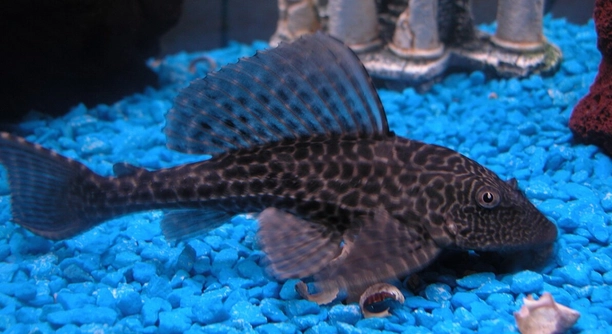
Setting up the perfect tank for a Plecostomus requires more than just placing water and decor. Many tank setup mistakes can harm these fish, impacting their health and well-being. Understanding these errors is crucial.
Common mistakes such as improper water parameters, insufficient hiding spots, and wrong substrate can cause stress or illness to your Plecostomus. These errors can reduce their lifespan, hinder growth, and prevent them from thriving in their environment.
Addressing these mistakes early on ensures a healthier environment for your Plecostomus.
Incorrect Water Parameters
Maintaining proper water parameters is one of the most common mistakes made by tank owners. Plecostomus are sensitive to changes in water quality, and any fluctuation in pH, hardness, or temperature can lead to stress or illness. For example, a high ammonia level can be toxic to them, while incorrect pH can affect their ability to digest food properly. Regular testing and water changes are essential to keep the tank environment stable.
Even minor errors, such as neglecting water changes or not monitoring the filter, can throw off water parameters. Plecostomus are particularly vulnerable to poor water conditions, as they require a clean, stable environment. Frequent testing for ammonia, nitrites, and nitrates is crucial for their health.
To prevent these issues, it’s important to ensure a reliable filtration system and carry out regular maintenance. A stable water environment helps your Plecostomus thrive and minimizes the risk of illnesses that arise from poor water quality.
Inadequate Hiding Spots
Plecostomus are naturally nocturnal and enjoy hiding during the day. Without enough hiding spaces, they may become stressed or even damaged. Providing various caves or driftwood ensures they have a sense of security.
A variety of hiding spots allows your Plecostomus to retreat whenever they feel the need for rest or safety. Too few hiding places can lead to excessive stress, weakening their immune system. Creating an environment where they feel safe promotes healthier behavior and longer-lasting vitality.
Hiding spots also contribute to their well-being by offering an opportunity for them to express their natural instincts. Properly setting up your tank by including these elements is vital for your Plecostomus to feel secure and less prone to stress-related health issues.
Wrong Substrate
Choosing the wrong substrate for your Plecostomus can lead to various issues. Substrates like gravel with sharp edges can injure their sensitive underside, while too fine of a substrate can trap waste and harm water quality. Opt for a smooth, medium-sized substrate for safe and effective use.
A good substrate not only provides a comfortable surface but also helps with biological filtration. Sand or smooth gravel allows your Plecostomus to move around without injury. A suitable substrate prevents debris from accumulating, which helps maintain cleaner water. This is essential for the health of your fish.
When selecting the right substrate, consider both the size and texture. A substrate that’s too rough can cause abrasions, and one that’s too fine can suffocate beneficial bacteria. Choosing the right material will ensure a cleaner environment, reduce stress, and support healthy behavior in your Plecostomus.
Overcrowding the Tank
Overcrowding the tank is a mistake that often leads to stress, disease, and poor water quality. Plecostomus require adequate space to grow and thrive, and when they are cramped, their behavior and health can deteriorate. Avoid cramming multiple species in a small tank.
Plecostomus need room to swim and explore. If there are too many fish in the tank, the water becomes polluted more quickly, and the tank’s filtration system may not be able to keep up. This leads to dangerous water conditions, which can cause stress and illness. Adequate space allows Plecostomus to behave naturally and avoids territorial disputes with other tank mates.
A general rule is to provide at least 20 gallons of water for each adult Plecostomus. Giving them space reduces stress, prevents aggression, and supports their overall health. Keeping your tank population balanced helps ensure a stable, healthy environment for your fish.
Overfeeding
Overfeeding can be harmful to your Plecostomus. Excess food leads to poor water quality, which can cause stress and health issues. It’s important to feed your Plecostomus the right amount, ensuring they consume what they need without excess waste building up.
Overfeeding can also cause obesity in Plecostomus, which leads to further health complications. Uneaten food quickly decays in the tank, negatively affecting water parameters. Monitor their eating habits and remove any uneaten food after a few minutes. This helps maintain clean water and prevents unnecessary stress from overfeeding.
Keeping a feeding schedule and offering the right portions ensures your Plecostomus stays healthy without the risk of overfeeding. It’s better to feed smaller amounts more frequently than one large meal.
Incompatible Tank Mates
Choosing incompatible tank mates can result in aggression or stress. Plecostomus are peaceful but may struggle with overly aggressive fish. Select tank mates that won’t challenge their calm nature or invade their personal space.
Plecostomus may become stressed if placed with overly aggressive fish or ones that compete for food. Choose peaceful, non-territorial fish that won’t disrupt the Plecostomus’ environment. Ensuring all tank mates are compatible minimizes stress and promotes a healthier tank dynamic. This prevents issues like hiding or failure to eat, which can affect your Plecostomus’ health.
Inconsistent Lighting
Lighting can have a significant impact on the health of your Plecostomus. Too much light can cause stress, while too little can disrupt their natural behaviors. Ensure that the tank has a proper day-night cycle with consistent, moderate lighting.
Proper lighting provides your Plecostomus with a clear distinction between day and night, which helps regulate their natural sleep cycles. Bright lights during the day are fine, but a dark period is essential for their health. Consistent lighting helps reduce stress and ensures your Plecostomus remains comfortable and active during the right times.
FAQ
What is the ideal tank size for a Plecostomus?
A Plecostomus requires a minimum of a 75-gallon tank. While they start small, they can grow up to 24 inches long. Larger tanks give them the space they need to thrive and reduce stress. A cramped tank can cause health problems, including stunted growth and territorial disputes. When choosing a tank, consider not only the Plecostomus’ current size but also its potential growth.
Can I keep multiple Plecostomus in the same tank?
Yes, you can keep multiple Plecostomus in the same tank, but the tank must be large enough to accommodate them. They are territorial, especially as they grow, so having enough space is crucial. Multiple Plecostomus in a small tank can lead to aggression and stress. If you plan to keep more than one, ensure the tank size is appropriate, ideally 100 gallons or more for two or more Plecostomus.
What type of filter is best for a Plecostomus tank?
A powerful filter is necessary for a Plecostomus tank. Plecos are messy eaters, and their waste can quickly degrade water quality. An external canister filter is often the best choice as it provides thorough filtration, handles large volumes of water, and can be hidden out of sight. Be sure to choose a filter with sufficient capacity for the tank size, ensuring water stays clean and healthy for your fish.
How often should I clean the tank for a Plecostomus?
Cleaning the tank regularly is important, but you don’t need to do a full clean every week. Perform partial water changes, about 25% every 2-3 weeks. This keeps the water fresh without disturbing the biological filtration. A full clean can be done every 4-6 weeks, which includes cleaning the filter and removing excess debris. Be mindful of not over-cleaning, as this can disrupt the tank’s balance.
What should I feed my Plecostomus?
Plecostomus are primarily herbivores and benefit from a diet that includes algae wafers, fresh vegetables, and occasional protein sources. Foods like zucchini, cucumber, and spinach are great for them. You can also offer occasional protein-based foods like shrimp or bloodworms. Ensure they have access to driftwood, which aids in their digestion and provides them with necessary fiber.
Do Plecostomus need driftwood in their tank?
Yes, Plecostomus require driftwood in their tank. It’s essential for their digestive health, providing both fiber and a place to graze. Driftwood also gives them a sense of security, offering a hiding spot where they can rest. Over time, Plecos will nibble on the wood, which mimics their natural diet in the wild.
Can Plecostomus live with other fish?
Plecostomus are peaceful fish and can live with many species, but you need to choose tank mates carefully. Avoid aggressive fish or species that might compete for food, as this can lead to stress. Good tank mates include tetras, guppies, and peaceful cichlids. Be sure the other fish are not small enough to be seen as food, as Plecos will occasionally eat small fish.
How long do Plecostomus live in a tank?
With proper care, a Plecostomus can live up to 10-15 years in captivity. Their lifespan depends on water quality, diet, tank size, and overall care. Regular maintenance, proper feeding, and ensuring they have enough space are key to helping your Plecostomus live a long and healthy life.
Do Plecostomus require a heater?
Plecostomus are tropical fish, and they do require a heater in most cases. They thrive in temperatures between 75°F and 82°F (24°C to 28°C). Keep the water within this range to prevent stress or illness. If you live in a particularly warm climate, check the tank’s temperature to ensure it remains stable.
Why is my Plecostomus hiding so much?
Plecostomus are nocturnal and tend to hide during the day. However, if your Pleco is hiding more than usual, it could be due to stress, poor water quality, or incompatible tank mates. Ensure your water parameters are within the correct range and that the tank is properly maintained. Providing additional hiding spots can also help your Plecostomus feel more secure.
How can I tell if my Plecostomus is sick?
Signs that your Plecostomus may be sick include changes in behavior (such as lethargy), abnormal swimming patterns, loss of appetite, or visible marks on their body like lesions or discoloration. Keep a close eye on their eating habits and overall activity. If any signs of illness appear, it’s important to address water quality issues immediately and consult with an aquarium specialist for further diagnosis and treatment.
Can Plecostomus live without a filter?
Technically, it’s possible, but it’s not recommended. A filter is vital for maintaining water quality by removing waste and toxins. Without a filter, water quality will degrade quickly, leading to an unhealthy environment for your Plecostomus. If you must go without one, you will need to perform water changes more frequently, but a filter is the most reliable solution.
What are the best tank conditions for a Plecostomus?
The ideal tank conditions for a Plecostomus include clean, well-filtered water, stable temperatures, and a variety of hiding spots. They prefer a slightly acidic to neutral pH (6.5-7.5), with water hardness between 4-10 dGH. Regular water changes and proper filtration are essential to maintaining these conditions. Providing enough space and suitable tank mates also contributes to a healthy environment.
Final Thoughts
Taking care of a Plecostomus requires attention to detail and consistency. These fish are not difficult to maintain if you provide them with the right environment and care. Proper tank size, regular water changes, and maintaining good water quality are essential for their health. Overfeeding, poor filtration, or incompatible tank mates can cause problems that could shorten their lifespan or affect their well-being. By creating a stable and clean environment, you ensure your Plecostomus thrives for many years.
Monitoring your Plecostomus’ diet is crucial as well. They are primarily herbivores and benefit from a variety of vegetables and algae-based food. Ensuring they get the proper nutrients not only helps with their health but also supports their natural behaviors. Plecostomus can also nibble on driftwood, which aids digestion and keeps them active. Feeding them correctly while avoiding overfeeding ensures that they remain healthy and helps prevent issues like obesity or poor water conditions due to leftover food.
Plecostomus are peaceful, hardy fish when kept in the right environment. They are low-maintenance once their tank setup is established and they’re well-fed. Providing them with enough space, clean water, and proper tank mates will help you enjoy their presence for many years. Whether you’re a new or experienced aquarium owner, keeping Plecostomus is a rewarding experience as long as you stay consistent with their care.

Hello,
If you enjoy the content that we create, please consider saying a "Thank You!" by leaving a tip.
Every little bit helps us continue crafting quality advice that supports the health, happiness, and well-being of pets around the world, for pets of all shapes, sizes, and species.
We really appreciate the kindness and support that you show us!