
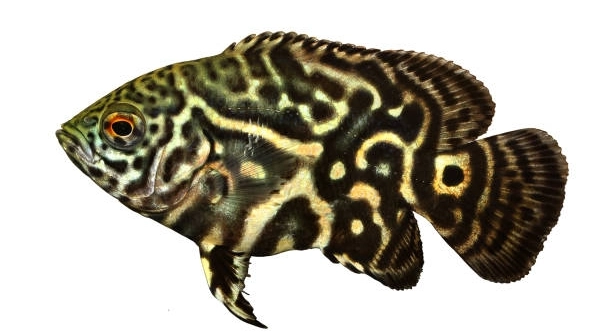
Oscar fish are known for their vibrant colors and unique personalities. However, setting up their tank properly is crucial for their well-being. Avoiding common mistakes will help create a healthier environment for them to thrive.
Improper tank setup can lead to stress, health problems, and poor growth in Oscar fish. Ensuring correct water parameters, tank size, filtration, and tankmates is essential for their health. A proper setup supports their long-term happiness and survival.
By avoiding these mistakes, you can create a more suitable environment for your Oscar fish. The following tips will help you set up the perfect tank for them.
1. Tank Size and Space Limitations
Oscar fish require ample space to grow and swim comfortably. A small tank restricts their movement and increases stress levels. Ideally, you should have a tank that holds at least 55 gallons, though a 75-gallon tank is even better for adult Oscars. A cramped tank leads to poor water quality and can cause behavioral issues, like aggression or territorial disputes.
A larger tank provides a more stable environment for your fish. It helps maintain water quality and gives them the freedom to swim, reducing stress. Without enough space, Oscars can also become sick more easily.
Providing a spacious tank is vital for maintaining a healthy, happy Oscar. The bigger the tank, the better the chances of creating a balanced, thriving environment for your fish to flourish. This investment is key to your Oscar’s long-term well-being.
2. Water Quality and Filtration
Good water quality is a must for Oscar fish. Poor filtration can lead to high levels of toxins in the water, harming your fish.
Oscar fish produce a lot of waste, and without proper filtration, water conditions can deteriorate quickly. A high-quality filter helps remove excess waste, keeping the water clean and oxygenated. Invest in a filter that is rated for larger tanks to ensure optimal performance.
Maintaining proper filtration is one of the most important factors in keeping your Oscar healthy. Water changes and good filtration work together to create a clean environment, preventing disease and stress.
3. Tankmates and Compatibility
Not all fish are suitable tankmates for Oscars. Aggressive or small fish may get bullied or eaten. Choose peaceful, robust species that can tolerate Oscars’ behavior. A good rule is to select tankmates that are similar in size and temperament.
Oscars are known for their territorial nature, which can lead to aggression if they feel crowded or threatened. When introducing new fish, observe them carefully for signs of stress or aggression. It’s also important to ensure the tank has enough hiding spots for smaller or more vulnerable species. With proper planning, your Oscar can coexist peacefully with other fish.
Choosing the right tankmates will ensure a harmonious environment. Be mindful of the types of fish you add, and remember to keep an eye on their interactions. Oscars thrive best in a setup where they feel secure, and other fish are safe.
4. Improper Lighting and Overheating
Oscars need appropriate lighting for their tank to help regulate their day-night cycle. Too much light can stress them out, while too little can affect their health. Provide natural light during the day and a low-intensity light at night to mimic their natural environment.
Constant exposure to intense light can lead to stress, causing your Oscar to become more agitated or lethargic. It’s essential to provide a balanced light cycle, keeping the tank lit for 10–12 hours during the day and dark during the night. Use an aquarium light that won’t raise the temperature too much.
Excessive heat from improper lighting can also harm your Oscar. When selecting lighting, make sure it doesn’t contribute to an increase in the water temperature. Stable conditions are crucial for maintaining healthy fish.
5. Overfeeding and Poor Diet
Overfeeding can lead to obesity and poor water quality. Feeding your Oscar more than it can consume in a few minutes results in leftover food, which pollutes the water. Stick to a regular feeding schedule with the right portion size.
A proper diet is crucial for your Oscar’s health. Offer a balanced mix of high-quality pellets, frozen foods, and occasional live foods. Avoid overfeeding by giving your fish just enough food they can consume in 2–3 minutes. Overfeeding can also lead to digestive issues and an unhealthy tank.
6. Lack of Hiding Spaces
Oscars need places to retreat and hide. Lack of hiding spots increases stress and can lead to aggressive behavior. Add rocks, plants, or caves to provide a more comfortable environment.
Hiding spots give your Oscar a place to relax and reduce stress. When they feel threatened or tired, they need a secure place to rest. A well-planned tank layout with enough hiding spaces helps prevent aggressive behavior. It also encourages more natural, healthy behavior in your Oscar.
7. Ignoring Regular Tank Maintenance
Ignoring regular maintenance will quickly degrade your Oscar’s living conditions. Regular water changes, filter cleaning, and substrate vacuuming keep the tank clean and healthy.
Consistency is key to maintaining a healthy environment. Perform partial water changes every 2 weeks and clean the filter as needed. Neglecting these tasks can result in toxic water conditions, causing health problems for your Oscar. A well-maintained tank will help prevent disease and stress.
FAQ
How often should I feed my Oscar fish?
Feed your Oscar fish 2–3 times a day, but make sure they only consume the amount of food they can finish in 2–3 minutes. Overfeeding can lead to health problems and poor water quality. Stick to a feeding routine to avoid excess waste.
What size tank does an Oscar fish need?
Oscar fish need a tank that’s at least 55 gallons for one fish. As they grow larger, a 75–100-gallon tank is ideal. A bigger tank ensures they have enough space to swim and helps maintain better water quality.
Can Oscars live with other fish?
Yes, Oscars can live with other fish, but it’s important to choose compatible tankmates. Avoid small or aggressive fish. Larger, peaceful species like plecos or large cichlids work well, but always monitor their interactions for signs of aggression.
What are the best tankmates for Oscar fish?
The best tankmates for Oscars are large, peaceful fish that can tolerate the Oscar’s territorial nature. Suitable options include plecos, larger catfish, and robust cichlids. Avoid smaller or overly aggressive fish that may get bullied or eaten.
How do I know if my Oscar is stressed?
Signs of stress in Oscar fish include hiding, loss of appetite, erratic swimming, or faded colors. Stress is often caused by poor water quality, incompatible tankmates, or inadequate tank space. Observe your fish and make necessary adjustments to reduce stress.
Can Oscar fish live in cold water?
Oscar fish are tropical fish and require warm water to thrive. The ideal temperature range is between 74–81°F (23–27°C). Keeping them in cold water can lead to stress and illness. Ensure your tank is properly heated to maintain a stable temperature.
How do I clean an Oscar tank?
Regular tank cleaning is important for maintaining water quality. Perform partial water changes every 1–2 weeks, and clean the substrate with a vacuum. Rinse the filter and remove debris. Avoid using soap, as it can harm your fish.
What should I do if my Oscar is being aggressive?
If your Oscar is being aggressive, first check if the tank is overcrowded or if incompatible tankmates are present. Ensure the tank has enough hiding spots and space. You may need to rearrange decorations or separate aggressive fish.
How long do Oscar fish live?
Oscar fish typically live 10–15 years in captivity with proper care. Their lifespan can be shortened by poor water quality, stress, or inadequate tank conditions. Providing a healthy environment will help your Oscar live a long and happy life.
Why is my Oscar fish turning pale?
A pale Oscar can be a sign of stress, illness, or poor water quality. Check the water parameters and ensure the tank conditions are stable. If the problem persists, consult a vet or aquarium expert to rule out diseases or other health issues.
Can Oscar fish eat live food?
Yes, Oscars can eat live food, such as feeder fish, worms, and insects. However, live food can carry parasites or diseases, so it’s important to ensure it’s properly sourced. It’s better to offer a balanced diet with pellets, frozen, and occasional live food.
How can I tell if my Oscar is sick?
Sick Oscars may exhibit abnormal behavior, such as lethargy, loss of appetite, or unusual swimming patterns. Look for physical signs like lesions, bloating, or discolored patches. If you notice any of these symptoms, perform a water test and seek veterinary help if necessary.
Do Oscars need a filter?
Yes, Oscar fish produce a lot of waste, so a good filter is essential. A high-quality filtration system will help keep the water clean and prevent toxins from building up. Ensure the filter is rated for a tank size larger than your Oscar’s current tank.
What is the best substrate for an Oscar tank?
Oscars do well with a sandy or fine gravel substrate. Avoid sharp, coarse gravel that could harm their delicate fins. A softer substrate allows them to dig and root around, which is a natural behavior for them. Make sure the substrate is easy to clean.
Can I keep two Oscars together?
You can keep two Oscars together in a larger tank, ideally 75 gallons or more. They can be territorial, so ensure enough space and hiding spots. Monitor their behavior, as one may become more dominant over time, leading to aggression.
Why is my Oscar fish swimming in circles?
If your Oscar is swimming in circles, it could be a sign of stress, poor water quality, or a possible health issue. First, test the water parameters and perform a water change. If the behavior continues, seek advice from an aquarium professional.
What is the ideal pH for Oscar fish?
Oscar fish prefer a pH level between 6.5 and 7.5. They can tolerate slight fluctuations, but extreme changes can lead to stress or illness. Regular water testing is crucial to keep the pH stable and within the safe range.
Can Oscars live without a heater?
Oscars are tropical fish and require a heater to maintain a stable water temperature. Without a heater, the water temperature could drop too low, leading to stress and health problems. Always keep your Oscar’s tank in the optimal temperature range of 74–81°F (23–27°C).
How often should I change the water in my Oscar tank?
For an Oscar tank, perform partial water changes every 1–2 weeks. This helps maintain water quality by removing toxins and waste. If you have a larger tank or more fish, you may need to change the water more frequently to keep it clean.
What kind of filter is best for an Oscar tank?
Oscars produce a lot of waste, so a powerful filter is essential. Choose a filter that provides mechanical, biological, and chemical filtration. Canister filters or sump filters are excellent choices for larger tanks, as they handle large volumes of water efficiently.
How can I make my Oscar more active?
To encourage a more active Oscar, ensure the tank is spacious, clean, and properly maintained. Regular water changes, the right diet, and tankmates can help. Provide enrichment, like plants or hiding spots, to keep your Oscar engaged and comfortable.
Can I put my Oscar in a tank with plants?
Oscar fish are notorious for uprooting plants. While you can try adding hardy, well-secured plants like Anubias or Java Fern, they may not survive long in a tank with an Oscar. Use plastic plants if you want to avoid damage.
Final Thoughts
Caring for Oscar fish requires attention to their specific needs, such as tank size, water quality, diet, and social interactions. They are large, active fish that thrive in spacious, well-maintained environments. The right setup will help them stay healthy and happy for many years. Regular tank maintenance, like water changes and filter cleaning, is essential to keeping the water clean and free from harmful toxins. Monitoring water temperature, pH, and hardness will also ensure your Oscar fish stays in optimal conditions.
Oscar fish are fascinating creatures, but they do come with some challenges. Their aggressive behavior and territorial nature mean they need careful planning when selecting tankmates. Offering plenty of hiding spots and creating a layout that reduces stress will go a long way in keeping your fish calm. Providing a balanced diet with appropriate feeding times is also key to preventing health issues, such as overfeeding, which can lead to poor water quality and obesity. Ensuring your Oscar has enough space to swim and exhibit natural behaviors is just as important.
By understanding the unique requirements of Oscar fish and adjusting their environment to meet those needs, you can help them thrive. They are rewarding pets when given the proper care and attention. Avoiding common mistakes like overfeeding, neglecting tank maintenance, or overcrowding will prevent many issues. With patience and commitment, your Oscar fish will have a long, healthy life in your care.

Hello,
If you enjoy the content that we create, please consider saying a "Thank You!" by leaving a tip.
Every little bit helps us continue crafting quality advice that supports the health, happiness, and well-being of pets around the world, for pets of all shapes, sizes, and species.
We really appreciate the kindness and support that you show us!