
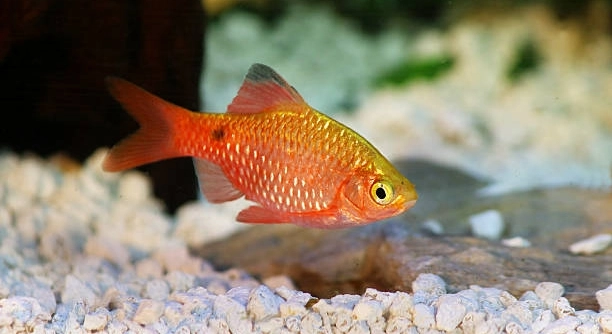
Setting up a tank for Rosy Barbs can be rewarding but tricky. Many aquarists unintentionally make mistakes that affect these lively fish’s health and happiness. Knowing what to avoid helps create a better environment for them.
Common tank setup mistakes Rosy Barbs dislike include overcrowding, poor water quality, insufficient swimming space, lack of plants, incorrect temperature, improper filtration, and ignoring tank mates compatibility. These errors can lead to stress, illness, and reduced lifespan for the fish.
Understanding these key mistakes will help you improve your tank and keep your Rosy Barbs thriving in a healthy home.
Overcrowding the Tank
Overcrowding is a common mistake when setting up a Rosy Barb tank. These fish are active swimmers and need plenty of space to move around. When too many fish are placed in a small tank, it causes stress and aggression among them. Overcrowded tanks also lead to poor water quality because waste builds up faster than filtration can handle. This can result in diseases and early death for your Rosy Barbs. It’s important to provide at least 10 gallons of water for every 4 to 6 Rosy Barbs. Giving them enough room allows them to swim freely and show their natural behavior. Besides tank size, adding hiding spots and plants helps reduce stress by offering safe places. Proper stocking and tank maintenance are key to keeping these fish happy and healthy.
Keeping fewer fish in a larger tank improves water quality and reduces stress, helping Rosy Barbs live longer.
Managing overcrowding protects fish health and maintains a balanced tank environment. Regular water changes and monitoring fish behavior are essential practices.
Poor Water Quality
Poor water quality is a major issue that affects Rosy Barbs quickly. These fish are sensitive to ammonia, nitrite, and nitrate levels. If the tank water is not tested and changed regularly, harmful chemicals accumulate. This damages the fish’s gills and immune system, making them prone to illness. Many beginners overlook the importance of a good filtration system, which helps remove waste and toxins. A filter that suits the tank size and fish load is essential. Besides filtration, regular partial water changes—about 20-30% weekly—keep the environment clean and stable. Testing water parameters weekly allows you to spot problems early. Maintaining stable temperature and pH within the ideal range (around 74-79°F and pH 6.5-7.5) is also important for their well-being. Clear water doesn’t always mean healthy water, so proper care is necessary to avoid unseen risks.
Proper water care reduces stress and keeps Rosy Barbs active and vibrant. Regular checks ensure a safe habitat for your fish.
Insufficient Swimming Space
Rosy Barbs need plenty of open space to swim freely. Crowded or cluttered tanks limit their movement and cause stress.
A tank filled with too many decorations or plants leaves little room for Rosy Barbs to swim actively. These fish are naturally energetic and require open water to thrive. Without enough space, they become stressed, which weakens their immune system and can cause health problems. Leaving some open areas in the tank allows them to exercise and display natural behaviors. It also helps reduce aggression between fish, as they can avoid each other more easily. Balancing decoration and open space is key to their well-being.
Providing a tank setup that encourages movement improves their health and happiness. Keeping the swimming area clear supports natural activity and reduces stress-related issues.
Ignoring Tank Mates Compatibility
Rosy Barbs are generally peaceful but can become aggressive with certain tank mates. Mixing incompatible fish can cause fighting and stress.
Choosing suitable tank mates is essential to avoid conflicts. Rosy Barbs do well with other active, similarly sized fish, such as danios or barbs. Avoid slow-moving, long-finned, or shy species because Rosy Barbs may nip their fins or bully them. Aggressive or territorial fish should also be excluded. Keeping compatible fish reduces stress and promotes a peaceful tank environment. It’s important to research species behavior before adding new fish to your setup. Compatibility helps maintain balance and prevents injury or death among tank inhabitants. This simple step protects your fish’s health and creates a better home for everyone.
Lack of Plants
Rosy Barbs benefit from having plants in their tank. Plants provide hiding spots and improve water quality by absorbing toxins.
Without enough plants, Rosy Barbs may feel exposed and stressed. Plants help create a natural environment that supports their well-being.
Incorrect Temperature
Maintaining the right temperature is crucial for Rosy Barbs. Their ideal range is between 74°F and 79°F. Temperatures outside this range cause stress and weaken their immune system. Sudden temperature changes should be avoided, as they can lead to shock or illness. Using a reliable heater and thermometer helps keep the tank stable. Consistent warmth promotes healthy metabolism and activity levels in Rosy Barbs.
Improper Filtration
A good filtration system is vital to maintain clean water. Without it, harmful waste builds up, causing poor water quality and risking fish health.
FAQ
What is the ideal tank size for Rosy Barbs?
Rosy Barbs need at least a 20-gallon tank for a small group of 4 to 6 fish. This size gives them enough swimming space and helps maintain stable water conditions. Larger tanks are better if you want more fish or extra decorations. Overcrowding in a small tank stresses the fish and lowers water quality.
How often should I change the water in a Rosy Barb tank?
Changing 20-30% of the water every week is a good rule. This helps remove toxins and keeps the water clean. Always treat tap water to remove chlorine before adding it back to the tank. Regular water changes prevent sudden spikes in harmful chemicals and help your fish stay healthy.
Can Rosy Barbs live with other fish?
Yes, Rosy Barbs get along well with other active, peaceful fish of similar size. Good tank mates include danios, platies, and other barbs. Avoid slow or long-finned fish because Rosy Barbs may nip at their fins. Aggressive or territorial species are also a bad choice, as they can cause fights.
What temperature should I keep the tank at?
Keep the tank between 74°F and 79°F. Rosy Barbs thrive in this range. Temperatures too low or too high stress them and make them more vulnerable to disease. Use a heater and thermometer to maintain steady temperature and avoid sudden changes.
How many Rosy Barbs should I keep together?
Rosy Barbs are schooling fish and should be kept in groups of at least 4 to 6. This helps reduce stress and aggression. When kept alone or in too small groups, they can become shy or stressed. More fish need a bigger tank to avoid overcrowding.
Do Rosy Barbs need plants in their tank?
Yes, plants offer hiding spots that help reduce stress. They also improve water quality by absorbing some waste. A mix of live plants and open swimming areas works best. Avoid overplanting, as Rosy Barbs need space to swim freely.
What type of filter is best for a Rosy Barb tank?
A filter that handles your tank’s volume well is important. Choose one that provides mechanical, biological, and chemical filtration. This keeps the water clean and safe. Avoid filters that create strong currents, as Rosy Barbs prefer moderate water flow.
How do I know if my Rosy Barbs are stressed?
Signs of stress include hiding more than usual, loss of color, clamped fins, and reduced appetite. Stress can come from poor water quality, overcrowding, or aggressive tank mates. Spotting these signs early allows you to fix the problem before illness sets in.
What should I feed Rosy Barbs?
Rosy Barbs eat flakes, pellets, and live or frozen foods like bloodworms or brine shrimp. A varied diet keeps them healthy and colorful. Feed small amounts 2 to 3 times daily and avoid overfeeding to prevent water pollution.
Can Rosy Barbs tolerate different water conditions?
They are fairly hardy but prefer slightly soft to moderately hard water with a pH between 6.5 and 7.5. Sudden changes in pH or hardness can stress them. Keep water conditions stable for the best results.
How often should I clean the tank?
Besides weekly water changes, clean the tank walls and substrate every two weeks or as needed. Avoid over-cleaning, which removes beneficial bacteria. Proper cleaning helps maintain good water quality and a healthy environment.
What is fin nipping, and how can I prevent it?
Fin nipping is when Rosy Barbs bite other fish’s fins, causing damage. It often happens if the tank is overcrowded or lacks hiding spots. Keeping enough space, adding plants, and choosing peaceful tank mates reduces this behavior. Maintaining a proper group size also helps.
Can Rosy Barbs live without a heater?
They can survive in room temperature if it stays within their ideal range. However, using a heater ensures stable temperature, especially in cooler climates or during winter. Temperature swings without a heater can stress the fish and cause health issues.
Why is my Rosy Barb losing color?
Loss of color usually means stress or illness. Common causes are poor water quality, inadequate diet, or wrong tank mates. Improving water conditions, feeding a varied diet, and reducing stress factors can restore their vibrant colors.
How long do Rosy Barbs typically live?
With proper care, Rosy Barbs live around 5 to 7 years. Good water quality, proper diet, and a suitable environment help them reach this age. Neglecting tank maintenance or overcrowding often shortens their lifespan.
Final Thoughts
Setting up a tank for Rosy Barbs requires attention to several important details. These fish need enough space to swim freely and avoid stress. Overcrowding or filling the tank with too many decorations limits their movement and can harm their health. It is important to choose the right tank size and keep it clean. Regular water changes and good filtration keep the water safe and comfortable for the fish. Temperature control also plays a big role in their well-being. Keeping the tank within their preferred temperature range helps them stay healthy and active.
Choosing the right tank mates is another key factor. Rosy Barbs do best with fish that are peaceful and of similar size. Some fish can cause stress by nipping fins or being aggressive, so it is important to avoid these. Adding live plants benefits the tank environment by providing hiding places and improving water quality. However, too many plants can reduce swimming space, so balance is necessary. Paying attention to these details helps create a peaceful and healthy home for your Rosy Barbs.
By avoiding common mistakes such as overcrowding, poor water quality, and incompatible tank mates, you can help your Rosy Barbs thrive. Taking time to maintain the tank properly will reduce stress and prevent illness. Feeding them a varied diet and monitoring their behavior also supports their health. Overall, a well-maintained tank with stable conditions allows Rosy Barbs to show their bright colors and natural behavior. Keeping these points in mind will make your aquarium a better place for these lively fish.

Hello,
If you enjoy the content that we create, please consider saying a "Thank You!" by leaving a tip.
Every little bit helps us continue crafting quality advice that supports the health, happiness, and well-being of pets around the world, for pets of all shapes, sizes, and species.
We really appreciate the kindness and support that you show us!