
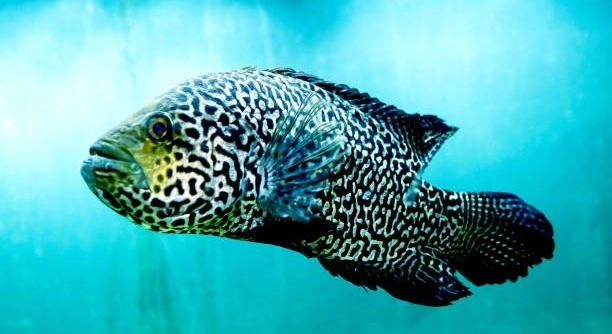
Are your Jack Dempsey fish acting restless or hiding more than usual in your tank? Many aquarists unintentionally create stressful conditions through common setup errors, affecting the fish’s health and overall behavior without realizing it.
Seven frequent tank setup mistakes that stress Jack Dempsey fish include incorrect water temperature, improper pH levels, overcrowding, insufficient hiding spots, incompatible tank mates, inadequate filtration, and irregular cleaning schedules. Each factor can compromise the fish’s physical and behavioral well-being.
Correcting these setup issues can create a healthier, calmer environment, ensuring your Jack Dempsey fish thrive while making your aquarium easier to maintain and enjoy.
Incorrect Water Temperature
Jack Dempsey fish are sensitive to temperature fluctuations. Maintaining a consistent range of 74–80°F is essential. Water that is too cold slows their metabolism, while water that is too warm increases stress and susceptibility to disease. Sudden changes can shock their system, causing hiding or erratic swimming. Investing in a reliable heater and thermometer ensures stable conditions. Regularly checking water temperature, especially after maintenance or seasonal changes, helps prevent stress. Even a few degrees outside their preferred range can impact their appetite, energy, and overall health. Observing your fish for signs of lethargy or rapid gill movement can indicate that temperature is affecting them. Small adjustments should be made gradually to avoid shocking the fish, and monitoring should be consistent, as consistent environmental stability promotes normal behavior and reduces stress responses.
Consistent temperature management directly supports Jack Dempsey fish health. Stable water reduces disease risk and helps them remain active and calm.
Using a heater with an accurate thermometer, along with gradual adjustments, creates a stable environment. Regular monitoring helps prevent sudden changes, keeping fish comfortable and less stressed in their tank.
Overcrowding
Overcrowding increases competition for food, territory, and hiding spaces. Jack Dempsey fish need sufficient space to establish territories and swim freely. A crowded tank can lead to aggressive behavior, constant chasing, and elevated stress levels. Providing at least 55 gallons for a single adult and adding space proportionally for additional fish ensures they are not confined. Proper layout with hiding spots and visual barriers helps reduce conflicts and territorial disputes. Observing interactions and separating aggressive individuals when necessary maintains balance in the tank. Overstocked tanks also make it harder to maintain water quality, as more waste accumulates. Regular monitoring of fish behavior and water parameters ensures a healthier, calmer environment. When adding new fish, introducing them slowly and providing enough space helps Jack Dempsey fish adjust without stress. Proper stocking levels are key to long-term health and peaceful behavior.
Overcrowding often causes stress and aggression. Providing ample space and hiding areas helps Jack Dempsey fish maintain a calmer, healthier environment.
Planning tank size, adding visual barriers, and monitoring behavior carefully reduces aggression and stress. Ensuring proper space allows fish to establish territories and maintain normal routines. Balancing fish numbers with tank capacity improves overall health, reduces illness risk, and fosters a stable, peaceful aquarium. Observing interactions and responding to signs of stress or aggression helps maintain harmony. Careful consideration of space before adding fish prevents overcrowding problems, ensuring each Jack Dempsey can thrive in its environment. Consistent water maintenance and monitoring also supports long-term comfort and well-being.
Improper pH Levels
Maintaining a stable pH between 6.5 and 7.5 is crucial. Fluctuations can stress Jack Dempsey fish, affecting their appetite and immune system. Regular testing and gradual adjustments prevent sudden shocks that can harm their health and behavior.
pH levels outside the preferred range can cause physiological stress. Acidic water weakens their protective slime coat, making them more prone to infections. Alkaline conditions can trigger abnormal swimming and reduce activity. Using buffers carefully and monitoring weekly ensures the water stays within safe limits. Sudden pH changes from tap water, new substrate, or decorations should be avoided. Conditioning water and testing frequently allows you to respond before fish are affected. Consistent pH stability supports feeding, breeding, and normal activity, keeping the fish calm and healthy.
Gradual adjustments are safer than sudden changes. Using commercial pH stabilizers, mixing water carefully, and monitoring daily prevents long-term stress. Observing fish behavior alongside water tests helps ensure proper balance. Consistent pH reduces illness risk, promotes appetite, and allows Jack Dempsey fish to thrive without unnecessary stress or aggression in the tank environment.
Insufficient Hiding Spots
Jack Dempsey fish need places to retreat. Lack of hiding spots increases stress, leading to aggression or constant swimming. Rocks, caves, and plants provide essential refuge and security within the tank.
Without adequate hiding spaces, territorial disputes rise, especially in adults. Fish without shelters feel exposed and stressed, which may lead to rapid gill movement, loss of appetite, and defensive behavior. Strategically placing caves, driftwood, and dense plant areas allows each fish to claim a safe zone. Visual barriers reduce direct lines of sight, minimizing aggression and tension. Using natural decorations also creates a more comfortable and stimulating environment, supporting normal activity and resting behavior. Observing how your fish use hiding spots helps adjust layout for better stress reduction.
Adding a variety of hiding spots benefits all tank inhabitants. Combining caves, plants, and rocks creates multiple territories, reducing conflicts and promoting calmer behavior. Rotating decorations occasionally can provide novelty without disrupting comfort zones. Properly spaced shelters give fish control over their space, which is critical for reducing chronic stress. Careful placement also improves visual appeal while maintaining water flow. By balancing open swimming areas and safe retreats, Jack Dempsey fish can express natural behaviors and feel secure, resulting in a healthier, more balanced tank environment.
Incompatible Tank Mates
Aggressive or overly active tank mates increase stress for Jack Dempsey fish. Peaceful, similarly sized fish are best to reduce constant chasing and fighting in the aquarium.
Small or timid fish often become targets. Choosing compatible species helps maintain a calmer, safer environment. Monitoring interactions regularly prevents injuries and reduces overall stress.
Poor Filtration
Inadequate filtration allows waste to accumulate, affecting water quality and oxygen levels. Dirty water stresses Jack Dempsey fish, leading to illness and lethargy. Proper filters remove debris, toxins, and excess food, keeping water clean and stable. Regular maintenance ensures continuous efficiency and a healthier tank environment.
Irregular Maintenance
Skipping water changes and tank cleaning causes toxin buildup and poor water conditions. Consistent schedules maintain stable water parameters, reducing stress.
FAQ
How often should I check water parameters for Jack Dempsey fish?
Regular monitoring of water parameters is essential to keep Jack Dempsey fish healthy. Testing temperature, pH, ammonia, nitrite, and nitrate at least once a week helps detect changes early. Sudden fluctuations can stress the fish, weaken their immune system, and affect appetite. Using reliable test kits and recording results allows you to spot trends and make gradual adjustments. For example, if nitrate levels rise, performing a partial water change immediately prevents long-term health issues. Maintaining consistent parameters supports normal behavior, reduces aggression, and ensures the fish thrive in their environment.
What is the ideal tank size for Jack Dempsey fish?
Jack Dempsey fish need spacious tanks to reduce stress and allow natural behaviors. A single adult requires at least 55 gallons. For multiple fish, adding 20–30 gallons per additional fish is recommended to prevent overcrowding. Adequate space allows each fish to establish territories and minimizes conflicts, which are common in smaller tanks. Overstocking increases aggression, reduces hiding options, and worsens water quality due to excess waste. Including caves, driftwood, and plants creates zones for retreat, further reducing stress. Larger tanks also allow more stable water conditions, which are easier to maintain, keeping Jack Dempsey fish healthy and calm.
How can I prevent aggression in a Jack Dempsey tank?
Aggression often results from overcrowding, incompatible tank mates, or lack of hiding spots. Providing sufficient space, visual barriers, and shelters allows fish to claim territories safely. Avoid mixing them with smaller, passive species that may trigger chasing. Monitoring behavior helps identify stressed or overly dominant individuals. Adjusting the tank layout or separating aggressive fish temporarily reduces conflict. Maintaining stable water parameters also lowers stress-induced aggression. Feeding a balanced diet at regular intervals prevents competition over food, which can escalate aggression. By combining space, hiding spots, and compatible companions, you create a calmer tank with reduced stress and healthier interactions among Jack Dempsey fish.
How often should I perform water changes?
Consistent water changes are crucial to remove toxins and maintain water quality. A 25–30% change weekly is generally recommended for Jack Dempsey tanks, but heavily stocked aquariums may require more frequent adjustments. Using dechlorinated water at the correct temperature prevents shocking the fish. Regular maintenance keeps ammonia, nitrite, and nitrate levels within safe limits, reducing stress and the risk of disease. Partial water changes also replenish trace minerals and maintain stable pH. Observing fish during and after changes ensures they are adjusting well, and cleaning substrate or decorations during water changes prevents debris buildup without disturbing the fish excessively.
What type of substrate and decorations are best?
Jack Dempsey fish prefer soft or sand-like substrate, which is gentle on their sensitive fins. Hard or sharp gravel can cause injuries or stress. Including rocks, driftwood, and caves provides hiding spots and helps establish territories. Live or artificial plants reduce stress by offering cover and visual barriers. Decorations should be placed thoughtfully to allow swimming space while creating secure retreats. Avoid overcrowding the tank with decorations, which can limit movement and increase stress. Substrate and décor choice also affects water chemistry, so rinsing items thoroughly before adding them prevents sudden changes in pH or water quality.
Why do Jack Dempsey fish sometimes hide constantly?
Frequent hiding often signals stress from water conditions, tank mates, or lack of shelter. Ensuring proper temperature, pH, and filtration reduces physiological stress. Providing adequate hiding spots allows fish to retreat without constant exposure. Observing behavior alongside environmental factors helps identify causes. Temporary adjustments, such as rearranging decorations or separating aggressive companions, often improve confidence and reduce hiding behavior. Stress can also result from sudden changes in lighting or loud activity near the tank. Gradually acclimating the fish to changes, maintaining a stable routine, and monitoring health ensures Jack Dempsey fish feel secure and exhibit normal, active behavior.
How do I know if my Jack Dempsey fish is stressed?
Signs of stress include hiding excessively, rapid gill movement, loss of appetite, aggressive behavior, or lethargy. Monitoring water parameters, tank conditions, and interactions with other fish helps identify causes. Addressing these factors promptly prevents long-term health issues. Behavioral changes often appear before physical illness. Maintaining consistent routines, proper diet, and suitable tank conditions reduces chronic stress. Observing each fish individually helps distinguish normal behavior from stress-related reactions. Early intervention, such as water adjustments, additional hiding spots, or separating aggressive tank mates, supports recovery and improves overall well-being.
Can diet affect stress levels in Jack Dempsey fish?
Yes, an inconsistent or poor diet can increase stress. Feeding a varied, balanced diet that includes high-quality pellets, frozen or live foods helps maintain energy and overall health. Overfeeding or irregular feeding schedules can cause digestive problems and contribute to water quality issues, indirectly stressing the fish. Monitoring intake and removing uneaten food prevents pollution. Offering occasional treats like brine shrimp or bloodworms adds enrichment and supports natural hunting behavior. A consistent diet also helps reduce aggression caused by competition over food, promoting calmer interactions and overall mental and physical well-being in Jack Dempsey fish.
How important is lighting for Jack Dempsey fish?
Lighting affects behavior and stress levels. Bright, constant light can make fish anxious, while dimmed or natural lighting reduces stress. Providing a day-night cycle mimics natural conditions, supporting normal feeding, activity, and rest. Using floating plants or shaded areas allows fish to regulate exposure, which promotes comfort and reduces aggressive interactions. Adjusting lighting gradually during maintenance or seasonal changes prevents shocking the fish. Observing fish reactions to lighting helps create an optimal environment. Proper lighting also supports plant health and water quality, contributing indirectly to stress reduction and a balanced, healthy tank environment.
What should I do if stress persists despite adjustments?
Persistent stress may indicate underlying water quality issues, illness, or incompatible tank mates. Conduct a full water test, review diet and tank layout, and observe fish behavior closely. Quarantining or separating aggressive or sick individuals can help. Consulting experienced aquarists or veterinarians ensures accurate diagnosis and treatment. Maintaining consistency in water changes, feeding, and environmental conditions supports recovery. Small, gradual adjustments are more effective than sudden changes. Continuous monitoring and proactive care allow Jack Dempsey fish to regain normal behavior. Addressing root causes systematically prevents recurring stress and promotes long-term health and stability in the aquarium.
Word count: 507
Final Thoughts
Maintaining a healthy tank for Jack Dempsey fish requires attention to detail and consistency. These fish are sensitive to environmental changes, and small mistakes in setup or care can lead to stress, aggression, and illness. Ensuring proper water temperature, pH, and filtration forms the foundation of a stable environment. Overcrowding and incompatible tank mates often increase stress, so planning tank size and selecting companions carefully is essential. Providing adequate hiding spots and decorations helps the fish establish territories and feel secure. Regular water changes and maintenance support water quality, preventing toxin buildup that can harm the fish over time. By prioritizing these factors, you create a calm and balanced environment where Jack Dempsey fish can thrive physically and mentally. Consistency in care is key, as frequent fluctuations or neglect can undo efforts quickly. Observing behavior daily allows you to notice early signs of stress, such as hiding, rapid gill movement, or changes in appetite. Early detection gives you the chance to address the problem before it escalates.
Diet and nutrition also play an important role in maintaining the health and well-being of Jack Dempsey fish. Providing a varied diet of high-quality pellets, frozen foods, or occasional live foods ensures they receive the nutrients needed for energy, growth, and immunity. Overfeeding or irregular feeding schedules can affect water quality, indirectly causing stress, so careful management of diet is important. Treats like brine shrimp or bloodworms can stimulate natural hunting instincts, adding enrichment to their environment. Feeding at consistent times each day creates a predictable routine, which can further reduce stress. Combining proper diet with stable water conditions, sufficient space, and a well-thought-out tank layout helps minimize aggression and encourages normal behavior. Monitoring both feeding habits and overall behavior allows you to make small adjustments that improve the fish’s quality of life and prevent long-term issues.
Overall, caring for Jack Dempsey fish successfully requires a combination of preparation, observation, and maintenance. Paying attention to water parameters, tank size, hiding spots, filtration, and diet helps create a secure, comfortable habitat. Stress is often the result of multiple small factors rather than one single mistake, so addressing each area thoughtfully is essential. Even small changes in the environment, such as rearranging decorations or adding a cave, can improve the fish’s comfort significantly. Regular monitoring and early intervention prevent minor problems from becoming serious health concerns. Consistency and attention to detail ensure that the fish remain active, healthy, and display natural behaviors. A well-maintained tank benefits both the fish and the owner, making the experience more enjoyable and rewarding. By combining careful setup, proper care, and close observation, Jack Dempsey fish can live long, healthy lives in a stable and stress-free environment.
Word count: 415

Hello,
If you enjoy the content that we create, please consider saying a "Thank You!" by leaving a tip.
Every little bit helps us continue crafting quality advice that supports the health, happiness, and well-being of pets around the world, for pets of all shapes, sizes, and species.
We really appreciate the kindness and support that you show us!