
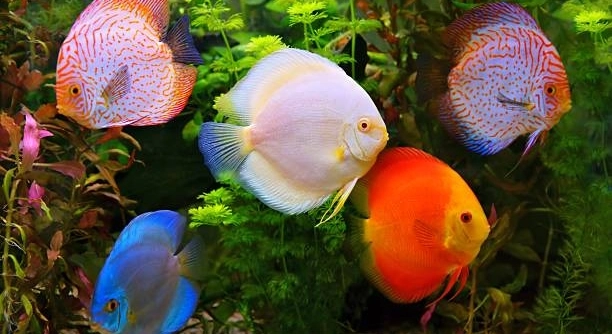
Setting up a discus tank requires careful attention to detail to support healthy growth. Many aquarists struggle with common mistakes that can hinder their fish’s development. These errors often go unnoticed but have significant effects on discus well-being.
Discus growth is frequently impaired by incorrect water parameters, improper tank size, poor filtration, inadequate diet, unstable temperature, insufficient oxygenation, and overcrowding. Each of these factors directly influences the fish’s health, stress levels, and ability to thrive in captivity.
Recognizing these common errors is essential for improving your discus setup. This article will guide you through the key pitfalls and how to avoid them for healthier, happier fish.
Incorrect Water Parameters
Maintaining proper water conditions is crucial for discus growth. These fish need soft, slightly acidic water with a pH between 6.0 and 7.0. Hard or alkaline water can stress them and stunt growth. Temperature should stay steady between 82°F and 86°F. Frequent water changes are important to keep nitrate levels low and prevent toxins from building up. Many beginners overlook these details, thinking discus are hardy enough to handle varied water conditions. However, even small fluctuations can cause long-term health issues. Regularly testing your water and adjusting parameters helps create a stable environment where discus can thrive. It’s better to monitor water quality closely than wait for visible signs of stress, which often appear too late.
Water quality impacts discus health and growth more than any other factor in their environment.
Understanding and maintaining the right water conditions ensures your discus develop strong immune systems and vibrant colors. Stable pH and temperature reduce stress, which allows the fish to feed well and grow steadily. Poor water parameters increase susceptibility to diseases and slow growth, making consistent care essential. Filtration and water changes play key roles in maintaining this balance. Regular testing with reliable kits helps you track and adjust parameters early, preventing problems. Learning how your water system affects your discus is one of the most valuable steps you can take for their success.
Improper Tank Size and Overcrowding
A common mistake is keeping discus in tanks that are too small. Discus grow to a good size and need space to swim freely. A tank under 50 gallons often becomes cramped, especially with multiple fish. Overcrowding leads to stress, aggression, and poor water quality due to excess waste. Each discus requires about 10 gallons of water to stay healthy and grow properly. Crowded tanks also make it hard to maintain stable water conditions. Stress from lack of space weakens their immune system and slows growth. Planning your tank size based on the number of discus you want will save many problems later.
Too many fish in a small tank causes stress and stunted growth in discus.
Allowing enough space for your discus to move freely reduces aggression and supports natural behaviors. A larger tank is easier to maintain and improves water quality by diluting toxins. Keeping fewer fish per gallon means less waste and fewer health risks. Proper stocking levels help maintain oxygen levels and prevent fights among discus. It also gives you room to add plants or decorations that enrich their environment. Providing adequate space shows respect for your fish’s needs and contributes to their overall well-being and steady development.
Poor Filtration
Filtration is essential for clean, healthy water. Without it, waste builds up quickly and harms discus health.
A good filter removes toxins, uneaten food, and waste, keeping the water clear and safe. Discus produce a lot of waste, so a powerful filter suited to your tank size is necessary. Many tank setups rely on weak filtration, causing water quality to decline fast. This leads to high ammonia and nitrite levels, which stress the fish and slow their growth. Choosing a filter that provides mechanical, biological, and chemical filtration helps maintain balanced water chemistry and reduces harmful bacteria.
Regular filter maintenance is just as important as the filter itself. Rinsing filter media in tank water prevents clogging while preserving beneficial bacteria. Avoid over-cleaning or using tap water, which can kill helpful bacteria colonies. Also, consider adding a sponge or pre-filter to protect fry and small fish from getting sucked into the system. Keeping your filtration system in top condition supports discus health and promotes steady growth.
Inadequate Diet
A varied and nutritious diet is vital for discus growth. Feeding only flakes or pellets can leave gaps in their nutrition.
Discuses thrive on a balanced diet that includes high-quality pellets, frozen or live foods like bloodworms and brine shrimp, and vegetable matter. Protein-rich foods help build muscle and color, while vitamins and minerals support immune health. Overfeeding can cause poor water quality, so it’s important to feed small amounts multiple times a day rather than one large feeding. Many discus owners underestimate how critical diet is for healthy development, leading to weak or slow-growing fish.
Rotating food types keeps discus interested and encourages proper nutrient absorption. Supplementing their diet with occasional vitamins can also help prevent deficiencies. Fresh foods should be clean and free from pesticides or contaminants. By paying close attention to their feeding routine and diet variety, you create the best conditions for your discus to grow strong and display their natural beauty.
Unstable Temperature
Discuses need stable temperatures between 82°F and 86°F. Sudden drops or spikes cause stress and slow growth.
Using a reliable heater and thermometer helps maintain a consistent environment. Avoid placing the tank near windows or vents that cause fluctuations.
Insufficient Oxygenation
Proper oxygen levels are critical for discus health. Poor oxygen reduces metabolism and weakens the immune system.
Adding air stones or improving water movement increases oxygen exchange. Avoid overcrowding, which lowers oxygen availability for each fish.
Overcrowding
Too many discus in one tank causes stress and competition for resources. This slows growth and increases disease risk.
Providing enough space per fish reduces aggression and keeps water cleaner. Overcrowding is a common but avoidable problem for discus keepers.
FAQ
What water parameters are best for discus growth?
Discuses thrive in soft, slightly acidic water with a pH between 6.0 and 7.0. Temperature should stay steady between 82°F and 86°F. Ammonia and nitrite must always be zero, while nitrate should be kept under 20 ppm. Regular water testing and changes help maintain these conditions and reduce stress on your fish.
How often should I change the water in a discus tank?
Water changes should happen weekly, about 25–50% of the tank volume. Frequent changes keep nitrate levels low and remove waste that filtration alone can’t handle. Some experienced keepers do partial water changes twice a week, especially in heavily stocked tanks. Avoid sudden, large water changes as they can shock the fish.
What type of filtration is best for discus tanks?
A combination of mechanical, biological, and chemical filtration is ideal. Mechanical filters remove debris, biological filters handle harmful bacteria, and chemical filters (like activated carbon) clean dissolved waste. Canister filters or high-quality hang-on-back filters work well. Make sure the filter is rated for your tank size and is well maintained.
Can I keep other fish with discus?
It depends on the species. Discus are peaceful but can be stressed by aggressive or overly active tank mates. Suitable companions include tetras, dwarf cichlids, and some catfish species that tolerate the same water conditions. Avoid fin-nippers and large, aggressive fish to keep discus comfortable and growing well.
What do discus eat for optimal growth?
Discuses need a varied diet of high-quality pellets, frozen or live foods like bloodworms and brine shrimp, plus occasional vegetables. Protein-rich foods support muscle growth and color development. Feeding small amounts 2-3 times a day prevents overfeeding and maintains water quality.
How many discus should I keep in one tank?
A good rule is one discus per 10 gallons of water. This prevents overcrowding, reduces stress, and helps maintain water quality. Too many fish lead to poor growth, aggression, and health issues. Plan your tank size carefully based on how many discus you want to keep.
Why is temperature stability important?
Discuses are sensitive to sudden temperature changes. Fluctuations cause stress, weaken immune systems, and slow growth. Using a reliable heater and a thermometer to monitor water keeps conditions stable. Avoid placing the tank near drafts or direct sunlight to prevent temperature swings.
How can I improve oxygen levels in my discus tank?
Oxygen can be increased by adding air stones, improving water flow with powerheads, or using filters that disturb the water surface. Healthy oxygen levels help discus breathe easily and support metabolism. Overcrowding and poor water movement reduce oxygen availability.
What causes slow growth in discus?
Slow growth usually results from poor water quality, inadequate diet, overcrowding, or unstable temperatures. Each of these stresses the fish, reducing appetite and immune function. Ensuring proper tank conditions, a balanced diet, and enough space helps discus grow at a healthy rate.
How often should I clean the filter?
Clean filter media gently every 3-4 weeks using tank water to avoid killing beneficial bacteria. Avoid using tap water or harsh cleaning, which damages bacterial colonies needed for biological filtration. Regular maintenance keeps the filter working efficiently without disrupting the tank balance.
Are discus difficult to keep for beginners?
Discuses require more attention than many other freshwater fish due to their sensitivity to water conditions and diet needs. However, with consistent care and attention to detail, keeping discus can be rewarding. Understanding and avoiding common setup errors improves your chances of success.
Can I breed discus in a home aquarium?
Yes, but breeding discus needs stable water conditions, a healthy diet, and proper tank size. They prefer slightly acidic water and clean environments. Pair selection and minimal stress help encourage breeding behavior. It often requires experience and careful monitoring.
Final Thoughts
Setting up a discus tank properly takes effort and attention, but the results are worth it. Avoiding common mistakes like poor water quality, overcrowding, and unstable temperature helps create an environment where discus can grow strong and healthy. Each small detail adds up to make a big difference in their well-being. Consistency is key—regular water testing, filter maintenance, and careful feeding routines will prevent many problems before they start.
Taking care of discus requires patience and learning from experience. Even small changes can stress these fish, so it is important to observe them regularly and adjust the tank conditions as needed. Many discus keepers find that investing time into understanding water parameters and fish behavior pays off in healthier, more vibrant discus. The right tank setup supports growth and reduces the chance of illness, which means less frustration and more enjoyment from your aquarium.
While discus may seem demanding at first, following simple guidelines can make their care manageable. Good filtration, appropriate tank size, and a balanced diet form the foundation of their success. Temperature stability and sufficient oxygen are equally important for their comfort. With steady care, discus can grow beautifully and live long, healthy lives. Remember that learning and improving your tank setup is a process—each step brings you closer to a thriving discus community.

Hello,
If you enjoy the content that we create, please consider saying a "Thank You!" by leaving a tip.
Every little bit helps us continue crafting quality advice that supports the health, happiness, and well-being of pets around the world, for pets of all shapes, sizes, and species.
We really appreciate the kindness and support that you show us!