
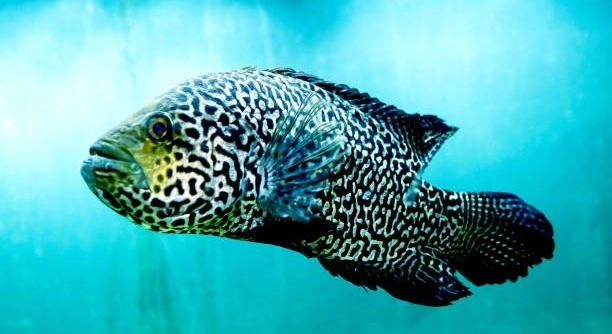
Many aquarium owners notice that their fish behave differently after making changes to their tanks. These shifts can be subtle or dramatic, depending on the adjustments made. Observing new behaviors can help you better understand your aquatic pets’ needs.
Changing tank setups often triggers new behaviors in fish. Modifications in decor, lighting, filtration, or water flow can affect activity levels, feeding patterns, and social interactions. These changes directly influence how fish perceive and respond to their environment.
Learning how these adjustments impact your fish can help you create a more comfortable and stimulating environment for them. Careful observation will reveal how each change affects their daily routines.
Rearranging Decorations and Hiding Spots
Changing the layout of your tank can have a big effect on your fish’s behavior. Adding new plants, rocks, or caves can make them feel more secure or give them new areas to explore. Fish often use hiding spots to reduce stress, so increasing or moving these can lead to more confident swimming. Some species may start exploring areas they previously avoided, while others may become more cautious. Even small shifts in decoration can signal a change in territory boundaries, prompting behaviors like chasing or avoidance. Over time, fish adapt to the new environment, but initially, you might notice increased activity or sudden pauses as they assess the changes. Monitoring these reactions helps you ensure the new setup supports their natural instincts. Providing a mix of open swimming space and shelter allows fish to balance exploration with security, promoting healthier, more active behavior.
Rearranging decorations encourages fish to explore, claim new spaces, and interact differently. It can make the tank more stimulating for them.
Fish often respond quickly to these adjustments. Some may stake new territories, while others simply investigate unfamiliar areas, improving overall tank dynamics.
Adjusting Water Flow and Filtration
Water flow and filtration are essential for fish comfort. Strong currents can stress species that prefer calm water, while low flow may reduce oxygenation in larger tanks. Changing the filter or pump can shift water movement patterns, affecting swimming styles and feeding habits. Fish may swim more actively against currents, hide more, or cluster near calmer spots. Altering flow can also impact tank cleanliness, which indirectly influences behavior by changing where fish feel safe. Gradual adjustments help prevent shock, while consistent monitoring ensures the setup remains suitable. Filtration changes can also alter chemical parameters, triggering feeding or territorial behaviors. Observing how fish react allows you to fine-tune the system to support both health and natural tendencies. Knowing which species prefer specific flow conditions helps maintain harmony and reduces stress, making your tank more predictable and enjoyable to manage.
Strong currents can change how fish move and interact, while calm areas encourage resting and exploration. Proper flow supports their health.
Adjusting water flow can dramatically influence fish behavior. Species that naturally inhabit streams or fast-moving waters may become more energetic and swim vigorously when currents increase. Conversely, slow-moving species may seek shelter, conserving energy and showing signs of stress in stronger flows. Filtration changes can also affect where fish gather, as they seek optimal oxygen levels and comfortable conditions. A sudden increase in water movement may lead to temporary aggression or territorial disputes, while gentle adjustments allow them to acclimate. Flow patterns influence feeding efficiency, as some fish feed best in calm areas, while others thrive in current-exposed spots. Monitoring reactions to these changes helps maintain a balanced environment. Gradual modifications reduce stress, allowing fish to adapt without disrupting tank dynamics. Regular observation ensures that filtration and flow meet both biological needs and behavioral tendencies, keeping the tank stable and harmonious.
Changing Lighting Conditions
Lighting changes can quickly affect fish activity. Brighter lights may make some species more cautious, while dimmer lighting encourages exploration. Consistent cycles are important to maintain natural behaviors.
Sudden increases in light intensity can stress fish, causing them to hide or reduce movement. Some species may display brighter colors when exposed to optimal lighting, signaling health and vitality. Adjusting the light gradually allows fish to acclimate, preventing aggressive or skittish behavior. Lighting also influences feeding schedules, as fish often associate light with activity and meal times. Proper placement of lights can highlight hiding spots and open areas, giving fish control over their exposure. Observing their reactions ensures the lighting supports both comfort and natural rhythms.
Different species respond uniquely to light changes. Some may become more active, exploring new areas, while others retreat to shaded spots. Providing adjustable lighting helps maintain balance. Monitoring behavior allows timely adjustments, reducing stress and supporting healthy interaction in the tank.
Adding or Removing Tank Mates
Introducing new fish can alter social dynamics immediately. Territorial species may become aggressive, while schooling fish adjust to maintain group cohesion. Careful observation is essential.
Removing fish also changes behavior patterns. Remaining fish may explore newly available space, establish new territories, or change feeding habits. Social hierarchies shift, leading to temporary displays of dominance or caution. Gradual introductions and removals reduce stress and prevent conflicts. Compatibility between species affects how quickly fish settle into new routines. Observing interactions helps identify signs of bullying, stress, or anxiety. Understanding natural temperaments and tank capacity ensures a stable environment. Adjusting population density and monitoring responses supports healthier behaviors and promotes harmony among all tank inhabitants.
Changing Water Temperature
Even small shifts in water temperature can trigger noticeable changes. Fish may become more active in slightly warmer water or slower in cooler conditions. Gradual adjustments help avoid stress or shock.
Temperature fluctuations can influence feeding habits, swimming patterns, and social behavior. Maintaining consistent ranges for specific species ensures health and predictable activity.
Altering Feeding Schedules
Adjusting when and how often fish are fed can change their daily routines. Fish may become more alert, anticipating meals, or shift their activity times. Different schedules can stimulate natural foraging behaviors and prevent boredom.
Introducing New Substrate
Adding or changing gravel, sand, or other substrate affects digging, hiding, and resting behaviors. Fish explore the new texture and may modify how they interact with the tank environment.
FAQ
How quickly do fish adjust to tank changes?
Fish adjust at different rates depending on species, age, and temperament. Some may explore new areas immediately, while others hide for several days. Gradual changes reduce stress and help them adapt without triggering aggressive or skittish behavior. Consistent observation is key to understanding their comfort level.
Can rearranging decorations cause long-term stress?
If done suddenly, rearranging tank decorations can temporarily stress fish. Most species adapt over time, but constant or extreme changes may lead to prolonged anxiety. Providing hiding spots and maintaining familiar areas ensures fish feel secure while exploring new structures.
Will changing lighting affect all fish the same way?
No. Different species respond uniquely to light intensity and duration. Some become more active under brighter conditions, while others prefer dim or shaded areas. Gradual adjustments and a consistent day-night cycle prevent stress and maintain natural behaviors.
How do new tank mates influence behavior?
Introducing new fish immediately alters social dynamics. Territorial species may show aggression, while schooling species adjust their group behavior. Observing interactions helps prevent bullying, and gradual introductions reduce stress. Proper compatibility ensures long-term harmony.
Does water flow impact feeding patterns?
Yes. Strong currents may force some species to work harder for food, while calm areas allow easier feeding. Adjusting flow gradually helps maintain natural behavior and reduces stress. Monitoring how fish feed ensures proper nutrition and comfort.
Can temperature shifts cause aggression or lethargy?
Sudden changes in temperature can lead to stress, aggression, or reduced activity. Gradual adjustments help fish maintain normal swimming and feeding habits. Stable temperature ranges support health, activity, and social interactions.
How often should I monitor fish after changes?
Monitoring daily for at least a week is important. Observe swimming, feeding, and hiding behaviors. Noting subtle changes allows early detection of stress or discomfort and helps ensure the environment supports healthy habits.
Will altering substrate affect all species?
Different species interact with substrate in unique ways. Bottom dwellers may dig or sift, while others use it for resting or hiding. Introducing new substrate gradually allows fish to explore safely without stress or injury.
Can feeding schedule changes improve behavior?
Yes. Adjusting meal times can stimulate natural foraging, increase activity, and reduce boredom. Gradual changes help fish adapt without disrupting daily routines or social hierarchies. Consistent schedules maintain health and energy levels.
Are there signs that fish dislike a new setup?
Yes. Signs include hiding excessively, reduced feeding, erratic swimming, or aggression. Observing these behaviors allows prompt adjustments to lighting, flow, or decorations to restore comfort. Patience and careful monitoring help fish settle into the new environment.
How long does it take to see permanent behavior changes?
Permanent changes can take days to weeks, depending on the type of adjustment. Gradual changes and consistent observation ensure fish develop healthy routines and adapt safely to their environment. Patience is key to long-term success.
Is it necessary to change multiple factors at once?
It’s best to adjust one factor at a time. Combining changes can confuse fish and make it harder to determine what affects behavior. Step-by-step adjustments help maintain stability and allow fish to adapt naturally.
What if some fish react differently than others?
Individual differences are normal. Some fish may explore while others hide. Observing each fish helps you meet their specific needs and ensures harmony. Providing varied shelter and swimming options allows all species to thrive.
Can frequent changes be harmful?
Frequent, abrupt changes can lead to chronic stress, illness, or aggression. Consistency in environment, feeding, and flow helps maintain health and predictable behavior. Planned, gradual adjustments are safer and more effective for long-term well-being.
How do I know if the tank setup is optimal?
Optimal setups support natural swimming, feeding, and social behavior. Fish appear active, healthy, and confident. Regular observation, monitoring water parameters, and adjusting flow, lighting, and decorations ensure the tank remains suitable for all species.
Can these changes improve fish health overall?
Yes. Proper adjustments that match species’ natural preferences promote better feeding, activity, and reduced stress. A stable, stimulating environment supports immune function, reduces disease risk, and encourages long-term well-being.
Final Thoughts
Managing a fish tank involves more than just feeding and cleaning. Every change you make to the setup can influence how your fish behave. From adjusting decorations to modifying water flow, fish notice even small differences in their environment. These changes can affect swimming patterns, feeding habits, and social interactions. By paying attention to these behaviors, you can better understand your fish and create a tank that supports both their comfort and natural instincts. It is important to remember that what may seem like minor adjustments to you can feel significant to your fish. Providing a mix of open swimming space, hiding spots, and a stable environment allows them to feel secure while still encouraging exploration and activity. Observing how they respond to each change helps you fine-tune the setup, making the tank a healthier and more engaging space.
Fish respond to environmental shifts differently depending on species, age, and temperament. Some adapt quickly, exploring new areas or interacting with tank mates in new ways. Others may need more time to adjust and could hide or reduce activity temporarily. Gradual changes are key to preventing stress, allowing your fish to acclimate safely. Paying attention to small behaviors, like where fish spend their time or how they feed, can give you insight into their comfort and well-being. Consistency is also essential; maintaining stable water parameters, lighting schedules, and temperature ranges helps fish feel secure and reduces the likelihood of aggressive or erratic behavior. By understanding their natural preferences, you can design a tank that meets both their physical and psychological needs. Over time, these adjustments will promote healthier, more confident, and more active fish, which benefits both the inhabitants and the overall harmony of the aquarium.
Every tank setup is unique, and observing your fish is the best way to determine what works. Small adjustments can have a big impact, but patience and careful monitoring are essential. Changes should always be gradual and deliberate, allowing fish to explore new areas, interact safely with tank mates, and adjust to variations in water flow, temperature, and lighting. Paying attention to individual responses ensures that each fish’s needs are met and helps maintain a balanced environment. Even when adjustments seem minor, they can influence social hierarchies, feeding behavior, and overall activity levels. Creating a tank that considers these factors improves both the quality of life for your fish and your ability to manage a stable, engaging aquarium. By observing, adjusting, and learning from your fish’s behavior, you create an environment that supports long-term health, reduces stress, and encourages natural, confident behavior throughout the tank.

Hello,
If you enjoy the content that we create, please consider saying a "Thank You!" by leaving a tip.
Every little bit helps us continue crafting quality advice that supports the health, happiness, and well-being of pets around the world, for pets of all shapes, sizes, and species.
We really appreciate the kindness and support that you show us!