
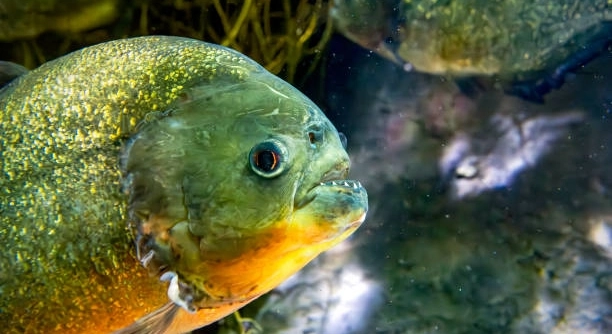
Are your piranhas acting sluggish, hiding more than usual, or showing dull colors in the tank? These signs could point to issues with their environment and care that are easy to overlook.
The best way to strengthen piranha health is by following consistent tank practices such as proper filtration, stable water parameters, varied diet, and minimizing stress. These steps help maintain a balanced ecosystem that supports their overall well-being.
Each method shared here supports better health, reduces stress, and helps your piranhas thrive with ease in their aquatic space.
Maintain Stable Water Temperature
Keeping your tank water at a steady temperature is one of the most important things you can do for your piranhas. These fish come from warm, tropical environments and are sensitive to fluctuations in water conditions. A reliable heater with a built-in thermostat helps keep the temperature consistent, ideally between 75°F and 80°F. Sudden shifts, even a few degrees, can lead to stress and lower their immune system. Make sure to place the heater in a spot where water circulates well and check the temperature daily. If you live in an area with cooler seasons, consider using an aquarium thermometer to monitor any drops. Stability makes a big difference in how active and healthy your piranhas stay.
Frequent temperature swings can stress your fish and lead to illness, so aim to keep the water warm and steady throughout the day.
Adding a second heater can be helpful in larger tanks. It provides backup and ensures even heat distribution. Also, avoid placing the tank near windows or vents to prevent temperature shifts from outside air. If your home gets colder at night, consider using a tank cover or insulation to keep the heat in. With these adjustments, you’ll create a more reliable environment for your piranhas.
Use a Quality Filtration System
A good filtration system supports clean water and reduces harmful waste buildup in your tank. Piranhas are messy eaters, and leftover food can quickly spoil the water if not filtered properly.
Choose a filter that matches your tank’s size and bio-load. Canister filters or high-capacity hang-on-back models usually work well for piranha setups. These filters help remove uneaten food, fish waste, and chemical toxins, creating a stable environment where your fish can thrive. Make sure the filter provides both mechanical and biological filtration. This combination removes solid debris and supports beneficial bacteria, which help break down harmful ammonia and nitrites. Clean the filter media as recommended by the manufacturer—usually once a month—but don’t scrub it too harshly, or you may remove the helpful bacteria. If you notice cloudy water, foul odors, or your fish acting strangely, check the filter first. A clean, well-maintained system makes a big difference in water clarity and overall health.
Perform Regular Water Changes
Changing the water regularly helps keep your piranhas healthy by removing waste and toxins that build up over time. Aim to replace 20–30% of the tank water once a week to maintain proper water quality.
Water changes reduce ammonia, nitrite, and nitrate levels, which can harm your fish if left unchecked. Use a siphon to remove debris from the substrate while taking out old water. Make sure the new water is treated with a conditioner and matches the tank’s temperature to avoid shocking the fish. This routine not only keeps the water clean but also supports a stable pH and oxygen level. Skipping this step can lead to health issues like fin rot or low activity. Try to stick to a schedule, as consistency helps build a reliable environment your piranhas can thrive in.
You might notice your piranhas becoming more active and colorful after a water change. That’s a good sign. Clean water supports better breathing and digestion. If you have a heavily stocked tank or multiple piranhas, you may need to increase the frequency. Just be careful not to overdo it—removing too much water at once can upset the balance of beneficial bacteria. A steady rhythm of small changes goes a long way in keeping things on track.
Offer a Varied and Balanced Diet
Feeding your piranhas a mix of protein-rich foods like frozen fish, shrimp, and occasional pellets helps meet their nutritional needs. Avoid feeding live prey or fatty meats, which can cause long-term health problems.
Piranhas need a well-rounded diet to grow properly and stay active. Try rotating different food sources throughout the week—such as frozen tilapia, earthworms, bloodworms, and high-quality fish pellets. This variety gives them access to a range of nutrients and keeps them interested in feeding time. Avoid relying on one type of food too often, as this can lead to deficiencies or digestive issues. Remove uneaten food after feeding to prevent water pollution. Feeding once a day is usually enough for adult piranhas, while younger fish might benefit from smaller, more frequent meals. Always observe how much they eat so you can adjust portions as needed and avoid overfeeding.
Reduce Tank Stress
Loud noises, sudden light changes, or frequent tapping on the glass can stress out your piranhas. Keep their tank in a quiet area and avoid placing it near speakers, TVs, or heavy foot traffic.
Add hiding spots like plants or caves to give them a safe place to retreat. A calm environment helps your piranhas feel more secure and less aggressive toward each other.
Monitor Water Parameters Consistently
Use a water testing kit to regularly check pH, ammonia, nitrite, and nitrate levels. Piranhas thrive in a pH range of 6.5 to 7.5. Ammonia and nitrite should always be at zero, while nitrates should stay below 40 ppm. Testing weekly helps you catch issues early, especially after water changes or filter maintenance. Always test new water before adding it to the tank, and keep a log of your readings. If something is off, act quickly to correct it with a partial water change or conditioner. Keeping the water balanced is one of the most effective ways to prevent illness and stress.
Avoid Overstocking the Tank
Too many piranhas in one tank can lead to aggressive behavior and water quality problems. Stick to the recommended stocking limit for your tank size and avoid mixing them with incompatible fish.
How often should I clean my piranha tank?
Cleaning frequency depends on tank size and fish load, but a good rule is to do partial water changes weekly. Regular water changes of about 20–30% help keep the environment healthy by removing waste and toxins. Additionally, clean the substrate with a siphon during these changes to remove leftover food and debris. Avoid deep cleaning or removing all filter media at once, as this can disrupt beneficial bacteria. Keeping up with weekly maintenance supports stable water quality and reduces stress on your piranhas.
What is the ideal tank size for piranhas?
Adult piranhas need plenty of space. A minimum of 20 gallons per fish is recommended, but bigger tanks are always better. This helps reduce aggression and allows each fish enough room to swim freely. Overcrowding leads to stress, which weakens their immune system and increases the chance of disease. A larger tank also supports more stable water parameters, making it easier to maintain good conditions. If you plan to keep a small group, aim for at least 60 gallons total.
Can piranhas live with other fish?
Piranhas are generally aggressive and territorial, so they don’t mix well with most other fish. Keeping them with smaller or slow-moving species usually results in stress or injury to the tank mates. Some hobbyists successfully keep piranhas with similarly sized, robust fish, but this requires careful monitoring and a large tank with plenty of hiding spots. When mixing species, always observe behavior closely and be ready to separate fish if aggression increases. Most experts recommend a piranha-only tank for the best results.
What should I feed my piranhas?
A balanced diet includes high-quality pellets, frozen fish, shrimp, and occasional live or frozen worms. Avoid fatty meats or feeder fish that may carry diseases. Variety is important to provide all necessary nutrients and keep your piranhas interested in their food. Feed adult piranhas once a day, offering only what they can eat in a few minutes to prevent leftover food from polluting the water. Overfeeding can lead to obesity and water quality problems, so measure portions carefully.
Why are my piranhas hiding all the time?
Hiding behavior can indicate stress, poor water quality, or illness. Check the tank’s water parameters and ensure temperature and pH are within the ideal range. Stress may also result from sudden changes in light, noise, or tankmates. Providing sufficient hiding spots with plants, caves, or decorations helps reduce anxiety and lets piranhas feel secure. If hiding continues despite good conditions, observe them for signs of disease and consider consulting a specialist.
How do I reduce aggression among piranhas?
Aggression is natural but can be managed. Keep a suitable tank size with enough space per fish. Providing hiding places and breaking lines of sight reduces confrontations. Feeding a balanced diet and avoiding overcrowding also help keep aggression low. Some piranhas may still show dominant behavior, so be prepared to separate individuals if fights become severe. Maintaining consistent water quality reduces stress, which can escalate aggression.
How do I know if my piranha is sick?
Signs of illness include lethargy, loss of appetite, unusual swimming, faded colors, clamped fins, or visible wounds. Check water quality first, as poor conditions often cause health problems. Quarantine new fish before adding them to your tank to prevent introducing diseases. Early detection and treatment increase recovery chances. Use aquarium-safe medications and follow instructions carefully. If unsure, consult a professional for diagnosis and care advice.
Can piranhas breed in home aquariums?
Breeding piranhas in captivity is rare and requires very specific conditions. They need large tanks, ideal water parameters, and separate breeding areas. Males build nests, and females lay eggs in these sites. Raising fry is challenging, as young piranhas require special food and care. Many hobbyists focus on keeping healthy adults rather than breeding. If breeding is your goal, research thoroughly and prepare for a demanding process.
What is the best way to acclimate new piranhas?
Introduce new piranhas slowly to avoid shock. Float the sealed bag in the tank for 15–20 minutes to match temperatures. Gradually add small amounts of tank water to the bag over 30–60 minutes to adjust them to water chemistry. Then, carefully release the fish without adding bag water to the tank. Monitor new arrivals closely for stress or illness in the first few days. Proper acclimation increases survival rates and helps fish settle in smoothly.
How long do piranhas typically live?
With proper care, piranhas can live between 10 and 15 years in captivity. Their lifespan depends on diet, water quality, and stress levels. Providing a stable environment and regular maintenance supports their long-term health. Avoiding overcrowding and keeping a balanced diet also play key roles. Watching for early signs of disease helps catch problems before they become serious. Consistent care allows piranhas to reach their full lifespan and stay active in your tank.
Taking good care of your piranhas means paying close attention to their environment and daily needs. These fish are sensitive to changes in water quality and stress levels, so maintaining stable conditions is very important. Regular water testing, cleaning, and feeding on schedule help keep them healthy and active. Creating a calm, well-organized tank with plenty of hiding spaces also supports their well-being and reduces aggressive behavior. Remember that each small step in tank maintenance contributes to a stronger, happier piranha community.
Understanding your piranhas’ behavior is just as important as managing their physical environment. Stress can cause changes in how they act, including hiding more or showing signs of illness. Watching your fish regularly allows you to notice when something is off early on. When piranhas feel safe and their needs are met, they display more natural and lively behavior. Offering a balanced diet and keeping the tank clean not only promotes health but also encourages the fish to be more active and interactive. These simple actions create a better home for your piranhas.
Consistency is key to piranha care. Avoid sudden changes in tank conditions, feeding schedules, or lighting, as these can cause unnecessary stress. Planning your routine for cleaning, feeding, and water testing helps create a stable environment for your fish. While piranhas can be a challenge due to their nature and needs, they reward careful owners with fascinating behavior and strong health. With patience and attention, your tank can become a thriving habitat where your piranhas grow and stay well for many years.

Hello,
If you enjoy the content that we create, please consider saying a "Thank You!" by leaving a tip.
Every little bit helps us continue crafting quality advice that supports the health, happiness, and well-being of pets around the world, for pets of all shapes, sizes, and species.
We really appreciate the kindness and support that you show us!