
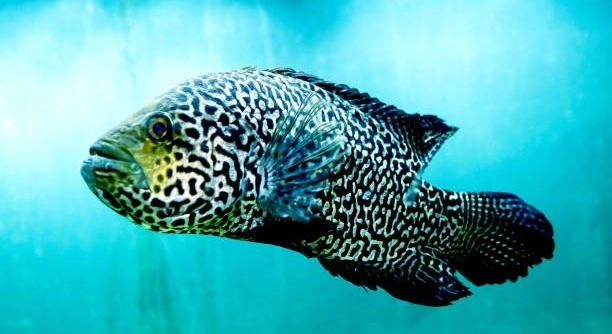
Have you ever noticed your Jack Dempsey fish spending most of their time in certain spots in the tank? Observing their preferred positions can help you understand their comfort, behavior, and overall tank satisfaction.
Jack Dempsey fish favor seven specific tank positions, including near the substrate, close to hiding spaces, along mid-level open swimming areas, near gentle water currents, around tank corners, next to plants, and under floating structures for security and territorial advantage.
Knowing these positions allows you to arrange your aquarium effectively, enhancing your fish’s well-being and making their natural behaviors easier to observe.
Substrate Level: Where Jack Dempseys Feel Grounded
Jack Dempsey fish often spend a significant amount of time near the tank’s substrate. This lower area provides a sense of security, mimicking their natural riverbed environment. By staying close to the bottom, they can explore gently without feeling exposed. Gravel or sand with smooth surfaces allows them to sift and interact naturally with their surroundings. They often hover near rocks or small ornaments, using them as cover when they feel cautious or need a quiet resting spot. This position also helps them feel in control of their territory, as it offers a clear vantage point of the rest of the tank. Maintaining clean substrate is crucial because debris buildup can cause stress and reduce water quality, affecting their health. Observing their movements along the substrate gives insight into their comfort level, aggression, and interaction with tankmates. For many keepers, substrate behavior is a reliable indicator of a healthy, content fish.
Bottom-level placement offers safety, exploration, and natural interaction with the tank’s environment.
Proper substrate arrangement encourages Jack Dempseys to display natural behaviors. Rocks, plants, and smooth sand create hiding spots and resting areas. They may sift through sand, inspect corners, and retreat under ornaments when stressed. By paying attention to substrate use, you ensure the fish feel secure while also maintaining their health. Avoid overcrowding the bottom with large decorations, which can limit movement and increase stress. Small caves and scattered rocks provide variety and simulate their natural riverbed habitats. Regular cleaning prevents waste buildup that could affect water parameters. Substrate placement also influences social dynamics, helping dominant and less dominant fish establish territories peacefully. A well-thought-out lower tank arrangement supports natural feeding, resting, and territorial behavior. By observing how Jack Dempseys interact with the substrate, you gain insight into their preferences, moods, and overall tank comfort, making it easier to create an environment that promotes long-term health and reduces aggression.
Mid-Level Open Swimming Zones
Mid-level swimming areas are preferred for movement and observation. Jack Dempseys use these spaces to patrol, interact, and assert dominance.
These open areas allow fish to swim freely while monitoring their surroundings. Proper spacing is necessary to prevent stress and territorial disputes.
Positioning plants and decorations strategically around mid-level zones enhances natural exploration. Jack Dempseys use these spaces to establish temporary territories and observe other tankmates without hiding. This level also provides the ideal balance between exposure and security, helping reduce anxiety. Mid-level swimming encourages exercise, improves circulation, and prevents stagnation in behavior. Keeping this area clear of clutter allows for unobstructed movement, which is vital for their health and growth. Fish often return to these zones repeatedly, indicating comfort and interest in their environment. Combining mid-level open zones with hiding spots at the substrate or upper levels creates a well-rounded habitat. By understanding the importance of this position, you can maintain a tank that supports both active swimming and relaxed resting.
Near Hiding Spots
Hiding spots are essential for Jack Dempseys to feel safe. Caves, rock formations, and dense plant clusters give them areas to retreat and reduce stress.
Providing multiple hiding spaces prevents territorial conflicts and allows fish to regulate their comfort levels. Jack Dempseys often alternate between open swimming and secluded spots depending on mood, activity, or presence of tankmates. These areas also mimic natural habitats where they can avoid predators and rest. The design of hiding spots should consider size and accessibility, ensuring fish can enter easily but still feel enclosed. Materials like smooth rocks, ceramic caves, and thick plant coverage work best. Placement near mid-level zones allows quick access to open swimming areas, helping balance security with exploration. Properly arranged hiding spots encourage natural behaviors, improve confidence, and reduce aggression. Observing how fish use these retreats can guide future tank adjustments for better harmony.
Strategically placed hiding areas enhance comfort, reduce stress, and support healthy behavior patterns in Jack Dempseys.
Hiding spots influence social interactions and hierarchy within the tank. Fish establish territories around caves or dense plants, reducing disputes. Dominant individuals may claim a favorite location, while less assertive fish rotate among smaller options. Placement near commonly used swimming zones ensures safety without isolating them completely. Well-constructed retreats prevent overcrowding and allow natural movement patterns. Over time, Jack Dempseys learn which spots are safest and most comfortable. Monitoring usage helps determine if adjustments are needed, such as adding extra cover or rearranging existing features. These retreats also contribute to breeding behavior, as secluded areas offer privacy for spawning and guarding eggs. A thoughtful approach to hiding spots improves overall tank dynamics, balancing activity, rest, and social stability.
Around Tank Corners
Corners provide Jack Dempseys with a sense of boundary and security while observing the rest of the tank. Fish often hover here to monitor activity without feeling exposed.
Positioning decorations and plants near corners helps fish feel protected while maintaining visibility of the surrounding environment. Corners act as natural observation points where Jack Dempseys can rest and assert territorial boundaries. They often use these areas to launch short swims into open zones or return after interactions with tankmates. Proper use of corners reduces stress and prevents overexposure in the tank. Avoid overcrowding with large ornaments, which can limit their movement and access. Corners combined with mid-level zones and substrate areas create a balanced habitat, offering both security and space for natural behaviors. Observing corner use provides insight into comfort levels, territorial claims, and social hierarchy. Adjustments in placement can enhance overall tank harmony and fish well-being.
Careful corner arrangement improves security, movement, and territorial clarity, supporting healthy behavior and reducing conflicts among tankmates.
Adjacent to Plants
Jack Dempseys often stay close to plants for security and shade. Dense foliage offers cover, reduces stress, and provides a sense of natural habitat.
Plants also help define territories. Fish use them as visual barriers and resting spots while exploring the tank freely.
Beneath Floating Structures
Floating structures create shaded areas that Jack Dempseys prefer for resting. These structures simulate natural overhangs found in rivers and lakes, giving fish a sense of protection while maintaining easy access to open swimming areas.
Near Gentle Water Flow
Jack Dempseys tend to position themselves near gentle currents. This area provides oxygen-rich water and allows them to experience mild movement without expending too much energy.
Around Tank Edges
Edges offer a boundary where Jack Dempseys can feel secure while surveying their environment. Fish often patrol along these lines to maintain territory and monitor tank activity.
How many hiding spots does a Jack Dempsey need in a tank?
Jack Dempseys need multiple hiding spots to feel secure, especially in community or larger tanks. At least two to three caves or dense plant clusters per fish help reduce stress and prevent aggressive encounters. Well-placed hiding areas allow fish to retreat when feeling threatened or tired. Rocks, ceramic caves, and thick artificial plants all work effectively. Observing how your fish use these spots can help you decide if more cover is necessary. Hiding spaces should be accessible but not overcrowded, giving fish both safety and freedom of movement. Proper placement balances security with visibility of the rest of the tank, reducing anxiety while supporting natural behavior.
Do Jack Dempseys prefer natural or artificial decorations?
Jack Dempseys generally respond well to both natural and artificial decorations, as long as they provide shelter and mimic aspects of their natural habitat. Smooth rocks, driftwood, and dense plants offer natural appeal, while ceramic caves or artificial plants provide functional hiding spots without affecting water quality. The key is the layout: spaces should allow for both exploration and retreat. Many fish adapt quickly to artificial decorations when they offer similar protection to natural elements. Avoid sharp or rough materials that could injure fins or scales. Proper decoration placement encourages territorial behavior, resting, and safe swimming zones. Combining natural and artificial elements creates a stimulating environment while maintaining tank safety.
Can Jack Dempseys share a tank with other fish?
Yes, but tank mates must be chosen carefully. Jack Dempseys are territorial and can be aggressive, particularly in smaller tanks. Suitable companions include larger, robust fish that occupy different areas of the tank. Avoid smaller, timid, or slow-moving fish that may become targets. Properly arranged hiding spots, mid-level swimming zones, and open areas reduce conflict. Maintaining a spacious tank with clear boundaries helps each fish establish territory. Observing interactions is important to prevent stress or injury. Overcrowding increases aggression, so it’s better to limit the number of tank mates or provide additional hiding areas to ensure all fish feel secure.
What tank size is ideal for Jack Dempseys?
A minimum of 55 gallons is recommended for a single adult Jack Dempsey, with larger tanks preferred for multiple fish. Adequate space reduces stress and aggression while allowing natural swimming behavior. Tank dimensions should include open swimming zones, substrate areas, and plenty of hiding spots. Wider tanks provide more territory for each fish and improve social dynamics. Proper filtration, water flow, and regular maintenance are essential in larger tanks to maintain water quality. Overcrowding or undersized tanks can lead to stress, illness, and behavioral issues. Observing your fish’s movement and interactions helps determine if the tank provides sufficient space for healthy living.
How important is lighting for Jack Dempsey fish?
Lighting affects both behavior and coloration. Moderate lighting is preferred to avoid stressing the fish. Bright light may encourage hiding, while dim lighting can enhance their colors and reduce aggression. Floating plants or shaded areas under decorations help balance light intensity. Consistent day and night cycles promote natural activity and feeding patterns. Overly bright lighting can stress territorial behaviors and make fish feel exposed, while too little light may reduce activity and growth. Using adjustable lighting or layering plants and structures helps create a comfortable environment, supporting overall well-being and allowing fish to display their vibrant colors naturally.
What water conditions do Jack Dempseys prefer?
Jack Dempseys thrive in slightly acidic to neutral water with a pH between 6.5 and 7.5. Water temperature should remain between 74°F and 80°F. Stable parameters are crucial, as fluctuations can stress the fish and lead to illness. Regular water changes, proper filtration, and monitoring of ammonia, nitrites, and nitrates ensure a healthy environment. Soft to moderately hard water suits them best, similar to their natural habitat. Providing gentle currents and oxygen-rich zones encourages activity and mimics river conditions. Maintaining consistent water quality supports growth, coloration, and overall health while reducing aggressive tendencies caused by stress.
How often should I feed my Jack Dempsey?
Jack Dempseys should be fed once or twice daily, offering a mix of high-quality pellets, frozen, or live foods. Avoid overfeeding, as leftover food can degrade water quality. Feeding schedules should be consistent, and portions adjusted based on activity and size. Offering variety helps meet nutritional needs while supporting vibrant colors and proper growth. Monitoring behavior during feeding helps ensure all fish get their share without conflict. Removing uneaten food prevents ammonia spikes, maintaining water quality. Supplemental treats like brine shrimp or bloodworms can be given occasionally but should not replace staple nutrition.
Do Jack Dempseys need plants in their tank?
Yes, live or artificial plants provide shade, hiding spaces, and territorial boundaries. Dense plants reduce stress and allow fish to explore without feeling exposed. Placement near mid-level or substrate areas enhances natural behaviors. Floating plants help control lighting and create additional shelter zones. Plants also contribute to water quality by absorbing some nitrates. Careful selection of hardy species or artificial alternatives ensures durability against digging or territorial aggression. Observing plant usage helps guide future tank arrangement and provides insight into fish comfort. Well-placed plants balance security, exercise, and visual interest for a healthier environment.
How do I reduce aggression in a Jack Dempsey tank?
Aggression can be managed through space, hiding spots, and proper tank mates. Providing multiple territories, open swimming zones, and plenty of cover allows fish to avoid confrontation. Avoid overcrowding, maintain stable water conditions, and monitor feeding to prevent competition. Rearranging decorations occasionally helps disrupt established dominance patterns. Choosing compatible fish that occupy different areas reduces tension. Observing behavior regularly ensures interventions can be made before stress or injury occurs. Creating a structured environment with substrate, plants, and floating structures helps Jack Dempseys feel secure, reducing aggression naturally while supporting social balance and overall well-being.
Jack Dempsey fish are vibrant, striking, and full of personality, but they thrive best in tanks that meet their natural instincts and comfort needs. Understanding the positions they prefer within a tank is essential for creating a healthy, stress-free environment. Each fish has a favorite area where it feels safe, can explore freely, and monitor its surroundings. These positions are not random; they reflect the fish’s need for security, territory, and comfort. By observing these preferences, aquarists can better arrange decorations, plants, and open spaces to support natural behavior. Proper placement of hiding spots, substrate areas, mid-level swimming zones, and shaded regions allows Jack Dempseys to feel in control while reducing stress. When fish feel secure, they are more active, display better colors, and interact more naturally with their environment.
Creating a tank that accommodates all these positions requires planning, attention, and observation. Substrate should be smooth and clean, allowing fish to explore and sift without harm. Rocks, caves, and dense plants provide the necessary cover for retreating when feeling threatened. Floating structures and shaded areas help regulate light exposure and give additional security. Open mid-level zones encourage swimming and patrol behavior, while corners and edges serve as observation points and territorial markers. Each element of the tank contributes to a balance between safety and activity. Even small adjustments, like relocating a cave or adding a plant cluster, can have a noticeable effect on behavior. Observing how the fish use different areas provides feedback for optimizing the setup. It is a continuous process of arranging, watching, and refining the tank environment to meet the fish’s needs.
Maintaining this kind of environment also involves consistent care and monitoring. Regular water changes, appropriate feeding schedules, and attention to water quality are just as important as arranging tank positions. Stable temperature, pH, and filtration support the fish’s health and reduce stress that can lead to aggression or illness. Observing their interactions with other fish helps identify whether more space or additional hiding spots are needed. Over time, a well-maintained tank that considers the preferred positions of Jack Dempseys not only supports their health but also enhances the aquarist’s experience. A thoughtful approach to tank arrangement fosters natural behaviors, bright coloration, and active exploration. By paying attention to the details of placement, lighting, and water conditions, you can create a habitat that allows Jack Dempseys to thrive, making your aquarium a visually engaging and balanced environment.

Hello,
If you enjoy the content that we create, please consider saying a "Thank You!" by leaving a tip.
Every little bit helps us continue crafting quality advice that supports the health, happiness, and well-being of pets around the world, for pets of all shapes, sizes, and species.
We really appreciate the kindness and support that you show us!