
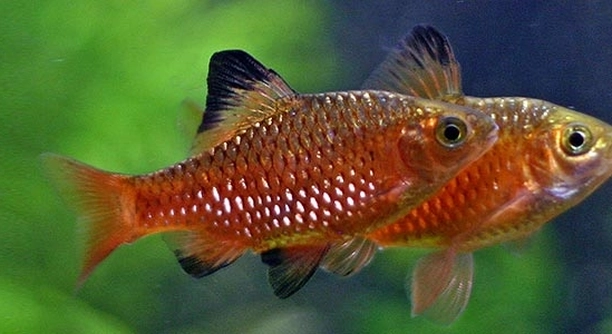
Rosy barbs are popular freshwater fish known for their vibrant colors and active behavior. Many aquarists seek the best plants to create a comfortable and natural environment for these fish. Choosing the right tank plants benefits both the fish and the overall aquarium ecosystem.
Seven specific tank plants are commonly used with rosy barbs due to their durability and suitability. These include species like Java fern, Anubias, Amazon sword, hornwort, water wisteria, Cryptocoryne, and Vallisneria. These plants provide shelter, oxygen, and improve water quality.
Knowing which plants work best can improve your aquarium’s balance and keep your rosy barbs healthy. The following details highlight the features and benefits of these seven tank plants.
Java Fern: A Hardy Classic for Rosy Barbs
Java fern is a popular choice for many aquarists because it is very hardy and easy to maintain. It grows well in various water conditions and does not require much light, making it ideal for tanks with active fish like rosy barbs. The plant has thick, broad leaves that provide good hiding spots and resting areas for the fish. It also helps improve water quality by absorbing excess nutrients, which reduces algae growth. Since Java fern attaches to rocks or driftwood rather than soil, it is less likely to be uprooted by the lively movements of rosy barbs. This plant adds natural beauty without much effort, making it a reliable option for both beginners and experienced fishkeepers.
Java fern is ideal for busy tank owners who want a low-maintenance yet effective plant that supports fish health.
Having Java fern in your tank creates a natural feel that makes rosy barbs more comfortable. It also contributes to a balanced environment by improving water quality. Its tough leaves withstand the energetic nature of rosy barbs, so you won’t have to worry about constant replanting. Overall, it is a practical choice for anyone looking to keep their aquarium healthy and attractive.
Anubias: Tough and Versatile Plant for Active Tanks
Anubias plants are well-known for their resilience in aquariums with active fish. They grow slowly but are very strong, with thick leaves that resist damage from fish activity.
This plant thrives in low to medium light and attaches easily to driftwood or rocks, making it suitable for tanks with rosy barbs. Anubias helps maintain clean water by absorbing nutrients and providing shade, which limits algae growth. Its broad leaves offer excellent shelter, giving shy or resting fish a safe place. Since the plant is not rooted in substrate, it won’t be disturbed by the swimming behavior of rosy barbs. This makes it a reliable and practical option to enhance your tank’s ecosystem and visual appeal while supporting fish well-being.
Amazon Sword: A Popular Choice for Rosy Barbs
The Amazon sword plant is favored for its large, broad leaves that offer excellent shelter for fish. It grows well in nutrient-rich substrate and requires moderate lighting.
This plant provides a natural hiding place that helps reduce stress for rosy barbs. Its sturdy leaves are not easily damaged by their active swimming. The Amazon sword also contributes to water quality by absorbing excess nutrients. While it needs regular fertilization to thrive, it adds a lush, green backdrop to the tank, enhancing its overall appearance. Its size and durability make it an effective plant for aquariums with lively fish.
Careful planting is important to avoid damaging the roots. Once established, the Amazon sword can grow quite large, making it suitable for medium to large tanks. The plant’s robust nature and oxygen-producing capacity create a healthy environment for rosy barbs to flourish.
Hornwort: Fast-Growing and Effective Oxygenator
Hornwort is a fast-growing, floating or anchored plant that helps oxygenate the water and reduces algae growth. It thrives in a wide range of water conditions.
This plant’s fine, feathery leaves provide excellent cover for rosy barbs, allowing them to feel secure. Hornwort grows quickly, which helps control excess nutrients and keeps the tank balanced. It requires moderate lighting and minimal care, making it a practical choice for many aquarium setups. Because it can float or be anchored, it adapts easily to different tank layouts and provides visual interest. Its fast growth supports a healthy aquarium environment and adds a dynamic element to the tank’s design.
Water Wisteria: Attractive and Fast-Growing
Water wisteria is a popular aquarium plant known for its delicate, lacy leaves. It grows quickly and helps improve water quality by absorbing excess nutrients.
Its fast growth can help control algae and provide shelter for rosy barbs, making it a useful addition to many tanks.
Cryptocoryne: Low-Maintenance and Durable
Cryptocoryne species are valued for their ability to thrive in low light and varying water conditions. Their thick, textured leaves add visual interest while withstanding the activity of rosy barbs. This plant grows slowly but steadily, making it a good option for stable tank setups. It prefers nutrient-rich substrate and moderate water flow, which supports healthy growth. Cryptocoryne provides hiding spots that reduce stress for fish and contributes to a balanced aquarium environment. Its resilience and ease of care make it a reliable choice for both beginner and experienced aquarists.
Vallisneria: Tall and Hardy Plant
Vallisneria is known for its tall, ribbon-like leaves that create a natural backdrop in the tank. It grows quickly and adapts well to different conditions.
FAQ
What plants do rosy barbs prefer in their tank?
Rosy barbs tend to thrive with sturdy plants that can handle their active swimming. Plants like Java fern, Anubias, and Amazon sword are favorites because they have tough leaves and strong roots. Floating plants like hornwort and water wisteria also work well, providing cover without being easily disturbed.
How do plants benefit rosy barbs?
Plants offer several benefits. They provide shelter, helping rosy barbs feel safe and reducing stress. Plants improve water quality by absorbing excess nutrients, which helps control algae. They also oxygenate the water, making the environment healthier. Some plants serve as mild food sources when fish nibble on leaves or roots.
Can rosy barbs damage aquarium plants?
Yes, rosy barbs are active swimmers and can sometimes nibble on soft or delicate plants. However, choosing hardy plants like Java fern, Anubias, or Cryptocoryne minimizes damage. Fast-growing plants like hornwort can recover quickly from minor nibbling. It is best to avoid fragile species that break easily.
How much light do these plants need?
Most plants suitable for rosy barbs require low to moderate lighting. Java fern and Anubias grow well in low light, while Amazon sword and water wisteria prefer moderate light to thrive. Proper lighting supports healthy growth without encouraging excessive algae.
Do these plants require special care or fertilizers?
Some plants need added nutrients to grow well. Amazon sword and Cryptocoryne benefit from nutrient-rich substrate and occasional fertilization. Java fern and Anubias are less demanding and can grow well without extra fertilizer. Hornwort and water wisteria also grow quickly with minimal care.
How often should I trim these plants?
Regular trimming depends on the plant and tank conditions. Fast growers like water wisteria and hornwort may need trimming every few weeks to prevent overcrowding. Slow growers like Anubias and Java fern only need occasional pruning to remove dead leaves. Trimming keeps the tank neat and ensures good water circulation.
Can floating plants help rosy barbs?
Floating plants like hornwort provide shade and shelter from bright light, which some rosy barbs appreciate. They create a natural environment and help reduce algae by absorbing nutrients from the water. Floating plants also add visual variety to the tank setup.
Is substrate important for plant growth in rosy barb tanks?
Yes, substrate plays a key role. Plants like Amazon sword and Cryptocoryne need nutrient-rich substrate to anchor roots and access nutrients. Java fern and Anubias don’t require substrate because they attach to rocks or driftwood. Choosing the right substrate supports healthy plant growth and creates a stable environment.
How do plants help control algae in rosy barb tanks?
Healthy plants compete with algae for nutrients like nitrates and phosphates. Fast-growing plants such as hornwort and water wisteria absorb these nutrients quickly, limiting algae growth. In addition, plants provide shade, reducing light that algae need to thrive. Maintaining plant health is an effective way to keep algae in check.
Can rosy barbs live without plants?
Rosy barbs can survive without plants but won’t have the same comfort or water quality benefits. Plants reduce stress by offering hiding spots and improve oxygen levels. Without plants, maintaining water quality may require more frequent cleaning and filtration. Including suitable plants creates a more balanced and healthy tank for rosy barbs.
Choosing the right plants for a rosy barb tank is an important step in creating a healthy and balanced aquarium. The plants discussed, such as Java fern, Anubias, and Amazon sword, are all durable and well-suited to the active nature of rosy barbs. These plants provide shelter and hiding places, helping to reduce stress among the fish. They also play a key role in maintaining water quality by absorbing nutrients that could otherwise lead to algae growth. Selecting hardy plants means less maintenance and a more stable environment for both the fish and the plants themselves.
Maintaining the plants involves some basic care, such as proper lighting and occasional trimming, especially for faster-growing species like water wisteria and hornwort. While some plants need nutrient-rich substrate or fertilizers, others, like Java fern and Anubias, can grow well without much effort. The variety of plants available allows aquarists to design a tank that fits their own style and needs while supporting the well-being of their rosy barbs. Having a mix of rooted and floating plants can also add visual interest and provide different kinds of shelter for the fish.
Overall, adding the right plants to a rosy barb aquarium is a practical way to enhance the tank’s health and appearance. The plants help create a natural habitat that encourages the fish to behave normally and remain active. A well-planted tank is easier to maintain and offers a more enjoyable experience for the aquarist. Choosing plants that are compatible with rosy barbs leads to a balanced, attractive, and thriving aquarium over time.

Hello,
If you enjoy the content that we create, please consider saying a "Thank You!" by leaving a tip.
Every little bit helps us continue crafting quality advice that supports the health, happiness, and well-being of pets around the world, for pets of all shapes, sizes, and species.
We really appreciate the kindness and support that you show us!