
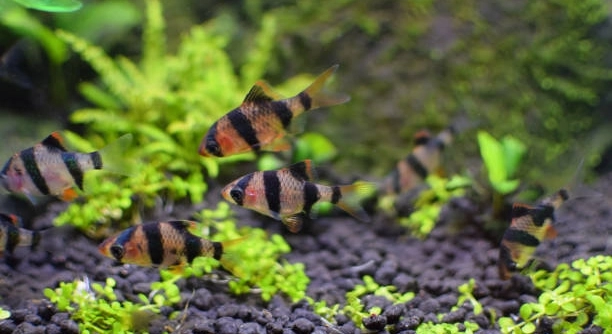
Are your tiger barbs constantly chasing other fish, leaving your peaceful community tank in chaos no matter what you try?
Tiger barbs are less likely to bother fast swimmers, similarly aggressive fish, or bottom dwellers with different activity zones. Choosing the right tank mates based on temperament, speed, and space use can significantly reduce nipping and stress.
These compatible species bring calm to the tank while still keeping things lively and colorful.
Cherry Barbs
Cherry barbs are peaceful and quick, making them a good match for tiger barbs. Their calm nature helps reduce tension in the tank, and their speed helps them avoid unwanted attention. Cherry barbs prefer to stay in schools, which gives them extra protection and helps them feel safe. Keeping them in groups of six or more can limit aggressive behavior from tiger barbs. Their red color offers contrast, but it doesn’t provoke aggression like flashy fins sometimes do. They also occupy the middle and lower areas of the tank, keeping them out of the tiger barbs’ usual swimming path.
Cherry barbs enjoy planted tanks, and tiger barbs do well in similar setups. This makes it easier to design a shared habitat.
With their quiet temperament and ability to adapt, cherry barbs blend in without standing out. They add color and movement without triggering aggressive instincts in tiger barbs.
Zebra Danios
Zebra danios are fast swimmers that don’t back down easily. Their speed and active nature make them less likely to be chased or bullied by tiger barbs.
They move quickly and constantly, making it difficult for tiger barbs to single them out. Zebra danios also prefer to stay in schools, which discourages aggression. When kept in a group of at least six, they often keep to themselves. Their energy level matches that of tiger barbs, but they tend to stay near the surface. This helps reduce competition and territory overlap.
Zebra danios adapt well to similar water conditions, making tank maintenance more manageable. They’re not aggressive, but they don’t freeze under pressure either. This balance helps keep the tank peaceful. If tiger barbs do show interest, zebra danios are usually too fast to catch. This reduces the chances of injury and keeps stress levels low. Their stripes may be bold, but their behavior isn’t flashy or threatening. This makes them a steady and low-risk option for a mixed tank.
Rosy Barbs
Rosy barbs are slightly larger and confident, which helps them avoid trouble with tiger barbs. Their active nature and size make them less likely to be targeted. They also do well in groups, which keeps interactions calm.
They prefer cool to moderate temperatures and need plenty of swimming space. When kept in schools of five or more, rosy barbs tend to stay busy with each other and ignore other fish. Their slightly aggressive behavior balances well with tiger barbs, reducing the chance of one-sided bullying. They’re not shy or fragile, and they can hold their own without causing fights. Rosy barbs also have a good food drive, which prevents tension during feeding. A mix of plants and open space helps both species feel secure, making tank harmony more likely.
Rosy barbs aren’t flashy enough to provoke tiger barbs, but they’re not timid either. Their energy matches the tank’s pace, creating balance. They stick to the middle zone, which helps avoid unwanted overlap. Their playful behavior adds movement without drawing aggression. As long as the tank is big enough, these barbs usually live peacefully alongside tiger barbs. They’re hardy, adaptable, and not easily pushed around, which makes them a practical choice in a semi-aggressive setup.
Yoyo Loaches
Yoyo loaches are bottom dwellers, which helps them stay out of the tiger barbs’ way. Their playful nature keeps them busy, and they rarely bother fish swimming above. They prefer groups and feel most secure when kept with four or more of their kind.
These loaches are fast, curious, and durable. They spend most of their time exploring the substrate and hiding in caves or under decorations. Since tiger barbs stay in the middle to upper levels, yoyo loaches go mostly unnoticed. This separation of space reduces stress and limits conflict. Yoyo loaches also have a bold attitude that prevents them from being pushed around, but they don’t pick fights either. They need a well-decorated tank with plenty of cover and smooth substrate to protect their sensitive barbels. Feeding time can get a bit competitive, so spreading food around the tank helps. They’re active, social fish that add energy without challenging the tiger barbs directly.
Platies
Platies are peaceful and quick, which helps them avoid being bothered. They usually stay in the middle and upper levels, like tiger barbs, but their calm behavior keeps them from drawing attention.
They do best in groups and prefer a planted setup. Their wide color range blends in easily without standing out too much.
Swordtails
Swordtails are strong swimmers with bold energy, making them a good fit for active tanks. Their long tail may seem risky, but their confident behavior often keeps tiger barbs from trying to nip. Swordtails also like to swim in open spaces and tend to ignore aggressive tank mates. They stay focused on their own group, which lowers the chances of tension. As livebearers, they breed easily, so it helps to monitor the tank population. A mix of plants and space gives them shelter and room to swim. When kept in a proper group with enough hiding spots, swordtails usually do well alongside tiger barbs.
Corydoras Catfish
Corydoras catfish keep to the bottom of the tank and avoid tiger barbs altogether. They move in small groups, mind their own space, and rarely interact with fish above them.
What makes a good tank mate for tiger barbs?
A good tank mate for tiger barbs is one that can handle their semi-aggressive nature without getting stressed or injured. Fast swimmers or fish with similar energy levels tend to avoid being picked on. Peaceful bottom dwellers and fish that prefer to stay in groups also work well because they don’t compete directly for space or food. Compatibility often comes down to temperament, size, and swimming zones within the tank. Providing plenty of hiding places and open swimming space also helps reduce conflict.
Can tiger barbs live peacefully with other barbs?
Yes, tiger barbs can live with other barbs, especially species that share similar behavior patterns. Barbs like rosy barbs or cherry barbs usually get along because they have comparable activity levels and temperaments. These fish often swim in schools, which helps spread out any aggression. However, it’s important to keep the tank well-planted and spacious to avoid territorial disputes. Monitoring their behavior regularly helps catch any early signs of aggression before it becomes a problem.
How many tiger barbs should be kept together?
Tiger barbs do best when kept in groups of six or more. This helps spread out their natural nipping behavior and prevents them from focusing aggression on one or two tank mates. A larger school also encourages natural social interactions and reduces stress. When kept alone or in very small groups, tiger barbs may become aggressive toward other fish and each other. Keeping the right number helps balance their behavior and makes the entire tank environment calmer.
Are tiger barbs compatible with slow-moving fish?
Tiger barbs are usually not compatible with slow-moving fish because their fast, sometimes aggressive nature can cause stress and injury. Slow swimmers like angelfish or bettas tend to become targets for nipping, which can lead to fin damage and health problems. It’s better to choose tank mates that can match the tiger barbs’ activity level or stay out of their way, such as bottom dwellers or fast swimmers.
Do tiger barbs require special tank conditions for community tanks?
Tiger barbs prefer slightly cooler water, between 74°F and 79°F (23°C to 26°C), with moderate water flow. They do well in tanks with plenty of swimming space and hiding spots created by plants and decorations. Good water quality is essential since tiger barbs are active fish and produce waste quickly. Regular water changes and proper filtration keep the environment stable. Maintaining compatible water parameters for all tank mates is also important to avoid stress and illness.
What should I feed tiger barbs when keeping them with other fish?
Tiger barbs are omnivores and do well with a varied diet. High-quality flakes or pellets designed for tropical fish form a good base. Supplementing with live or frozen foods like bloodworms, brine shrimp, or daphnia encourages natural hunting behavior and provides essential nutrients. When feeding a community tank, spread food evenly to ensure all species get enough without causing fights. Feeding smaller portions multiple times a day can help reduce aggression during mealtime.
Can tiger barbs be kept with shrimp or snails?
Tiger barbs may see shrimp as food, especially smaller species like cherry shrimp. Larger or well-protected shrimp can sometimes survive but still face risks. Snails are usually safer since tiger barbs tend to ignore them, but some aggressive barbs might nip at their antennae. If you want to keep shrimp or snails, provide plenty of hiding spots and dense plants. It’s best to observe interactions closely and be ready to separate animals if problems arise.
How to reduce aggression among tiger barbs?
Aggression can be reduced by keeping tiger barbs in larger groups, which spreads out their nipping behavior. Providing enough space and hiding places prevents territorial fights. Feeding regularly and evenly helps avoid food competition. Avoid overcrowding the tank, as this increases stress and aggression. Sometimes adding fast-moving or semi-aggressive tank mates can distract tiger barbs from picking on weaker fish. Regular tank maintenance also keeps water conditions stable, lowering stress levels that can lead to aggression.
Are tiger barbs suitable for beginner fishkeepers?
Tiger barbs can be suitable for beginners with some experience. They are hardy and adapt well to different water conditions. However, their semi-aggressive behavior requires careful tank mate selection and monitoring. Beginners should ensure the tank is large enough, maintain proper water quality, and understand their social needs. Keeping a school of tiger barbs rather than just a few helps manage their behavior. With the right setup and attention, they make lively and interesting additions to community tanks.
Tiger barbs are lively and colorful fish that bring energy to a community tank. Choosing the right tank mates is important to keep peace and reduce stress for all the fish involved. Not every species will do well with tiger barbs, as their semi-aggressive nature can lead to nipping and chasing. It’s best to pick tank mates that can handle their active behavior and fast swimming, or those that live in different parts of the tank. Groups of fish that stay together and avoid conflicts tend to have a better chance of peaceful coexistence. Creating a balanced environment with enough space and hiding spots also helps everyone feel secure.
When planning a community tank with tiger barbs, consider the fish’s size, temperament, and swimming level. Fish like cherry barbs, rosy barbs, and zebra danios usually work well because they share similar energy levels or keep to different areas of the tank. Bottom dwellers such as Corydoras catfish and yoyo loaches often avoid trouble by staying low where tiger barbs rarely swim. Feeding habits matter too. Offering a variety of food in different places helps keep peace during meal times. Regular monitoring is key to spotting early signs of aggression so you can make changes before problems worsen.
Overall, a tank with tiger barbs and compatible mates can be a lively, balanced setup. It requires thoughtful fish selection and proper tank care. Adequate tank size, water quality, and décor play a role in reducing stress and aggression. With patience and attention, tiger barbs can live alongside other species with minimal trouble. This approach helps create a healthy, enjoyable aquarium where the fish thrive together.

Hello,
If you enjoy the content that we create, please consider saying a "Thank You!" by leaving a tip.
Every little bit helps us continue crafting quality advice that supports the health, happiness, and well-being of pets around the world, for pets of all shapes, sizes, and species.
We really appreciate the kindness and support that you show us!