
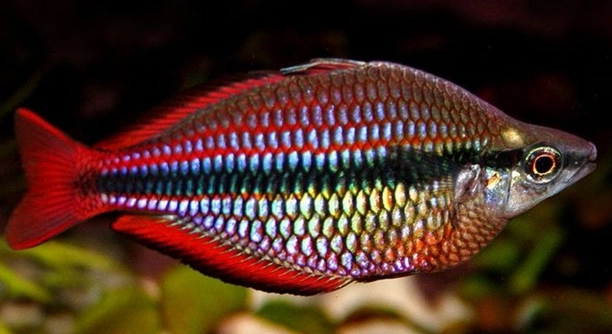
Rainbow fish are vibrant and popular in home aquariums, but finding suitable tank mates can be a challenge. Ensuring harmony in your tank is important for maintaining a peaceful environment. Certain fish species thrive alongside rainbow fish.
Rainbow fish generally do well with species that are peaceful and similar in size. Ideal tank mates include tetras, gouramis, and small catfish. Avoid overly aggressive fish or species with similar aggressive tendencies that could stress the rainbow fish.
Choosing the right tank mates ensures your rainbow fish enjoy a calm and thriving environment. Understanding compatible species helps maintain balance and harmony within your tank setup.
Best Tank Mates for Rainbow Fish
Rainbow fish are social creatures that thrive in groups. It’s important to choose tank mates that match their temperament. Fish that are calm, peaceful, and non-aggressive are usually the best options. Choosing the wrong tank mate can lead to stress, which may affect the overall health of your rainbow fish. Some species of fish may also compete for territory or food, which can make your rainbow fish feel uncomfortable. Keeping peaceful species together will create a more harmonious tank environment.
Tetras are ideal companions for rainbow fish. Species like neon tetras, ember tetras, and glowlight tetras work well because of their calm nature. These fish also share similar water conditions and temperature preferences. Tetras are small and non-threatening, making them a great choice for cohabitating with rainbow fish.
Gouramis are another good option. They come in various sizes and colors, offering diversity without being aggressive. Dwarf gouramis, in particular, are peaceful and won’t outcompete rainbow fish for food or space. Gouramis and rainbow fish share a calm disposition and similar care requirements, making them easy to care for together.
Fish to Avoid with Rainbow Fish
While rainbow fish are adaptable, some species should be avoided. Aggressive fish can create a stressful environment for them. Fish like cichlids and larger species of barbs can dominate the tank, causing your rainbow fish to hide or become sick. These fish are best kept in separate tanks to ensure both species are safe and comfortable.
When choosing tank mates for rainbow fish, remember to always consider their temperament and water needs. Adding too many aggressive fish or those that require different water conditions can cause stress. Some fish may not get along well with rainbow fish, so it’s crucial to do your research to ensure compatibility. Keeping the tank peaceful not only benefits the rainbow fish but also the other fish in the tank.
Peaceful Community Fish for Rainbow Fish
Peaceful community fish make great companions for rainbow fish. Species such as small danios and harlequin rasboras are non-aggressive, which helps maintain a calm tank environment. These fish share similar care needs, including water temperature and pH, ensuring the tank stays balanced and stress-free for your rainbow fish.
Danios are active but peaceful, and their fast swimming nature doesn’t interfere with rainbow fish. They’re small, which makes them ideal for a tank where space is shared. Harlequin rasboras, on the other hand, are slower swimmers and tend to stay in the middle or bottom of the tank, which helps avoid competition for space and food.
Both species are known for their vibrant colors and will add additional beauty to your tank without disrupting your rainbow fish. They are easy to care for, making them a perfect choice for a harmonious aquarium setup. Pairing these peaceful fish with rainbow fish can create a stunning, stress-free environment for all.
The Importance of Tank Size
Tank size plays a significant role in maintaining harmony among rainbow fish and their tank mates. The more space available, the easier it is for fish to establish their territories. A larger tank also allows for more fish, which can reduce aggression between species and help balance the ecosystem.
When choosing a tank size, ensure that there is enough space for all fish to swim freely. Rainbow fish need room to move, as do their tank mates. A 30-gallon tank is a good starting point for a few rainbow fish and compatible tank mates, but a larger tank is better for adding diversity without overcrowding.
Having the right tank size means that your rainbow fish won’t feel trapped. They’ll be able to engage in natural behaviors and avoid unnecessary stress. Overcrowding can lead to unhealthy conditions, so make sure the tank is spacious enough to accommodate all species comfortably.
Tank Decorations for Rainbow Fish
Tank decorations should be chosen carefully to ensure all fish, including rainbow fish, feel safe. Plants, rocks, and driftwood provide hiding spots and break up the space. This helps reduce stress and gives fish areas to explore.
Tall plants like java fern or water wisteria are great choices for hiding places. Rainbow fish enjoy swimming in open water, but also appreciate areas where they can rest. These decorations will also promote natural behavior, such as foraging and exploring, contributing to their well-being.
Adding decorations in the right places, while leaving ample swimming space, creates a natural and stress-free environment for your fish.
Tank Maintenance
Maintaining your tank is essential to keeping all fish healthy. Regular water changes, cleaning the substrate, and checking water parameters like pH and hardness will ensure that your rainbow fish and their tank mates stay happy. Healthy water conditions reduce stress and prevent diseases.
When performing maintenance, aim for a 25% water change every two weeks. This helps maintain a balanced ecosystem while avoiding drastic changes that could stress the fish. Proper filtration is also crucial to keep the tank clean and prevent harmful build-up of waste. Regular maintenance prevents issues before they arise.
Feeding Rainbow Fish
Feeding rainbow fish is simple, but it’s important to provide a balanced diet. High-quality flake foods, frozen or live foods like brine shrimp, and occasional plant matter will keep them healthy. Variety is key to meeting their nutritional needs.
Ensure your rainbow fish are getting enough food by observing their eating habits. They are typically good eaters, and adding different types of food helps ensure they receive all necessary nutrients.
FAQ
What size tank do rainbow fish need?
Rainbow fish need a minimum tank size of 30 gallons. They are active swimmers and thrive in larger tanks where they can swim freely. A larger tank also provides space for multiple rainbow fish and other tank mates. Keeping them in a cramped space can cause stress and limit their natural behavior. A 55-gallon tank is ideal if you’re planning to have several rainbow fish and additional species. The extra space allows them to form schools, which is essential for their well-being.
Can rainbow fish live with goldfish?
Rainbow fish and goldfish do not make good tank mates. Goldfish prefer cooler water temperatures, while rainbow fish thrive in warmer water, typically between 72°F and 78°F. The temperature difference can cause stress for both species. Goldfish can also be more aggressive and may compete for food, which can further stress the rainbow fish. It’s best to house each species in separate tanks to ensure they are comfortable and healthy.
How many rainbow fish should be kept together?
Rainbow fish are social and do best in schools of at least six individuals. Keeping them in a group helps reduce stress and promotes natural behaviors. A small group of rainbow fish can exhibit shyness or timidness. A larger school makes them feel secure and allows them to interact with each other. If you’re limited on space, start with at least four, but aim for six or more if possible. This will help them feel less stressed and more confident in their environment.
What other fish can live with rainbow fish?
Several peaceful fish species make great companions for rainbow fish. Tetras, such as neon and ember tetras, are small and non-aggressive, making them ideal tank mates. Corydoras catfish are another good choice, as they are bottom dwellers and won’t compete for space with rainbow fish. Other options include peaceful species like dwarf gouramis, platies, and guppies. Avoid larger or more aggressive species, as they can stress out the rainbow fish and disrupt the peaceful tank environment.
Are rainbow fish aggressive?
Rainbow fish are generally peaceful and not aggressive. They can be a bit territorial, especially during breeding seasons, but they are not known for picking fights with other fish. They may exhibit some dominance over each other, but this is typically mild and resolves itself over time. However, it’s important to provide enough space for them to establish their own territories. Aggressive behaviors are more likely if they feel overcrowded or if tank mates are too assertive. Proper tank size and well-matched companions will keep them calm and stress-free.
Do rainbow fish need a heater?
Yes, rainbow fish need a heater to maintain the proper water temperature. These fish thrive in warm water between 72°F and 78°F. Without a heater, the temperature in your tank can fluctuate, which can lead to stress and health issues. A reliable aquarium heater will keep the water temperature stable, ensuring your rainbow fish stay healthy and comfortable. Make sure the heater is rated for the size of your tank to maintain a consistent temperature throughout.
Can rainbow fish live with shrimp?
Rainbow fish can live with shrimp, but there are some considerations. While rainbow fish are generally peaceful, they may accidentally nip at small shrimp, especially if they are curious. Smaller shrimp species like cherry shrimp can be at risk, but larger shrimp, such as Amano shrimp, are better able to withstand interactions with rainbow fish. Providing plenty of hiding spots, such as plants and rocks, will give shrimp places to retreat to if they feel threatened. It’s important to observe the behavior of both species to ensure they are getting along.
How often should I feed rainbow fish?
Rainbow fish should be fed twice a day. A balanced diet of high-quality flake food or pellets will meet their nutritional needs. You can supplement their diet with live or frozen foods, such as brine shrimp or daphnia, to add variety and encourage natural hunting behaviors. Feed only as much as your fish can consume in a few minutes to avoid overfeeding, which can lead to poor water quality and health problems. It’s important to offer a mix of food to keep them healthy and prevent boredom.
What water conditions do rainbow fish need?
Rainbow fish prefer slightly alkaline water with a pH range of 7.0 to 8.0. The water hardness should be moderately soft to hard. They thrive in stable water conditions, so regular water changes and proper filtration are essential. Keep the temperature between 72°F and 78°F, and ensure there is good water circulation. Rainbow fish are sensitive to poor water quality, so it’s important to regularly check the water parameters to keep them healthy. Ammonia, nitrite, and nitrate levels should be kept at safe levels to prevent stress and illness.
Do rainbow fish need a lot of plants in the tank?
Rainbow fish enjoy a tank with plenty of plants. Live plants provide hiding spots, areas for resting, and help maintain water quality by absorbing excess nutrients. They also help create a more natural and peaceful environment. While rainbow fish prefer open swimming areas, adding plants like java ferns, Amazon swords, or anubias can enhance their tank setup. Plants also provide surfaces for biofilm growth, which can serve as a food source for the fish. Just make sure to leave open space for swimming and don’t overcrowd the tank with plants.
Final Thoughts
Rainbow fish are peaceful and active fish that can make a vibrant addition to your aquarium. Their striking colors and social nature make them an enjoyable species to keep. However, to ensure they thrive, it is important to create a suitable environment. A properly sized tank, ideally 30 gallons or more, is essential for their well-being. Rainbow fish require plenty of space to swim and interact with each other. A crowded tank can lead to stress, which may result in health problems. Keeping them in a school of six or more will allow them to feel more secure and exhibit natural behaviors. They are social creatures that thrive in groups, and having enough companions reduces stress and encourages healthy activity.
When it comes to tank mates, it’s important to choose species that complement the rainbow fish’s peaceful nature. Small, non-aggressive fish, such as tetras or corydoras catfish, are great options. Avoid species that might be too large or aggressive, as they could stress out the rainbow fish. Temperature and water conditions also play a big role in their health. Rainbow fish prefer warmer waters, so keeping the tank temperature between 72°F and 78°F is necessary. Consistent water quality is equally important, so regular maintenance, including water changes and filter checks, will ensure a stable and healthy environment. A well-maintained tank with clean, stable water conditions is key to keeping your rainbow fish happy.
In addition to choosing the right tank size, companions, and maintaining water quality, a balanced diet is essential for the health of rainbow fish. A variety of foods, such as high-quality flakes, pellets, and occasional live or frozen foods like brine shrimp, will help meet their nutritional needs. Feeding them twice a day in small amounts is recommended to avoid overfeeding. By observing your fish closely, you can ensure they are eating properly and remaining active. With proper care, rainbow fish can thrive and live for several years, offering beauty and life to your aquarium.

Hello,
If you enjoy the content that we create, please consider saying a "Thank You!" by leaving a tip.
Every little bit helps us continue crafting quality advice that supports the health, happiness, and well-being of pets around the world, for pets of all shapes, sizes, and species.
We really appreciate the kindness and support that you show us!