
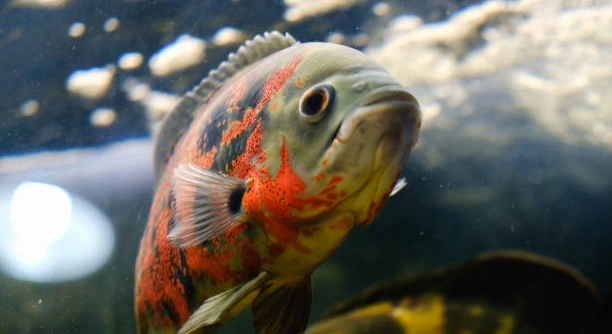
Oscar fish are popular aquarium pets known for their large size and curious nature. If you’re a fish owner, you may be wondering how different tank materials affect your Oscar fish’s behavior. The right setup can make a difference.
Oscar fish interact with various tank materials, including rocks, plants, substrate, and decorations. These materials influence their behavior, comfort, and overall health. Understanding how these elements affect your fish can improve their environment and well-being.
Certain materials encourage natural behaviors like hiding, exploring, and nesting. Knowing what works best will help create a healthier and more stimulating habitat for your Oscar fish.
Rocks and Stones
Oscar fish are naturally curious and enjoy exploring their surroundings. Adding rocks or stones to the tank gives them a place to hide, as well as something to investigate. These elements can make the environment feel more secure for them, especially since they tend to hide when they feel threatened. Smooth rocks or stones are preferable because they reduce the risk of injury to your fish.
Not only do rocks provide shelter, but they also help in creating a more natural feel to the tank. Oscars are used to rocky environments in the wild, so this setup can be beneficial to their overall comfort.
Make sure the rocks are clean and free from any sharp edges. Additionally, the placement of these rocks should not block the flow of water or make the tank too crowded. Properly arranged rocks can help your Oscar feel safe and reduce stress, improving their overall health.
Substrate Materials
The substrate in your tank can significantly influence how Oscar fish behave. Oscars tend to dig, so it’s essential to choose materials that are easy to burrow into without being too messy or sharp. Sand and smooth gravel work best for them.
Sand offers a soft, natural feel that allows Oscars to dig and sift through it. This behavior is an essential part of their natural instincts, so providing a substrate they can interact with can keep them engaged and happy. Smooth gravel is another good option, as it’s easy to clean and won’t hurt their delicate fins.
While decorative substrates like colored stones may seem appealing, they may not suit the natural needs of your Oscar fish. A more straightforward, functional substrate will keep your tank cleaner and your fish more comfortable. Make sure to avoid overly fine sand that may get sucked into your filtration system.
Plants in the Tank
Plants serve as both decoration and functional elements in an Oscar tank. They provide hiding spots and can help reduce stress. While Oscars may occasionally nibble on plants, they generally don’t cause much damage unless they’re soft and easily torn apart.
Live plants offer benefits, such as improving water quality by absorbing excess nutrients. However, Oscar fish are quite active and might uproot plants. Sturdier plants like Anubias or Java Ferns are better suited for their energetic nature. Plastic plants are another option, but they need to be smooth and safe to avoid injury.
If you’re using live plants, make sure to provide enough space for them to grow. Plants should also be placed securely in the substrate to avoid them being uprooted frequently. Even though Oscars might disturb them, plants still enhance the overall tank environment, providing a sense of security and offering a natural aesthetic.
Decorations and Tank Accessories
Decorations in the tank offer both function and appeal. Items like caves, driftwood, and artificial rocks can provide Oscars with places to hide, which is essential for their mental well-being. They also create areas where Oscars can rest and feel secure.
When choosing decorations, make sure they’re free of sharp edges to prevent injury. Natural elements like driftwood also help improve water quality, as they release tannins into the water, which can lower pH levels. Just be sure to clean any decoration thoroughly before adding it to your tank to avoid introducing harmful bacteria or chemicals.
Decorations should be arranged thoughtfully so that your Oscar has ample space to swim around and explore. Avoid overcrowding the tank with too many items. A few strategically placed pieces can create an enriching environment while leaving enough open space for your fish to feel comfortable and active.
Glass Tanks
Glass tanks are a popular choice for Oscar fish owners because they are easy to clean and maintain. Oscars are large and active, so the transparency of glass allows you to monitor their behavior closely without disturbance. Glass provides a sturdy, durable surface for the aquarium setup.
One downside of glass tanks is that they can be heavy and challenging to move, especially as they get larger. It’s important to make sure the stand can support the weight. Also, glass tanks can scratch easily, so be careful when using equipment or cleaning the surfaces.
Overall, glass is a practical option that offers clarity and strength. Just be mindful of the size and weight, as well as the risk of scratching during cleaning.
Acrylic Tanks
Acrylic tanks are another solid option, providing several benefits. They’re lighter than glass, making them easier to move, and they’re less prone to scratching. However, acrylic tends to scratch more easily than glass when exposed to harsh materials or abrasive tools.
One of the biggest advantages of acrylic tanks is their ability to be molded into different shapes. This flexibility allows for more creative tank designs, which can make your aquarium stand out. However, they do require a bit more care when cleaning. Using the right cloth and tools is essential to avoid scratches and preserve their clarity.
Overall, acrylic tanks provide a versatile, lightweight alternative to glass. While they come with some maintenance challenges, the benefits make them a great choice for many aquarium owners.
Water Conditioners and Chemicals
Water conditioners and chemicals play a critical role in maintaining the health of your Oscar fish. These products help adjust water parameters, such as pH, hardness, and chlorine levels, ensuring a safe environment for your fish. Water conditioners can neutralize harmful substances, such as chloramine, which is commonly found in tap water.
Be sure to use the right type of water conditioner suited for your tank. Overuse of chemicals can alter water conditions too drastically, which could stress or harm your fish. Test your water regularly to ensure that the chemical levels are within the optimal range for Oscars.
FAQ
What size tank is best for Oscar fish?
Oscar fish are large and active, so they need plenty of space to thrive. A 75-gallon tank is the minimum recommended size for one Oscar fish. If you plan to keep more than one, you’ll need an even larger tank—around 100 gallons or more. This ensures they have enough room to swim and establish territories. When choosing a tank size, it’s also important to consider filtration, as Oscars produce a lot of waste, requiring strong filtration to maintain water quality.
Can Oscar fish live with other fish?
Oscar fish are territorial and aggressive, especially as they grow larger. They can live with other fish, but only if the tankmates are large, hardy, and able to hold their own. Common tankmates for Oscars include large cichlids, catfish, or other strong, fast-moving fish. Small, slow fish or those with long, flowing fins should be avoided, as they may become targets for Oscar aggression. It’s essential to monitor their behavior and provide plenty of hiding spots to reduce stress and conflict.
What should I feed my Oscar fish?
Oscar fish are carnivorous and thrive on a diet that includes high-quality pellets, frozen or live foods like worms, shrimp, and small fish. A balanced diet is important to maintain their health, and you should aim to feed them twice a day. Offer a variety of foods to ensure they get all the necessary nutrients. While Oscars may eat some plant material, it’s best to focus on protein-based foods. Be mindful not to overfeed, as this can lead to poor water quality and obesity.
How often should I clean an Oscar tank?
Keeping an Oscar tank clean is essential for their health. You should perform partial water changes at least once a week, removing 25-30% of the water and replacing it with fresh, dechlorinated water. In addition to regular water changes, it’s important to clean the substrate, decorations, and filter regularly. Oscars are messy eaters, so over time, uneaten food and waste can build up quickly. Regular cleaning helps maintain water quality and reduces the risk of diseases.
Do Oscar fish need a filter?
Yes, Oscar fish require a filter due to their large size and high waste production. A strong filter helps keep the water clean by removing debris, excess food, and toxins. It also provides water movement, which is important for maintaining oxygen levels. For an Oscar tank, it’s best to use a filter rated for a tank size larger than your actual tank volume. Regularly check and clean the filter to keep it functioning properly.
What type of substrate is best for Oscar fish?
Oscar fish enjoy digging and foraging, so a soft substrate like fine gravel or sand is ideal for them. Sand is particularly beneficial because it mimics the natural environment of Oscars in the wild, providing a soft, easy-to-dig surface. Gravel can also work, but it should be smooth and not too coarse, as rough edges can injure your fish. Avoid using large, sharp rocks or substrates that can be difficult to clean, as these may cause harm or make maintenance more difficult.
How can I tell if my Oscar is stressed?
Signs of stress in Oscar fish include unusual swimming patterns, such as darting or hiding excessively, as well as a lack of appetite. Oscars may also display erratic behavior, such as swimming into tank walls repeatedly, or showing aggression towards other tankmates. Stress can be caused by poor water quality, overcrowding, or incompatible tankmates. If your Oscar is showing signs of stress, it’s important to check water parameters, provide hiding spots, and address any other potential issues in the tank setup.
Can Oscar fish live in cold water?
No, Oscar fish are tropical fish and require warm water to stay healthy. The ideal water temperature for an Oscar is between 74°F and 81°F (23°C to 27°C). Keeping them in cold water can lead to a weakened immune system, making them more susceptible to diseases. You’ll need to use a reliable aquarium heater to maintain a stable temperature in your tank. Regularly check the water temperature to ensure it remains within the optimal range.
How fast do Oscar fish grow?
Oscar fish grow quickly, especially when provided with the right environment and a nutritious diet. They can reach 8-12 inches in the first year of life, and may continue to grow up to 18 inches or more as they age. The growth rate can vary depending on factors like tank size, water quality, and feeding habits. Providing ample space and proper care will help your Oscar reach its full size.
What is the lifespan of an Oscar fish?
Oscar fish typically live 10 to 15 years, though some can live even longer with optimal care. Factors like water quality, diet, and tank conditions can all affect their lifespan. By providing a large, clean tank, maintaining good water quality, and feeding a balanced diet, you can help your Oscar live a long, healthy life. Regular health checks and preventive care also contribute to their longevity.
Are Oscars good for beginners?
While Oscars are beautiful and interesting fish, they may not be the best choice for beginners due to their size, aggression, and care requirements. Oscars need a large, well-maintained tank and proper water conditions. They can be challenging for new fish owners to manage, especially if you’re not familiar with handling water quality, tank filtration, and feeding. However, with proper research and preparation, even beginners can successfully care for Oscar fish. If you’re new to fishkeeping, it’s a good idea to start with less demanding species before moving on to Oscars.
Final Thoughts
Oscar fish can make a great addition to your aquarium if you’re prepared for their needs. They are large, active, and sometimes aggressive, so you’ll need to give them enough space to thrive. A 75-gallon tank is the minimum for one Oscar, and if you want to keep more than one, you’ll need an even bigger tank. Providing plenty of hiding spots and decorations will help them feel secure and reduce stress. A strong filter is also essential to handle the waste they produce. Proper care and the right environment can help your Oscar live a long and healthy life.
When setting up a tank for Oscars, it’s important to think about their natural behaviors. They like to dig, explore, and have a space to retreat when they feel threatened. Adding smooth rocks, safe decorations, and sturdy plants will create a more comfortable and natural environment for them. Choose your tank mates carefully, as Oscars can be aggressive, especially as they grow. It’s best to keep them with other large, robust fish that can handle their assertive nature. Regular maintenance, including water changes and cleaning the tank, will also keep your Oscar healthy and happy.
Overall, Oscars are rewarding fish to care for, but they do require attention and commitment. Understanding their behavior, providing the right tank setup, and meeting their dietary needs will ensure they live a long and fulfilling life. If you’re new to fishkeeping, it might take some time to get everything right, but with patience and the right resources, you’ll be able to enjoy these fascinating fish. Whether you’re a beginner or experienced aquarium owner, an Oscar can add excitement to your tank and become a real centerpiece.

Hello,
If you enjoy the content that we create, please consider saying a "Thank You!" by leaving a tip.
Every little bit helps us continue crafting quality advice that supports the health, happiness, and well-being of pets around the world, for pets of all shapes, sizes, and species.
We really appreciate the kindness and support that you show us!