
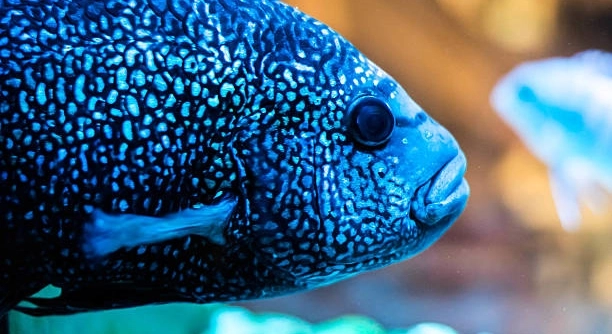
Have you ever set up a new tank for your Jack Dempsey fish and noticed they seem uncomfortable or shy? These fish have clear preferences for their surroundings and can react strongly to certain materials.
Jack Dempsey fish tend to dislike tank materials that are rough, overly bright, reflective, or made of certain plastics and metals. Such materials can cause stress, reduce activity, and negatively affect their overall well-being in an aquarium environment.
Knowing which materials to avoid will help you create a calm and safe space where your fish can feel comfortable and thrive.
Rough or Sharp Substrates
Using rough or sharp substrates in a Jack Dempsey tank can be harmful to your fish. These materials can scrape their delicate fins and scales, leading to stress or infections. Many owners think gravel with jagged edges looks natural, but it may be unsafe. Smooth sand or polished pebbles are much safer options. The fish will feel more comfortable swimming and resting on softer surfaces, reducing stress levels. If a tank has already been set up with rough materials, it’s best to replace them carefully, removing all sharp fragments. Some decorations also have edges that seem minor but can still cause injuries. Over time, even minor scrapes can lead to infections. Keeping the tank substrate soft and safe allows your fish to explore naturally without hesitation. Observing them on smoother surfaces usually shows more active, confident behavior, which is ideal for their health.
Sharp or rough surfaces increase the risk of physical injuries, making smoother alternatives necessary for safe tank conditions.
Many Jack Dempsey fish will avoid areas with harsh substrates entirely. Their movements become cautious, and they may stay near the surface or behind decorations to avoid contact. This behavior reduces exercise and natural interaction with the tank. Smooth sand allows them to forage naturally without risk. Choosing gentle substrates improves their overall health, encourages exploration, and keeps them active. Polished stones or fine sand provide a stable base for planting and decorating. Avoiding sharp materials also reduces the risk of water contamination from damaged scales or fins. For owners, it’s important to balance aesthetics with safety, making choices that support both the tank’s look and the fish’s well-being. Soft, uniform substrates also make cleaning easier, preventing trapped debris that could harbor bacteria. A well-prepared substrate ensures Jack Dempsey fish enjoy their environment safely, maintaining vibrant colors and lively behavior over time.
Highly Reflective Surfaces
Highly reflective tank walls can confuse Jack Dempsey fish. They often perceive their reflection as another fish, leading to stress, aggression, or hiding.
Reflections can cause repeated territorial displays, increasing cortisol levels and reducing immunity in the fish.
Jack Dempsey fish are naturally territorial, and seeing a mirror image triggers repeated defensive behavior. This constant stress can make them less active, reduce appetite, and even cause physical damage from bumping against glass. Matte backgrounds or opaque panels help eliminate reflections, creating a calmer environment. Fish may gradually explore open areas once they feel secure, improving exercise and foraging habits. It’s important to monitor behavior and adjust tank decor if signs of stress appear. Plants, rocks, or background images can break up reflective surfaces, giving your fish visual comfort. Maintaining proper lighting also reduces glare that worsens reflections. By reducing reflective surfaces, Jack Dempsey fish can display natural behaviors, interact with their environment more confidently, and develop a healthy routine that supports long-term well-being. Observing calmer and more consistent activity confirms a suitable, reflection-free environment.
Certain Plastics
Some plastics release chemicals that Jack Dempsey fish find unpleasant. Cheap decorations or containers made from low-quality plastic can affect water quality, stressing the fish. Avoid any items that are not labeled safe for aquariums.
Even plastics labeled for aquariums can sometimes leach odors or residues that Jack Dempsey fish dislike. Over time, these substances can alter water chemistry, causing irritation or discomfort. Fish may hide more often or show reduced activity if stressed by their surroundings. Regularly rinsing new plastic items and monitoring water quality helps prevent problems. Choosing durable, non-toxic plastics reduces risks and ensures a more stable environment. Observing your fish after adding plastic decorations will quickly reveal whether they accept them. Materials that remain neutral in water and free of odors support natural behavior.
Plastics with rough or uneven surfaces can also be avoided. Smooth, well-finished items are safer, reducing injury risks and making cleaning easier. Lightweight decorations may float or shift, alarming the fish. Anchoring plastics or combining them with stones keeps them stable. Fish prefer consistent surroundings, so sudden changes in plastic placement can stress them. Durable, inert plastics maintain both appearance and safety. By selecting carefully, Jack Dempsey fish can explore, hide, and interact with the tank naturally. Monitoring reactions after adding new plastics ensures long-term comfort and health, keeping them active and vibrant.
Metals That Rust
Certain metals corrode in water, releasing harmful compounds. Decorations or fixtures made from untreated metal can stress Jack Dempsey fish. Avoid items that show early signs of rust.
Metals like iron or low-grade alloys react with water, causing discoloration and toxicity. Rusty surfaces produce compounds that irritate the fish’s skin and gills, reducing appetite and activity. Even small rust patches can create long-term stress if left untreated. Replacing metal items with stainless steel, titanium, or coated alternatives ensures safety. Regular inspection of tank components prevents corrosion before it affects water quality. Fish behavior, such as hiding or aggression, often signals metal-related discomfort. Using protective coatings or inert metals maintains a safe and calm environment for Jack Dempsey fish.
Metal decorations with sharp edges are doubly harmful. They not only corrode but can physically injure fins and scales. Over time, exposed rust can lead to infections or cloudy water, harming overall tank health. Combining metal items with non-metallic bases can reduce contact and minimize risk. Regular water changes help remove any trace metals. Avoiding cheap or untreated metals improves tank safety while keeping decorations visually appealing. Jack Dempsey fish prefer stable, consistent surroundings, and careful material selection allows them to swim, explore, and interact naturally. Observing how they respond to metals helps maintain long-term well-being and reduces stress-related behaviors.
Glass Decorations With Sharp Edges
Glass decorations with sharp or jagged edges can injure Jack Dempsey fish. Even small chips can tear fins or scales, causing stress or infections. Smooth, polished glass is much safer.
Large glass items that shift or topple are risky. Jack Dempsey fish may bump into them, leading to cuts or bruises. Choosing stable, well-finished pieces reduces accidents and keeps the tank safe.
Painted or Coated Ornaments
Painted or coated ornaments can peel over time, releasing particles into the water. Jack Dempsey fish often avoid areas where coatings flake, as the texture and chemicals irritate them. Even aquarium-safe paints can degrade if exposed to water long-term, so regular inspection is important.
Porous Rocks
Porous rocks can trap debris and bacteria, creating stress for Jack Dempsey fish. They may avoid these areas to reduce exposure. Regular cleaning and selecting smoother rock surfaces help maintain water quality and create a safer environment for exploration.
Aluminum Items
Aluminum items can react with water, releasing compounds harmful to Jack Dempsey fish. Even small pieces corrode over time, affecting both water chemistry and fish comfort. Avoid using uncoated aluminum in the tank to maintain a healthy environment.
FAQ
What materials are completely safe for Jack Dempsey tanks?
Smooth sand, polished pebbles, and high-quality, non-toxic plastics are generally safe. Stainless steel, titanium, and coated metals can also be used. Avoid rough, sharp, or untreated items that can injure or stress your fish. Natural rocks with smooth surfaces are safe if cleaned properly.
Can decorations affect Jack Dempsey fish behavior?
Yes, decorations have a direct impact. Sharp or reflective surfaces may cause hiding, stress, or aggression. Plastics or metals that release odors or particles can reduce activity and appetite. Fish are more relaxed with stable, safe, and familiar surroundings.
How do I check if a plastic decoration is safe?
Look for items labeled aquarium-safe. Rinse thoroughly before adding to the tank. Avoid cheap or unknown plastics that may release chemicals. Observe your fish closely after adding any new plastic for signs of avoidance or stress.
Are porous rocks safe to use?
Porous rocks can be tricky. They trap debris and bacteria, which can affect water quality. Smooth rocks are better for Jack Dempsey fish. If you use porous rocks, clean them regularly and monitor your fish’s behavior to ensure comfort.
Can reflective tank walls harm Jack Dempsey fish?
Yes. They see their own reflection as another fish, which triggers aggression or hiding. Matte backgrounds, plants, or decorations reduce reflections. Fish in reflective tanks may constantly display territorial behaviors, increasing stress and reducing immunity.
Is it safe to use painted ornaments?
Painted ornaments can peel or flake over time, releasing particles into the water. Even aquarium-safe paints may degrade. Regularly inspect decorations and remove any that show wear to prevent irritation or chemical exposure. Smooth, unpainted ornaments are safer long-term.
Do metals always harm Jack Dempsey fish?
Not all metals are harmful. Untreated metals like iron or low-grade alloys corrode and release compounds harmful to fish. Stainless steel, titanium, or coated metals are safe. Inspect items regularly and avoid corrosion for a stable tank environment.
Can rough substrates injure fish?
Yes. Sharp or jagged gravel can scrape fins and scales. This can lead to infections and stress. Smooth sand or polished pebbles provide a safer surface. Fish are more active and confident on softer substrates.
How often should I replace tank decorations?
Replacement depends on material condition. Plastics, metals, or painted items may degrade over time. Rocks or glass are durable but should be checked for sharp edges. Regular inspection ensures safety, preventing stress, injury, or water contamination.
What signs indicate my Jack Dempsey fish dislikes a material?
Avoidance, hiding, reduced activity, stress coloration, or fin damage are common signs. Fish may stay in one area to avoid contact. Observing behavior after adding new materials helps identify problematic items. Removing or replacing them improves comfort and overall health.
Are there alternatives to metal decorations?
Yes. Ceramic, resin, and smooth rocks are excellent alternatives. They are safe, durable, and non-toxic. These materials don’t corrode or release chemicals, providing a calm, stable environment for Jack Dempsey fish to explore and establish territories naturally.
How can I make an existing tank safer?
Inspect all decorations and substrate. Remove sharp, rough, or corroded items. Replace plastics and painted items showing wear. Use smooth sand or polished pebbles. Add plants or stable ornaments to break reflections. Monitor fish behavior regularly to ensure comfort and safety.
Do Jack Dempsey fish adapt to unsafe materials over time?
They may tolerate them temporarily but will remain stressed. Chronic exposure can reduce immunity, appetite, and activity. It’s better to provide safe, stable materials from the start rather than expecting adaptation. Fish thrive in consistent, non-irritating environments.
Can rust affect water quality?
Yes. Rust from metals like iron releases compounds that irritate fish and can cloud water. Removing or coating metal items prevents contamination. Regular water testing ensures tank conditions remain safe for Jack Dempsey fish.
Is there a way to make reflections less stressful?
Yes. Using a matte background, floating plants, or opaque decorations breaks reflective surfaces. Adjusting lighting to reduce glare also helps. These changes create a calmer environment where Jack Dempsey fish can display normal behavior without repeated territorial stress.
How do I safely introduce new tank materials?
Rinse and, if needed, soak new items before adding. Add one item at a time and observe fish reactions. Remove anything that causes avoidance, hiding, or stress. Gradual introductions help fish adapt to their environment safely.
Can aquarium-safe plastics still be harmful?
Some can, if low-quality or improperly cured. They may leach odors or particles over time. Choose durable, high-quality plastics, rinse thoroughly, and monitor fish behavior to prevent stress or water contamination.
Do Jack Dempsey fish prefer natural or artificial decorations?
They often prefer natural-looking environments with smooth rocks, plants, and safe substrates. Artificial decorations are fine if smooth, stable, and free of harmful chemicals. Comfort and safety take priority over aesthetics for long-term well-being.
What is the best substrate for Jack Dempsey fish?
Fine sand or polished pebbles are ideal. Avoid rough or sharp gravel that can injure fins and scales. Smooth substrates allow natural foraging, resting, and swimming behavior while reducing the risk of stress or infections.
How often should I inspect the tank for harmful materials?
Monthly inspections are recommended. Look for sharp edges, peeling paint, rust, or degraded plastics. Checking frequently helps prevent injuries, stress, or water quality issues. Early detection keeps Jack Dempsey fish healthy and active in a safe environment.
Jack Dempsey fish are strong, colorful, and fascinating to keep, but their comfort in a tank depends heavily on the materials used. Rough substrates, sharp decorations, and untreated metals can cause physical injuries or stress. Even small scratches on fins or scales can lead to infections and long-term health problems. Smooth sand, polished pebbles, and well-finished rocks provide a safe surface for swimming and resting. Fish feel more confident and active when they can explore without worrying about getting hurt. Stable decorations, whether natural or artificial, give them places to hide and establish territories, which helps reduce aggression and anxiety. Paying attention to these details may seem small, but they have a direct impact on how your Jack Dempsey fish behave and thrive in the tank.
The chemical composition of materials also matters. Some plastics and metals can release compounds into the water over time, even if they are labeled aquarium-safe. Painted or coated items can flake, while untreated metals like iron or low-grade alloys may rust and affect water quality. Jack Dempsey fish are sensitive to these changes, often avoiding areas where they feel uncomfortable. Highly reflective surfaces can trigger territorial behavior, making them stress-prone and less active. Choosing materials that remain inert, non-toxic, and stable in water ensures a healthier environment for your fish. Regular observation of their behavior is crucial. Avoidance, hiding, or sudden aggression are signs that some materials may not be suitable. By replacing or adjusting problematic items, you can create a calm, safe, and engaging tank for your fish, supporting both their physical health and natural behaviors.
Creating a tank for Jack Dempsey fish is not just about aesthetics; it’s about safety, comfort, and long-term well-being. Every choice, from the substrate to decorations and metals, has an effect on the fish’s environment. Smooth, stable, and inert materials allow the fish to swim freely, explore, and interact naturally with their surroundings. Regular cleaning, inspection, and careful selection of materials prevent stress, injury, and water contamination. Over time, a well-prepared tank encourages healthy behavior, vibrant coloration, and active feeding patterns. Investing time in understanding which materials your fish dislike and avoiding them results in a more harmonious aquarium. Your Jack Dempsey fish will be less stressed, more confident, and better able to thrive, making the tank a healthier and more enjoyable place for them to live.

Hello,
If you enjoy the content that we create, please consider saying a "Thank You!" by leaving a tip.
Every little bit helps us continue crafting quality advice that supports the health, happiness, and well-being of pets around the world, for pets of all shapes, sizes, and species.
We really appreciate the kindness and support that you show us!