
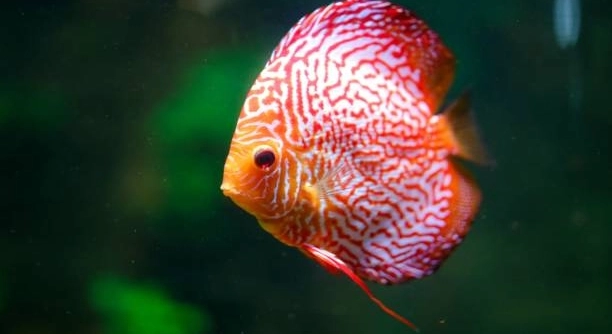
Discus fish are beautiful and sensitive pets that require special care. Maintaining their tank properly helps keep them healthy and vibrant. Many discus owners develop habits that improve their fish’s environment over time.
Regular tank maintenance is essential for discus fish health. Key habits include consistent water changes, monitoring water parameters, proper filtration, and careful feeding routines. These practices prevent disease, reduce stress, and promote a stable habitat for discus longevity.
Knowing the right habits can make caring for discus easier and more rewarding. This article will explain simple yet effective ways to keep your discus tank in great condition.
Consistent Water Changes
Changing the water regularly is crucial for discus health. Clean water helps keep harmful toxins like ammonia and nitrites low. These substances build up from fish waste and uneaten food, making the tank unsafe. Many discus owners set a schedule for partial water changes, usually about 25-30% once a week. This helps maintain stable water quality without stressing the fish too much. Using a water conditioner to remove chlorine and chloramine is also important. It is best to match the temperature of the new water to the tank to avoid shocking the fish. Over time, regular water changes become a simple routine that improves the fish’s overall well-being. The clearer water also makes the tank look nicer and lets the discus show their bright colors.
Partial water changes reduce toxins and keep the tank clean. Regular water replacement is key to a healthy discus environment.
Water changes must be done carefully. Too large or too frequent changes can stress discus fish, causing health problems. It’s ideal to change water on a set schedule and remove debris from the substrate during this process. Using a siphon helps clean the bottom of the tank without disturbing the fish too much. Testing water parameters like pH, ammonia, and nitrate before and after changes ensures conditions stay within a safe range. With consistent care, your discus will thrive in a clean, balanced tank environment.
Monitoring Water Parameters
Keeping an eye on water conditions is essential for discus care. Checking pH, temperature, ammonia, nitrites, and nitrates regularly helps avoid sudden changes that can harm your fish.
Water testing kits are easy to use and provide quick results. Discus prefer slightly acidic to neutral pH, around 6.0 to 7.0, and stable temperatures near 82°F to 86°F (28°C to 30°C). Ammonia and nitrite levels should be zero, while nitrates must stay low. Sudden shifts in these factors can cause stress or illness. Monitoring helps detect problems early so you can take action before fish show signs of distress.
Understanding your tank’s water chemistry supports better decision-making in daily maintenance. It prevents issues like infections and keeps discus behavior normal. Regular monitoring paired with water changes keeps your tank environment steady and safe. It also allows you to adjust care routines as needed for the best results. Maintaining these standards is key for long-term discus health and vibrant colors.
Proper Filtration
A good filter keeps the water clean and clear. It removes waste and helps maintain healthy bacteria that break down harmful substances.
Choosing the right filter size is important. It should turn over the tank water at least four times per hour to keep the environment stable. Filters with biological, mechanical, and chemical media work best for discus tanks. Biological media encourage beneficial bacteria to thrive, which helps break down ammonia and nitrites into less harmful nitrates. Mechanical media traps debris, and chemical media removes toxins and odors. Regular cleaning of filter components ensures they continue working efficiently without harming the beneficial bacteria.
Placement of the filter outlet should create gentle water flow, as discus prefer calm conditions. Strong currents can stress them. Checking the filter regularly and replacing parts when needed prevents malfunction. This keeps the tank water healthy, supporting discus health and reducing maintenance problems.
Careful Feeding Routines
Feeding discus properly prevents overfeeding and keeps water quality high. Small amounts given two to three times daily work well.
Using high-quality, varied food supports discus nutrition. Frozen, live, and pellet foods can be combined to meet dietary needs. Avoid overfeeding, as leftover food decays and pollutes the tank. Watch your discus eat to ensure all food is consumed quickly. Remove uneaten portions to prevent waste buildup. Feeding in small portions helps control water quality and prevents digestive issues.
Feeding schedules should stay consistent. Sudden changes can stress discus and impact their digestion. A balanced diet also supports their color and immune system, making them more resistant to disease. Keeping track of feeding habits will improve tank health overall and promote happy, thriving discus fish.
Regular Tank Cleaning
Cleaning the tank regularly keeps it free from algae and debris. It also prevents harmful bacteria from growing.
Use a soft sponge or algae scraper to clean the glass gently. Avoid harsh chemicals that can harm discus fish.
Maintaining Stable Temperature
Discus fish are sensitive to temperature changes. Keeping a stable temperature around 82°F to 86°F is essential for their health and comfort.
Use a reliable heater and thermometer to monitor and adjust the temperature. Sudden drops or spikes can cause stress and illness. Consistent warmth supports their immune system and helps maintain normal behavior. Placing the heater where water flow is good helps distribute heat evenly throughout the tank. Avoid placing the tank near windows or vents to reduce temperature fluctuations.
Quarantine New Fish
Isolating new fish before adding them to your tank protects discus from diseases. A separate quarantine tank helps prevent spreading infections.
Quarantine lasts two to four weeks, allowing time to observe new fish for signs of illness. This step is important for maintaining a healthy main tank environment.
FAQ
How often should I change the water in a discus tank?
Water changes should be done weekly, replacing about 25-30% of the tank water each time. This helps keep harmful substances low and maintains stable water conditions without stressing the fish. Some owners do smaller changes more often, but consistency is key.
What water parameters are best for discus?
Discus thrive in slightly acidic to neutral pH, usually between 6.0 and 7.0. Temperature should stay stable around 82°F to 86°F (28°C to 30°C). Ammonia and nitrites must be zero, and nitrates should remain low, ideally under 20 ppm. Keeping these parameters steady supports discus health.
Can I use tap water for discus tanks?
Tap water is fine if treated properly. Always use a water conditioner to remove chlorine and chloramine, which are toxic to fish. It’s also a good idea to test the water before adding it, to ensure parameters like pH and hardness are within a safe range.
How important is filtration for discus tanks?
Filtration is essential for maintaining water quality. A filter that cycles the tank water several times per hour helps remove waste and supports beneficial bacteria growth. Biological, mechanical, and chemical filtration together create a balanced environment for discus.
What should I feed discus fish?
Discus need a varied diet that includes high-quality pellets, frozen or live foods such as bloodworms, brine shrimp, and beef heart. Feeding small amounts two to three times daily prevents overfeeding and keeps the water clean. Removing leftover food is important to avoid pollution.
How do I prevent discus from getting stressed?
Stress can come from sudden changes in water, poor water quality, strong currents, or overcrowding. Keeping water parameters stable, maintaining gentle water flow, and giving discus enough space will help them feel safe. Avoid loud noises and sudden movements around the tank.
Why is quarantining new fish necessary?
Quarantining new fish for two to four weeks helps detect diseases before they reach the main tank. This practice prevents infections and protects the health of your existing discus. During quarantine, observe fish for signs of illness and treat if necessary.
How can I tell if my discus is healthy?
Healthy discus are active, show bright colors, and have clear eyes. They eat regularly and swim calmly. Watch for signs like clamped fins, loss of color, lethargy, or unusual spots, which may indicate illness or stress and require attention.
Is it okay to keep other fish with discus?
Discus prefer peaceful tank mates that won’t compete aggressively for food or territory. Suitable companions include small tetras, corydoras catfish, and some dwarf cichlids. Avoid fin-nipping or highly active fish that can stress discus.
How do I maintain stable temperature in my discus tank?
Use a quality heater and thermometer to monitor the temperature closely. Keep the heater placed where water flow distributes heat evenly. Avoid placing the tank near windows, air conditioners, or vents to prevent sudden temperature changes that stress discus.
Maintaining a discus tank requires patience and regular care, but the rewards are worth it. Keeping consistent habits like water changes, monitoring parameters, and proper feeding will create a stable environment where your discus can thrive. These fish are sensitive, so small changes can have big effects. By paying attention to their needs and staying on top of tank maintenance, you help ensure they stay healthy and vibrant over time. Consistency in your routine is key to avoiding common problems and keeping the tank clean and balanced.
Good filtration and stable temperature are just as important as water quality. Filters support the natural biological processes that keep the tank safe, while stable heat helps discus avoid stress and illness. It’s important to choose equipment that matches your tank size and discus needs. Cleaning the tank regularly, but gently, removes algae and debris without disturbing your fish. Avoiding strong currents and overcrowding also helps discus feel comfortable. These habits together create a peaceful space where discus can display their full colors and natural behavior.
Quarantining new fish and feeding them well-rounded diets will support discus health in the long run. Introducing new fish carefully protects your existing discus from disease, while proper nutrition strengthens their immune systems. Feeding small amounts multiple times a day helps maintain water quality and prevents digestive issues. With time, these habits will become a natural part of caring for your tank. Taking a thoughtful, steady approach to discus maintenance helps you enjoy their beauty and calm presence for years to come. The effort invested in care truly shows in the health and happiness of your discus fish.

Hello,
If you enjoy the content that we create, please consider saying a "Thank You!" by leaving a tip.
Every little bit helps us continue crafting quality advice that supports the health, happiness, and well-being of pets around the world, for pets of all shapes, sizes, and species.
We really appreciate the kindness and support that you show us!