
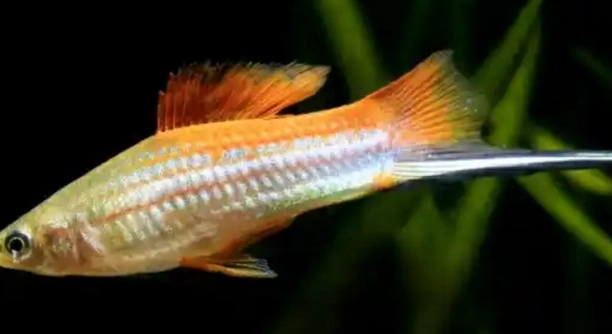
Swordtails are popular aquarium fish known for their beauty and energetic nature. But maintaining their tank properly is key to their health and well-being. Regular care can make a big difference in keeping them happy and thriving.
Maintaining a swordtail tank involves regular cleaning, proper filtration, and consistent water changes. Additionally, ensuring the water temperature, pH levels, and tank decorations are appropriate helps keep swordtails healthy and prevents potential problems like stress or disease.
In this article, we will go over seven essential habits that will keep your swordtail tank in top shape. By following these simple practices, you can ensure your fish remain vibrant and healthy for years.
Regular Water Changes
One of the simplest yet most important habits in maintaining a healthy swordtail tank is performing regular water changes. Swordtails thrive in clean water, and over time, waste products from food, plants, and fish will build up. Without regular changes, the water can become polluted, affecting your fish’s health. Aim to replace 20-30% of the water every week to ensure the environment stays fresh. This reduces toxins like ammonia and nitrate, which can cause stress or disease in your fish. It’s an easy habit to incorporate into your routine and has a big impact on the tank’s overall health.
To make sure your swordtails have the cleanest environment, use a siphon to remove debris from the substrate during water changes. You should also monitor the water’s temperature and pH to match their needs. Regular water changes will also prevent algae growth.
Consistency is key. Swordtails, like many fish, are sensitive to sudden changes in water quality. The more you stick to a schedule, the more your fish will flourish. Be sure to check your water’s hardness and temperature with a testing kit to ensure that it aligns with the swordtail’s natural environment. Keeping a simple routine like this can make a noticeable difference in their overall well-being.
Maintain Proper Filtration
A good filtration system is crucial for any tank, and swordtails are no exception. A quality filter helps keep the water clean by removing waste and providing proper circulation. This helps mimic the swordtail’s natural habitat, where water movement is constant. If your filter is too weak or not functioning properly, the tank will become dirty quickly, which can stress your fish. Clean the filter regularly to ensure it’s running at full capacity.
Make sure your filter is appropriate for the size of your tank. Swordtails are active swimmers and will benefit from good water flow, but too strong a current can stress them out. You may need to adjust the flow to a level that keeps the water clean without overwhelming your fish.
Monitor Water Temperature
Swordtails thrive in stable temperatures between 72°F and 78°F (22°C to 25°C). Maintaining a consistent water temperature is essential for their health. If the temperature fluctuates too much, it can lead to stress and make the fish more vulnerable to disease. A reliable aquarium heater can help stabilize the temperature.
Place the heater near the filter for even heat distribution. Also, use a thermometer to keep track of the water temperature regularly. Keeping the tank in a room with minimal temperature changes can prevent sudden spikes or drops that could negatively impact your swordtails.
If you live in an area with seasonal temperature changes, investing in a heater with a thermostat is a good choice. Swordtails can be sensitive to rapid temperature shifts, so controlling the tank’s temperature helps reduce their stress levels. A stable environment will also improve their immune system, allowing them to better fight off illnesses and live longer, healthier lives.
Keep the Tank Clean
Cleaning the tank regularly prevents harmful substances like uneaten food and waste from accumulating. A dirty tank can lead to poor water quality, which stresses the fish. Make cleaning a routine task, removing visible debris and algae from the glass and decorations.
In addition to cleaning the tank itself, regularly check the substrate. Uneaten food and waste can settle in the gravel or sand, creating unhealthy conditions. Use a gravel vacuum to suck up debris during water changes. This will prevent the build-up of harmful bacteria, which can lead to disease.
Wipe down the glass with a sponge designed for aquariums, and remove any algae growth. If you notice algae spreading too quickly, consider reducing the lighting or adding live plants that can help balance the ecosystem. A clean tank not only helps swordtails stay healthy but also makes the aquarium more visually appealing.
Provide Adequate Tank Space
Swordtails need enough space to swim and explore, which is essential for their overall well-being. For a small group of swordtails, a 20-gallon tank is the minimum size. Overcrowding can lead to stress, aggression, and poor water quality.
By giving your swordtails adequate space, you reduce the likelihood of territorial behavior and allow them to swim freely. This space also helps maintain better water quality, as a larger tank can accommodate the filtration system more effectively. If you plan on keeping multiple fish, make sure the tank is large enough to handle the bio-load.
Keep a Balanced Diet
Swordtails need a balanced diet of high-quality flakes or pellets, supplemented with occasional live or frozen foods. Feed them a variety to ensure they receive all the nutrients they need. Overfeeding can lead to water quality issues, so it’s important to stick to a feeding schedule.
Offering a varied diet also encourages natural behavior and health. Avoid feeding too much at once, and only provide what they can consume in a few minutes. Be sure to remove any uneaten food to prevent it from rotting and affecting the water. A healthy swordtail is a well-fed swordtail.
Check pH Levels Regularly
Swordtails prefer slightly alkaline water, with a pH range of 7.0 to 8.0. Monitoring pH levels regularly ensures they stay within the appropriate range. If the pH shifts too much, it can cause stress and even harm your fish.
To keep the pH stable, use a reliable water testing kit. If you notice fluctuations, consider using a buffer to adjust the levels gradually. Sudden changes in pH can be dangerous, so it’s best to maintain steady conditions. By checking the pH frequently, you can prevent future problems and ensure your swordtails are living in a safe environment.
FAQ
How often should I feed my swordtails?
Swordtails should be fed once or twice a day, offering only as much food as they can eat within 2-3 minutes. Overfeeding can lead to poor water quality and unhealthy fish. It’s important to remove any uneaten food after feeding to avoid it decaying and polluting the water. Swordtails are omnivores and will enjoy a balanced diet of flakes, pellets, and occasional live or frozen foods like brine shrimp or daphnia.
What temperature is best for swordtails?
Swordtails prefer a water temperature between 72°F and 78°F (22°C to 25°C). Keeping the water within this range ensures their comfort and health. Sudden changes in temperature can cause stress, so it’s crucial to use a reliable heater with a thermostat to maintain consistent conditions. Monitor the temperature regularly to avoid fluctuations.
Do swordtails need a filter?
Yes, swordtails absolutely need a filter to maintain clean water. A filter helps remove waste and debris while providing proper water circulation, which is essential for their well-being. It also helps maintain the balance of the tank’s ecosystem by removing harmful toxins. Ensure your filter is suitable for the tank size and has the right flow rate for swordtails, as they prefer moderate water movement.
How long do swordtails live?
Swordtails typically live for 3 to 5 years, although with proper care, they can sometimes live even longer. Regular tank maintenance, good water quality, a proper diet, and a suitable tank environment all contribute to a longer lifespan. Make sure to monitor their health closely and provide a stress-free habitat to help them reach their full potential.
Can swordtails live with other fish?
Yes, swordtails are generally peaceful and can live with other community fish. They do well in tanks with other non-aggressive species like tetras, guppies, or mollies. However, be cautious about keeping swordtails with overly aggressive species, as they may cause stress. It’s also important to ensure the other fish share similar water temperature and pH requirements.
Do swordtails need plants in their tank?
While swordtails don’t require live plants, having some in the tank can be beneficial. Plants provide hiding spots and help create a natural, stress-free environment. They also absorb excess nutrients from the water, helping to prevent algae blooms. If you choose live plants, make sure they’re appropriate for swordtail tanks and provide them with adequate lighting.
How do I know if my swordtail is sick?
Sick swordtails may show symptoms like lethargy, loss of appetite, clamped fins, or abnormal swimming patterns. They may also develop visible signs like faded colors, lesions, or fin rot. If you notice any of these symptoms, it’s important to isolate the sick fish in a quarantine tank and adjust the water quality. Consulting an aquatic vet or doing research on common fish diseases can also help you identify and treat the issue.
Why are my swordtails aggressive?
Swordtails are generally peaceful, but like many fish, they can display territorial behavior, especially if they feel crowded. Male swordtails, in particular, may become aggressive toward other males, especially when there are not enough females. To minimize aggression, keep a good male-to-female ratio (at least two females for every male) and provide enough space in the tank.
How often should I clean my swordtail tank?
Your swordtail tank should be cleaned regularly to ensure the fish stay healthy. Water changes should be done weekly, with 20-30% of the water replaced. You should also clean the substrate and remove debris that may accumulate. The filter should be cleaned every few weeks, and any algae growth on the glass should be wiped down as needed.
Can swordtails live in brackish water?
Swordtails are primarily freshwater fish, but they can tolerate slightly brackish water under certain conditions. However, it’s best to keep them in freshwater to ensure they thrive. If you are considering adding salt to your tank, be cautious and ensure the salinity levels are appropriate for swordtails. They can tolerate a small amount of salt, but too much can cause harm.
What’s the best substrate for swordtail tanks?
A soft, sandy or fine gravel substrate is ideal for swordtails. They enjoy exploring the bottom of the tank, and a soft substrate will be gentler on their fins. Avoid using sharp or large gravel, as it can harm the fish. A substrate that allows beneficial bacteria to grow will also help maintain a healthy environment.
Can swordtails reproduce in the tank?
Yes, swordtails are livebearers, meaning they give birth to live young instead of laying eggs. If you have both males and females in the tank, you may see baby swordtails (fry) appearing. It’s important to have a separate breeding tank or provide plenty of hiding spots to protect the fry from adult swordtails, who may eat them. You can also control reproduction by limiting the number of males or using a breeding box.
Do swordtails need a lid on their tank?
It’s a good idea to have a lid on your swordtail tank. Swordtails are active swimmers, and sometimes they may jump out of the tank, especially if they feel stressed or threatened. A lid will help keep them safe and prevent them from escaping. It also helps to maintain humidity and reduce evaporation.
Can swordtails be kept in a tank with other livebearers?
Yes, swordtails can live with other livebearers like guppies, mollies, and platies. They have similar care requirements and tend to get along well with other peaceful species. However, it’s important to ensure the tank has enough space for all the fish and avoid overcrowding, as this can lead to stress or aggression.
Final Thoughts
Maintaining a swordtail tank doesn’t require a lot of complex tasks, but it does need consistency and attention to detail. Regular water changes, monitoring water temperature, and keeping the tank clean are the foundations of a healthy environment for your swordtails. Ensuring the water quality is stable will prevent many common issues and keep your fish happy and active. By following simple habits, you can create a space where your swordtails thrive.
Providing a proper diet is another key factor in keeping your swordtails healthy. Offering them a variety of foods, including flakes, pellets, and occasional live or frozen options, will help ensure they receive all the nutrients they need. Overfeeding should be avoided, as it can cause poor water quality and health problems. Feeding your swordtails the right amount of food will also prevent them from becoming stressed or sick, allowing them to live longer and healthier lives.
Lastly, swordtails are hardy fish, but they do best in a stable environment. Regularly checking their tank conditions, ensuring proper filtration, and creating a comfortable space will help them stay vibrant. Whether you’re a beginner or more experienced fishkeeper, swordtails can make a great addition to any tank. They’re active, colorful, and relatively low-maintenance, making them a great choice for a peaceful aquarium. By staying consistent with tank care and paying attention to their needs, you’ll enjoy the company of your swordtails for years to come.

Hello,
If you enjoy the content that we create, please consider saying a "Thank You!" by leaving a tip.
Every little bit helps us continue crafting quality advice that supports the health, happiness, and well-being of pets around the world, for pets of all shapes, sizes, and species.
We really appreciate the kindness and support that you show us!