
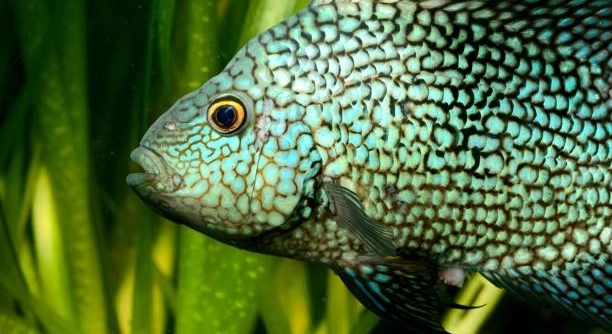
Keeping a Jack Dempsey fish healthy requires attention to many aspects of its tank environment. Lighting is often overlooked, yet it plays a crucial role in regulating their behavior, growth, and overall wellbeing. Proper lighting can enhance their natural colors and activity.
Optimal lighting for Jack Dempsey fish involves balancing intensity, duration, and spectrum. Use full-spectrum lights on a consistent schedule, avoid overly bright setups, and ensure areas of shade to mimic natural habitats. These practices support stress reduction and vibrant coloration.
By following these lighting strategies, you can create a comfortable and visually appealing environment for your Jack Dempsey. Their health and appearance will benefit from careful adjustments.
Choosing the Right Light Intensity
Selecting the correct light intensity for your Jack Dempsey tank is essential. Too bright a light can stress the fish, causing them to hide or become aggressive. On the other hand, too dim lighting may dull their vibrant colors and affect plant growth if you have live plants. Aim for moderate intensity that allows you to see your fish clearly without overwhelming them. Adjustable LED lights work well because they give you control over brightness levels. Observing how your fish respond to different intensities will help you find the sweet spot. Remember, Jack Dempseys prefer areas with shaded spots to retreat when the light feels too strong. Combining moderate light with hiding spaces ensures a balanced environment.
Consistent light intensity also helps regulate their natural behavior. Avoid sudden changes that can confuse or stress the fish.
Finding the right intensity means paying attention to both fish comfort and tank aesthetics. Monitor your fish daily, adjust the light gradually, and ensure that plants receive enough light without creating harsh glare. Over time, this balance supports healthier, more active fish and vibrant, natural colors. Adjusting light intensity carefully can prevent aggression, reduce stress, and encourage natural movement patterns. Combining observation with gradual changes ensures a stable, visually pleasing tank setup that benefits both fish and plants, creating an environment where your Jack Dempsey feels secure and thrives over the long term.
Light Duration and Timing
Maintaining a consistent light schedule is important for Jack Dempseys. They thrive with about 10–12 hours of light daily.
Proper timing reinforces their internal rhythms. Sudden changes can lead to stress and irregular behavior.
Establishing a daily routine using a timer ensures stable light cycles without constant monitoring. Avoid leaving the lights on overnight, as prolonged exposure can disturb sleep patterns and increase algae growth. Gradually transitioning between light and dark periods helps fish adjust naturally. This consistency encourages normal feeding, swimming, and resting behaviors, promoting overall health. Pairing the light schedule with consistent feeding times enhances stability. Adjustments should be gradual when changing schedules to avoid shocking the fish. By maintaining predictable light cycles, you create a calm, secure environment that supports their natural activity patterns and reduces stress-related behaviors, helping your Jack Dempsey remain active and vibrant in the tank.
Choosing the Right Light Spectrum
Jack Dempsey fish respond best to full-spectrum lighting that mimics natural sunlight. This type of light enhances their color and supports healthy plant growth if your tank includes live vegetation. Avoid lights that are too cool or too warm, as they can distort color and reduce activity.
Full-spectrum lights provide a balance of wavelengths that promote both fish and plant health. Red and blue wavelengths are particularly important for enhancing coloration, while green light helps maintain a natural look in the tank. Using lights designed for freshwater aquariums ensures optimal output without stressing the fish. Positioning lights so that shaded areas remain accessible allows the fish to regulate exposure naturally, preventing stress while still benefiting from proper spectrum coverage. Observing your fish under different lights will help determine the best setup for vivid colors and active behavior.
Adjusting the spectrum is also helpful if your tank has live plants. Plants need specific wavelengths to photosynthesize efficiently, so pairing plant-friendly lighting with your fish’s needs creates a balanced environment. Avoid harsh or overly cool lights that can make the tank look unnatural. With careful selection, your Jack Dempsey will appear brighter, more vibrant, and healthier overall. This approach benefits both aesthetics and fish wellbeing, making the tank visually appealing while supporting natural behaviors and plant growth.
Preventing Algae Growth with Lighting
Algae growth increases with excessive light. Limiting intensity and duration helps keep it under control.
Using timers ensures lights are on only when necessary, preventing overexposure that fuels algae. Balancing light with plant coverage and regular maintenance reduces unwanted growth and keeps the tank clean and healthy.
Algae can quickly become a problem if lights are too strong or on too long. Pairing proper intensity with the right spectrum and duration helps prevent blooms. Adding floating plants or shading certain areas reduces direct light on surfaces prone to algae. Regular tank cleaning, combined with moderate, controlled lighting, keeps algae growth manageable without stressing the fish. Observing the tank and making small adjustments over time ensures a clear, balanced environment. By managing light carefully, you maintain water clarity, reduce maintenance needs, and provide a healthy habitat for your Jack Dempsey to thrive.
Using Dimmer Options
Dimmer switches give control over light intensity, letting you adjust brightness gradually. This helps reduce stress for Jack Dempsey fish while still providing enough light for viewing and plant growth.
Gradual changes prevent sudden exposure that can startle the fish. Dimmer options create shaded areas naturally, supporting calmer behavior.
Simulating Natural Light Cycles
Mimicking sunrise and sunset helps regulate fish activity and sleep patterns. Lights that gradually brighten and dim create a more natural environment. Consistency in timing supports regular feeding, swimming, and resting behaviors, promoting overall health and reducing stress in the tank.
Positioning Lights Strategically
Placing lights at an angle or using overhead fixtures ensures even coverage while leaving shaded areas. This allows Jack Dempsey fish to choose comfortable spots, reducing stress and encouraging natural behavior.
FAQ
What type of lighting is best for Jack Dempsey fish?
Full-spectrum LED lighting is ideal because it mimics natural sunlight and enhances the fish’s vibrant colors. It also supports live plants if your tank includes them, providing a balanced environment. Avoid overly cool or warm lights that can distort color or stress the fish.
How long should the lights be on each day?
Jack Dempseys thrive with about 10–12 hours of light daily. Using a timer ensures consistency and prevents sudden changes that can disrupt sleep patterns or increase stress. Gradually adjusting light duration when needed helps the fish adapt naturally.
Can too much light harm my fish?
Yes, excessive light can stress Jack Dempsey fish, causing them to hide or become aggressive. It can also increase algae growth, which affects water quality. Moderate intensity and scheduled lighting help prevent these issues.
Do Jack Dempseys need shaded areas in the tank?
Yes, shaded spots are essential. They allow fish to retreat if the light feels too strong, reducing stress. Plants, rocks, or decorations can create natural shaded areas while maintaining aesthetic appeal.
Should I adjust light intensity for plants?
If you have live plants, slightly stronger light may be necessary for photosynthesis. Ensure the intensity is still comfortable for your fish. Adjustable LED lights or dimmers make it easy to balance plant needs with fish comfort.
Is light spectrum important?
Absolutely. Full-spectrum lights support natural behavior and color enhancement. Red and blue wavelengths are particularly beneficial for coloration, while green light helps maintain a natural look. Lights designed for freshwater aquariums generally cover these needs effectively.
Can I leave the lights on overnight?
No, leaving lights on overnight can disrupt sleep cycles, increase stress, and encourage algae growth. Stick to a consistent schedule with lights off during nighttime hours to mimic natural day-night cycles.
How do I reduce algae with lighting?
Limit light duration, avoid excessive intensity, and maintain consistent timing. Floating plants or shaded areas reduce direct exposure on surfaces. Regular tank cleaning combined with controlled lighting keeps algae manageable.
Should I use dimmers or timers?
Yes, timers ensure consistent light schedules, while dimmers allow gradual changes in intensity. Both tools reduce stress, support natural behavior, and provide flexibility to adjust conditions as needed.
What is the best way to monitor lighting effects?
Observe your fish daily. Watch for stress signs like hiding, aggression, or dull colors. Monitor plant growth and algae levels. Small, gradual adjustments are preferable to sudden changes. Keeping a consistent schedule with appropriate intensity and spectrum ensures a healthy, visually appealing tank for Jack Dempsey fish.
Can lighting affect fish behavior?
Yes, proper lighting supports regular feeding, swimming, and resting patterns. Inadequate or inconsistent light can cause irregular behavior or stress. Maintaining natural-like conditions helps Jack Dempseys stay active and display their vibrant colors.
Are specialized aquarium lights necessary?
Specialized aquarium lights are recommended because they provide the right spectrum, intensity, and coverage for both fish and plants. Standard household lights may not meet these needs and can stress the fish or hinder plant growth.
How do I create a natural light cycle?
Use timers to simulate sunrise and sunset, gradually brightening in the morning and dimming in the evening. This helps regulate fish activity, sleep, and overall behavior, making the tank environment feel more natural.
Can changing light too often stress fish?
Yes, sudden changes in intensity or spectrum can stress Jack Dempseys. Always make gradual adjustments to allow the fish to adapt naturally, reducing aggression or hiding behavior.
How important is light placement?
Very important. Overhead lights provide even coverage, while angled lights or fixtures create shaded areas. Strategic placement lets fish choose comfortable spots and prevents overexposure to intense light.
What signs show my lighting is suitable?
Healthy, active fish, vibrant coloration, regular feeding, and minimal algae growth indicate proper lighting. Observing fish behavior and adjusting gradually ensures they remain comfortable and stress-free in the tank.
Can improper lighting affect tank plants?
Yes, plants require specific wavelengths for photosynthesis. Too little light can stunt growth, while too much can promote algae. Balancing intensity, spectrum, and duration keeps both plants and fish healthy.
Is it necessary to change lighting as the fish grow?
Adjustments may be needed as the fish grow or tank conditions change. Monitor behavior, plant health, and algae levels to determine when changes in intensity or duration are necessary.
How do I combine all lighting tips effectively?
Use full-spectrum lights with moderate intensity, timers for consistent schedules, and shaded areas for retreat. Monitor fish and plants, adjust gradually, and maintain cleanliness to ensure a balanced, healthy tank environment.
What are common mistakes to avoid?
Avoid excessive brightness, leaving lights on too long, sudden changes in schedule or intensity, and ignoring the need for shaded areas. Consistency and gradual adjustments prevent stress, aggression, and algae problems while promoting vibrant colors.
Can lighting alone improve fish color?
Lighting enhances natural colors but works best alongside proper diet, tank maintenance, and environment. Full-spectrum light highlights color, while intensity and duration support overall health and activity levels.
How do I know when to adjust light spectrum?
If fish appear dull or plants grow poorly, adjusting the spectrum may help. Red and blue wavelengths support color, while green maintains natural aesthetics. Gradual changes prevent stress and maintain a stable environment.
Are dimmable lights worth it for Jack Dempseys?
Yes, dimmable lights allow gradual intensity changes, reduce stress, and create natural shading. They offer flexibility to adjust for both fish comfort and plant needs without sudden disruptions.
How often should I monitor the tank lighting?
Daily observation is ideal. Watch fish behavior, color, activity, and plant health. Small adjustments based on these observations help maintain a stable, stress-free environment and reduce potential problems before they escalate.
Can lighting affect aggression in Jack Dempseys?
Improper lighting can increase aggression by causing stress. Balanced intensity, natural spectrum, shaded areas, and consistent schedules help maintain calmer behavior and reduce territorial disputes.
What is the ideal combination of lighting features?
Full-spectrum light, moderate intensity, timers for consistency, dimmers for gradual changes, and strategic placement with shaded areas provide a healthy, visually appealing environment that supports natural behavior and vibrant coloration.
How long does it take to see results after adjusting lighting?
Changes in color, behavior, and plant growth can be noticed within a few days to a couple of weeks. Gradual adjustments ensure fish adapt naturally without stress. Monitoring daily helps confirm improvements and identify further tweaks if needed.
Are there risks of overdoing lighting adjustments?
Yes, frequent or abrupt changes can stress fish, reduce activity, and encourage algae growth. Make small, gradual adjustments to intensity, duration, or spectrum to maintain stability.
Can lighting improve overall fish health?
Proper lighting supports natural activity, feeding patterns, and stress reduction. Combined with diet, water quality, and tank maintenance, it contributes to stronger immune function, healthier coloration, and longer lifespan for Jack Dempseys.
How do I balance lighting for multiple fish species?
Consider the needs of all species, adjusting intensity, spectrum, and shaded areas accordingly. Full-spectrum light with moderate intensity works well for most freshwater tanks, and dimmers or zones can accommodate different species’ preferences.
What should I avoid when choosing lighting?
Avoid overly bright or dim lights, inconsistent schedules, harsh spectrum, and lack of shaded areas. Ignoring plant needs or leaving lights on overnight can cause stress, algae growth, and behavioral issues.
Can lighting affect breeding behavior?
Yes, proper light cycles and intensity support natural activity patterns, which can encourage breeding behavior. Inconsistent lighting may disrupt routines and reduce interest in spawning.
How do I combine lighting with tank decorations?
Use plants, rocks, or ornaments to create shaded spots and diffuse light. This reduces stress, prevents overexposure, and allows Jack Dempseys to choose comfortable areas, supporting natural behavior and calm activity.
Are there budget-friendly lighting options?
LED lights designed for freshwater tanks are energy-efficient and long-lasting. Adjustable LEDs with timers and dimmers provide control without high costs, ensuring fish comfort and plant growth.
Can I use standard household lights?
Standard lights are not ideal. They may lack the proper spectrum or intensity, stressing fish or failing to support plant growth. Aquarium-specific full-spectrum lights are recommended for optimal results.
How often should I replace aquarium lights?
Replace lights according to manufacturer recommendations, usually every 12–24 months, as intensity and spectrum degrade over time. Regular replacement ensures consistent performance and supports fish health.
What is the most important tip for Jack Dempsey lighting?
Consistency, gradual adjustments, full-spectrum coverage, and shaded areas are key. Observing fish and plants daily ensures a balanced, stress-free environment that promotes health, activity, and vibrant coloration.
Can lighting impact feeding habits?
Yes, consistent lighting supports predictable activity patterns, making fish more likely to feed during light hours. Sudden or irregular lighting can reduce appetite and increase stress, affecting overall health.
How do I troubleshoot lighting issues?
Watch for dull colors, hiding behavior, poor plant growth, or excessive algae. Adjust intensity, spectrum, and duration gradually while maintaining shaded areas. Use timers and dimmers to create a stable, comfortable environment.
Is natural sunlight beneficial?
Natural sunlight can be used carefully but often leads to algae growth and temperature fluctuations. Controlled full-spectrum aquarium lights are safer and provide consistent conditions for Jack Dempseys.
Can lighting affect water temperature?
Some lights generate heat, which may slightly raise tank temperature. Monitor water conditions, and use lights designed for aquariums to prevent overheating and maintain stable temperatures.
How do I know if the lighting is too weak?
Signs include dull fish colors, sluggish behavior, and poor plant growth. Adjusting intensity or spectrum gradually can restore a healthy balance without stressing the fish.
How do I combine all tips for long-term success?
Use full-spectrum lights at moderate intensity, maintain consistent schedules with timers, provide shaded areas, observe fish and plants daily, and make gradual adjustments. This approach creates a stable, healthy tank that supports natural behavior, vibrant coloration, and overall wellbeing for Jack Dempsey fish.
Word count: 510
Proper lighting is one of the most important factors in keeping Jack Dempsey fish healthy and comfortable in an aquarium. The right combination of intensity, spectrum, and duration can make a big difference in their behavior, stress levels, and overall appearance. Full-spectrum lights are especially useful because they mimic natural sunlight and enhance the fish’s vibrant colors. They also support the growth of live plants if your tank includes them. When setting up lighting, it is important to consider shaded areas and hiding spots so that the fish can control their exposure to light. Gradual adjustments in intensity and consistent schedules help create a calm and natural environment that encourages normal activity. Overly bright lights or sudden changes can cause stress, which can lead to hiding, aggression, or reduced appetite. By paying attention to how the fish respond, you can find a balance that supports both their health and the visual appeal of your tank.
Timers and dimmers are useful tools for maintaining consistency in your lighting setup. Timers ensure that lights turn on and off at the same time each day, simulating a natural day-night cycle that regulates the fish’s internal rhythms. Dimmers allow you to make gradual changes in brightness, preventing sudden exposure that could startle or stress the fish. Consistent lighting patterns also help maintain proper feeding and resting behaviors, which are essential for their long-term wellbeing. If you have live plants, adjusting light intensity slightly can help them grow without overwhelming the fish. Observing your tank daily and making small, gradual adjustments ensures that the lighting remains comfortable for the fish while supporting plant health and controlling algae growth. A careful, measured approach to lighting prevents common problems and contributes to a stable and thriving aquarium environment.
Overall, combining the right light spectrum, intensity, and timing creates a balanced tank environment where Jack Dempsey fish can thrive. Shaded areas, gradual adjustments, and consistent schedules all contribute to reducing stress and promoting natural behavior. Proper lighting also enhances the appearance of the fish, making their colors more vibrant and the tank more visually appealing. Regular monitoring and observation are key to understanding how the fish respond and ensuring that adjustments are made in a controlled way. By following these practices, you not only improve the fish’s health and comfort but also create a tank that is easier to maintain and more enjoyable to watch. Lighting may seem simple, but when done correctly, it has a significant impact on the overall wellbeing of Jack Dempsey fish and the balance of their aquatic environment. Paying attention to these details ensures a stable, healthy, and attractive aquarium for years to come.
Word count: 414

Hello,
If you enjoy the content that we create, please consider saying a "Thank You!" by leaving a tip.
Every little bit helps us continue crafting quality advice that supports the health, happiness, and well-being of pets around the world, for pets of all shapes, sizes, and species.
We really appreciate the kindness and support that you show us!