
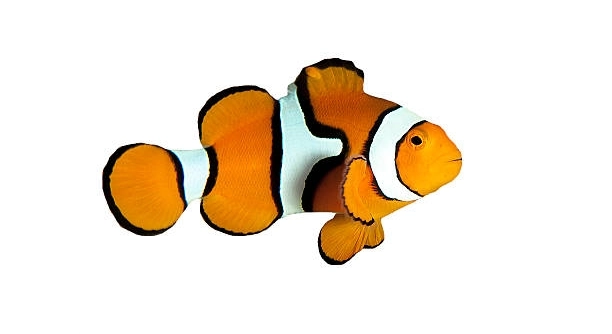
Clownfish are popular in home aquariums due to their bright colors and interesting behavior. However, lighting plays a crucial role in maintaining their health. Many tank owners overlook common mistakes that can affect clownfish well-being.
Incorrect lighting can cause stress, poor coloration, and disrupted natural rhythms in clownfish. Overly intense or insufficient light, improper light duration, and wrong spectrum all contribute to these negative effects. Understanding these mistakes is essential for optimal clownfish care.
Recognizing lighting errors can improve your clownfish’s environment and overall health. The following points explain what to avoid and how to create a balanced tank lighting setup.
Too Much Light Stressing Clownfish
Excessive lighting can cause significant stress to clownfish. Bright or prolonged lighting periods may overwhelm their natural behavior and disturb their sleep cycles. In an aquarium, clownfish need a balance that mimics their natural habitat, where lighting varies throughout the day. When lights are too strong or stay on for too long, it can cause fatigue, reduce their immune response, and lead to color fading. Stress from inappropriate lighting also increases the risk of disease and lowers activity levels. Avoid leaving the tank light on continuously, and use adjustable lighting when possible to reduce intensity during certain times. Clownfish are adapted to reef environments where shadows and dimmer periods occur, so replicating this helps keep them calm and healthy.
Controlling the amount and duration of light exposure is key to preventing stress-related problems in clownfish. Light timers are a useful tool to regulate this.
Using a light timer can help maintain a consistent day-night cycle. Aim for 8 to 10 hours of light daily, simulating natural conditions. Reduce brightness during early morning and late evening periods to mimic dawn and dusk. This gradual change supports the fish’s biological rhythms. Avoid bright white or overly intense LED lights; instead, use full-spectrum lighting that replicates natural sunlight but with adjustable intensity. Monitoring the fish’s behavior can indicate if the lighting is too harsh—signs include hiding, loss of color, or lethargy. By carefully managing light intensity and duration, you can promote healthier, more vibrant clownfish that thrive in your aquarium.
Incorrect Light Spectrum Effects
The light spectrum used in the aquarium affects clownfish health and coloration. Using the wrong spectrum can hinder their ability to display vibrant colors or negatively affect their metabolism. Clownfish naturally live in coral reefs, where sunlight is filtered by water, emphasizing blue and green wavelengths. If the lighting is heavy on red or yellow spectrums, it may not support their natural physiology well.
An inappropriate light spectrum reduces the quality of clownfish colors and may interfere with their feeding and activity levels. It is important to choose lighting designed specifically for marine tanks, which balances blue and white light. This supports coral growth and enhances fish coloration, making the tank more visually appealing and healthier for its inhabitants.
Choosing the right light spectrum involves selecting lighting systems tailored for reef environments. These lights typically combine blue and white LEDs in specific ratios. Blue light enhances the fluorescence of clownfish scales and supports coral photosynthesis. White light balances the spectrum to maintain natural appearance and behavioral cues. Avoid using generic freshwater aquarium lights as they do not provide the necessary spectrum for marine species. When possible, consult lighting specifications or aquarium experts to find appropriate lighting. Proper spectrum helps clownfish maintain their vibrant colors and normal behavior patterns, contributing to their overall health in captivity.
Inconsistent Lighting Schedule
Inconsistent lighting schedules confuse clownfish and disrupt their natural rhythms. Sudden changes in light timing can increase stress and reduce their overall well-being.
Clownfish rely on regular day-night cycles to regulate feeding, rest, and social behaviors. When lighting times vary daily, these patterns break down, causing disorientation. For example, irregular lighting can interfere with their sleep, leading to fatigue and weakened immune function. Consistency in lighting also supports coral health in reef tanks, which benefits clownfish indirectly. Using timers ensures a steady schedule, avoiding sudden lights-on or lights-off moments. This predictability helps clownfish feel secure in their environment.
Maintaining a fixed lighting routine of about 8 to 10 hours daily mimics their natural habitat and keeps their biological clocks aligned. Avoid turning lights on or off manually or changing light duration frequently. A stable schedule fosters healthy behavior, coloration, and longevity in clownfish, making tank maintenance easier and more rewarding.
Poor Light Placement
Improper placement of lights can cause uneven illumination and create stressful spots within the tank. Clownfish may avoid areas that are too bright or poorly lit.
Lights placed too close to the water surface or directly above the tank can produce glare or overly intense light spots. This causes fish to hide or behave unnaturally to avoid discomfort. On the other hand, low or poorly distributed lighting results in dull colors and insufficient illumination for corals. A balanced setup distributes light evenly, reducing shadows and bright patches. Adjustable mounting options and diffusers can help achieve this balance, improving the tank’s visual appeal and fish comfort.
Position lights so the entire tank receives consistent illumination, allowing clownfish to move freely and choose preferred light levels. Avoid direct, harsh lighting that causes reflection or hot spots. Consider using multiple light sources or dimmable fixtures to customize brightness. Proper placement supports clownfish health and encourages natural behavior, making the aquarium a better environment for both fish and corals.
Using Daylight Bulbs Instead of Aquarium Lights
Daylight bulbs often do not provide the proper spectrum needed for clownfish and reef tanks. They can lead to poor coloration and stress in fish.
Aquarium-specific lighting is designed to support both fish health and coral growth. Using daylight bulbs may neglect these needs, causing long-term issues in your tank.
Ignoring Light Intensity Needs
Proper light intensity is essential for clownfish comfort and coral health. Too strong or too weak light can harm both. Monitoring and adjusting intensity based on tank size and setup ensures a balanced environment.
Not Adjusting Light for Tank Growth
As coral and plants grow, lighting needs change. Failing to adjust light intensity and positioning can cause uneven growth and stress for clownfish. Regularly assess and modify lighting to match tank development.
Lack of Nighttime Darkness
Constant light exposure without a proper dark period can disrupt clownfish’s natural cycles. They need darkness to rest and maintain healthy behavior patterns. Ensuring a clear night cycle benefits their overall well-being.
FAQ
What type of lighting is best for clownfish tanks?
The best lighting for clownfish tanks is full-spectrum LED lighting designed for marine aquariums. This type of light mimics natural sunlight filtered through water, emphasizing blue and white wavelengths. It supports coral growth and enhances clownfish coloration. Avoid generic daylight bulbs or freshwater lights, as they don’t provide the right spectrum or intensity for marine environments.
How long should the lights be on in a clownfish tank?
Lighting should be on for about 8 to 10 hours daily. This duration replicates natural day lengths and allows clownfish to maintain normal biological rhythms. Using a timer ensures consistent lighting schedules, which reduces stress and encourages healthy behavior. Avoid leaving lights on continuously, as this can cause fatigue and stress.
Can too much light harm clownfish?
Yes, excessive lighting can stress clownfish by disrupting their sleep cycles and natural behaviors. Bright or prolonged light exposure may cause color fading, lethargy, and increased susceptibility to disease. Balancing light intensity and limiting the duration helps prevent these problems.
Is it necessary to adjust lighting as the tank matures?
Adjusting lighting is important as coral and plants grow, since their light needs increase. If lighting remains the same, it may cause uneven growth or create overly bright or dark areas. Regularly assess the tank’s lighting and make adjustments to maintain an even environment that supports all inhabitants.
What signs indicate lighting problems in clownfish?
Signs include fading or dull coloration, unusual hiding, lethargy, and erratic swimming patterns. Clownfish stressed by improper lighting may also lose appetite or show signs of illness. Monitoring behavior closely helps detect lighting issues early for prompt correction.
Can lighting affect coral in the tank?
Yes, coral depends heavily on appropriate light spectrum and intensity for photosynthesis. Incorrect lighting can stunt coral growth or cause bleaching. Healthy coral supports clownfish by providing shelter and improving water quality, so proper lighting benefits the entire ecosystem.
Are daylight bulbs suitable for marine tanks?
Daylight bulbs are generally not suitable for marine tanks because they lack the proper spectrum and intensity needed by marine species. They may cause poor coloration and stress in clownfish and harm coral health. Using lighting designed specifically for reef tanks is recommended.
How can I create a natural day-night cycle for my clownfish?
Use a timer to set lights for about 8 to 10 hours of daylight followed by 14 to 16 hours of darkness. Gradually dimming lights in the morning and evening can simulate sunrise and sunset, helping fish adjust naturally. This routine supports normal behavior and reduces stress.
What’s the effect of poor light placement?
Poor placement causes uneven lighting, leading to bright spots and shadows that stress clownfish. Fish may avoid overly bright areas, limiting their space and comfort. Even light distribution ensures clownfish can move freely and find preferred lighting conditions, improving overall tank health.
Can improper lighting cause illness in clownfish?
Indirectly, yes. Stress from poor lighting weakens the immune system, making clownfish more vulnerable to disease. While lighting alone doesn’t cause illness, maintaining proper light conditions is part of good tank care that supports fish health.
Should I adjust lighting based on clownfish behavior?
Yes, observing clownfish behavior can guide lighting adjustments. If they hide frequently, show dull colors, or act lethargic, lighting may be too intense or poorly scheduled. Adjusting brightness, duration, or spectrum based on these signs helps improve their comfort and health.
Is nighttime darkness really necessary?
Nighttime darkness is essential for clownfish to rest and maintain healthy biological rhythms. Constant light exposure disrupts sleep and increases stress. A clear dark period each day supports normal behavior and long-term well-being.
Can lighting impact clownfish breeding?
Proper lighting helps maintain stable environmental conditions necessary for breeding. Inconsistent or harsh lighting can stress clownfish, reducing their interest in reproduction. Balanced, natural lighting cycles encourage healthier breeding behavior.
How often should I replace aquarium bulbs?
Aquarium bulbs lose intensity and spectrum accuracy over time, usually after 6 to 12 months. Regular replacement ensures consistent lighting quality, supporting clownfish and coral health. Check manufacturer recommendations and monitor light performance for timely changes.
Are LED lights better than fluorescent for clownfish tanks?
LED lights are generally preferred for their energy efficiency, longevity, and adjustable spectrum. They provide more precise control over light intensity and color balance, benefiting both clownfish and coral. Fluorescent lights can work but may require more frequent replacement and lack customization.
What are common mistakes to avoid with tank lighting?
Common errors include using incorrect light spectrum, excessive brightness, inconsistent schedules, improper placement, and neglecting nighttime darkness. Each of these can cause stress, poor coloration, or health issues in clownfish. Following recommended lighting practices prevents these problems.
Proper lighting is an important aspect of keeping clownfish healthy and comfortable in a home aquarium. Many tank owners may not realize how much light affects these fish, from their behavior to their color and overall well-being. Choosing the right type of light, maintaining a consistent schedule, and adjusting the lighting as the tank changes all play key roles in creating a balanced environment. Avoiding common mistakes, like using the wrong light spectrum or leaving the lights on for too long, helps prevent unnecessary stress and health issues for the clownfish.
Consistent lighting schedules mimic the natural day and night cycles clownfish experience in the wild. This consistency supports their natural rhythms, feeding habits, and resting periods. Using timers to control when lights turn on and off makes it easier to maintain these cycles without manual intervention. It is also important to adjust light intensity and placement so that the tank is evenly lit. Harsh or uneven lighting can cause clownfish to hide or behave abnormally. Proper lighting benefits not only the fish but also any corals or plants in the tank, supporting a healthy and attractive aquarium ecosystem.
Finally, monitoring your clownfish’s behavior and appearance can help you identify if lighting changes are needed. Signs such as faded colors, hiding, or lethargy can indicate stress from improper lighting. Making small adjustments to intensity, spectrum, or schedule can greatly improve their comfort and health. Keeping a well-lit tank with appropriate lighting conditions ensures that clownfish thrive and display their natural beauty. Proper lighting is a simple but powerful way to support the long-term success of your marine aquarium.

Hello,
If you enjoy the content that we create, please consider saying a "Thank You!" by leaving a tip.
Every little bit helps us continue crafting quality advice that supports the health, happiness, and well-being of pets around the world, for pets of all shapes, sizes, and species.
We really appreciate the kindness and support that you show us!