
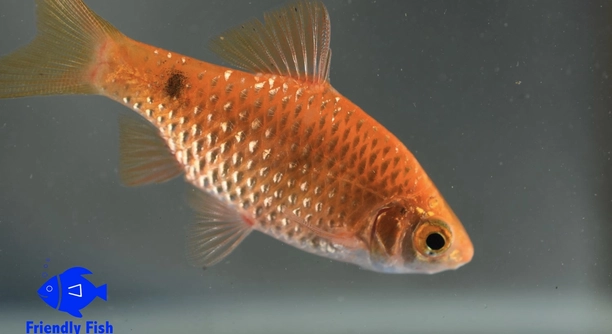
Do you have a group of rosy barbs and want to make sure their tank setup keeps them healthy and comfortable every day?
Rosy barbs prefer tank layouts that provide open swimming space, dense planting areas, moderate water flow, and shaded hiding spots. These features support their active nature, social behavior, and need for a secure environment.
Each layout suggestion in this article offers a mix of visual interest and practical function, helping you create a balanced and enriching habitat for your rosy barbs.
Natural Planted Layout
A natural planted layout offers rosy barbs a calm, structured space with enough vegetation to explore and hide in. Live plants like Java fern, hornwort, and Amazon swords provide shade and improve water quality. This setup mirrors their natural habitat, making them feel more secure and less stressed. Driftwood and smooth stones can be added to break up the line of sight, which helps reduce territorial behavior among tank mates. Keep an open area in the middle of the tank so they have room to swim freely. Use a dark substrate to enhance the color of your barbs and create contrast with the greenery. A gentle filter that causes moderate surface movement helps maintain oxygen levels without creating too much flow. This layout works best in tanks 20 gallons or larger to give them proper swimming space. It’s a low-maintenance setup with visual appeal and great benefits for the fish.
Plants give rosy barbs plenty of hiding spots while still keeping things open enough for them to swim around. They’ll appear more active and display better colors when they feel safe in their environment.
It’s also helpful to anchor floating plants to reduce light and offer shade. Floating plants like frogbit or water lettuce work well in this kind of tank. They don’t just help with water conditions—they also mimic the dappled light rosy barbs would experience in the wild. Just remember to trim back growth every so often to maintain balance. Stick to hardy plants that can tolerate some nibbling, since rosy barbs occasionally nibble soft leaves. Live plants not only benefit the fish, but also support beneficial bacteria, which keeps the tank stable and healthy over time.
Open-Space Layout
An open-space layout keeps the tank clear in the center with decorations pushed to the edges. This gives rosy barbs lots of room to swim quickly in groups, which they love to do.
You can still add a few sturdy plants in the corners and along the back of the tank, but leave the central part free. Rosy barbs are very active swimmers, and they need that room to move. Use taller plants and hardscape items like driftwood or rock piles on one side to provide cover. A sandy or fine gravel substrate works well, especially in larger tanks where their movement can kick up debris. Since rosy barbs prefer cooler water, keep temperatures in the 72–78°F range. Lighting can be moderate, as they don’t require strong light to thrive. This type of setup brings out their social side and helps reduce aggression, especially in larger groups of five or more.
Riverbed-Inspired Layout
This setup mimics the look and feel of a shallow, flowing stream. Rosy barbs tend to thrive in this kind of environment, especially when there are smooth pebbles, scattered driftwood, and a few clusters of hardy plants placed naturally throughout the tank.
Start by using fine gravel or small river stones as your substrate. Add in driftwood or root-like branches angled in the direction of water flow. Stick to hardy plants like anubias or java fern that can be attached to rocks or wood. Keep the middle open for swimming, and arrange your decorations in a scattered but balanced way to create a natural look. Using a powerhead or adjustable filter outlet to gently move the water helps mimic real river flow. Avoid placing anything sharp or with rough edges, as rosy barbs are fast swimmers and can bump into decorations.
This layout works best in long tanks that are 30 gallons or more. It gives rosy barbs room to move in coordinated groups while still offering a structured space. You can also place larger stones along the sides to create sheltered spots with less current. This gives the fish the option to rest if they need to. A soft current also encourages natural behavior like swimming against the flow, which keeps them active and healthy. A riverbed layout offers the right balance between function and simplicity.
Island Layout
This setup centers decorations and plants in the middle of the tank, creating an island-like structure. It gives rosy barbs space to swim freely around all sides while still offering hiding spots and visual barriers to reduce stress.
Use low-growing plants near the edges of the island and taller ones in the center. Add rocks or driftwood for structure, and make sure the surrounding area is left open. This layout helps break up aggression and supports the natural schooling behavior of rosy barbs.
Community Layout
In a community setup, rosy barbs need space, hiding spots, and clear swimming zones that allow peaceful coexistence with other fish. Use gentle dividers like plants or rocks to mark territory while keeping water flow steady and lighting even. Avoid pairing with slow, long-finned species, as rosy barbs may nip. Choose tank mates like danios, loaches, or rainbowfish that match their energy level. Maintain water quality and feed all species according to their needs. A tank size of 30 gallons or more helps reduce crowding and keeps behavior balanced. This layout encourages social interaction and allows each species to thrive in its own space.
Minimalist Layout
This style uses fewer decorations and clean lines to highlight open swimming space. Stick to basic plants or a few carefully placed hardscape pieces to keep things uncluttered. Rosy barbs still need shade and cover, so avoid going too bare.
FAQ
What size tank do rosy barbs need?
Rosy barbs do best in tanks that are at least 20 gallons. They are active swimmers and prefer to live in groups of five or more, so having enough space is important. Larger tanks around 30 gallons or more provide extra room to swim and reduce stress from overcrowding.
How many rosy barbs should be kept together?
Keeping at least five rosy barbs together helps them feel secure and encourages natural schooling behavior. Smaller groups can cause stress and lead to aggression. A larger group also spreads out any nipping behavior so no single fish becomes a target.
What kind of plants work best with rosy barbs?
Hardy plants like Java fern, anubias, hornwort, and Amazon swords are good choices. Rosy barbs may nibble on softer leaves, so tough plants survive better. Floating plants can add shade and reduce light intensity, creating a more natural environment.
How do I control aggression in rosy barbs?
Aggression often happens when the tank is too small or overcrowded. Keeping a group of five or more helps spread out behavior. Adding plants and hiding spots breaks up lines of sight and gives fish places to escape. Avoid housing rosy barbs with slow or long-finned fish, as they may nip.
What water conditions do rosy barbs prefer?
Rosy barbs thrive in water temperatures between 72–78°F (22–26°C). They prefer a pH between 6.5 and 7.5 and moderate water hardness. Regular water changes and a good filtration system help maintain clean water, which is key for their health.
Can rosy barbs live with other fish?
Yes, they can coexist with other lively species like danios, zebra loaches, and rainbowfish. These fish have similar activity levels and temperaments. Avoid slow-moving or delicate fish, as rosy barbs might nip their fins.
What kind of substrate is best for rosy barbs?
Fine gravel or sand is ideal because it mimics the riverbeds they are used to. This substrate is gentle on their barbels and helps keep the tank clean. Avoid sharp or rough substrates that could injure them.
How important is lighting for rosy barb tanks?
Moderate lighting works best. Too bright can stress the fish and encourage algae growth, while too dim may affect plant health. Floating plants help filter light and provide shaded areas, which rosy barbs appreciate.
How often should I clean the tank?
Regular maintenance is essential. Partial water changes of 20-30% every one to two weeks help keep water quality stable. Clean the substrate with a siphon and check the filter to ensure it’s working properly. Avoid over-cleaning to keep beneficial bacteria intact.
What should I feed rosy barbs?
A varied diet keeps rosy barbs healthy. High-quality flakes or pellets designed for tropical fish form the base. Supplement with live or frozen foods like brine shrimp, bloodworms, or daphnia to add protein and encourage natural foraging behavior.
Do rosy barbs need hiding places?
Yes, even though they are active swimmers, rosy barbs benefit from places to hide or rest. Plants, rocks, and driftwood provide shelter and reduce stress. It also helps prevent aggression by giving fish a break from constant interaction.
How can I encourage rosy barbs to breed?
To encourage breeding, provide plenty of plants or spawning mops for eggs. Keep water temperature stable around 75°F and feed high-quality, protein-rich foods. Remove adults after spawning to prevent egg predation. Breeding can be tricky but rewarding with the right setup.
Final thoughts on creating the right tank layout for rosy barbs center on balancing their natural behavior with a comfortable environment. These fish are active swimmers that thrive in groups, so providing enough space is essential. Whether you choose a planted layout, open swimming areas, or a riverbed-inspired design, it’s important to offer both room to move and places to hide. This balance helps reduce stress, aggression, and promotes healthier, more vibrant fish. Paying attention to water quality, temperature, and proper filtration also plays a key role in maintaining a successful tank.
Each layout discussed has unique features that cater to the rosy barb’s needs. For example, planted layouts provide cover and improve water conditions, while open-space designs encourage social swimming and reduce territorial behavior. Riverbed-inspired setups mimic natural currents and encourage natural movements. By mixing decorations, plants, and substrate carefully, you can create a tank that looks appealing and supports your fish’s well-being. Remember that the right environment often depends on the number of fish, tank size, and other species you keep with them.
Maintaining a rosy barb tank takes regular care and observation. Keeping the water clean, feeding a varied diet, and monitoring fish behavior helps catch problems early. When your tank provides the right environment, your rosy barbs will show their natural colors and lively behavior, which makes the effort worthwhile. Taking time to plan your tank layout and adjust it as needed will make your aquarium a healthy home for your fish. This thoughtful approach leads to a more enjoyable experience for both you and your rosy barbs.

Hello,
If you enjoy the content that we create, please consider saying a "Thank You!" by leaving a tip.
Every little bit helps us continue crafting quality advice that supports the health, happiness, and well-being of pets around the world, for pets of all shapes, sizes, and species.
We really appreciate the kindness and support that you show us!