
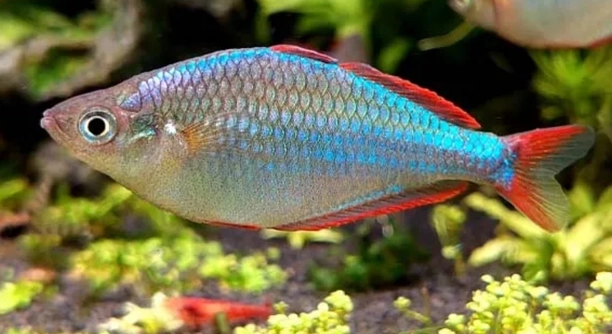
Creating the perfect environment for rainbow fish in your tank can enhance their natural beauty and health. The right layout is essential for their well-being and will allow them to thrive. It’s important to consider various factors when setting up their space.
Proper tank layout for rainbow fish involves providing plenty of swimming space, creating hiding spots, and maintaining a balanced water environment. Substrate types, live plants, and decorations should be chosen carefully to suit their needs while promoting their comfort.
In the following sections, we will explore simple tips that will make your tank more welcoming for rainbow fish. These suggestions will help create a harmonious and enjoyable environment for them to flourish.
Provide Ample Swimming Space
Rainbow fish are active swimmers, so it’s essential to give them plenty of space to move around. A tank that is too small will make them feel cramped, leading to stress and health issues. A 30-gallon tank is typically the minimum size recommended for a small group of rainbow fish. The larger the tank, the better it is for creating a more natural environment.
They will swim freely, and a spacious tank allows you to arrange plants, rocks, and decorations in a way that doesn’t hinder their movement. Make sure the tank is wide rather than just tall, as rainbow fish prefer horizontal swimming space.
You should also maintain a clean and well-maintained tank to prevent any buildup of harmful chemicals. Having the right filtration system and regular water changes will help to keep the environment healthy and comfortable for your fish. With enough space and clean water, rainbow fish can thrive, offering a vibrant display in your tank.
Use Plants to Create Shelter
Adding plants to your tank not only enhances the aesthetic appeal but also provides shelter for your fish. Live plants, such as Java Fern or Amazon Sword, are ideal because they create a natural environment.
Rainbow fish enjoy having places to hide when they feel threatened or simply need a break. Plants can serve as hiding spots while also providing a source of oxygen for the water. They’ll also help maintain a healthy ecosystem by absorbing excess nutrients. Keep in mind that plants need adequate light and substrate to thrive, so choose plants that fit the conditions of your tank.
An ideal setup will include a combination of floating plants, tall plants, and ground-cover plants. This setup will give your fish more options to feel secure and allow them to move freely throughout the tank. Plants will also contribute to overall water quality, benefiting both your fish and their environment.
Choose the Right Substrate
The substrate in your tank plays a role in both the appearance and functionality of the setup. Fine gravel or soft sand is ideal for rainbow fish, as it mimics their natural habitat. Avoid sharp or rough substrates that could injure their delicate fins.
A well-chosen substrate also allows for better plant growth, which is crucial for maintaining a healthy environment. It will help to anchor plants and provide areas for beneficial bacteria to grow. Be sure to choose a substrate that won’t trap debris, as this can cause water quality issues.
For an added benefit, you can use a nutrient-rich substrate underneath your plants to encourage their growth. This will help maintain a healthy, vibrant environment for both plants and fish. Also, make sure to clean the substrate regularly to avoid the buildup of harmful waste products.
Provide Proper Lighting
Rainbow fish thrive under appropriate lighting conditions, which mimic their natural environment. A moderate lighting setup is ideal for them, as it encourages plant growth and maintains their vibrant colors. Too much light can cause stress, while too little can lead to unhealthy plants.
Using a timer for the lights can help regulate their day and night cycle. Ensure that your tank has 10-12 hours of light per day, with the option for darkness during the night. This cycle will help your fish feel at ease and support healthy plant growth.
Aquarium lights designed for plants are beneficial, as they promote photosynthesis and a balanced ecosystem. LED lights are a great choice since they provide efficient and long-lasting illumination while offering different light color options. Keep in mind that lighting also affects algae growth, so it’s important to find a balance.
Maintain Water Quality
Rainbow fish need clean, stable water to thrive. Regular water changes of 20-25% every two weeks help keep the tank free from toxins. Use a reliable filtration system to maintain water clarity and remove harmful substances.
It’s important to monitor the water parameters such as temperature, pH, and ammonia levels. Ideal conditions for rainbow fish are a temperature between 72-80°F and a pH level of 6.5-7.5. Testing water regularly will ensure they stay healthy and active.
By maintaining optimal water quality, you can prevent diseases and promote the overall well-being of your fish. A stable and clean tank environment makes for happy, thriving rainbow fish.
Add Hiding Spots and Decorations
Rainbow fish prefer a tank that provides plenty of places to hide, especially if they are feeling stressed or threatened. Adding decorations like rocks, driftwood, and caves can give them the security they need.
You can arrange decorations in the tank to create different levels and hiding spots. This encourages natural behaviors and makes the environment more interesting for your fish. Be careful not to overcrowd the tank with too many decorations, as this may limit swimming space.
Incorporating these hiding spots into your layout can help reduce stress, which is crucial for rainbow fish. A few carefully chosen decorations can make the tank both functional and visually appealing.
Consider Tank Mates
Rainbow fish are peaceful and generally do well with other non-aggressive species. However, it’s important to choose compatible tank mates that won’t cause stress or overcrowd the space.
Consider species that occupy different areas of the tank, like bottom-dwellers or surface swimmers. Avoid aggressive or overly territorial fish, which may stress out your rainbow fish. Compatible tank mates could include small tetras, peaceful catfish, or other community fish that won’t outcompete the rainbows for food.
FAQ
How many rainbow fish should I keep together?
Rainbow fish are social creatures and thrive in groups. It’s best to keep at least five or six in your tank. This helps them feel more secure and allows them to exhibit natural behaviors. A larger group will also make your tank look more vibrant, as rainbow fish are visually striking when grouped together. However, you should ensure that the tank is large enough to accommodate them, as overcrowding can lead to stress.
What is the ideal tank size for rainbow fish?
Rainbow fish prefer plenty of swimming space. A tank of at least 30 gallons is recommended for a small group. The larger the tank, the better, as it gives them room to move around freely. A 50-gallon tank or more is ideal if you plan to keep several rainbow fish or mix them with other species. A spacious tank will help maintain stable water conditions, which is crucial for their health.
What water conditions do rainbow fish need?
Rainbow fish do best in clean, well-maintained water. The ideal temperature range is between 72-80°F (22-27°C), and the pH should be between 6.5 and 7.5. They also prefer soft to moderately hard water. Regular water changes are necessary to keep the water quality high, and you should test the water frequently to ensure that ammonia, nitrites, and nitrates are at safe levels.
Can rainbow fish live with other species?
Yes, rainbow fish are peaceful and can live with a variety of other non-aggressive species. They do well with small to medium-sized fish like tetras, peaceful catfish, and other community fish. However, avoid keeping them with aggressive or territorial fish, as this may stress them out. Always check that the tank mates have similar water temperature and pH requirements to ensure compatibility.
Do rainbow fish need live plants in their tank?
While rainbow fish don’t require live plants, they certainly benefit from having them in the tank. Live plants provide hiding spots, help improve water quality by absorbing excess nutrients, and encourage natural behavior. Plants like Java Fern, Anubias, and Amazon Sword are great choices. These plants are hardy and can survive in a variety of water conditions, making them ideal for a rainbow fish tank.
How often should I feed my rainbow fish?
Rainbow fish should be fed two to three times per day with small amounts of food to prevent overfeeding. Their diet should consist of a variety of foods, including high-quality flakes, pellets, and frozen or live foods like brine shrimp or daphnia. Be sure to remove any uneaten food after a few minutes to avoid water contamination.
What is the best way to set up a tank for rainbow fish?
To create a suitable environment for rainbow fish, provide ample swimming space and add decorations that include live plants, rocks, and driftwood. Arrange decorations in a way that provides hiding spots and creates different levels within the tank. Use a soft substrate like fine gravel or sand, which is easy on their delicate fins. A reliable filtration system is essential to maintain clean water, and moderate lighting is recommended to keep the tank well-lit without stressing the fish.
Can rainbow fish jump out of the tank?
Rainbow fish are known to jump occasionally, especially if they feel threatened or the water quality is poor. To prevent this, make sure the tank has a secure lid or cover. Additionally, maintaining stable water conditions and offering plenty of hiding spots can help reduce stress and minimize jumping behavior. Keep an eye on your tank and ensure that the fish feel comfortable in their environment.
How long do rainbow fish live?
Rainbow fish typically live for about 5-8 years, although some species can live even longer with optimal care. Providing them with the right water conditions, a balanced diet, and a stress-free environment can help maximize their lifespan. Regular water changes and tank maintenance will also contribute to their overall health and longevity.
What is the breeding process for rainbow fish?
Breeding rainbow fish is relatively straightforward, but it does require specific conditions. They prefer slightly acidic to neutral water with a temperature range of 74-78°F (23-26°C). To encourage breeding, provide them with plenty of space, live plants for egg laying, and offer a varied diet rich in protein. When ready, the female will lay eggs on the plants or tank decorations, and the male will fertilize them. The eggs typically hatch within a week, and the fry should be fed infusoria or finely crushed flakes once they’re free-swimming.
Do rainbow fish need special care?
Rainbow fish are relatively hardy and don’t require excessive care, but they do thrive in stable, clean conditions. They are sensitive to changes in water temperature, pH, and water quality, so it’s important to regularly monitor the water parameters. Consistent feeding and ensuring they have a suitable tank setup with plants and decorations will help them stay healthy and vibrant. Keep an eye on their behavior and overall health, and address any issues promptly to prevent stress and disease.
What kind of tankmates are best for rainbow fish?
Rainbow fish do well with other peaceful species that have similar care requirements. Some great tankmates include small tetras, peaceful catfish, and other community fish like Corydoras or Gouramis. Avoid aggressive fish or those that might outcompete the rainbows for food, as this can cause stress and conflict. Mixing rainbow fish with other community species that swim at different levels of the tank can also help minimize territorial behavior and create a balanced, harmonious environment.
Final Thoughts
Rainbow fish are a vibrant and peaceful addition to any aquarium. With their bright colors and active swimming, they can bring life to a tank. However, to ensure they thrive, it’s important to create the right environment for them. Providing stable water conditions, ample swimming space, and compatible tank mates will help them live a long, healthy life. Regular maintenance, such as water changes and monitoring water quality, is also essential to keep them stress-free and happy.
When setting up a tank for rainbow fish, focus on creating a natural environment that mimics their native habitat. This includes providing plants, decorations, and hiding spots. While they don’t need live plants to survive, having them can reduce stress and improve the overall tank environment. A good filtration system is also important to keep the water clean and clear. The right tank size, at least 30 gallons for a small group, ensures the fish have enough room to swim and interact naturally.
By paying attention to their care needs, you can enjoy the beauty and personality of rainbow fish for many years. They are easy to care for compared to other fish, making them a great choice for both beginners and experienced aquarium keepers. With proper care and attention to detail, your rainbow fish will not only survive but thrive, providing a colorful and peaceful presence in your aquarium for a long time.

Hello,
If you enjoy the content that we create, please consider saying a "Thank You!" by leaving a tip.
Every little bit helps us continue crafting quality advice that supports the health, happiness, and well-being of pets around the world, for pets of all shapes, sizes, and species.
We really appreciate the kindness and support that you show us!