
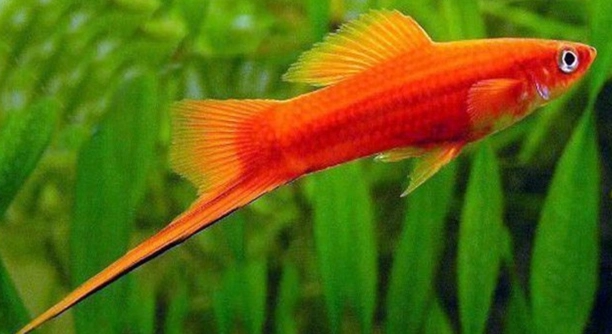
Swordtails are popular aquarium fish, loved for their colorful personalities and sleek appearance. However, setting up the perfect tank for them can be tricky, especially if you’re unfamiliar with their specific needs.
There are several common mistakes aquarium owners make when setting up a tank for swordtails. These mistakes can cause stress and confusion for the fish, leading to health problems and an unhappy environment. Understanding these errors can help you create a peaceful space for them.
Knowing the most common mistakes can ensure a healthier tank and happier swordtails. Avoiding these errors will help you provide the best care for your fish while also maintaining an easy-to-manage aquarium.
Incorrect Tank Size for Swordtails
Choosing the right tank size for swordtails is essential. These fish are active swimmers and need space to move around freely. A tank that is too small will cause stress and aggression, especially among males. Swordtails need at least a 20-gallon tank for a small group. A cramped space can lead to territorial disputes and prevent them from thriving. The size of the tank is crucial to maintaining a stable and healthy environment.
A tank that’s too small can also affect water quality. Fish waste builds up faster in smaller tanks, and cleaning becomes more frequent. This can result in water conditions that aren’t ideal for swordtails, leading to stress or disease.
Ensure that your swordtails have enough space to swim, and consider adding decorations or plants to create hiding spots. With the right size tank, you’ll give your swordtails the freedom to explore their environment and reduce the chances of aggressive behavior. A spacious tank contributes to a healthier, more balanced environment for your fish.
Poor Water Quality Management
Keeping water quality at optimal levels is one of the most important things you can do for swordtails. Swordtails need clean, well-maintained water to thrive. A failure to regularly check and adjust the water parameters can lead to poor health or even death. Water temperature, pH level, and ammonia content should be monitored closely.
Dirty water is a breeding ground for bacteria and toxins, which can quickly harm your swordtails. Regular water changes are a must. Test kits are essential for keeping track of the water’s condition, especially in a small tank where levels can change rapidly. Ammonia, nitrite, and nitrate should all be within safe ranges for swordtails.
Another key factor is filtration. Swordtails produce waste, and without a proper filtration system, harmful substances can build up. A good filter removes debris and helps keep the water clean between water changes. By maintaining good water quality, you create a healthier environment, minimizing stress and preventing disease.
Overcrowding the Tank
Overcrowding is one of the most common mistakes people make with swordtails. Too many fish in one tank leads to stress, fights, and poor water quality. Swordtails should have enough room to swim and establish territories without constant conflict. Overcrowding can also result in a higher chance of disease spreading.
When stocking your tank, make sure to follow the rule of thumb: one inch of fish per gallon of water. Swordtails grow to about 4-5 inches long, so for every swordtail, you need about 5 gallons of water. A good balance of fish will keep the environment peaceful and stable, reducing stress on both the fish and the owner.
Swordtails tend to get along with others of their kind, but overcrowding may cause aggression, especially during mating seasons. In a smaller tank, males can fight over females or become territorial. Too many fish in a cramped space also means an increased amount of waste, which can pollute the water quickly and make it harder to maintain. This cycle can lead to unhealthy conditions for everyone in the tank.
Poor Tank Decor and Hiding Spaces
Not providing enough hiding spaces for swordtails can lead to stress and aggression. Swordtails are active and curious, but they also need quiet spots where they can relax away from the hustle of tankmates. Lack of hiding spots may cause constant stress, affecting their overall health.
Adding plants, rocks, or driftwood can create shelter areas for swordtails to retreat to. This helps them feel safe and secure, reducing territorial disputes and keeping the fish calm. Swordtails, especially males, may become more territorial if they don’t have enough space to claim as their own. With good tank decor, you can prevent unnecessary stress from overcrowding or chasing.
Having places for swordtails to hide also promotes natural behaviors. They enjoy exploring and will appreciate the different textures and structures in their environment. Just remember that the decor should not create too many hiding spots that make it hard for you to maintain the tank or monitor the fish.
Inconsistent Lighting
Lighting is important for swordtails, as it helps regulate their daily cycles and overall health. Too much or too little light can cause stress or disrupt their natural behavior. Swordtails need about 8-12 hours of light each day to mimic day and night conditions.
Too much light can lead to algae growth, which not only affects water quality but also creates a stressful environment for your fish. On the other hand, insufficient light can lead to a lack of energy, as swordtails may not get the proper cues to feed and move around. Balancing the lighting is key to maintaining their well-being.
Make sure to provide a consistent light cycle. You can use a timer to ensure the light turns on and off at regular intervals. This will help your swordtails feel more comfortable and maintain a healthy rhythm. Proper lighting is one of the simplest ways to enhance their environment.
Incorrect Water Temperature
Swordtails need warm water to thrive. The ideal temperature for them is between 72-78°F. Water that is too cold or too hot can make swordtails stressed, affecting their immune system and overall behavior. Maintaining a stable temperature is key.
Invest in a reliable aquarium heater to keep the water within the ideal range. A thermometer should also be used to regularly check the water temperature. Rapid temperature changes can cause shock, leading to illness or death in extreme cases. Swordtails are sensitive to such fluctuations and may become lethargic or aggressive.
Even if the water appears fine to you, check the temperature regularly. Small shifts in water temperature may not be immediately noticeable but can significantly impact swordtail health over time. Stability is essential for creating a stress-free environment.
Overfeeding Swordtails
Overfeeding swordtails can lead to poor water quality and health issues. Swordtails have small stomachs, and overfeeding will only cause uneaten food to rot in the tank, polluting the water. It’s easy to assume that more food means happier fish, but it’s not true.
Feed swordtails once or twice a day with small portions. They will eat what they need, and any leftover food should be removed to prevent it from decaying. Overfeeding can also lead to obesity and other digestive problems in swordtails, which can shorten their lifespan.
By sticking to a regular feeding schedule and portion control, you’ll avoid both water quality issues and potential health problems.
FAQ
Why are my swordtails swimming at the surface?
Swordtails that swim at the surface could be trying to get more oxygen. This behavior may indicate that the oxygen levels in the tank are too low. It could also mean the water temperature is too high, reducing oxygen availability. Check your filter and water flow to ensure proper aeration. Also, test the water temperature and adjust it if needed. Swordtails are generally active swimmers and need good oxygen levels to stay healthy, so it’s important to maintain proper filtration and water movement.
How do I know if my swordtail is stressed?
Stressed swordtails often exhibit signs like hiding, darting around erratically, or displaying faded colors. They may also stop eating or appear lethargic. Stress can be caused by many factors, including poor water quality, overcrowding, or incompatible tankmates. Check your tank’s environment for any changes in water parameters or decor that could be causing discomfort. Reducing stress can be as simple as adding hiding spots, reducing the number of fish, or improving the water quality.
Can swordtails live with other fish?
Yes, swordtails are generally peaceful fish that can live with other species as long as their tank mates are not overly aggressive. They do best in community tanks with fish that have similar temperaments. However, avoid keeping them with overly aggressive fish like bettas or territorial species that might stress them out. Always ensure the tank has enough space and hiding spots for everyone to coexist peacefully.
How often should I change the water for my swordtails?
Water changes should be done regularly to keep the tank clean and maintain healthy water conditions. A 25-30% water change every 1-2 weeks is ideal. In a smaller tank, or one with more fish, you may need to change the water more often. Make sure to test the water regularly to check for any harmful substances like ammonia, nitrites, or nitrates, and adjust your water changes accordingly. Proper water changes help reduce stress and prevent disease in swordtails.
Why is my swordtail not eating?
If your swordtail is not eating, it could be due to stress, illness, or poor water quality. Stress can be caused by factors like overcrowding, incompatible tank mates, or sudden changes in their environment. Illnesses like internal parasites or mouth rot can also cause swordtails to lose their appetite. Make sure the tank conditions are ideal, and observe your swordtail for other signs of illness. If the problem persists, you may need to isolate the fish and consult a vet or aquarium professional.
Can I keep male and female swordtails together?
Yes, you can keep male and female swordtails together, but keep in mind that they will breed. Swordtails breed easily, and if you don’t want to have fry in the tank, you’ll need to separate them. Male swordtails may also become overly aggressive toward females during mating. To reduce stress, ensure that there are enough hiding spots for females to escape from males. If you want to prevent breeding, you could keep all males or separate the males and females.
What should I feed my swordtails?
Swordtails are omnivores, so they thrive on a varied diet. They will eat both plant-based and meaty foods. High-quality flake food, pellets, and frozen or live food like brine shrimp, daphnia, or bloodworms work well. You can also offer fresh vegetables like spinach or zucchini. Be sure to feed them small amounts once or twice a day to avoid overfeeding. Swordtails will eat whatever is available, but it’s important to offer a balanced diet to keep them healthy.
What temperature should I keep my swordtail tank?
Swordtails prefer water temperatures between 72°F and 78°F. Keeping the temperature too high or too low can stress them out and lead to health problems. A reliable aquarium heater is a good investment, especially in colder climates or during the winter months. Use a thermometer to monitor the temperature and keep it consistent. Sudden temperature changes can shock swordtails, so try to maintain a stable environment for them to thrive.
Can swordtails survive without a filter?
While swordtails can technically survive without a filter, it’s not recommended. A filter helps keep the water clean by removing debris and toxins like ammonia and nitrites. Without a filter, the water quality will degrade quickly, leading to stress and possible illness in the fish. If you choose not to use a filter, you’ll need to do more frequent water changes and be vigilant about monitoring the tank’s condition. A filter makes maintaining a healthy environment much easier and less time-consuming.
Do swordtails need a lot of light?
Swordtails do need light, but not too much. They require about 8-12 hours of light per day to maintain a regular day-night cycle. Too much light can cause algae problems, and too little can lead to stress. Use a timer to regulate the light cycle and ensure that the light level remains consistent. Swordtails also benefit from a natural light source, but direct sunlight should be avoided, as it can lead to overheating and algae growth.
How can I tell if my swordtail is male or female?
Male swordtails have a distinct sword-like extension on their tails, which is how they got their name. Females are generally larger and have a rounder belly, especially when they are carrying eggs. Males tend to be more colorful, with brighter hues, while females are more subdued in color. During breeding, males may chase females, trying to fertilize their eggs. If you are uncertain, you can also look for the gonopodium, a modified fin that males use for reproduction.
How long do swordtails live?
Swordtails typically live 3-5 years, though some may live longer with proper care. Their lifespan depends on factors like water quality, diet, and overall tank conditions. Swordtails that are stressed or exposed to poor water conditions may have shorter lifespans. Regular tank maintenance, along with a healthy diet and stable environment, will help your swordtails live longer and healthier lives.
What do I do if my swordtail is sick?
If your swordtail is showing signs of illness, the first step is to isolate it in a quarantine tank. This prevents the spread of any diseases to other fish. Next, check the water parameters to make sure they are ideal. If the fish is showing external signs like white spots, sores, or abnormal swimming, you may need to treat the tank with medication. Consult an aquarium professional for specific treatments based on the symptoms. A stressed fish may also need time to recover in a peaceful environment.
Final Thoughts
Creating the right environment for swordtails requires attention to detail. These active and colorful fish thrive in spacious tanks with clean, well-maintained water. Avoiding common mistakes like overcrowding, poor water quality, and inconsistent lighting can make a big difference in keeping swordtails happy and healthy. Regular water changes, proper filtration, and consistent tank conditions help ensure that your swordtails stay stress-free. Providing them with enough space to swim, hiding spots to rest, and the right water temperature also plays a significant role in their well-being.
Swordtails are relatively easy to care for when their basic needs are met. They are hardy and adapt well to community tanks, but they still require proper tank conditions to thrive. Monitoring water quality, temperature, and lighting regularly will help you prevent many of the common issues swordtail owners face. Additionally, feeding swordtails a varied diet of both plant and protein-based foods will keep them healthy and active. Overfeeding should be avoided, as it can lead to water quality problems and other health issues.
By following these guidelines, you can create a comfortable, stable environment where swordtails can live long, healthy lives. While swordtails are low-maintenance compared to some other fish species, they still need your attention and care. With proper tank setup and regular maintenance, you can enjoy the beauty and lively nature of swordtails in your aquarium.

Hello,
If you enjoy the content that we create, please consider saying a "Thank You!" by leaving a tip.
Every little bit helps us continue crafting quality advice that supports the health, happiness, and well-being of pets around the world, for pets of all shapes, sizes, and species.
We really appreciate the kindness and support that you show us!