
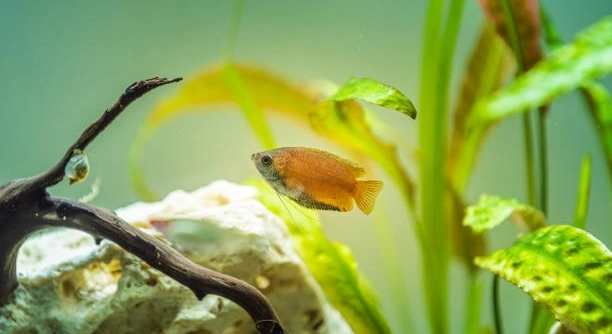
Gouramis are peaceful freshwater fish that thrive in well-planned aquariums. Many hobbyists enjoy watching their unique colors and behaviors, but setting up a tank that suits their needs can sometimes feel overwhelming and confusing.
Creating a successful tank layout for gouramis requires balancing plants, hiding spots, and open swimming areas. Proper arrangement ensures adequate oxygen flow, reduces stress, and promotes natural behavior, which ultimately contributes to healthier and more active fish in a stable environment.
Knowing how to arrange your tank can make caring for gouramis easier and more enjoyable. The right layout supports both their health and the overall aesthetic of your aquarium.
Floating Plants for Peaceful Zones
Floating plants create calm areas for gouramis to rest and hide. Their roots provide shelter for shy fish and reduce aggression in the tank. Common choices like water lettuce or frogbit also absorb excess nutrients, keeping water cleaner. By adding these plants, you provide a mix of shade and open swimming spaces. Gouramis feel safer when they can retreat under leaves, which mimics their natural habitats. Floating plants also help diffuse light, preventing algae growth and creating a more natural environment. Position them over sections of the tank to give variety, leaving some areas open for swimming. Over time, these plants may spread, so occasional trimming keeps the layout balanced and maintains water flow. Their movement with water currents can also enrich the tank’s visual appeal, making it engaging to watch. Observing gouramis interact with floating plants offers insight into their behavior and preferences.
Floating plants improve water quality, offer shelter, and reduce stress for gouramis, creating a healthier, more natural aquarium environment.
Including floating plants allows gouramis to feel secure while encouraging natural behaviors. They enjoy exploring shaded areas and resting near the surface. The mix of floating greenery with open swimming zones creates a dynamic layout. You can arrange plants to provide hiding spots for timid fish while leaving pathways for others. Floating plants are low-maintenance compared to rooted species and adapt easily to changes in water conditions. They help reduce light intensity, preventing excessive algae growth and making the tank visually appealing. Over time, the plants’ roots offer extra surfaces for beneficial bacteria, supporting a balanced ecosystem. Placement near the water surface can also aid oxygen exchange, enhancing overall fish health. By carefully arranging floating plants, you create sections of the tank that cater to different gouramis’ moods, encouraging natural exploration. The combination of shelter, shade, and open space makes the aquarium engaging, both for the fish and for anyone observing them.
Dense Plant Groupings
Dense plant groupings give gouramis secure areas for hiding and nesting. Thick clusters of stems and leaves replicate riverbank environments and reduce stress from tankmates.
Grouping plants closely allows gouramis to feel safe while exploring. It also helps control water flow and creates natural boundaries in the tank.
When arranging dense plant clusters, select a mix of tall and short species to add layers. Place taller plants toward the back or sides, leaving the middle open for swimming. Gouramis often use these thick clusters as resting spots or hiding areas, especially during feeding or when establishing territory. Dense groupings also encourage breeding behavior by giving pairs privacy and reducing disturbances. Fast-growing plants like hygrophila or hornwort can fill empty spaces quickly, while slower growers like anubias provide stable anchor points. Maintaining these areas requires occasional pruning to prevent overcrowding, ensuring water circulation remains sufficient. By thoughtfully combining height, texture, and density, you create a layout that balances shelter with freedom of movement. This arrangement not only enhances the tank’s aesthetic appeal but also supports healthier, more natural fish behavior, allowing gouramis to thrive in a structured yet flexible environment.
Open Swimming Spaces
Open swimming areas allow gouramis to move freely and exercise naturally. Keeping sections of the tank clear of dense plants or decorations prevents territorial disputes and encourages healthy activity.
Providing open spaces helps maintain balanced behavior among gouramis. It reduces stress by giving fish areas to escape when other tankmates are nearby. Open zones also improve water circulation, ensuring oxygen reaches all parts of the tank. By combining open swimming areas with hiding spots, you create a dynamic environment that supports both active and shy gouramis. Observing their movements in clear spaces can help you identify individual fish personalities and adjust the layout accordingly.
Large open sections in a tank complement dense plant groupings and floating zones. These areas allow gouramis to explore, chase food, and establish territory without interference. Open swimming spaces also make it easier to perform tank maintenance, like cleaning substrate or moving decorations. The contrast between dense plants and clear zones adds depth to the aquarium’s appearance, making it visually engaging. Open areas are particularly important for larger gourami species, as they need room to stretch fins and avoid stress-related behaviors.
Driftwood and Rock Structures
Driftwood and rock formations provide hiding spots and territorial markers for gouramis. These decorations mimic natural environments and offer shade.
Strategic placement of driftwood and rocks encourages fish to explore and rest. They also create visual interest while providing surfaces for beneficial bacteria to grow.
When arranging driftwood and rocks, place larger pieces toward the back or corners, leaving pathways for swimming. Gouramis use these structures for resting, hiding, or establishing territory, which reduces aggression and stress. Driftwood also releases tannins, slightly lowering pH and softening water, which can benefit many gourami species. Rocks create stable anchor points for plants and can be stacked to form caves or tunnels. Ensure all pieces are secure to prevent shifting that could injure fish. Combining driftwood, rocks, and plant groupings creates a balanced environment with layers of shelter, open space, and resting zones, supporting both the health and natural behaviors of your gouramis.
Substrate Variety
Using a mix of fine gravel and sand provides a natural feel for gouramis. It allows them to forage safely without injuring their delicate fins.
Different substrates also help anchor plants securely and support beneficial bacteria, improving overall water quality. Changing textures adds depth and visual interest to the tank.
Background Plants
Tall background plants create privacy and reduce stress for gouramis. They also act as a visual barrier, separating different sections of the tank.
Placing fast-growing species like vallisneria or amazon sword at the back ensures consistent coverage. These plants absorb excess nutrients, reduce algae growth, and provide a sense of security. Their height balances the tank’s layout and encourages natural swimming patterns.
Surface Cover
Providing surface cover with floating plants or leaves reduces strong light exposure. Gouramis feel safer and more relaxed under shaded areas.
FAQ
How much space do gouramis need in a tank?
Gouramis need enough room to swim freely and establish small territories. A minimum of 20 gallons is recommended for smaller species, while larger types may require 30 gallons or more. Open swimming areas combined with plants and hiding spots ensure they feel secure and reduce stress.
What types of plants work best for gourami tanks?
Floating plants, tall background plants, and dense clusters are ideal. Floating species like water lettuce give shade, while tall plants like amazon swords offer privacy. Dense plant groupings reduce aggression and create natural hiding spots. A mix of fast and slow growers balances aesthetics and maintenance.
Can gouramis live with other fish?
Yes, but choose peaceful tankmates that won’t nip fins. Avoid aggressive species, as gouramis may become stressed or territorial. Small tetras, rasboras, and peaceful catfish can coexist well. Providing hiding spots and open swimming zones helps maintain harmony in community tanks.
Do gouramis need a specific water temperature?
Gouramis prefer water between 75°F and 82°F. Stable temperatures reduce stress and promote healthy behavior. Use a reliable heater and thermometer to maintain consistent conditions. Avoid sudden temperature changes, which can weaken their immune system and increase susceptibility to disease.
How often should I clean a gourami tank?
Partial water changes of 20-30% weekly help maintain water quality. Cleaning the substrate, plants, and decorations prevents waste buildup. Avoid over-cleaning, as beneficial bacteria are necessary for a balanced ecosystem. Proper filtration supports a healthier environment for gouramis.
What decorations are safe for gourami tanks?
Smooth driftwood, rocks, and artificial caves work well. Avoid sharp or rough materials that could damage fins. Decorations should provide hiding spots and resting areas. Arrange them securely to prevent shifting, which could injure fish or disturb plants.
Do gouramis need floating cover?
Yes, floating plants or leaves reduce light intensity and create shaded areas. Gouramis often rest near the surface under cover. This mimics their natural habitat, providing comfort and encouraging natural behavior. Floating cover also contributes to water filtration and aesthetic appeal.
How do I encourage natural behavior in gouramis?
Create a layout with a balance of open spaces, dense plants, and hiding spots. Providing floating plants, driftwood, and rocks encourages exploration and resting. Consistent water parameters and a calm environment allow gouramis to exhibit feeding, resting, and breeding behaviors naturally.
What should I feed gouramis?
Gouramis thrive on a varied diet including high-quality flakes, pellets, and occasional live or frozen foods like brine shrimp or bloodworms. Feeding small portions 1-2 times daily prevents overfeeding and maintains water quality. A varied diet supports vibrant colors and overall health.
How can I reduce stress in a gourami tank?
Stress decreases with a mix of hiding spots, floating plants, and open swimming areas. Stable water parameters, proper tankmates, and minimal sudden disturbances also help. Observing behavior regularly ensures you can adjust layout or conditions to keep gouramis comfortable and active.
Are gouramis sensitive to water chemistry?
Yes, they prefer slightly acidic to neutral water with a pH of 6.5-7.5. Soft to moderately hard water is ideal. Regular testing and gradual adjustments maintain stability, preventing stress and health issues. Adding plants and driftwood naturally helps stabilize water chemistry.
How do I prevent aggression between gouramis?
Providing enough space, hiding spots, and visual barriers reduces conflict. Avoid overcrowding and choose compatible species. Males may show territorial behavior, so observe interactions and separate individuals if aggression becomes severe. Proper tank design minimizes disputes.
Can gouramis breed in home aquariums?
Yes, but they need calm water, floating plants, and privacy. Males build bubble nests under leaves or floating cover. Maintaining stable temperature and water conditions encourages breeding. After spawning, it’s often best to separate the female to protect her from the male’s territorial behavior.
What are common health issues in gouramis?
Fin rot, ich, and bacterial infections are frequent if water quality is poor. Stress from aggressive tankmates or improper conditions also affects health. Maintaining clean water, a balanced diet, and observing behavior regularly helps prevent disease. Prompt treatment ensures faster recovery.
How important is lighting for gouramis?
Moderate lighting is ideal, with shaded areas provided by plants or decorations. Too much light can stress gouramis and promote algae growth, while too little may limit plant health. Balance creates a natural environment that supports both fish and aquatic plants.
What is the best filtration for a gourami tank?
A gentle filter that maintains water clarity without creating strong currents is ideal. Gouramis prefer calm water, so sponge or adjustable hang-on-back filters work well. Regular maintenance of the filter ensures consistent performance and stable water conditions.
Can gouramis coexist with shrimp or snails?
Yes, peaceful shrimp or larger snails can share the tank. Avoid small or delicate shrimp that may be eaten. Snails help control algae and clean leftover food, supporting overall tank health without disturbing gouramis.
How often should I trim plants in a gourami tank?
Regular pruning prevents overcrowding, maintains water flow, and allows light to reach all areas. Trim fast-growing plants weekly and remove decaying leaves promptly. Proper plant maintenance supports a healthy environment and reduces stress for gouramis.
Do gouramis need a lid on the tank?
Yes, gouramis can jump, especially if startled. A secure lid prevents escape and keeps the environment safe. Lids also reduce evaporation and maintain stable temperature, contributing to overall tank stability and comfort for the fish.
How do I set up a new tank for gouramis?
Rinse substrate, arrange plants and decorations, and fill with treated water. Cycle the tank before adding fish to establish beneficial bacteria. Gradually introduce gouramis once water parameters are stable, providing a safe and stress-free environment for them to settle in.
Setting up a tank for gouramis requires careful planning and attention to their natural needs. These fish thrive in environments that balance open swimming areas, dense plants, and floating cover. By providing a variety of spaces, you allow gouramis to explore, rest, and establish territories without unnecessary stress. Including tall background plants, floating species, and well-placed decorations like driftwood or rocks creates layers of shelter and visual interest. Each element plays a role in supporting natural behavior, from resting under leaves to swimming freely in open zones. Over time, observing how your gouramis interact with these areas helps you fine-tune the layout, ensuring it suits their personalities and reduces aggression. Consistency in water quality, lighting, and temperature also contributes to a stable environment where gouramis can thrive. Thoughtful tank design not only benefits the fish but makes the aquarium more enjoyable to watch and maintain.
A successful gourami tank combines aesthetics with functionality. Floating plants provide shade and reduce stress, while dense plant clusters and decorations offer hiding spots and resting areas. Open swimming spaces are equally important, giving fish room to exercise and explore. Using a mix of fine gravel and sand creates a natural substrate that supports foraging and anchors plants securely. Driftwood and rocks not only add visual appeal but also serve as territory markers and resting spots, helping maintain harmony in the tank. Proper arrangement of these elements ensures water flows well and oxygen reaches all areas, supporting both fish health and plant growth. By paying attention to these details, you can create a dynamic layout that encourages natural behaviors and reduces stress, ultimately leading to healthier, more active gouramis. Regular maintenance, such as partial water changes, pruning plants, and cleaning substrate, helps preserve this balance while keeping the tank visually pleasing.
Understanding the specific needs of gouramis allows for long-term success in home aquariums. Providing the right combination of floating plants, dense vegetation, decorations, and open swimming areas reduces conflict, encourages natural behavior, and supports overall well-being. Maintaining stable water parameters, including temperature, pH, and hardness, is equally important to prevent stress and health issues. A varied diet of high-quality flakes, pellets, and occasional live or frozen foods ensures proper nutrition and vibrant colors. Observing your gouramis regularly gives insight into their personalities and how they use the tank layout, allowing for adjustments as needed. Every element, from substrate choice to surface cover, contributes to a cohesive environment where gouramis can feel secure and thrive. By carefully balancing these factors, you can create a tank that supports the physical and behavioral needs of your fish, while also providing a peaceful and visually appealing aquarium. With patience and attention, the setup becomes a space where gouramis can flourish, offering both satisfaction and enjoyment for anyone who maintains it.

Hello,
If you enjoy the content that we create, please consider saying a "Thank You!" by leaving a tip.
Every little bit helps us continue crafting quality advice that supports the health, happiness, and well-being of pets around the world, for pets of all shapes, sizes, and species.
We really appreciate the kindness and support that you show us!