
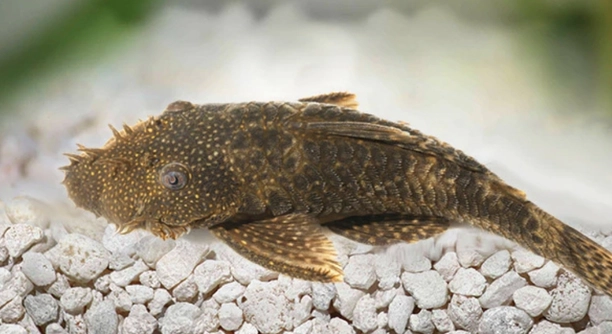
Creating the perfect aquarium for your plecos requires thoughtful planning and design. A well-planned tank layout ensures that your plecos thrive, providing them with a healthy and comfortable environment. Here are some tank layout ideas your plecos will love.
Plecos prefer aquariums with plenty of hiding spots, driftwood, and plant life. Incorporating caves, smooth rocks, and soft substrate can make them feel secure and encourage natural behaviors. Adding these elements promotes both health and comfort for plecos.
By setting up the right environment, you ensure your plecos enjoy their home and stay happy and healthy. Keep reading to find out more.
Hiding Spots Are Essential
Plecos need places to hide, especially when they feel stressed or need some alone time. Caves and tunnels are perfect for this. These spots make plecos feel secure and comfortable. You can easily find various aquarium caves or even use natural items like driftwood to create hiding spaces. Plecos are shy creatures, so giving them these retreats encourages more natural behaviors like grazing and resting. It also helps them avoid aggressive tankmates or too much light exposure. Without hiding places, plecos may become stressed, which could lead to health issues.
When you add hiding spots, your plecos will feel safer and more relaxed. This simple addition can improve their overall well-being.
Adding hiding spots is not just about comfort, it also reduces stress. A tank that feels like a natural habitat helps plecos grow healthy and stay active. Whether it’s a dark cave, hollow log, or a leafy corner, these spots are essential for their happiness.
Driftwood for a Natural Touch
Driftwood in an aquarium is not just an aesthetic choice. It provides plecos with a place to graze. The wood naturally leaches tannins, which can lower the water’s pH, helping to mimic their native environments. Plecos love to scrape algae off the wood’s surface.
In addition to providing food, driftwood adds visual appeal to your tank. The natural look makes the aquarium feel more like their natural habitat. Make sure the wood is aquarium-safe and free of harmful chemicals. Having driftwood also adds to the overall diversity of the tank’s layout.
Another benefit of driftwood is its role in improving water quality. As the wood breaks down, it releases beneficial compounds that help balance the tank’s environment. This natural filtration contributes to the overall health of the tank, benefiting not only your plecos but all the other creatures inside.
Soft Substrate for Comfort
Plecos prefer soft substrates like sand or fine gravel. These materials allow them to forage naturally and avoid injury to their delicate undersides. Avoid sharp rocks or coarse gravel, as they can damage your pleco’s skin. Sand mimics the riverbeds they are used to, helping them feel more at home.
A soft substrate makes it easier for plecos to burrow or hide when they need rest. The gentle surface helps them feel secure and reduces stress. Additionally, a soft substrate encourages natural behaviors like sifting through the sand in search of food, which plecos love doing.
Using sand or fine gravel also helps maintain cleaner water. It allows debris to settle more easily, while larger particles don’t get stirred up as easily. This keeps the environment healthier for both the plecos and any other fish or plants you have in the tank. It’s a simple change that can make a big difference.
Live Plants for Natural Habitat
Live plants are a great addition to any pleco tank. They provide oxygen, remove excess nutrients, and create a more natural environment. Plecos enjoy nibbling on plants, and the foliage gives them places to hide. They can also use plants to rest on or hide beneath during the day.
Incorporating a variety of plants, like Anubias or Java Ferns, adds layers to your aquarium. Plecos appreciate having plants with broad leaves, which offer cover while they move around. They can also benefit from the plants’ ability to filter the water. A well-planted tank promotes healthier water conditions for all inhabitants.
Another benefit of live plants is that they improve the tank’s aesthetic. Plants create a lush, natural look that makes the tank more pleasing to the eye. It also adds to the pleco’s overall well-being by providing a more complex and secure habitat. Proper care of plants ensures that the plecos continue to thrive in a balanced ecosystem.
Open Swimming Space
While plecos enjoy hiding, they also need plenty of open swimming space. A cluttered tank can stress them out and make movement difficult. Giving them room to explore encourages natural behaviors like foraging and swimming. This space also helps reduce aggression, especially with other fish.
An open area allows plecos to move freely and feel secure. It’s essential to balance hiding spots with space for swimming to give your plecos a fulfilling environment. Avoid overcrowding the tank with too many decorations or plants that block their paths.
This open space supports both physical and mental health, promoting active and content plecos.
Temperature Control
Plecos thrive in stable water temperatures. They prefer water that’s between 74°F and 80°F (23°C and 27°C). If the temperature fluctuates too much, it can stress them out or cause health issues. Using a reliable heater and thermometer is key.
Keeping the temperature stable also supports other aquatic life in the tank. Stress from temperature changes can weaken their immune system, making them more prone to illness. Regular monitoring of the tank’s conditions ensures that plecos stay healthy and active.
Water Movement
Plecos are used to slow-moving currents in their natural habitats. Too much water movement can make them feel unsafe and force them to hide. Choose filters or water pumps that create gentle water flow, allowing them to swim comfortably.
The right water flow also helps maintain water quality by ensuring oxygen is properly circulated. Avoid strong currents or powerful filters that create chaos in the tank. A well-balanced flow ensures plecos are able to enjoy their habitat without unnecessary stress.
FAQ
What is the best substrate for plecos?
Plecos thrive in soft substrates like sand or fine gravel. Sand mimics the natural riverbeds they are accustomed to, allowing them to graze and sift through the material without injury. Coarse gravel or sharp rocks can damage their delicate underbellies. A soft substrate also makes it easier for plecos to hide or rest, providing a safer environment. Additionally, sand helps with water filtration, as it doesn’t stir up debris easily. It’s a low-maintenance choice that promotes both comfort and health for your plecos.
Can plecos live with other fish?
Yes, plecos can live with other fish, but it’s important to choose compatible species. Plecos are peaceful by nature but prefer a calm environment. Aggressive fish or overly territorial species may stress them out. Good tankmates include peaceful bottom dwellers like tetras or small corydoras. It’s also essential to ensure that the tank has plenty of space, hiding spots, and a balanced environment to reduce competition. Always keep in mind that plecos are nocturnal, so they may be less active during the day and more so at night.
How do I know if my pleco is stressed?
Signs of stress in plecos can include hiding excessively, loss of appetite, or abnormal swimming patterns. They may also display a change in color, often becoming pale or darker. If your pleco is constantly hiding and avoiding other fish, it could be stressed by aggressive tankmates or environmental factors like water temperature or flow. Stress can also result from poor water quality, so it’s important to monitor and maintain good water parameters regularly. If these behaviors persist, check for any changes that could be affecting the pleco’s health.
How often should I feed my pleco?
Plecos are primarily herbivores, so they need a diet rich in vegetables and algae. You can feed them algae wafers, blanched vegetables like zucchini or cucumber, and leafy greens. Depending on your pleco’s size, they should be fed once a day or every other day. It’s important to avoid overfeeding, as uneaten food can pollute the tank. Plecos also enjoy grazing on natural algae growth in the tank, so adding driftwood or rocks can provide them with extra nourishment. If you notice that food is consistently left behind, reduce the amount you feed.
Do plecos need a filter in their tank?
Yes, plecos need a filter to help maintain water quality. While plecos are not known for being heavy waste producers, the filtration system ensures the water remains clean and oxygenated. A good filter will help remove excess nutrients and waste from the tank, promoting a healthier environment for your pleco and other tank inhabitants. However, avoid using a filter with strong currents, as plecos prefer calm water. Opt for a filter with adjustable flow or one designed for low-water movement to keep your pleco comfortable.
How can I keep my pleco’s tank clean?
Regular water changes are the most effective way to keep your pleco’s tank clean. Aim to change 25% to 30% of the water every two weeks, depending on tank size and stocking. Additionally, use a gravel vacuum to remove debris and uneaten food from the substrate. Plecos themselves help keep the tank clean by grazing on algae, but their waste still needs to be managed. Keep the filter clean and make sure it’s functioning properly. Regular monitoring of water parameters like ammonia, nitrate, and pH levels will help ensure a healthy environment for your pleco.
How do I keep plecos from getting too big in my tank?
The size of a pleco is determined by several factors, including the species and tank size. Most plecos grow large, sometimes reaching up to 24 inches, which requires a large tank. To prevent your pleco from outgrowing its space, be sure to provide an appropriately sized tank based on its species. You can also manage growth by providing a balanced diet and keeping the tank conditions ideal. However, there is no surefire way to limit their size completely, as their growth is naturally influenced by the size of their environment.
Do plecos need UV lighting?
Plecos do not require UV lighting, but they do benefit from a natural day-night cycle. Standard aquarium lighting will suffice, but it’s important to make sure your pleco’s tank has periods of darkness to replicate natural conditions. UV lighting is more important for plants in the tank, as it helps with photosynthesis. If you have live plants, they’ll benefit from UV light, but plecos themselves don’t need it for their health. A regular lighting schedule of 10-12 hours of light per day is sufficient for both plecos and plants.
Can plecos live in a cold water tank?
Plecos are tropical fish and need warm water to thrive. The ideal water temperature for most plecos is between 74°F and 80°F (23°C to 27°C). Keeping them in cold water will stress them out, and their immune system may weaken, making them more susceptible to illness. If you live in an area with cold temperatures, consider using an aquarium heater to maintain the proper water temperature. Cold water can also slow down their metabolism, affecting their feeding and growth, so maintaining warmth is crucial for their overall well-being.
What do I do if my pleco is not eating?
If your pleco stops eating, it could be a sign of stress, illness, or poor water quality. First, check the water parameters and ensure the tank conditions are ideal. Make sure the food you’re offering is appropriate for your pleco, such as algae wafers, vegetables, or driftwood. If you’ve recently added new tankmates, they might be causing stress. If the issue persists, observe your pleco for other signs of illness, such as discoloration or unusual behavior. A visit to the vet or an aquatic specialist may be necessary if the problem continues.
How do I prevent algae growth in my pleco’s tank?
Plecos naturally help control algae growth by grazing on it, but algae can still grow if there’s an excess of light or nutrients in the water. To prevent algae blooms, avoid leaving lights on for too long—8 to 10 hours per day is usually enough. Keep your water clean by performing regular water changes and using a good filtration system. Adding live plants can also help reduce algae growth by competing for nutrients. Ensure that your tank is not overfed and that any uneaten food is removed promptly to prevent excess nutrients that algae feed on.
Final Thoughts
Setting up the perfect tank for your plecos is not as complicated as it may seem. By focusing on the basics, such as providing enough hiding spots, suitable substrate, and proper water conditions, you can create an environment where your plecos feel comfortable and healthy. Plecos are relatively low-maintenance creatures, but they do require some specific care to thrive. By understanding their needs and preferences, you can easily keep them happy in your tank.
It’s important to remember that plecos are sensitive to water quality, so regular water changes and a good filtration system are essential. They also need space to swim and explore, so make sure the tank isn’t overcrowded with decorations. Keep the water temperature stable, and monitor the tank’s pH, ammonia, and nitrate levels. Providing a mix of soft substrate, live plants, and driftwood will not only improve the aesthetic of the tank but also support your plecos’ natural behavior.
Plecos are often seen as easy-going fish, but their well-being is closely linked to the environment you create for them. A properly set-up tank can encourage natural behaviors like grazing, swimming, and resting, which are vital for their health. With the right balance of decorations, proper water conditions, and a thoughtful feeding routine, you’ll provide a space where your plecos can thrive. So, whether you’re new to keeping plecos or an experienced fish keeper, paying attention to these details will ensure they live a long, happy life in your aquarium.

Hello,
If you enjoy the content that we create, please consider saying a "Thank You!" by leaving a tip.
Every little bit helps us continue crafting quality advice that supports the health, happiness, and well-being of pets around the world, for pets of all shapes, sizes, and species.
We really appreciate the kindness and support that you show us!