
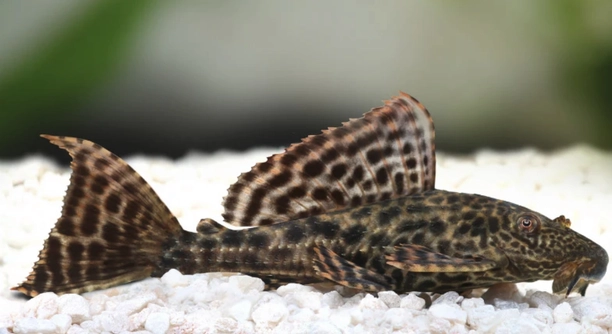
To keep plecos happy and healthy, the right tank setup plays a vital role. These fish thrive when certain conditions are met. By focusing on key elements of their environment, you can provide a perfect habitat.
Plecos require a combination of specific tank features to flourish. A well-maintained aquarium with proper filtration, appropriate tank size, stable water conditions, ample hiding spaces, and the right substrate all contribute to their overall well-being.
Optimizing these tank features will create an ideal environment for plecos to thrive.
Proper Tank Size
The size of your tank is essential for plecos. They grow large and need space to move around. A tank that is too small will not only stress them but also limit their ability to thrive. It’s recommended to provide at least a 75-gallon tank for adult plecos. This ensures they have enough room to grow and swim freely. When choosing the tank size, it’s also important to consider their growth rate and long-term needs.
A smaller tank may seem like a good idea for a while, but it will quickly become unsuitable as your pleco matures. The fish may become more aggressive or develop health issues due to restricted space.
A larger tank allows for better filtration, increased oxygen, and a more stable water environment. It also reduces the frequency of water changes needed to maintain healthy conditions. Ultimately, the right tank size will make all the difference in ensuring a happy, healthy pleco.
Water Filtration
A strong filtration system is one of the most important factors. Plecos are bottom dwellers, and they produce waste that can quickly pollute the water. A good filtration system helps maintain water quality and reduces the chances of harmful bacteria building up. It’s important to choose a filter that can handle the volume of your tank and ensure consistent water flow.
Investing in a high-quality filter ensures that harmful particles are removed and the water stays clean. Regular maintenance of the filter is essential to keeping the tank conditions stable for your pleco’s health.
Water Temperature
Maintaining the right water temperature is crucial for plecos. These fish prefer a range of 75-80°F (24-27°C). Any fluctuations outside this range can stress them, affecting their overall health and behavior. It’s important to monitor the temperature regularly.
A heater is necessary in tanks where the ambient room temperature fluctuates. Using a reliable heater will keep the water consistently warm and prevent temperature swings. Avoid placing heaters near filters or water intakes, as this can cause uneven heating. Always check the temperature before introducing any new fish or adjusting tank conditions.
Sudden changes in water temperature can be dangerous, leading to stress or illness. Gradual adjustments, when necessary, are the safest way to maintain stability. A thermometer in the tank will help track the temperature consistently, ensuring your pleco’s environment remains ideal.
Substrate Choice
The type of substrate in your tank can impact your pleco’s well-being. Plecos tend to spend a lot of time near the bottom of the tank, so it’s important to select a substrate that suits their natural habits. Smooth gravel or sand is often recommended.
Avoid sharp gravel or rough substrates, as they can injure your pleco’s delicate underside. Sand is an excellent choice because it’s gentle on their bodies and also mimics their natural environment. Plecos often sift through the substrate to find food, so it’s important to have something they can comfortably navigate.
Maintaining the substrate is also key. Regularly vacuuming the bottom of the tank helps prevent waste buildup, which could otherwise affect water quality. A clean substrate ensures your pleco remains healthy and happy.
Hiding Spots
Plecos are shy creatures and need places to hide. Providing caves, driftwood, or other hiding spots allows them to feel secure. These spots give plecos a sense of safety and a place to rest.
It’s important to offer a variety of hiding places, as plecos will often use them throughout the day. A well-placed cave or ornament can provide comfort and reduce stress. They prefer dark, quiet areas where they can retreat when needed.
A tank with sufficient hiding spots will encourage plecos to remain active and reduce the chances of them becoming stressed or sick.
Water pH
Maintaining the right pH level is essential for plecos. They thrive in water with a pH between 6.5 and 7.5. Too high or too low pH can lead to health problems.
Test the water regularly and adjust the pH as needed. Using a water conditioner can help balance the pH, especially if your tap water has fluctuating levels. Additionally, make sure to research any water treatments before using them.
Having consistent water parameters will help maintain the overall health of your pleco. Avoid making sudden changes to the pH level to prevent shock or stress.
Lighting
Plecos prefer low to moderate lighting. They are naturally nocturnal, so bright lighting can stress them out. Keep lighting soft, and avoid direct exposure to the light for extended periods.
Low light conditions also encourage plecos to explore the bottom of the tank, where they feel most comfortable. Use dim lighting or consider using a timer to simulate day and night cycles for them.
FAQ
How often should I clean my pleco’s tank?
Cleaning your pleco’s tank is essential for maintaining water quality. You should perform partial water changes every week, replacing about 20-30% of the water. This helps remove waste, excess nutrients, and toxins. Clean the substrate and filter regularly to prevent debris buildup. Over time, plecos can produce a significant amount of waste, and their bottom-dwelling nature means they can stir up more dirt. Make sure to test the water parameters before and after cleaning to ensure stability.
Can I keep plecos with other fish?
Yes, plecos can live with a variety of other fish, but care should be taken when choosing tankmates. Plecos are peaceful by nature, but some species may become territorial or aggressive if overcrowded. Ideal tankmates are similarly peaceful and thrive in the same water conditions. Avoid placing plecos with small, fast-moving fish or species that are aggressive. Make sure there is enough space and hiding spots for everyone in the tank to feel comfortable.
What do plecos eat?
Plecos are primarily herbivores, feeding on algae, plants, and organic debris. They help clean algae off surfaces in the tank, but it’s important to supplement their diet. Providing algae wafers, blanched vegetables like zucchini and spinach, and sinking pellets ensures they get all the nutrients they need. Avoid overfeeding, as uneaten food can pollute the water. Additionally, some pleco species will eat small amounts of meaty foods like shrimp or fish, but this should be offered sparingly.
How can I tell if my pleco is stressed?
Stress in plecos is often indicated by changes in behavior, such as hiding more than usual, lack of appetite, or erratic swimming patterns. You may also notice them scraping or rubbing against objects in the tank, which can be a sign of irritation or discomfort. Poor water quality, drastic temperature changes, or the presence of aggressive tankmates can contribute to stress. Make sure to monitor water parameters and address any environmental factors that might be causing distress.
What water temperature is best for plecos?
Plecos prefer a water temperature between 75-80°F (24-27°C). These tropical fish are sensitive to extreme temperature fluctuations, so it’s essential to keep the water stable. If your tank is in an area that experiences significant temperature changes, consider investing in a reliable heater to maintain consistency. Additionally, using a thermometer in the tank will help you monitor the water temperature regularly.
Do plecos need aeration?
Plecos do not require additional aeration if you have proper filtration and water movement. However, a gentle air stone or bubbler can help increase oxygen levels and improve water circulation, especially in larger tanks. Be sure that the water flow isn’t too strong, as plecos prefer calmer waters. Overly strong currents can stress them, so aim for moderate circulation in the tank.
Are plecos nocturnal?
Yes, plecos are generally nocturnal. They are most active at night, when they search for food and explore the tank. During the day, they may hide in caves or under decorations to rest. If you notice your pleco spending most of the day hidden, it’s likely just following its natural sleep pattern. Providing dim lighting and creating plenty of hiding spots will allow them to feel secure while they rest.
Can I add a pleco to a tank with existing fish?
Yes, you can add a pleco to an established tank, but make sure the tank has sufficient space and hiding spots. It’s a good idea to monitor the behavior of your current fish and the pleco for the first few days to ensure they are getting along. Adding a pleco to a tank that’s already balanced with healthy water conditions will help minimize stress for the new fish. Ensure the tankmates are compatible, as some fish may be territorial or aggressive.
How do I know if my pleco is healthy?
A healthy pleco will have smooth, clean skin and clear eyes. They should swim freely and be active at night, especially when feeding. If your pleco is losing its appetite, hiding excessively, or showing signs of unusual behavior (like floating at the surface or staying at the bottom of the tank), these could be signs of illness. Keep an eye out for any unusual spots, lesions, or discoloration on the skin, as these may indicate disease. Regular water testing and maintaining a clean tank are key to preventing health problems.
Why is my pleco not eating?
There are several reasons your pleco might not be eating. Stress, poor water quality, or a sudden change in the tank environment can cause a loss of appetite. Overfeeding with other types of food can also make them less interested in their regular diet. Ensure that the water conditions are stable, and try offering a variety of foods, such as algae wafers, vegetables, and sinking pellets. If the problem persists, check for signs of illness or consult a vet for advice.
How big do plecos get?
Plecos can grow quite large, with some species reaching lengths of up to 24 inches or more. The size of your pleco depends on the species, so it’s important to know how big your particular type can grow. In general, plecos require large tanks to accommodate their size and growth. Even smaller species still need ample space to swim and explore. Be prepared for the long-term commitment that comes with keeping a pleco, as they will continue to grow over the years.
Final Thoughts
Plecos are fascinating and hardy fish that can thrive in a variety of tank setups. With the right environment, they can be a great addition to any aquarium. They help keep the tank clean by eating algae, and their calm nature makes them compatible with most peaceful fish species. Understanding their needs, such as providing enough hiding spots, maintaining water quality, and offering a proper diet, is essential for keeping them healthy and happy.
One of the most important aspects of caring for a pleco is ensuring their tank meets their requirements for space, water conditions, and food. Plecos can grow quite large, depending on the species, so it’s important to choose a tank that can accommodate their size as they mature. Regular water changes, monitoring water parameters like pH and temperature, and making sure the tank has enough hiding spots will all help reduce stress and improve the overall health of your pleco. They also benefit from having a stable environment with minimal disturbances.
Taking care of plecos doesn’t have to be difficult, but it does require consistent attention. By paying attention to their specific needs, such as feeding them properly and providing a balanced ecosystem, you’ll help your pleco thrive. They can live for many years if given the right care, and they are relatively low-maintenance once their habitat is set up properly. With patience and care, your pleco will not only help keep your tank clean but will also become an enjoyable and peaceful part of your aquatic setup.

Hello,
If you enjoy the content that we create, please consider saying a "Thank You!" by leaving a tip.
Every little bit helps us continue crafting quality advice that supports the health, happiness, and well-being of pets around the world, for pets of all shapes, sizes, and species.
We really appreciate the kindness and support that you show us!