
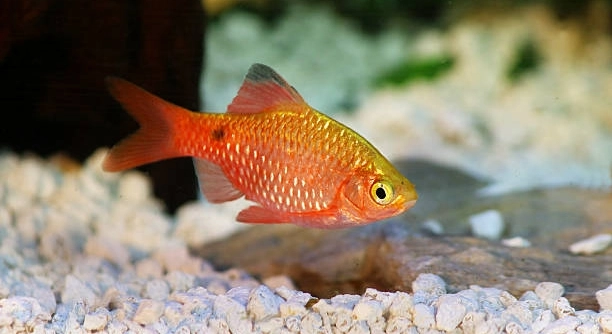
Do your rosy barbs often seem restless, darting from corner to corner without slowing down or settling into one spot?
Rosy barbs are active, curious fish that thrive in dynamic environments. Key tank features—like water movement, varied décor, and proper lighting—encourage continuous exploration by mimicking the natural conditions these fish are instinctively drawn to.
From filtration flow to hiding spots and open swimming areas, each feature plays a role in keeping your rosy barbs healthy, stimulated, and on the move.
A Steady Flow Keeps Them Moving
Rosy barbs love movement, and consistent water flow helps them stay active. A gentle current mimics the rivers they naturally come from, encouraging swimming and exploration. Using a well-placed filter or small powerhead creates that flow without overwhelming them. It also supports better oxygen exchange and helps distribute heat evenly. Just make sure to avoid strong currents, which may cause stress. The goal is to maintain a balance that allows them to swim freely without tiring too quickly. When water flows in one direction, it also adds structure to their environment, giving them a sense of direction and stimulation.
Fast, chaotic movement can overwhelm your fish. A soft, steady stream is best for keeping their behavior relaxed and natural.
Rosy barbs often follow the flow, swimming against it and exploring along the way. It mimics migration behaviors in the wild, keeping them curious and engaged with their tank space from day to night.
Hideouts Make a Big Difference
Caves, tunnels, and plants offer privacy and reduce stress. These features give rosy barbs a break from light and movement.
When fish feel safe, they explore more. Hiding spots are not just for rest—they also provide mental stimulation. You’ll often see rosy barbs dart in and out of caves or weave through dense plants. This activity mimics the behavior of seeking shelter from predators or finding shaded areas in the wild. Using driftwood, terracotta pots, or dense artificial plants gives variety and texture to their space. It also allows for natural schooling behavior. Rosy barbs are less likely to chase each other when they have places to escape to. These features keep their environment interesting and dynamic. Just make sure nothing has sharp edges or tight spaces that could trap them. A balanced mix of open and hidden areas allows them to feel secure and more willing to roam around.
Lighting That Mimics Nature
Soft, natural lighting supports your rosy barbs’ daily rhythm and encourages activity. Bright lights can stress them, while dim or variable lighting creates a comfortable space where they feel safe enough to explore more often. Use a timer to keep their light schedule consistent.
Rosy barbs respond well to gradual lighting changes. Sudden brightness can make them dart or hide. A light cycle that mimics sunrise and sunset helps regulate their energy and behavior. LED lights with adjustable intensity or color can simulate the gentle warmth of daylight. You’ll often notice more movement when lighting transitions are smooth. This setup supports their natural patterns—active during the day and resting when lights dim. It also allows you to enjoy their shimmering colors without overwhelming them. Balanced lighting helps their colors stand out and keeps them visible as they swim from plant to plant or across open spaces.
You can also pair lighting with the right tank layout to highlight certain areas and create contrast. Shaded spots under plants or driftwood encourage short pauses before they move again. Open, well-lit zones promote active swimming. This variety gives rosy barbs a sense of structure and choice. With the right lighting, they become more curious, balanced, and active throughout the day.
Room to Swim and School
Rosy barbs are social swimmers and need horizontal space more than height. A long tank layout supports their natural schooling behavior. This helps prevent stress and boosts confidence in more timid fish. Keep at least five barbs to maintain harmony.
Larger groups of rosy barbs spread their attention evenly and reduce aggressive chasing. In tanks with limited space, they often show signs of frustration—nipping, darting, or hiding more often. A tank length of at least 30 inches gives them room to swim side by side and form small, changing groups. Avoid overcrowding, as too many fish can reduce swimming space and lead to territorial behavior. Keep décor along the edges, leaving an open middle zone where they can glide freely. This layout keeps them calm and curious. When rosy barbs have room to school, they move with rhythm, take turns leading, and remain more alert and engaged throughout the day.
Substrate That Sparks Curiosity
A mixed substrate encourages natural behavior. Rosy barbs often sift through sand or fine gravel, searching for bits of food. This activity keeps them engaged and gives them a familiar texture under their fins.
Choose a smooth, natural-colored substrate to reduce stress. Avoid sharp gravel that may harm their mouths.
Plants They Can Swim Through
Live or silk plants offer movement, cover, and stimulation. Rosy barbs enjoy swimming through soft leaves and weaving between stems. Use a mix of floating, rooted, and tall background plants. This layout creates depth and variety in their environment. Keep open space in front for schooling and daily activity.
Safe Zones That Shift
Floating decorations or moveable pieces give rosy barbs new areas to explore. Changing the tank layout slightly every few weeks encourages fresh curiosity. It also keeps their environment stimulating without overwhelming their sense of safety.
FAQ
Why do rosy barbs keep exploring their tank?
Rosy barbs are naturally curious and active fish. They explore their environment to find food, safe spots, and to stay stimulated. Exploration is part of their instinct, helping them adapt and respond to changes in their surroundings. Providing varied tank features encourages this natural behavior and supports their well-being.
How often should I change the tank layout for rosy barbs?
Changing the layout every few weeks helps maintain interest and encourages exploration. Small adjustments like moving plants or decorations are enough. Avoid major disruptions too often, as they can cause stress. Consistent but gentle changes keep the environment fresh and engaging for your fish.
What type of lighting is best for rosy barbs?
Soft, natural lighting is ideal. Avoid harsh or overly bright lights that can stress them. Use a timer to simulate a regular day-night cycle with gradual light changes. LED lights with adjustable brightness work well to create a comfortable environment.
How much space do rosy barbs need?
A minimum tank length of 30 inches is recommended for a small group of five rosy barbs. They need horizontal swimming space to school properly and reduce aggressive behavior. Overcrowding limits their movement and can increase stress and territorial disputes.
Do rosy barbs need hiding spots?
Yes, hiding spots are essential for reducing stress and encouraging natural behavior. Caves, dense plants, and decorations provide places to rest and feel secure. These areas also add variety to the tank and support mental stimulation.
Can rosy barbs live with other fish?
Rosy barbs are generally peaceful but can be slightly nippy. They do well with other active, similar-sized fish. Avoid slow-moving or long-finned species, as rosy barbs may nip at them. Proper tank size and hiding spots help reduce aggression.
What kind of substrate should I use?
Smooth sand or fine gravel is best. It allows rosy barbs to sift through naturally without hurting their mouths or fins. Avoid sharp or large gravel that may cause injury. A natural color helps replicate their natural habitat.
How important is water flow in the tank?
Water flow is important to mimic natural river currents. It encourages swimming and exploration. Use filters or small powerheads to create gentle, steady currents without overwhelming the fish. Proper flow also supports oxygenation and temperature distribution.
How do I encourage rosy barbs to explore more?
Provide a balanced environment with varied décor, hiding spots, and open swimming areas. Maintain steady water flow and natural lighting cycles. Occasional changes in tank layout or adding new plants can spark curiosity and activity. Regular feeding routines also keep them engaged.
What signs show rosy barbs are stressed?
Signs include hiding constantly, reduced movement, loss of color, and aggressive chasing. Erratic swimming or gasping at the surface can also indicate stress. Maintaining proper tank conditions, hiding spots, and avoiding sudden changes helps keep stress low.
How often should I clean the tank for rosy barbs?
Regular partial water changes every one to two weeks maintain water quality. Clean the substrate gently to avoid disturbing beneficial bacteria. Proper filtration and avoiding overfeeding reduce the need for frequent deep cleanings. A clean environment supports their health and activity.
Are floating plants beneficial for rosy barbs?
Yes, floating plants provide shade and reduce bright light, creating safe zones. They also add variety and places to hide or rest near the surface. This helps balance lighting and adds another layer of interest to the tank.
Can rosy barbs adapt to low light tanks?
Rosy barbs prefer moderate lighting. In very low light, they may become less active or lose some coloration. Providing a balanced light cycle with some brighter periods supports natural behavior and enhances their appearance.
What temperature is best for rosy barbs?
Rosy barbs thrive in water between 64°F and 72°F (18°C to 22°C). Stable temperature within this range supports their health and encourages regular activity. Sudden temperature changes can cause stress or illness. Use a reliable heater and thermometer to maintain consistency.
Do rosy barbs need companions of their own kind?
Yes, they are schooling fish and feel more secure and active in groups of five or more. Small groups reduce aggression and promote natural social behavior. Isolated rosy barbs often become shy or stressed.
How does tank size affect rosy barb behavior?
Smaller tanks restrict movement and can increase stress and aggression. Larger tanks allow for natural schooling and exploration. The more space they have, the more active and healthy they will be. Proper tank size supports their mental and physical well-being.
Final Thoughts
Keeping rosy barbs active and exploring depends largely on their environment. Providing the right features in their tank supports their natural behaviors and helps maintain their health. Water flow, appropriate lighting, and a well-thought-out layout create a comfortable space where they can swim freely and stay curious. These fish need more than just clean water—they require a setting that encourages movement and exploration. When their surroundings meet these needs, rosy barbs show more natural, lively behavior that reflects their true nature.
Hiding spots and varied décor are just as important as open swimming areas. Rosy barbs feel safer and less stressed when they have places to retreat to. This balance of open and covered spaces gives them choice, making the tank feel like a dynamic environment rather than a confined box. When you add plants, caves, or floating decorations, you create an environment that changes subtly over time, keeping the fish interested and engaged. This variety supports mental stimulation and prevents boredom, which is key to their long-term well-being.
Tank size and group size also play a significant role in encouraging rosy barbs to explore. They are social fish that thrive in groups and need enough room to swim side by side. Crowded or small tanks limit their natural schooling behavior and can cause stress or aggression. Ensuring they have enough space supports healthy activity and promotes calm social interactions. Attention to these details creates a balanced, natural habitat where rosy barbs can thrive and stay active. Careful tank management allows these fish to display their best colors and behaviors, enriching any aquarium.

Hello,
If you enjoy the content that we create, please consider saying a "Thank You!" by leaving a tip.
Every little bit helps us continue crafting quality advice that supports the health, happiness, and well-being of pets around the world, for pets of all shapes, sizes, and species.
We really appreciate the kindness and support that you show us!