
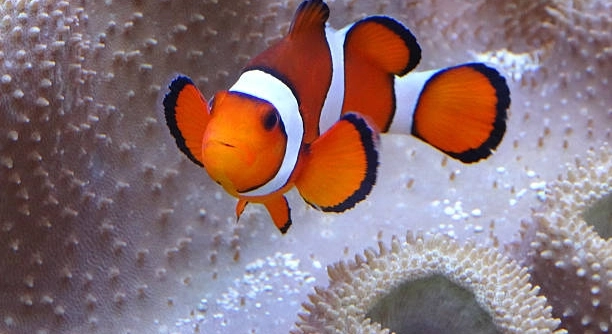
Clownfish are popular in home aquariums because of their bright colors and interesting behavior. Providing the right tank environment is essential for their health and happiness. Certain features in a tank make it easier for clownfish to thrive and grow.
The key tank features that support clownfish survival include proper water temperature, stable salinity levels, adequate hiding spots, gentle water flow, compatible tank mates, effective filtration, and sufficient lighting. Each factor plays a crucial role in creating a balanced and healthy environment.
Learning about these tank features can improve the care you give your clownfish and help them flourish in your aquarium. Understanding these basics sets the foundation for a successful aquatic habitat.
Proper Water Temperature
Maintaining the right water temperature is vital for clownfish health. They thrive best in temperatures between 74°F and 79°F (23°C to 26°C). Too cold or too warm water can stress them, leading to weakened immune systems and increased risk of disease. Using an aquarium heater and a reliable thermometer helps keep the temperature steady. Sudden changes should be avoided because clownfish are sensitive to fluctuations. Stable temperature supports their metabolism and overall well-being. Keeping the tank within this range mimics their natural habitat, allowing them to feel comfortable and active. It also encourages natural behaviors like feeding and breeding, which indicate they are healthy. Monitoring temperature daily ensures problems can be caught early and fixed before they affect the fish.
A consistent temperature helps clownfish stay healthy and live longer in your aquarium.
Understanding how to regulate water temperature is one of the first steps to creating a supportive environment for clownfish. It sets the stage for their survival and growth.
Stable Salinity Levels
Clownfish live in saltwater, so stable salinity is essential. Salinity is usually measured with a hydrometer or refractometer and should be kept around 1.020 to 1.025 specific gravity. Large changes in salt levels can stress fish and harm their organs.
Keeping salinity steady means making small water changes with properly mixed saltwater. When adding water, ensure it matches the tank’s current salinity to avoid shocks. Evaporation can increase salt concentration, so topping off with fresh water is necessary. Regular testing and adjustments prevent dangerous swings. A stable salt level supports clownfish’s osmoregulation, allowing them to maintain fluid balance and proper cell function. It also promotes good immune health and activity levels.
In tanks where salinity is stable, clownfish are more likely to feed well, grow strong, and show natural behaviors. This control is key to a thriving aquarium environment.
Adequate Hiding Spots
Clownfish need places to hide and feel secure. Rocks, coral, and anemones provide shelter and reduce stress.
Creating enough hiding spaces mimics their natural reef habitat. This helps clownfish feel safe and less exposed to threats. They use these spots to rest, sleep, and escape from aggressive tank mates. Without hiding places, clownfish may become shy or stressed, which can affect their health. Adding live or artificial corals, caves, and anemones offers both protection and a natural environment. These spots also encourage natural behaviors, making your clownfish more active and confident. When setting up the tank, consider the size and number of hiding places to suit your clownfish’s needs.
Hiding spots also improve tank aesthetics and create more interesting spaces to observe your fish.
Gentle Water Flow
Clownfish prefer calm to moderate water flow. Strong currents can tire them out or cause stress.
Water flow affects oxygen levels and waste removal in the tank. Gentle flow simulates the natural currents near reefs where clownfish live. It helps bring food to them without forcing them to swim against strong currents. Proper water movement also prevents debris buildup and maintains clean water conditions. If the flow is too strong, clownfish might hide more or avoid swimming. Adjusting pumps or using flow controllers can create the ideal water movement. Maintaining balanced flow keeps clownfish healthy and encourages normal swimming and feeding patterns.
A well-regulated flow makes the tank environment more comfortable and supports overall fish health.
Compatible Tank Mates
Clownfish do best with peaceful tank mates that won’t stress or harm them. Avoid aggressive species that compete for space or food.
Compatible fish like gobies, blennies, and certain wrasses create a calm environment. This reduces stress and promotes natural behavior in clownfish.
Effective Filtration
A strong filtration system keeps water clean by removing waste and toxins. It supports water clarity and helps maintain stable water parameters.
Good filtration reduces harmful substances like ammonia and nitrates, which can harm clownfish. It also promotes oxygen exchange, essential for fish health and vitality.
Sufficient Lighting
Proper lighting helps clownfish maintain their natural rhythms. It supports the growth of live corals and anemones, which are part of their habitat.
FAQ
What is the ideal tank size for clownfish?
A tank of at least 20 gallons is recommended for a pair of clownfish. This size provides enough space for swimming and establishing territory. Larger tanks are better if you plan to add other fish or corals. Smaller tanks can lead to water quality issues and stressed fish. Proper space helps clownfish stay active and healthy.
How often should I test the water parameters?
Water should be tested weekly for temperature, salinity, pH, ammonia, nitrite, and nitrate levels. Frequent testing helps catch problems early. Stable conditions prevent stress and illness. Keeping a log of results can help you notice trends and adjust care accordingly.
Can clownfish live without anemones?
Yes, clownfish can live happily without anemones if the tank provides plenty of hiding spots like rocks and corals. Anemones are natural partners but are not required for clownfish survival in captivity. Providing shelter reduces stress and allows clownfish to behave naturally.
What do clownfish eat in a home aquarium?
Clownfish eat a variety of foods including flakes, pellets, frozen or live brine shrimp, and mysis shrimp. Feeding a balanced diet ensures good health and bright colors. Feed small amounts twice a day to avoid overfeeding and maintain water quality.
How do I introduce clownfish to a new tank?
Acclimate clownfish slowly to the new tank water by floating their bag in the tank and gradually mixing tank water over 30–60 minutes. This reduces shock from changes in temperature, salinity, or chemistry. After acclimation, gently release the fish to minimize stress.
What signs show my clownfish is stressed or sick?
Look for unusual behavior like hiding excessively, loss of appetite, faded colors, rapid breathing, or white spots. These can indicate stress or illness. Early detection allows for quicker treatment and better chances of recovery.
How can I prevent diseases in my clownfish tank?
Maintain stable water conditions, avoid overcrowding, and quarantine new fish before adding them to the main tank. Regular water changes and proper filtration reduce disease risk. Keeping the tank clean and monitoring fish health are key prevention steps.
Are clownfish aggressive toward other fish?
Clownfish can be territorial but usually show aggression only during breeding or defending their space. They get along well with peaceful tank mates. Proper tank size and hiding spots reduce conflicts.
How do I care for clownfish eggs if they spawn?
Clownfish eggs need stable water parameters and gentle water flow. Some hobbyists remove the eggs to a separate tank for better survival chances. Parents may guard the eggs but can also eat them if stressed. Providing a calm environment helps eggs develop safely.
What lighting is best for clownfish tanks with anemones or corals?
Full-spectrum LED or T5 lighting that supports coral and anemone growth is ideal. Lighting should simulate natural day and night cycles, usually 8–10 hours of light daily. Proper lighting supports the health of the entire tank ecosystem.
Can I keep clownfish in a community saltwater tank?
Yes, clownfish can live in community tanks with peaceful fish species. Avoid aggressive or much larger fish that might harm clownfish. A well-planned community tank balances species needs and reduces stress for all inhabitants.
How long do clownfish typically live in captivity?
With proper care, clownfish can live 5 to 10 years or more. Stable water conditions, good diet, and stress-free environment contribute to longevity. Monitoring their health regularly helps ensure they live a full life.
What equipment is essential for a clownfish tank?
Basic equipment includes a heater, filtration system, lighting, hydrometer or refractometer for salinity, and a thermometer. These tools help maintain a stable and healthy environment, which is crucial for clownfish well-being.
Clownfish need specific tank conditions to live well and stay healthy. Key features such as proper water temperature, stable salinity, good filtration, and enough hiding spots create a safe and comfortable environment. These factors help clownfish reduce stress and behave naturally. When these needs are met, clownfish can thrive and show their bright colors and active personalities. It’s important to pay close attention to each feature because they all work together to support the fish’s health.
Maintaining the tank regularly is essential for clownfish success. Checking water parameters often and adjusting them as needed prevents problems before they start. Feeding a balanced diet and choosing compatible tank mates also play a big role. Stress from poor conditions or aggressive fish can lead to illness. Taking time to learn about clownfish needs and watching how they respond to their environment will help you provide the best care possible. Simple steps like testing the water, cleaning the tank, and providing places to hide can make a big difference.
In the end, caring for clownfish requires consistency and attention to detail. Small changes in the tank can affect their health quickly. Being patient and observing your fish regularly allows you to catch any issues early. When the right tank features are in place, clownfish can live long, healthy lives and bring enjoyment to your aquarium. Understanding and meeting their needs creates a balanced home where they can thrive safely and happily.

Hello,
If you enjoy the content that we create, please consider saying a "Thank You!" by leaving a tip.
Every little bit helps us continue crafting quality advice that supports the health, happiness, and well-being of pets around the world, for pets of all shapes, sizes, and species.
We really appreciate the kindness and support that you show us!