
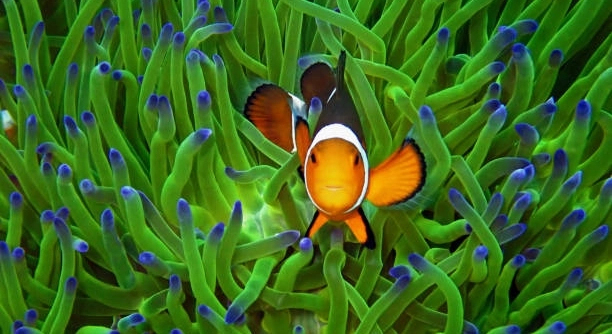
Clownfish need a tank environment that helps them feel safe and secure. Many factors in the tank can influence their behavior and overall confidence. Understanding these features can improve their well-being in a home aquarium.
Seven key tank features contribute to building clownfish confidence, including proper tank size, stable water conditions, adequate hiding spots, compatible tank mates, appropriate lighting, suitable substrate, and consistent feeding routines. These elements create a supportive and stress-free environment for clownfish.
These tank features are essential for creating a healthy and comfortable space where clownfish can thrive naturally and confidently.
Proper Tank Size and Space
Clownfish need enough room to swim comfortably and establish their territory. A tank that is too small can cause stress and aggression. For a single pair of clownfish, a tank of at least 20 gallons is recommended. Larger tanks help maintain stable water conditions and give fish space to explore. When there is enough space, clownfish can display natural behaviors like swimming freely and seeking shelter without feeling crowded. This freedom helps reduce stress and builds their confidence in their environment. Overcrowded tanks also increase competition for resources, which can make clownfish more nervous and less healthy overall.
A suitable tank size supports both the physical and psychological health of clownfish, making it easier for them to thrive in captivity.
Adequate space lets clownfish feel secure and lowers stress levels, which is important for their growth and long-term well-being.
Stable Water Conditions
Maintaining stable water parameters is essential for clownfish confidence. These fish are sensitive to changes in temperature, salinity, and pH. Sudden shifts can cause stress and weaken their immune system. Consistent monitoring and regular water changes keep the environment healthy. Ideal temperature ranges from 74 to 78 degrees Fahrenheit, with salinity at about 1.020 to 1.025 specific gravity. pH should stay between 8.0 and 8.4. Stability in these factors creates a calm environment where clownfish feel safe. It also prevents diseases that can arise from poor water quality. Using a reliable heater, filter, and testing kits can help maintain these conditions with minimal fluctuations. Ensuring this steady environment is key to helping clownfish remain confident and active in their tank.
Adequate Hiding Spots
Clownfish need places to hide and feel secure in their tank. Rock formations, anemones, or artificial caves give them safe retreats.
Providing enough hiding spots reduces stress by giving clownfish control over their environment. These areas allow them to rest and avoid aggressive tank mates. When clownfish feel safe, they are more likely to explore and show natural behaviors. Including a mix of live and artificial shelters creates a balanced habitat that meets their needs. Proper hiding places can also help when new fish are introduced, easing the transition and minimizing conflicts.
Hiding spots are crucial for building clownfish confidence. They create secure zones where the fish can retreat when feeling threatened, making the tank a calmer and safer place overall.
Compatible Tank Mates
Choosing tank mates that get along with clownfish is important for a peaceful aquarium. Aggressive or overly active fish can stress clownfish out.
Good tank mates include peaceful species like gobies, blennies, and certain damselfish. Avoid larger, territorial fish that may bully clownfish or compete for space and food. Compatible companions encourage calm behavior and reduce stress levels. Introducing tank mates gradually allows clownfish to adjust to the new environment without feeling overwhelmed. Observing interactions early helps prevent problems before they escalate. A well-chosen community supports clownfish confidence and promotes natural social behaviors, improving the overall health of the tank.
Appropriate Lighting
Proper lighting supports clownfish activity and natural rhythms. It should mimic daylight without being too intense or too dim.
Using a timer helps maintain consistent light cycles, which reduces stress. Clownfish rely on these cycles for feeding and resting patterns, boosting their confidence.
Suitable Substrate
A soft, sandy substrate is ideal for clownfish tanks. It mimics their natural environment and is gentle on their fins.
Sandy substrate also encourages natural behaviors like digging and exploring, which contribute to the fish’s comfort and confidence.
Consistent Feeding Routines
Feeding clownfish on a regular schedule helps them feel secure. Predictable mealtimes reduce stress and prevent aggressive behavior.
Offering a balanced diet that includes pellets, flakes, and occasional frozen foods supports their health and boosts confidence by meeting nutritional needs.
FAQ
How often should I clean my clownfish tank?
Regular cleaning is important to keep the tank healthy. Partial water changes of about 10-20% should be done every one to two weeks. This helps remove waste and toxins that build up over time. Cleaning the substrate with a siphon during water changes also keeps the environment fresh. Avoid cleaning the entire tank or filter at once, as this can disrupt beneficial bacteria. Maintaining a clean tank supports water quality and reduces stress for clownfish.
What type of food is best for clownfish?
Clownfish thrive on a varied diet. High-quality pellets or flakes formulated for marine fish are a good base. Supplement their diet with frozen or live foods like brine shrimp, mysis shrimp, or finely chopped seafood. Feeding small amounts two to three times daily ensures they get enough nutrition without polluting the water. A balanced diet promotes growth, coloration, and overall health, which boosts their confidence and activity.
Can clownfish live without an anemone?
Yes, clownfish can live happily without an anemone. While anemones offer natural shelter and a safe place to hide, they are not necessary for clownfish survival in home tanks. Many hobbyists keep clownfish in tanks without anemones by providing ample hiding spots such as rocks, coral decorations, or artificial caves. This setup can reduce tank maintenance and still provide a comfortable environment.
What is the ideal tank temperature for clownfish?
The ideal temperature range for clownfish is between 74°F and 78°F (23°C to 26°C). Maintaining this stable temperature supports their metabolism and immune system. Sudden temperature changes can stress clownfish and make them more vulnerable to disease. Using a reliable heater with a thermostat and monitoring the temperature daily helps keep it consistent and safe.
How do I introduce new fish to my clownfish tank?
Introduce new fish slowly and carefully to reduce stress. Quarantine new fish for at least two weeks to prevent disease spread. When adding them to the tank, float the bag in the tank water for 15-20 minutes to equalize temperature. Gradually mix tank water into the bag over 30 minutes before releasing the fish. Monitor interactions closely to ensure compatibility and minimize aggression. Proper introductions help maintain a peaceful environment for clownfish.
Why is my clownfish hiding all the time?
Hiding is a natural behavior, especially if the clownfish is new to the tank or stressed. It could also indicate poor water quality, illness, or bullying by other fish. Check water parameters and observe tank mates. Ensure there are enough hiding spots for security. If hiding continues, testing for illness and adjusting care may be necessary.
How do I know if my clownfish is healthy?
A healthy clownfish is active, eats regularly, and shows bright coloration. Their fins should be intact without tears or spots. They swim confidently and interact with the environment or tank mates. Any signs of lethargy, loss of appetite, discoloration, or unusual spots may signal illness. Prompt attention to these signs helps maintain their health and confidence.
Can clownfish live with other types of fish?
Clownfish can live with many peaceful marine species. Suitable tank mates include gobies, blennies, and certain wrasses. Avoid aggressive or territorial fish that may harm clownfish. Compatibility depends on tank size and individual fish temperaments. A well-planned community tank reduces stress and promotes natural behaviors in clownfish.
How important is water salinity for clownfish?
Water salinity must be stable and within the range of 1.020 to 1.025 specific gravity. This balance supports clownfish osmoregulation and overall health. Frequent testing with a hydrometer or refractometer helps maintain proper salinity. Sudden changes can cause stress and health problems, so gradual adjustments are necessary when needed.
What signs indicate that clownfish are stressed?
Signs of stress include hiding, erratic swimming, loss of appetite, faded colors, and excessive aggression. Stress often results from poor water quality, inappropriate tank mates, or inadequate environment. Identifying and correcting these issues quickly helps clownfish recover confidence and maintain good health.
Creating a comfortable and confident environment for clownfish requires attention to several key tank features. Proper tank size gives clownfish enough room to swim and establish their territory without feeling cramped. Stable water conditions are essential for their health, as fluctuations in temperature, salinity, or pH can cause stress. Providing adequate hiding spots, such as rock formations or artificial caves, allows clownfish to retreat when they feel threatened or need rest. These simple adjustments help create a calm and supportive environment where clownfish can thrive.
Choosing compatible tank mates is another important factor in building clownfish confidence. Peaceful fish species reduce the risk of bullying and aggressive behavior that can make clownfish nervous. Consistent feeding routines also contribute to a secure environment. When clownfish know when and what to expect at mealtime, it reduces stress and supports their overall health. Proper lighting and a suitable substrate complete the setup, supporting natural behaviors and creating a habitat that feels familiar to the fish.
Taking care of clownfish involves meeting their basic needs and paying close attention to their environment. Each feature in the tank plays a role in how confident and comfortable clownfish feel. By maintaining these conditions, you help your clownfish display natural behaviors and enjoy a longer, healthier life. Regular monitoring and small adjustments ensure that your tank stays balanced. This attention to detail results in a happy, active aquarium where clownfish can truly flourish.

Hello,
If you enjoy the content that we create, please consider saying a "Thank You!" by leaving a tip.
Every little bit helps us continue crafting quality advice that supports the health, happiness, and well-being of pets around the world, for pets of all shapes, sizes, and species.
We really appreciate the kindness and support that you show us!