
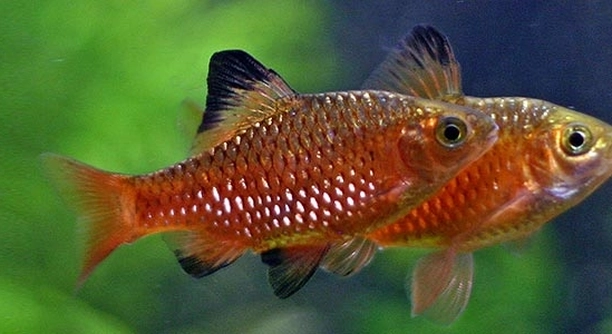
Rosy barbs are popular aquarium fish known for their bright colors and peaceful nature. Many hobbyists enjoy keeping them because they adapt well to community tanks. However, not all tankmates are suitable for rosy barbs.
Certain aggressive or territorial fish can stress or harm rosy barbs, disrupting their well-being and tank harmony. It is important to avoid species that compete aggressively for food, space, or show dominant behavior, as these can negatively affect rosy barbs’ health and behavior.
Choosing the right companions helps maintain a calm and healthy environment for rosy barbs, making your aquarium more enjoyable and balanced.
Aggressive Cichlids
Aggressive cichlids are not good tankmates for rosy barbs. These fish are known for their territorial behavior and often attack smaller or peaceful fish. When kept together, cichlids can cause stress and injury to rosy barbs. This can lead to weakened immune systems and even death. Rosy barbs thrive in calm environments, so aggressive tankmates disrupt their natural behavior. They may hide constantly or stop eating due to stress. It is better to keep rosy barbs with species that are similar in temperament. Cichlids need their own space, and mixing them with peaceful fish rarely ends well.
Avoiding aggressive cichlids will protect your rosy barbs and help maintain peace in the tank.
Keeping the tank balanced requires knowing the temperament of each species. Aggressive cichlids compete for space and food, often chasing or nipping at rosy barbs. This leads to injuries or constant stress. Over time, the rosies may lose their color or develop diseases. If you want a peaceful tank, separate cichlids from rosies completely. Instead, choose calm schooling fish that won’t bother them. Healthy rosies swim freely and interact with others without fear. It is important to research tankmates carefully before adding any new fish. A peaceful community helps all fish thrive, including your colorful rosy barbs.
Large Predatory Fish
Large predatory fish pose a serious threat to rosy barbs. These bigger fish see smaller ones as prey and will often attack or eat them. This behavior is natural and hard to control in a shared tank. Keeping large predators with rosy barbs is not safe.
Predators like oscars or large catfish can quickly harm or kill rosy barbs, making coexistence impossible.
These fish have powerful jaws and aggressive hunting instincts. Rosy barbs cannot defend themselves or escape in a typical aquarium. Even if predators don’t eat them immediately, the constant threat causes stress. Stress weakens rosies’ immune systems, making them vulnerable to illness. Large predators also disturb the tank environment by uprooting plants or stirring substrate. This further stresses peaceful fish. If you want to keep rosy barbs safe, avoid mixing them with large predatory species. Instead, opt for smaller, gentle fish that match rosies’ peaceful nature. Proper tankmate choices improve overall fish health and tank harmony.
Fin-Nipping Barbs
Fin-nipping barbs can be a real problem for rosy barbs. They constantly nip at fins, causing injury and stress. Rosy barbs have delicate fins, and damage can lead to infections or slow healing.
These aggressive nippers disrupt the peace in a community tank. Constant fin damage can weaken rosy barbs, making them more prone to disease. When stressed by nippers, rosy barbs may hide or lose their appetite. This lowers their overall health and lifespan. It is better to avoid adding fin-nipping species or keep them in separate tanks.
Keeping rosy barbs with gentle, non-nipping species helps maintain their health and natural behavior. This creates a more stable and comfortable tank environment for everyone involved.
Large Bottom Dwellers
Large bottom dwellers can unintentionally harm rosy barbs. These fish often stir up the substrate and move decorations, disturbing the tank. Their size and activity can intimidate smaller, more timid fish like rosy barbs.
Bottom dwellers like large catfish or plecos tend to dominate the tank’s lower areas, pushing rosy barbs to swim higher and become stressed. Their constant movement may disrupt plants or hiding spots, which rosy barbs rely on to feel safe. This can lead to anxiety and unhealthy conditions for the rosies. Selecting smaller or less active bottom fish helps keep the tank balanced and peaceful for all species.
Aggressive Gouramis
Aggressive gouramis often show territorial behavior that can stress rosy barbs. They may chase or nip at the rosies, disturbing their peaceful swimming.
This aggression can lead to injury or constant hiding for rosy barbs. It’s best to avoid keeping them together for a calm tank environment.
Large Aggressive Tetras
Some large tetras are known for their aggressive tendencies, which can upset rosy barbs. These tetras may compete aggressively for food and space, causing stress. Rosy barbs prefer a more peaceful setting and often suffer when mixed with aggressive species. Choosing calmer fish ensures better harmony in the aquarium.
Solitary Fish
Solitary fish may not get along with schooling rosy barbs. These loners can become territorial or stressed by groups, leading to conflicts in the tank. It’s better to avoid mixing solitary species with rosy barbs for smoother community living.
What tankmates are best for rosy barbs?
Rosy barbs do well with other peaceful, medium-sized fish that enjoy similar water conditions. Ideal tankmates include danios, platies, mollies, and smaller tetras. These fish share a calm temperament and schooling habits, which creates a balanced community. Avoid aggressive or overly territorial species to keep stress levels low. Schooling rosy barbs thrive when they have companions that swim in groups and don’t compete too aggressively for food or space.
How many rosy barbs should I keep together?
It’s best to keep rosy barbs in groups of at least six. They are social fish that feel safe and show natural behaviors when in schools. Smaller groups can cause stress and increase aggression among them. A larger group spreads out any tension and makes the tank more lively. Keeping six or more rosy barbs also helps them feel secure, which improves their health and coloration.
Can rosy barbs live with goldfish?
Goldfish and rosy barbs have different needs, so it’s usually not a good idea to keep them together. Goldfish prefer cooler water, while rosy barbs thrive in slightly warmer conditions. Goldfish also produce more waste, which can affect water quality. Rosy barbs are faster swimmers, and goldfish may accidentally injure them during feeding. For the health of both species, it’s better to keep them in separate tanks.
Do rosy barbs require special care to prevent fin-nipping?
Yes, selecting peaceful tankmates helps prevent fin-nipping. Avoid fish known for aggressive or fin-nipping behavior. Maintaining good water quality and providing plenty of hiding spaces also reduces stress, which lowers the chance of fin-nipping. Feeding a balanced diet keeps rosies healthy and less likely to become targets of nipping. Regular observation lets you catch any signs of fin damage early and adjust tank conditions accordingly.
What signs show that rosy barbs are stressed by tankmates?
Stress in rosy barbs often shows as hiding, loss of color, or decreased appetite. You might notice torn fins or small wounds caused by chasing or nipping. They may also swim erratically or stay at the tank’s surface or corners to avoid aggression. Stress weakens their immune system, making them more vulnerable to diseases. Watching behavior closely helps identify if tankmates are causing problems.
How can I reduce aggression in a community tank with rosy barbs?
To reduce aggression, keep rosies in larger groups and avoid adding aggressive species. Providing ample space and hiding spots lowers stress and territorial disputes. Feed all fish regularly to prevent competition for food. Keeping water clean and stable also promotes calm behavior. Sometimes rearranging tank decorations can disrupt established territories and help ease aggression among fish.
Is it safe to keep rosy barbs with shrimp or snails?
Rosy barbs may see shrimp or small snails as food, so they’re not always safe tankmates. Some larger rosy barbs might hunt smaller invertebrates. If you want to keep both, provide plenty of hiding places for the shrimp or snails to escape. However, it’s generally better to avoid mixing them unless you’re confident the tank setup can protect the smaller creatures.
How often should I monitor interactions between rosy barbs and other fish?
It’s important to observe your tank daily, especially after adding new fish. Watch for signs of bullying, fin-nipping, or stress. Early detection allows you to separate aggressive fish or make tank adjustments quickly. Regular monitoring helps maintain a healthy and peaceful aquarium environment for rosy barbs and their companions.
Choosing the right tankmates for rosy barbs is very important for their health and happiness. Rosy barbs are peaceful, active fish that do best with other calm and medium-sized species. Aggressive or overly large fish can cause stress or injury to rosy barbs, which affects their well-being. Making careful choices helps create a balanced community tank where all fish can thrive. Understanding how different fish behave and interact is key to preventing problems in the aquarium. When the tank is peaceful, rosy barbs show their natural colors and behaviors, making them a joy to watch.
It is also important to pay attention to the environment you provide for rosy barbs. They need enough space to swim freely and places to hide if they feel threatened. A well-maintained tank with clean water and stable conditions supports the health of all fish inside. Adding too many fish or mixing species with very different needs can create stress and lead to illness. Keeping a proper balance of fish numbers and types makes a big difference. Taking time to observe your tank regularly allows you to spot any signs of trouble early and take action before problems worsen.
Overall, the best way to care for rosy barbs is to offer a calm, clean, and compatible home. Avoiding aggressive or predatory fish will reduce stress and injuries. Choosing peaceful tankmates and maintaining good water quality helps rosy barbs live long and healthy lives. By paying attention to their needs and the behavior of all fish in the tank, you can enjoy a lively and colorful aquarium. A thoughtful approach to tankmates makes caring for rosy barbs easier and more rewarding for everyone involved.

Hello,
If you enjoy the content that we create, please consider saying a "Thank You!" by leaving a tip.
Every little bit helps us continue crafting quality advice that supports the health, happiness, and well-being of pets around the world, for pets of all shapes, sizes, and species.
We really appreciate the kindness and support that you show us!