
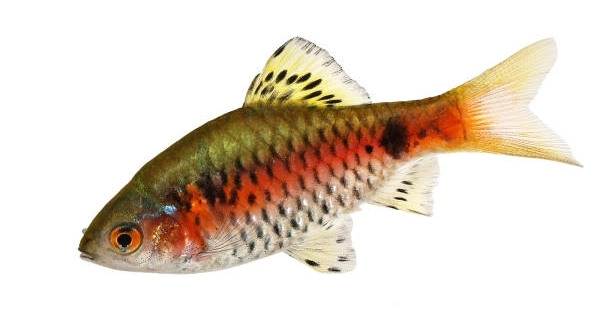
Rosy barbs are popular freshwater fish known for their vibrant colors and active nature. They generally get along with many tank mates but can face challenges when housed with incompatible fish species. Knowing which fish to avoid is important for their well-being.
Certain aggressive or territorial fish pose a significant threat to rosy barbs by causing stress, injury, or even death. These tank enemies can disrupt the peaceful environment, leading to poor health and compromised growth in rosy barbs. Avoiding these fish is crucial for maintaining a balanced aquarium.
Understanding these harmful tank companions helps protect your rosy barbs and keeps your aquarium a safe, healthy space for all its inhabitants.
Aggressive Cichlids
Aggressive cichlids can be a real problem for rosy barbs. These fish are known for their territorial behavior and may attack smaller or more peaceful species in the tank. Rosy barbs are active but usually not aggressive enough to defend themselves against cichlids. Keeping cichlids with rosy barbs often leads to constant stress, injury, or worse. The aggressive nature of cichlids means they will claim space and chase other fish, disrupting the tank’s harmony. If you want your rosy barbs to thrive, it is best to avoid mixing them with any cichlid species. This includes popular cichlids like Oscars, Jack Dempseys, and Convicts, which are particularly known for their territorial fights.
Aggressive cichlids usually dominate the tank environment, making it unsuitable for rosy barbs to live peacefully.
Proper tank planning involves choosing species with similar temperaments to keep stress and aggression to a minimum, which helps all fish stay healthy.
Large Predatory Fish
Large predatory fish often see rosy barbs as easy targets due to their size and movement. These predators tend to hunt smaller fish actively, making it unsafe for barbs to share the same tank. Examples include species like oscars, arowanas, or certain types of catfish. Even if the predator is well-fed, its instincts can still cause harm. Keeping rosy barbs with these fish can result in injury or death, disrupting the balance in your aquarium. It’s important to assess the size and temperament of any fish before adding them to a community tank with rosy barbs. A mismatch in size and behavior can quickly lead to losses.
Rosy barbs do better with tank mates that are similar in size and temperament to avoid stress and danger. Selecting compatible fish ensures a peaceful and safe environment for all.
Fin-Nipping Fish
Fin-nipping fish can cause serious harm to rosy barbs by constantly biting their fins. Species like tiger barbs and some tetras are known for this behavior. This leads to stress and injuries that affect the barbs’ health.
Tiger barbs are very active and tend to nip at the fins of slower or long-finned fish, including rosy barbs. This behavior is often a result of their playful but aggressive nature. Repeated fin-nipping can lead to torn fins, infections, and general distress. Rosy barbs have flowing fins that make them attractive targets. Avoiding these fin-nippers helps maintain a calm and injury-free tank. If you already have fin-nipping fish, increasing tank space and adding hiding spots may reduce aggressive behavior, but it rarely eliminates it.
Keeping rosy barbs with calm, non-nipping species ensures they swim freely without constant harassment. This creates a healthier environment where they can show their true colors and thrive.
Slow-Moving or Long-Finned Fish
Slow-moving or long-finned fish are easy targets for more active species like rosy barbs. Their slow pace makes it difficult for them to escape nips or aggressive behavior. Long fins are particularly vulnerable to damage.
Rosy barbs are lively swimmers who can unintentionally stress slow-moving fish by their constant activity. Fish like bettas or fancy guppies, with their flowing fins, may suffer fin damage if kept with barbs. The difference in swimming speeds causes the slower fish to hide or become stressed. Barbs may also mistake the fins of these fish as toys or food, leading to frequent nipping. To keep the tank balanced, pairing fish with similar speeds and fin types is best. This avoids unnecessary injuries and keeps all fish comfortable.
Ensuring compatibility in swimming styles and fin types helps maintain peace in the aquarium and protects delicate species from harm.
Territorial Gouramis
Territorial gouramis can cause stress for rosy barbs due to their aggressive defense of space. They may chase or nip at other fish that enter their territory, including barbs. This behavior disrupts the peaceful tank environment rosy barbs need.
Rosy barbs prefer to swim in groups and require space to move freely. Territorial gouramis often claim a specific area and defend it aggressively, which limits the barbs’ swimming area. This conflict can lead to injury and stress, harming the health of both species. It is best to avoid keeping them together.
Large Catfish
Large catfish can accidentally harm rosy barbs by competing for food and space. Their size and behavior may intimidate smaller fish, causing stress and hiding.
Aggressive Rainbowfish
Aggressive rainbowfish may harass rosy barbs, especially in smaller tanks. Their active and dominant nature can disturb the barbs’ peaceful swimming patterns.
What are the most common fish that threaten rosy barbs in a community tank?
The most common fish that threaten rosy barbs include aggressive cichlids, large predatory fish, fin-nippers like tiger barbs, territorial gouramis, and large catfish. These species either attack, stress, or outcompete rosy barbs for space and food. It’s important to recognize these threats when planning a community aquarium to avoid conflict and injuries.
How can I tell if my rosy barbs are stressed by other fish?
Signs of stress in rosy barbs include hiding more than usual, torn or damaged fins, faded colors, and decreased activity or appetite. You may also notice barbs swimming erratically or avoiding certain tank areas. Stress weakens their immune system, making them vulnerable to diseases. Early detection helps prevent long-term harm.
Are there peaceful fish that can safely live with rosy barbs?
Yes, peaceful fish that have similar size and temperament make good tank mates. Species like danios, some tetras, and small peaceful barbs usually get along well. These fish share similar swimming speeds and won’t nip fins or chase the barbs. Choosing compatible species helps maintain a calm and balanced environment.
Can tank size affect the aggression between rosy barbs and other fish?
Tank size plays a big role in reducing aggression. Larger tanks give fish more space to establish territories and avoid each other, which lowers stress and fighting. Crowded or small tanks often increase conflicts because fish feel threatened. Providing plenty of room and hiding spots is essential to keep rosy barbs safe.
What should I do if I notice fin-nipping behavior in my tank?
If fin-nipping occurs, first identify which fish are responsible. Increasing tank size, adding plants or decorations for hiding, and improving feeding routines can help reduce aggression. If problems persist, separating the nippers from vulnerable species like rosy barbs is necessary to prevent injuries and stress.
Are rosy barbs aggressive towards other fish?
Rosy barbs are generally peaceful but can become slightly boisterous when kept in groups. They rarely attack but may chase smaller, slower fish. They do best with other active, similarly sized species. Their playful nature doesn’t usually lead to serious aggression, but tank mates should be chosen carefully.
Can feeding habits impact how fish interact in a community tank?
Feeding plays an important role in fish behavior. Underfeeding can cause competition and aggression as fish compete for food. Overfeeding, however, can pollute the tank and cause health issues. Providing a balanced diet and feeding at regular intervals keeps fish calm and healthy, reducing conflicts.
How often should I monitor my tank for signs of fish aggression?
Regular observation is key to a healthy aquarium. Watching your fish daily or at least several times a week helps catch early signs of aggression or stress. Early intervention can prevent injuries and keep your tank peaceful. Keep an eye on behavior, appearance, and tank conditions.
Is it safe to introduce new fish to a tank with rosy barbs?
Introducing new fish requires caution. Quarantine new fish before adding them to prevent disease. Add new fish slowly and monitor their interactions. Choose species compatible with rosy barbs to avoid aggression. Proper introduction reduces stress for all fish and helps maintain harmony.
Can water quality affect the behavior of rosy barbs and their tank mates?
Poor water quality increases stress and aggression in fish. Dirty water can lead to illness and irritability. Maintaining clean, stable water conditions with regular changes helps fish feel secure. Good water quality supports healthy behavior and reduces conflicts in the aquarium.
When keeping rosy barbs in a community aquarium, selecting compatible tank mates is essential. Rosy barbs are active and colorful fish that thrive best with other peaceful species of similar size and temperament. Avoiding aggressive, territorial, or fin-nipping fish helps reduce stress and injury among the barbs. Fish like cichlids, large predatory species, and fin-nippers can cause serious harm, while calm and equally active fish provide a balanced environment. Understanding which species are safe to keep with rosy barbs supports their health and longevity.
Maintaining the right tank conditions also plays a major role in the well-being of rosy barbs. A spacious aquarium with plenty of swimming room helps reduce territorial disputes and aggressive behavior. Including hiding spots like plants or decorations can give barbs a safe place to retreat if needed. Water quality must be monitored regularly, as poor conditions increase stress and vulnerability to disease. Feeding a balanced diet at regular intervals keeps fish calm and less competitive over food. These factors combined create a stable, peaceful tank environment.
Choosing the right tank mates and providing proper care are the keys to a successful rosy barb aquarium. Avoiding common enemies that disrupt harmony will protect the fish from injury and stress. With careful planning, rosy barbs can coexist happily with compatible species, showing off their bright colors and lively nature. Keeping the tank environment healthy and stable ensures your rosy barbs will thrive and bring enjoyment for a long time.

Hello,
If you enjoy the content that we create, please consider saying a "Thank You!" by leaving a tip.
Every little bit helps us continue crafting quality advice that supports the health, happiness, and well-being of pets around the world, for pets of all shapes, sizes, and species.
We really appreciate the kindness and support that you show us!