
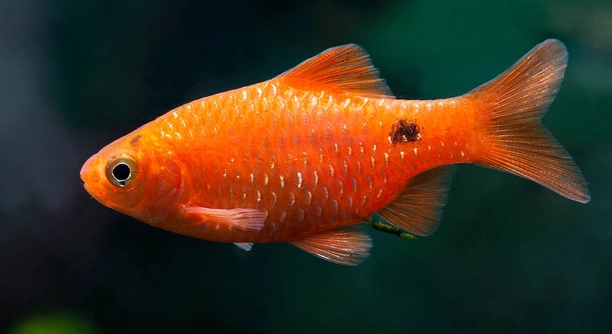
Rosy barbs are colorful and active fish that benefit from well-designed tanks. Providing a stimulating environment helps them thrive and shows off their natural behavior. A proper tank setup supports their health and activity levels daily.
Seven effective tank designs focus on creating varied spaces, incorporating plants, hiding spots, and open swimming areas. These elements encourage natural behaviors and mental stimulation, contributing to the overall well-being of rosy barbs in captivity.
These designs offer practical ideas to enhance your tank and keep rosy barbs engaged. Each approach balances aesthetics with their behavioral needs.
Natural Plant Layouts for Rosy Barbs
Creating a natural plant layout in a tank encourages rosy barbs to explore and hide, which mimics their natural habitat. Using a variety of plants, both tall and short, helps create depth and interest. Plants like Java fern, Anubias, and floating species offer shade and shelter. This setup not only improves water quality but also provides places for rosy barbs to swim through and rest. Including open swimming areas ensures they have enough room to move actively. Avoid overcrowding the tank with plants to maintain balance. Regular trimming of plants helps keep the tank tidy and prevents decay that could harm water conditions. Using natural substrates like sand or fine gravel complements the plant layout and encourages natural behavior, such as foraging.
A well-planted tank offers both visual appeal and mental stimulation for rosy barbs. It supports their health and creates a more dynamic environment that prevents boredom.
Balancing dense planting with open swimming zones allows rosy barbs to display their vibrant colors and active nature. The mix of plants and space promotes a healthy, engaging environment that keeps the fish comfortable and active throughout the day.
Adding Hiding Spots and Structures
Hiding spots provide essential refuge for rosy barbs, reducing stress and encouraging natural behavior.
Including decorations like caves, driftwood, or rock formations helps create secure areas. These structures break up the tank’s layout and add visual interest. Placement near plants can increase the sense of safety. Properly sized hiding places prevent territorial disputes by offering multiple retreats. It is important to avoid sharp edges that might injure the fish. Regularly checking and cleaning these structures keeps the tank safe and healthy. Thoughtfully arranged hiding spots contribute to a balanced environment where rosy barbs can rest and feel secure, promoting their overall well-being and reducing aggression.
Open Swimming Spaces
Open swimming spaces allow rosy barbs to move freely and exhibit their natural activity. Clear areas in the tank give them room to swim in groups and show off their colors.
Providing at least half of the tank’s area as open space encourages exercise and reduces stress. Avoid overcrowding with decorations or plants that block swimming paths. Open zones also help maintain good water circulation, which benefits fish health.
Ensuring plenty of room to swim supports social behavior, as rosy barbs are schooling fish that feel safer in groups. These open spaces help prevent territorial disputes by giving fish space to escape if needed. The freedom to swim actively contributes to their physical fitness and longevity in the tank.
Using Varied Substrates
Choosing varied substrates adds texture and interest to the tank floor. Combining sand, fine gravel, and smooth stones offers a natural feel and encourages foraging.
Different substrates create microhabitats for beneficial bacteria that improve water quality. Soft substrates are gentle on rosy barbs’ barbels and reduce injury risk. It is important to avoid sharp or rough materials that could harm them. Mixing substrates also enhances the tank’s appearance, creating a layered, natural look.
Varying the substrate supports natural digging and scavenging behavior. It helps maintain a healthier environment by promoting biological filtration. This approach also adds depth to the tank design, making it more engaging for both fish and observers. Maintaining clean substrates through regular vacuuming prevents waste buildup and keeps water conditions stable.
Lighting and Its Impact
Proper lighting enhances the colors of rosy barbs and supports plant growth. Balanced light prevents algae overgrowth and keeps fish active.
Adjust lighting duration to mimic natural day and night cycles. Too much light can stress fish, while too little reduces plant health.
Creating Depth with Tank Levels
Using different tank levels with plants and decorations adds dimension. Placing taller plants at the back and shorter ones in front creates a natural look. This layering gives rosy barbs more space to explore vertically, enriching their environment and encouraging natural movement throughout the tank.
Incorporating Flow and Current
Moderate water flow simulates natural habitats and keeps water clean. Gentle currents encourage rosy barbs to swim actively without causing stress. Proper filtration combined with flow improves oxygenation and helps maintain stable water conditions, supporting overall fish health and vitality.
FAQ
How often should I rearrange my tank to keep rosy barbs stimulated?
Rearranging the tank every few weeks can refresh your rosy barbs’ environment without causing stress. Small changes like moving plants or decorations encourage exploration and prevent boredom. Avoid drastic changes, as sudden shifts can unsettle the fish and affect their behavior negatively.
Can I use artificial plants instead of live plants?
Artificial plants can provide hiding spots and decoration, but they don’t offer the same benefits as live plants. Live plants improve water quality and provide a more natural environment that promotes healthy behavior. If using artificial plants, choose soft, fish-safe materials and clean them regularly.
What tank size is ideal for keeping rosy barbs active and healthy?
A minimum of 30 gallons is recommended for a small group of rosy barbs. This size offers enough swimming space and room for plants and decorations that keep them stimulated. Larger tanks allow more freedom to create varied environments that better support their activity and social needs.
How important is water quality for rosy barbs’ stimulation and health?
Water quality is critical. Clean, well-filtered water helps maintain their health and supports active behavior. Regular water changes and monitoring parameters like pH and ammonia levels reduce stress and disease risks. A stable environment encourages natural exploration and interaction among rosy barbs.
Are there specific decorations to avoid for rosy barbs?
Avoid sharp or rough decorations that can injure rosy barbs. Also, steer clear of overcrowding the tank with too many objects, as this limits swimming space and can increase stress. Smooth rocks, driftwood, and carefully selected plants create a safer, more comfortable environment.
How many rosy barbs should be kept together to ensure stimulation?
Rosy barbs are schooling fish and thrive in groups of at least six. A larger group encourages natural schooling behavior, reduces aggression, and increases activity. Smaller groups may lead to stress or shy behavior, limiting their natural stimulation.
Can tank mates affect the stimulation of rosy barbs?
Yes. Compatible tank mates that share similar activity levels and temperaments help maintain a lively environment. Avoid aggressive or very slow fish, as these can cause stress or disrupt the social dynamics. Suitable tank mates support positive interaction and stimulation.
How do I balance plant density and open space in the tank?
Balance is key. Dense planting offers hiding and resting spots, while open areas provide room to swim freely. Aim for roughly half the tank to be open swimming space, with the other half planted or decorated. This arrangement promotes both safety and activity.
What role does feeding play in keeping rosy barbs stimulated?
Feeding time is an important opportunity for stimulation. Offering a varied diet and occasionally hiding food encourages natural foraging behavior. Using feeding rings or placing food in different areas of the tank can motivate movement and mental engagement.
How can lighting adjustments influence rosy barbs’ behavior?
Proper lighting supports their natural rhythms. Consistent light cycles help regulate activity and rest periods. Too bright or too long lighting can cause stress, while too dim light reduces activity and plant growth. Adjusting lighting to mimic natural conditions promotes a healthier, more stimulated fish.
Final Thoughts
Creating a stimulating tank environment is essential for the well-being of rosy barbs. These fish thrive when their surroundings include a mix of plants, hiding spots, and open swimming spaces. Such a setup supports their natural behaviors, helping them stay active and healthy. A well-balanced tank also reduces stress and aggression, which are common when fish feel confined or bored. Paying attention to details like substrate choice, lighting, and water flow further improves their habitat. Each element works together to create an environment where rosy barbs can show their best colors and behaviors.
Maintaining a stimulating tank requires regular care and thoughtful adjustments. Rearranging decorations occasionally keeps the environment interesting for the fish without causing disruption. Monitoring water quality and keeping the tank clean is equally important, as poor conditions affect the health and activity of rosy barbs. Choosing the right tank mates and keeping rosy barbs in suitable group sizes also contributes to their stimulation and social interaction. This balance between environment, care, and companionship helps ensure that the fish remain lively and engaged over time.
Ultimately, the goal is to provide a natural and comfortable space that meets the needs of rosy barbs. While the tank should be visually appealing, the focus should always be on the fish’s health and behavior. Using varied plants, open areas, hiding spots, and gentle water flow can create a dynamic space that encourages exploration and reduces stress. With ongoing attention and proper setup, a tank designed to stimulate rosy barbs becomes more than just a decorative feature — it supports their long-term happiness and vitality. This approach benefits both the fish and the enjoyment of observing them in a thriving aquatic environment.

Hello,
If you enjoy the content that we create, please consider saying a "Thank You!" by leaving a tip.
Every little bit helps us continue crafting quality advice that supports the health, happiness, and well-being of pets around the world, for pets of all shapes, sizes, and species.
We really appreciate the kindness and support that you show us!