
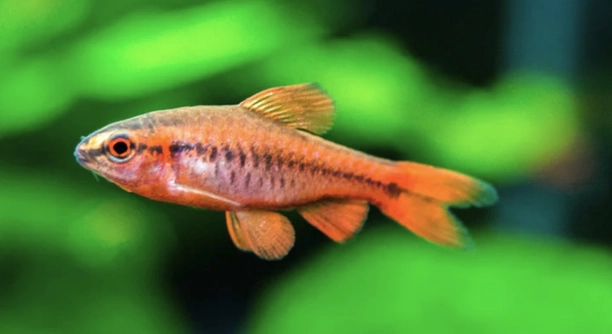
Do your cherry barbs seem restless, hiding too often, or showing dull colors even with a good diet and clean water?
The happiness of cherry barbs is strongly influenced by their tank environment. Specific design features—such as space for swimming, proper plant density, and consistent water parameters—directly contribute to their comfort, health, and social behavior.
Understanding what makes a tank truly suitable can help you support a more vibrant, relaxed, and active school of cherry barbs.
Long Tanks With Open Swimming Space
Cherry barbs are active swimmers, especially when kept in schools. Long tanks give them the room they need to swim naturally from side to side. This setup helps reduce stress and supports better health overall. A 20-gallon long tank or larger works well, providing a more stable environment. Avoid tall tanks, as they limit horizontal movement, which cherry barbs prefer. Open space also helps the fish form stronger group dynamics. When there’s enough room to swim without bumping into plants or décor, they become more confident. Add gentle flow to mimic their natural rivers and keep them active. Plants and hiding spots are still important, but aim to keep the middle of the tank as open as possible. Choose low-profile decorations and arrange plants toward the back and sides. This approach gives cherry barbs a clear path to swim freely while still offering shelter and comfort when they need to rest.
Give your cherry barbs a layout that makes movement easy and stress-free. Keep plants and décor off to the sides to create space.
A tank that encourages swimming not only keeps cherry barbs healthier but also brings out their natural group behavior. You’ll see more schooling, brighter colors, and better interaction overall.
Dense Plant Coverage for Security
Cherry barbs feel safest when they have places to hide. Dense plants help reduce stress and aggression.
Plant coverage matters just as much as open space. Cherry barbs are prey fish by nature, and thick plants help mimic the shaded, secure waters they come from. Live plants such as java fern, hornwort, and anubias are perfect choices. These types of plants grow well in most setups and provide gentle cover without overwhelming the tank. Aim for about 40% to 60% plant coverage, mainly around the edges and corners. This layout lets the barbs rest and hide when needed while keeping a clear middle area for swimming. Floating plants like water lettuce can help dim the lighting and add to the sense of safety. For shy or new fish, these areas act as calm zones where they can retreat. Over time, good plant cover encourages more natural behavior. Cherry barbs become more confident, active, and colorful when they feel secure.
Gentle Filtration With Low Flow
Cherry barbs do best in tanks with calm, steady water movement. Strong currents can stress them out and disrupt their swimming patterns.
Use a sponge filter or a hang-on-back filter with an adjustable flow setting. These options create enough circulation to keep the water clean without overwhelming the fish. Make sure to angle the output toward the tank wall or use a baffle to soften the flow. Calm areas in the tank let cherry barbs rest without being pushed around. Gentle flow also helps preserve plant layout and prevents debris from being blown all over. Over-filtration can reduce the peaceful environment they need. A balance between water clarity and comfort is the goal. Regular maintenance like cleaning the filter sponge and changing water weekly will help keep the setup healthy without needing powerful equipment.
Cherry barbs naturally come from slow-moving streams and shaded rivers, so their tanks should reflect that. With low water flow, their behavior changes—they’re calmer, more social, and more visible during the day. Aggression and hiding tend to drop when the flow is right. If your fish always stay near corners or behind plants, the current might be too strong. A gentle filter can make a noticeable difference in their comfort.
Stable Water Parameters and Temperature
Cherry barbs are hardy, but they do best with stable water conditions. Sudden changes in pH, temperature, or hardness can stress them and weaken their immune systems.
Keep the water temperature between 74°F and 78°F. Use a reliable heater and a thermometer to avoid fluctuations. Cherry barbs prefer a pH between 6.5 and 7.5. Soft to moderately hard water works well. Test your water weekly and make changes slowly if needed. Stability is more important than chasing the “perfect” number. When water conditions stay consistent, cherry barbs show brighter colors and have better activity levels. Poor water quality or sudden changes can make them skittish or cause illness. Avoid overcrowding and overfeeding to keep parameters in check. A 25% water change every week is a simple way to maintain balance.
Cherry barbs thrive in an environment that feels consistent day after day. Sudden drops in temperature or pH swings can make them hide, lose color, or stop eating. Use a water conditioner during changes to reduce chlorine and stress. Check the filter often to ensure it’s running smoothly and not causing unwanted spikes. If the room temperature changes a lot, consider a backup heater or insulating the tank. Even small things like keeping the tank away from windows or air vents can help maintain stability.
Natural Lighting and Shade Balance
Cherry barbs enjoy moderate lighting with shaded areas. Bright, harsh light can make them hide more and appear dull.
Use floating plants or tall decorations to break up the light. This creates a soft look and helps them feel safe while staying visible in the tank.
Smooth Substrate and Decor
A smooth substrate like sand or rounded gravel keeps cherry barbs safe from injury. Avoid sharp edges that could hurt their mouths or fins.
Decorations should be easy to swim around and not take up too much space. Rounded stones, driftwood, and soft plants make the tank feel more natural.
Schooling Opportunities
Cherry barbs are social and should be kept in groups of at least six. A proper school helps reduce stress, increase activity, and improve their natural color. Keeping them alone or in small numbers can lead to skittish behavior and lower quality of life.
FAQ
What size tank is best for cherry barbs?
A 20-gallon tank is the minimum recommended size for cherry barbs. However, larger tanks are always better if you plan to keep a group of them. A longer tank offers more swimming space, which is crucial for their well-being. The more space they have, the more active and comfortable they’ll be. If you’re keeping other species in the tank, aim for a 30-gallon or bigger to ensure there’s enough room for everyone. Cherry barbs thrive when they’re in a school, so give them enough space to swim and interact comfortably.
Can cherry barbs live with other fish?
Yes, cherry barbs are peaceful and do well with other non-aggressive species. Avoid keeping them with larger, more aggressive fish that might intimidate them. Some good tank mates include tetras, rasboras, and small livebearers like guppies. Avoid aggressive fish like bettas or cichlids, as they can stress cherry barbs. Make sure the fish you choose have similar water parameter needs to avoid causing any stress or health issues. Having a mixed community tank with compatible species can make your cherry barbs feel more secure and active.
What do cherry barbs eat?
Cherry barbs are omnivores and will eat a variety of foods, including high-quality flake food, frozen or live foods like brine shrimp, and vegetable matter like blanched spinach or zucchini. Offer a balanced diet that includes protein and plant-based foods. Feeding them a variety of foods helps to ensure they get all the nutrients they need. Be sure to remove any uneaten food after a few minutes to keep the tank clean. Overfeeding can cause water quality problems and stress your fish. A good feeding schedule is once or twice a day with small amounts.
How often should I change the water in my cherry barb tank?
You should change 20-25% of the water every week. Regular water changes are essential to maintain good water quality and prevent harmful toxins from building up. Use a siphon to clean the substrate while doing the water change to remove any debris or uneaten food. Be sure to check the water parameters after each change to ensure they’re stable. Avoid changing all the water at once, as this can stress the fish. Consistency is key to keeping your cherry barbs happy and healthy.
Do cherry barbs need a heater?
Yes, cherry barbs need a stable, warm environment to thrive. They prefer temperatures between 74°F and 78°F. Using an aquarium heater helps maintain this range, especially in colder climates or when tank temperatures fluctuate. Be sure to check the heater regularly and make sure it’s working properly. A good quality aquarium thermometer is essential to monitor the water temperature. Maintaining a stable temperature is crucial for cherry barbs as they are sensitive to sudden temperature changes, which can lead to stress and illness.
Can cherry barbs breed in a home aquarium?
Yes, cherry barbs can breed in a home aquarium, but there are a few things you need to set up. First, provide plenty of plants or a breeding mop for the eggs to attach to. The water should be slightly softer, with a pH around 7.0, and slightly cooler (around 72°F) to encourage breeding. You’ll need at least one male for every two females, as they tend to be more active and colorful during breeding. Once eggs are laid, it’s a good idea to remove the adult fish to prevent them from eating the eggs. The eggs will hatch in about 2-3 days. Fry should be fed with fine foods like infusoria or liquid fry food.
Are cherry barbs hardy fish?
Yes, cherry barbs are relatively hardy, especially when compared to more delicate species. However, they still need stable water conditions to stay healthy. If the water parameters are consistent, they can withstand minor fluctuations in temperature and pH. However, any drastic changes or poor water quality can lead to stress and illness. Cherry barbs are resilient, but they will thrive best when given proper care, a balanced diet, and regular maintenance. A well-maintained tank will ensure your fish live a long and healthy life.
What are the signs that my cherry barbs are stressed?
Stressed cherry barbs may exhibit certain behaviors like hiding, reduced swimming, or staying near the surface of the tank. They might also lose their vibrant color and appear dull or pale. If they start to fight or show signs of fin damage, it could indicate aggression caused by stress. Poor water quality, tank overcrowding, and strong currents are common stress factors. Always monitor their behavior, and make sure the tank environment is calm and stable. A quick adjustment in water conditions or tank layout can help reduce stress and improve their overall well-being.
How long do cherry barbs live?
Cherry barbs typically live for around 3 to 5 years when properly cared for. Their lifespan can be influenced by factors such as water quality, diet, and the stability of their environment. Regular water changes, a balanced diet, and keeping the tank free from stressors can help your cherry barbs reach their maximum lifespan. The cleaner and more stable their tank environment, the healthier and longer they’ll live. Like all fish, they are more likely to thrive when their needs are met consistently over time.
Do cherry barbs need special care?
Cherry barbs do not require special care but benefit from a stable and well-maintained tank environment. Regular water changes, proper filtration, and a balanced diet are key to their health. They thrive in a calm, well-planted tank with gentle filtration and consistent water conditions. Providing a suitable tank size, good tank mates, and avoiding extreme changes in temperature or water quality will keep your cherry barbs healthy. Once their basic needs are met, they are easy to care for and can live a long, happy life in your aquarium.
Final Thoughts
Creating a suitable tank environment for cherry barbs isn’t difficult, but it does require attention to their needs. With the right setup, cherry barbs can thrive and bring a lot of beauty and activity to your aquarium. They are peaceful, social fish that benefit from a group of their own kind. A tank that allows them to swim freely and provides spaces for hiding will help reduce stress and encourage natural behaviors. Ensuring the right water temperature, gentle flow, and proper filtration will keep the tank environment comfortable for them.
It’s also important to remember that cherry barbs, like all fish, require regular care. This includes routine water changes, testing water parameters, and making sure their diet is balanced. While they are hardy, cherry barbs will live their best lives when given the right conditions and care. Keep an eye on their behavior, as changes in activity levels or appearance can indicate that something in the tank needs adjusting. Their colors should be bright, and they should be active and social, especially if they’re in a group.
Overall, cherry barbs are a great choice for beginner and intermediate aquarists. They’re easy to care for, peaceful, and active. By focusing on their basic needs—adequate space, gentle filtration, appropriate water conditions, and proper tank mates—you can create a peaceful and thriving environment. A well-maintained tank will not only make your cherry barbs happy but will also make your aquarium a vibrant, lively place to enjoy.

Hello,
If you enjoy the content that we create, please consider saying a "Thank You!" by leaving a tip.
Every little bit helps us continue crafting quality advice that supports the health, happiness, and well-being of pets around the world, for pets of all shapes, sizes, and species.
We really appreciate the kindness and support that you show us!