
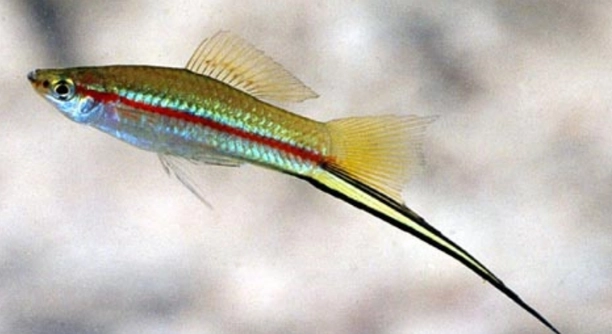
Swordtails thrive in well-designed aquariums, and understanding which tank setups they prefer can make a big difference in their health and happiness. The right environment encourages natural behaviors and enhances their colors and overall well-being.
Swordtails tend to love tanks that offer a balance of swimming space, plants for cover, and areas to hide or rest. They enjoy environments with moderate water flow, a mix of open swimming zones, and hiding places among plants and rocks.
Choosing the right setup can transform your swordtail’s habitat. Learn more about the features that will make them happiest and most active in their aquarium.
Ideal Tank Size for Swordtails
When setting up a tank for swordtails, size matters. These fish need enough space to swim freely and feel comfortable. A 20-gallon tank is the minimum recommended size for a small group of swordtails. A larger tank, like a 30-gallon, will give them more room to explore, and they’ll be much happier. If you plan on keeping more swordtails or other species, opt for even larger tanks.
Swordtails are active swimmers and benefit from having ample space. A cramped tank can stress them out, leading to health problems or territorial behavior.
A 20-gallon tank might seem sufficient at first, but as your swordtail group grows, so will their need for space. It’s essential to balance tank size with the number of fish you have. A bigger tank offers more options for decorating and creating a natural environment. You’ll also have more room for filtration systems, which helps maintain water quality. With a spacious environment, swordtails can thrive, moving freely and exploring the plants and decorations you’ve chosen.
Tank Layout for Swordtails
Swordtails need a layout that mimics their natural habitat. Plants, rocks, and driftwood create hiding spots and give the tank a more realistic feel.
They enjoy tanks with plants like java moss, which provides places to hide and swim through. Adding a few smooth rocks or driftwood enhances the look of the tank and creates areas for swordtails to rest or find shelter.
A tank with both open water areas and hiding spots is ideal. Swordtails are social but appreciate having places to retreat when they feel the need. Their active nature means they need enough swimming space but also some cover to relax. Having plants that grow both above and below the waterline can help achieve this balance. Make sure to avoid overcrowding the tank, as this can limit the swordtails’ ability to move freely. By creating this natural environment, you can support their well-being and watch them thrive in a happy, healthy tank.
Tank Temperature and Water Conditions
Maintaining the right water conditions is crucial for swordtails. They thrive in temperatures between 72°F and 78°F, with stable water parameters. Sudden changes in temperature can cause stress and make them more susceptible to disease.
To ensure proper water quality, invest in a reliable heater and thermometer. Keeping the water slightly alkaline (pH of 7.0 to 8.0) and soft to medium hardness will help swordtails feel comfortable. Regular water changes are also essential to maintain good water quality, as swordtails produce a fair amount of waste.
You can help stabilize the water conditions by using a good filtration system. It keeps the water clean and ensures that the tank remains at the proper temperature. Swordtails are fairly hardy, but they still need clean, stable water to thrive. Keeping an eye on your water parameters with a test kit will allow you to spot any issues early. This will also help you avoid unexpected health problems down the line.
Lighting for Swordtail Tanks
Swordtails enjoy moderate lighting in their tank. Too much light can stress them out, while too little light can cause plants to wither.
A lighting system that mimics a natural day-night cycle is best. Use a timer to keep the light on for about 10-12 hours per day. This not only benefits your swordtails but also supports plant growth.
Swordtails appreciate a well-lit environment that allows them to show off their vibrant colors. However, you don’t want to go overboard with the lighting. Bright lights can cause algae growth and increase the water temperature. Instead, opt for softer lighting, like LED lights, which can be adjusted for a more natural effect. Keeping a consistent lighting schedule helps your swordtails feel secure, as they know when it’s time to rest and when to be active.
Filtration and Water Flow for Swordtails
Swordtails prefer moderate water flow. Too much current can make them stressed and less active. It’s best to choose a filter with adjustable flow rates.
An under-gravel filter or a sponge filter can work well, as they provide gentle filtration without disturbing the water too much. Ensure the filter you choose doesn’t create strong currents. Swordtails are active swimmers, but they don’t enjoy being swept around the tank. Proper filtration helps keep the water clean and reduces the risk of waterborne diseases. Aim to maintain a gentle flow so that your swordtails feel at ease while swimming.
You also want to avoid over-filtering, as it can create turbulent conditions that make it hard for your swordtails to feel secure. Keep the filter’s flow rate at a level where water is still cleaned effectively, but not so powerful that it causes discomfort. Monitoring the water movement in your tank is important, as any sudden changes can stress out the fish. To ensure stability, regularly check that your filter is working as intended. Healthy, clean water is a key factor in swordtail care.
Tank Mates for Swordtails
Swordtails can live with a variety of peaceful fish species. It’s best to avoid overly aggressive fish, as swordtails are generally calm and social.
They do well with species like mollies, platies, and guppies. These fish have similar care requirements and can coexist without causing stress. However, keep an eye on the tank dynamics, as territorial disputes can arise, especially if there aren’t enough hiding spots or space. Avoid larger or more aggressive species, as they might bully your swordtails.
When choosing tank mates, consider their size and temperament. Swordtails can be nippy, so it’s important to select peaceful fish that won’t trigger aggression. Many smaller species make great companions, as long as their needs are met. Offering plenty of hiding spots, plants, and open areas for swimming helps prevent conflicts. Make sure your tank is large enough to accommodate multiple species comfortably. A well-planned community tank will ensure that all species, including your swordtails, feel safe and secure.
Tank Maintenance for Swordtails
Keeping the tank clean is essential for swordtail health. Regular water changes of 20-30% once a week help maintain water quality.
Cleaning the substrate, checking water parameters, and ensuring the filter is working properly are also important. Swordtails are sensitive to poor water conditions, so consistency in maintenance is key.
A simple routine will go a long way in keeping your swordtails happy. Always check for debris in the gravel and make sure plants aren’t decaying. Watch for any changes in behavior, as fish tend to show signs when the water quality is off. Regular maintenance reduces the chances of stress and health issues for your fish.
Feeding Swordtails
Swordtails are omnivores and enjoy a balanced diet. Feed them a mix of flakes, pellets, and live or frozen foods.
A varied diet helps them stay healthy and vibrant. It’s important not to overfeed, as swordtails will often eat whatever is available. This can lead to water quality issues if leftover food isn’t removed.
Feed swordtails small portions twice a day, ensuring they consume everything within a few minutes. Live or frozen foods like brine shrimp or daphnia are great treats that support their natural behavior and health. Adding fresh vegetables like zucchini or spinach can also be beneficial for their digestion. Monitor their eating habits to avoid overfeeding and prevent excess waste in the tank.
FAQ
What size tank is best for swordtails?
Swordtails do best in a tank of at least 20 gallons. This size allows them to swim freely and stay active. A larger tank, like a 30-gallon, is even better, especially if you plan on keeping more swordtails or other fish. Larger tanks also help maintain better water quality, which is crucial for their health.
Can swordtails live with other fish?
Yes, swordtails are generally peaceful and can live with many other species, such as mollies, platies, and guppies. Avoid aggressive or territorial fish that might bully them. When choosing tank mates, look for peaceful species of similar size and water requirements. Make sure the tank is large enough to accommodate everyone comfortably.
What do swordtails eat?
Swordtails are omnivores. They will eat a variety of foods, including high-quality flake or pellet food, live or frozen foods like brine shrimp, and fresh vegetables like zucchini. A balanced diet is important for their health and vibrant color. Feed them small portions twice a day, making sure they eat everything within a few minutes.
How often should I change the water in a swordtail tank?
Water changes should be done once a week, removing 20-30% of the water. This helps maintain good water quality and prevents the buildup of toxins. Regular water changes are especially important if you have multiple fish, as they produce waste that can quickly degrade water quality.
Do swordtails need a filter?
Yes, swordtails need a filter to keep the water clean. A gentle filter that provides moderate water flow works best, as they don’t enjoy strong currents. A sponge or under-gravel filter is ideal for swordtails. Make sure to clean the filter regularly to ensure it functions properly.
What temperature should the water be for swordtails?
Swordtails prefer a water temperature between 72°F and 78°F. Keeping the temperature stable within this range is important for their health. You can use a heater and thermometer to maintain consistent conditions. Sudden temperature changes can stress swordtails, so try to avoid fluctuations.
How do I know if my swordtail is stressed?
Stress in swordtails can show up as erratic swimming, hiding more than usual, loss of appetite, or faded colors. Stress can be caused by poor water conditions, too many fish, or aggressive tank mates. If you notice these signs, check your tank’s water parameters and consider adjusting the environment to make it more comfortable for your fish.
Can swordtails live in a planted tank?
Yes, swordtails thrive in a planted tank. Plants offer places to hide and rest, and they help create a more natural environment. Swordtails enjoy swimming around plants, especially ones like java moss and anubias. However, be sure the plants you choose don’t crowd the tank too much, as swordtails also need plenty of open swimming space.
Do swordtails need hiding places?
Swordtails appreciate having some hiding spots in their tank, especially when they feel stressed or need to rest. Plants, rocks, and driftwood work well for this purpose. Having a few areas to retreat to helps swordtails feel secure and reduces stress. However, they still need ample space for swimming.
How can I tell if my swordtail is male or female?
Male swordtails are typically smaller and have a long, pointed “sword” on the tail fin, which is where their name comes from. Females are larger, rounder, and lack the sword. Male swordtails are also more colorful, while females are often more subdued in color, especially during mating periods.
What is the lifespan of a swordtail?
Swordtails typically live for about 3 to 5 years when properly cared for. Their lifespan can be influenced by factors like water quality, diet, and tank environment. Keeping a stable environment and healthy conditions will help your swordtail live a full, happy life.
Are swordtails hardy fish?
Swordtails are considered hardy fish, but they still require proper care. They can tolerate a range of water conditions, but they thrive best in stable environments. Regular water changes, correct temperature, and a balanced diet are essential for keeping them healthy.
Do swordtails breed easily?
Yes, swordtails breed quite easily. They are livebearers, meaning they give birth to live young rather than laying eggs. Males will often chase females, displaying their colorful tails in courtship. Once pregnant, females can give birth to 20-100 fry at a time. If you don’t want them to breed, you can keep only males or separate the sexes.
What kind of substrate is best for swordtails?
Swordtails don’t have specific substrate needs, but a fine gravel or sand works well. Avoid sharp or rough substrates that could injure their fins. The substrate should also be easy to clean, as uneaten food and waste can accumulate, affecting water quality.
Can swordtails tolerate low light conditions?
Swordtails can tolerate low light, but they prefer moderate lighting. Too much light can cause algae to grow, while too little can affect both plant growth and the swordtails’ color vibrancy. A balanced lighting schedule of 10-12 hours a day is ideal.
How do I prevent diseases in my swordtail tank?
Maintaining clean water, avoiding overfeeding, and reducing stress are key to preventing diseases. Quarantine new fish before introducing them to your tank to avoid bringing in potential illnesses. Keep an eye on your swordtails’ health and behavior, and act quickly if you notice any signs of illness.
Final Thoughts
Caring for swordtails can be a rewarding experience, especially when you create an environment that meets their needs. These fish are active and social, thriving in tanks that provide enough space, proper water conditions, and gentle water flow. While swordtails are relatively hardy, regular maintenance and attention to their environment are key to keeping them healthy and vibrant. Proper filtration, consistent water temperature, and regular water changes are all important aspects of maintaining a thriving tank.
When choosing tank mates, it’s important to consider compatibility. Swordtails do best with other peaceful species, like mollies and guppies. However, avoid aggressive or territorial fish that might cause stress or harm. Having enough space and hiding spots can help reduce potential conflicts in the tank. Also, consider their diet—swordtails enjoy a varied menu of flake food, pellets, and live or frozen treats, which helps them stay active and colorful. Overfeeding can lead to poor water quality, so it’s important to feed them small amounts twice a day and remove any uneaten food promptly.
Creating a balanced and comfortable environment for your swordtails not only improves their quality of life but also lets you enjoy watching their natural behavior. A well-maintained tank, with plants, hiding spots, and moderate lighting, will allow swordtails to feel secure and healthy. If you stay consistent with tank upkeep, provide a nutritious diet, and pay attention to their social needs, swordtails can live for several years, adding vibrant color and life to your aquarium.

Hello,
If you enjoy the content that we create, please consider saying a "Thank You!" by leaving a tip.
Every little bit helps us continue crafting quality advice that supports the health, happiness, and well-being of pets around the world, for pets of all shapes, sizes, and species.
We really appreciate the kindness and support that you show us!