
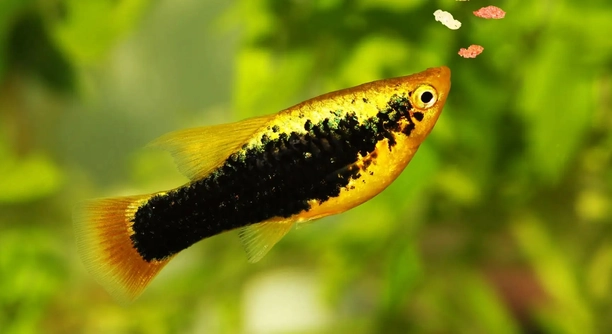
Many fish owners enjoy decorating their tanks to create a lively environment for their platies. However, some common decorations can unintentionally cause harm to these delicate fish. Knowing which items to avoid is important for their well-being.
Certain tank decorations can introduce toxins, cause physical injuries, or create unsafe conditions for platies. Materials like sharp plastics, untreated wood, or painted ornaments may leach harmful chemicals or damage fish fins. Choosing safe decorations is crucial for healthy platies.
Understanding the risks behind popular decorations will help you make better choices for your platies’ tank setup. This guide highlights common dangers to watch out for.
Sharp Plastic Decorations
Sharp plastic decorations are common in many aquariums, but they can be dangerous for platies. These fish have delicate fins that can easily get torn or injured by jagged edges or rough surfaces. Over time, injuries from plastic pieces can lead to infections or stress, which affects their health. Additionally, some plastics may release harmful chemicals into the water, especially if they are low-quality or painted with unsafe dyes. It’s best to inspect all plastic decorations closely before adding them to the tank. Avoid items with cracks, rough edges, or peeling paint. If you notice damage to any decoration, it’s safer to remove it promptly to prevent harm. Choosing smooth, non-toxic plastic pieces made specifically for aquariums is a good alternative to protect your platies.
Plastic decorations may look attractive but can cause fin damage and water contamination. Careful selection is important to avoid these risks.
Keeping your tank safe means selecting smooth, high-quality plastics designed for aquatic use. Regular checks help catch potential hazards early. If you want the look of plastic but without risk, consider silicone or rubber-based alternatives. These materials are gentle on fins and don’t degrade easily. Always rinse new decorations thoroughly before placing them in the tank. By being cautious, you can maintain a safe and comfortable home for your platies while still enjoying decorative options.
Painted Ornaments
Painted ornaments may appear colorful and fun but often pose risks to platies. Many paints contain chemicals that can leach into the water, especially if the paint starts to chip or peel. These substances can be toxic to fish and disrupt the balance of the aquarium. Platies are sensitive to changes in water quality, so exposure to these chemicals can cause stress or illness. Even if the paint looks intact, it may not be safe if it wasn’t made for aquarium use. It’s better to avoid painted decorations or choose only those clearly labeled as aquarium-safe. Keeping your tank free from harmful toxins supports the health and longevity of your platies.
Painted decorations can release toxins if the paint deteriorates, posing serious risks to fish health.
Choosing ornaments without paint or those made specifically for aquariums helps prevent contamination. If you want color, look for decorations made of safe materials like natural stones or ceramics that don’t require paint. These options offer beauty without danger. Always check product labels and reviews to ensure safety. When in doubt, plain decorations are safer than brightly painted ones. By making informed choices, you create a healthier environment that allows your platies to thrive without unnecessary risks.
Rough Natural Wood
Rough natural wood decorations may look nice, but they can harm platies. Sharp splinters can cut their fins or bodies, causing infections. Untreated wood can also release harmful tannins and bacteria into the water.
Natural wood often carries bacteria and fungi that can upset the aquarium’s balance. Without proper treatment, these microbes can infect your platies or cause cloudy water. Some types of wood also release tannins, which may lower the water’s pH, creating an acidic environment. While some fish enjoy slight acidity, platies prefer stable, neutral conditions. To safely use wood, it needs thorough cleaning and curing. Boiling or soaking it for days helps remove toxins and pests. Always observe your fish after adding new wood for any signs of stress or injury.
If you want to keep natural wood in your tank, make sure it is smooth and free from rough edges. Sanding down splinters and treating the wood properly helps protect your platies. Avoid soft or decaying pieces, as they can break down quickly and pollute the water. Using certified aquarium wood is the safest option. This way, you can enjoy a natural look without risking your fish’s health.
Artificial Plants with Sharp Edges
Artificial plants with sharp edges can tear platies’ fins easily. Many plastic or silk plants have rough surfaces that are uncomfortable and dangerous for fish.
Platies like to swim through plants, but sharp leaves or stems can cause damage. Over time, this can lead to fin rot or other infections. Some artificial plants also contain dyes or chemicals that might leach into the water. Choosing smooth, soft plants made from safe materials is important. Look for ones labeled safe for aquariums or made of silk. These are gentler and less likely to harm your fish.
Replacing sharp artificial plants with soft alternatives can make a big difference in your tank’s safety. Real plants are a great option too, as they provide natural filtration and hideouts without sharp edges. If you prefer artificial, handle each plant carefully before adding it to check for rough spots. Proper care helps keep your platies healthy and comfortable in their environment.
Metal Decorations
Metal decorations can rust and corrode in water, releasing harmful substances that affect platies. Even stainless steel may degrade over time, especially in freshwater tanks.
Rust particles and metal ions can poison fish and disrupt water chemistry. Avoid metal unless it’s specifically made for aquariums and corrosion-resistant.
Gravel with Sharp Edges
Gravel with sharp edges can injure platies when they swim or rest on the bottom. These injuries may lead to infections or stress, harming their health.
Choose smooth, rounded gravel to protect your fish. Aquarium-specific substrates are safer and better for maintaining a clean tank environment.
Resin Decorations
Resin decorations are popular but sometimes contain harmful chemicals or rough parts. Low-quality resin can leach toxins or damage fins.
Only use resin items labeled safe for aquariums. Inspect decorations carefully for rough spots before adding them to your tank.
FAQ
What decorations are safest for platies?
Smooth, non-toxic decorations made specifically for aquariums are the safest choices. Natural elements like well-treated wood, smooth river stones, and live plants are excellent. Soft artificial plants made from silk or other aquarium-safe materials are also good. Avoid anything with sharp edges, toxic paints, or untreated surfaces.
How can I tell if a decoration is harmful?
Check for rough or sharp edges, peeling paint, or unusual odors. Decorations not labeled as aquarium-safe may contain harmful chemicals. Inspect items carefully before adding them to the tank. If unsure, research the material or test in a separate container before placing it near your fish.
Can untreated wood harm my platies?
Yes, untreated wood may release tannins and harmful bacteria that affect water quality and fish health. Splinters can also cause injuries. Always clean and cure wood properly by soaking or boiling before putting it in your tank.
Are painted decorations safe if the paint is aquarium-safe?
Painted decorations labeled aquarium-safe are usually safe, but only if the paint is intact. Chipped or peeling paint can release toxins. Regularly inspect painted items and remove them if the paint starts to wear off.
Is gravel safe for platies?
Gravel is safe if it is smooth and free of sharp edges. Rough gravel can injure fins and cause infections. Aquarium-specific gravel or sand is best for platies since it is designed for aquatic environments and won’t harm the fish.
Why avoid metal decorations in freshwater tanks?
Metal can corrode and release harmful substances like rust and metal ions, which poison fish and disrupt water chemistry. Only use metals specifically designed for aquarium use, like certain stainless steels, but even then, monitor closely.
Can artificial plants cause problems?
Artificial plants with sharp or rough edges can tear fins. Some cheap plastic plants also release dyes or chemicals into the water. Use soft, silk-based plants or high-quality aquarium-safe artificial plants to avoid these issues.
How often should I clean tank decorations?
Clean decorations regularly, but gently. Use warm water and a soft brush—avoid harsh chemicals that can harm fish. Frequent cleaning helps prevent algae buildup and keeps the tank safe and healthy.
What should I do if my platies get injured from decorations?
Remove or fix the harmful decoration immediately. Treat any injuries with aquarium-safe antibacterial products. Keep the water clean and monitor your fish closely for signs of infection or stress.
Can resin decorations be harmful?
Some resin decorations contain chemicals that can leach into water, especially if low-quality. Always buy resin items labeled aquarium-safe and inspect them for rough edges before use.
Is it better to use live plants instead of artificial ones?
Live plants provide natural filtration, oxygen, and hiding spots without sharp edges or toxins. They generally promote a healthier tank environment but require care and proper lighting. Artificial plants are easier to maintain but must be chosen carefully.
How do tannins from wood affect platies?
Tannins lower pH and can tint the water brown. While some fish tolerate this, platies prefer stable, neutral water. Excess tannins can stress your fish, so monitor water conditions closely if using wood.
Can tank decorations affect water quality?
Yes. Decorations can release toxins, alter pH, or trap debris. Poor water quality stresses fish and can cause disease. Choose decorations carefully and maintain regular water testing and cleaning.
What materials should be avoided in platy tanks?
Avoid untreated wood, painted items without aquarium-safe labels, sharp plastic or gravel, metal not made for tanks, and low-quality resin. These can injure fish or harm water chemistry.
How can I make my tank safer for platies?
Use smooth, non-toxic decorations made for aquariums. Regularly check and clean all decorations. Monitor water quality often, and remove any items that show wear or damage. This protects your platies and keeps their home comfortable.
Choosing the right decorations for your platy tank is very important. Some decorations that look nice can actually hurt your fish. Sharp edges, toxic paints, or untreated materials can cause injuries or make the water unsafe. It is better to pick smooth, non-toxic decorations made especially for aquariums. This helps keep your platies healthy and happy. Paying attention to the materials and condition of the decorations will prevent many problems before they start.
Regular care and cleaning also play a big role in keeping your tank safe. Decorations can collect algae, dirt, or harmful bacteria over time. Cleaning them gently with water and a soft brush helps keep the environment clean. Avoid using strong chemicals, as these can harm your fish. Watching your platies closely for any signs of stress or injury can also help catch issues early. When you spot a problem, removing or replacing the unsafe decoration quickly is the best choice. This shows you care about their well-being.
Making your tank a safe place for platies takes a little effort, but it is worth it. Choosing smooth gravel, well-treated wood, live plants, or soft artificial plants makes a big difference. Avoiding painted or metal decorations that might release toxins protects your fish’s health. With proper care, your platies will enjoy their environment and live longer, happier lives. Taking these simple steps creates a comfortable and safe home for your fish, which is always the goal.

Hello,
If you enjoy the content that we create, please consider saying a "Thank You!" by leaving a tip.
Every little bit helps us continue crafting quality advice that supports the health, happiness, and well-being of pets around the world, for pets of all shapes, sizes, and species.
We really appreciate the kindness and support that you show us!