
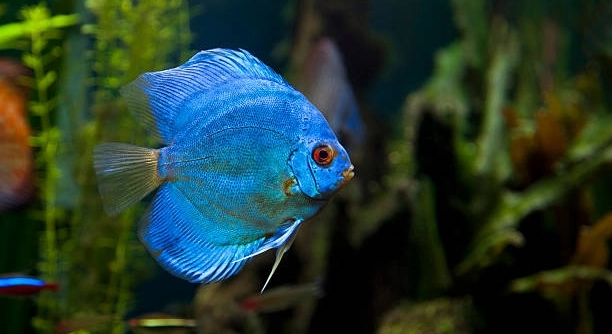
Keeping discus fish happy and healthy means paying attention to their tank environment. Many aquarists look for ways to enhance their tanks with decorations that discus truly appreciate. The right decor can help create a calm and natural setting for these beautiful fish.
Discus fish respond positively to tank decor that mimics their natural habitat, such as smooth driftwood, live plants, and gentle hiding spots. These items reduce stress, improve water quality, and support their well-being by providing comfort and security.
Choosing the right decorations can make a noticeable difference in your discus’ behavior and health. Let’s explore seven decor items that can improve their tank environment.
Smooth Driftwood
Driftwood is a popular decor choice for discus tanks because it closely resembles the wood found in their natural river habitats. It offers places to hide and rest, which helps reduce stress. The smooth texture prevents injuries, making it safe for delicate discus fins. Driftwood also releases tannins, which slightly lower the water’s pH and create a soft, tinted environment. This change mimics the discus’s native waters and can encourage natural behavior. When selecting driftwood, it’s important to pick pieces that have been properly cleaned and soaked to avoid introducing harmful substances or clouding the water. Driftwood also serves as a base for beneficial bacteria, which improve the tank’s overall water quality. Its natural look can complement live plants and create an inviting environment for your fish.
Smooth driftwood pieces are gentle on discus and create natural hiding spots without sharp edges. It balances aesthetics and functionality well.
Adding driftwood creates a more authentic tank environment, which can help discus feel secure. It also improves water chemistry and promotes healthier fish behavior. This simple addition can make a significant difference in maintaining a stable and comfortable tank. Driftwood pairs nicely with plants and rocks to build a peaceful setting where discus can thrive.
Live Plants
Live plants provide many benefits in a discus tank beyond decoration. They produce oxygen, absorb excess nutrients, and help stabilize water conditions. This leads to cleaner, healthier water, which is essential for sensitive discus fish. Plants also create hiding spots and reduce stress by mimicking the fish’s natural surroundings. Some popular plants for discus tanks include Amazon swords, Java fern, and Anubias. These species are hardy and can thrive in warm, soft water that discus prefer. Besides environmental benefits, plants add a lush green backdrop that enhances the tank’s appearance. Their slow growth means they don’t require frequent trimming, making them low-maintenance options. When planted correctly, live plants can form a natural barrier and encourage discus to explore and display natural behaviors. They work well with driftwood and rocks to form a balanced ecosystem.
Healthy live plants improve water quality by filtering waste and providing oxygen, creating a stable environment for discus fish to live in.
Gentle Hiding Spots
Discus fish need places to feel safe and retreat when stressed. Gentle hiding spots made from smooth rocks or caves help create this security. These spots should have no sharp edges to avoid injury.
Hiding spots reduce stress by offering a quiet retreat from bright light or tank mates. They also encourage natural behavior like resting and exploring. Using materials like smooth ceramic caves or rounded stones provides safe shelters without damaging delicate fins. Positioning these spots near plants or driftwood enhances their effectiveness and keeps the environment cozy. These retreats support discus health by lowering stress levels, which can prevent illness and promote better feeding habits.
Creating multiple hiding areas throughout the tank allows discus to choose where they feel most comfortable. This flexibility helps maintain a calm and balanced aquarium. It also makes the tank visually interesting while serving a practical purpose. The right hiding spots improve fish confidence and overall wellbeing.
Soft Substrate
A soft substrate is important for discus tanks because these fish spend a lot of time near the bottom. Sand or fine gravel prevents damage to their sensitive undersides and fins. Coarse or sharp substrates can cause injuries.
Choosing a soft substrate helps maintain a natural feel while protecting discus from abrasions. Sand is often preferred because it closely mimics riverbeds where discus live. It also supports beneficial bacteria that break down waste. Sand’s smooth texture prevents leftover food from getting trapped, reducing the risk of water pollution. A clean substrate keeps the tank environment healthier and more stable, which discus need to thrive.
Regular cleaning of the substrate is necessary to avoid buildup of debris, but a soft base makes maintenance easier and safer for the fish. This simple detail contributes significantly to a discus’s comfort and health over time.
Floating Plants
Floating plants provide shade and help reduce bright lighting, which discus appreciate. They create a natural, calming atmosphere by softening light and offering gentle cover near the surface.
These plants also absorb excess nutrients, improving water quality. Their roots give discus places to explore, making the tank feel more natural and comfortable.
Leaf Litter
Leaf litter adds a natural touch by replicating the riverbed environment discus come from. It slowly breaks down, releasing tannins that gently tint the water and lower pH, creating favorable conditions for discus.
Using dried Indian almond or oak leaves is common because they are safe and beneficial. Leaf litter supports beneficial bacteria and provides extra hiding spots, helping discus feel secure and less stressed.
Rounded Stones
Rounded stones are good additions because they are smooth and safe for discus. They add texture and natural decoration without sharp edges.
These stones create small shelters and resting spots, giving discus more places to explore and relax within the tank.
What kind of driftwood is best for discus tanks?
The best driftwood for discus tanks is smooth, natural hardwood that has been properly cleaned and soaked. Common choices include Malaysian driftwood, mopani wood, and manzanita. These types release beneficial tannins slowly and don’t leach harmful substances. Avoid driftwood that is sharp, brittle, or treated with chemicals. Before placing it in the tank, soak the wood for several days or boil it to remove impurities and reduce cloudiness. Proper preparation ensures it supports the tank’s water chemistry and provides safe hiding spots for your discus fish.
How do live plants help discus fish?
Live plants improve water quality by absorbing nitrates and other waste products. They produce oxygen during the day, which helps keep the water healthy. Plants also create shaded areas and hiding spots, reducing stress for discus fish. Many plants like Amazon swords, Java ferns, and Anubias thrive in the warm, soft water discus prefer. By adding natural cover and enhancing the tank’s appearance, live plants promote natural behavior and support a balanced ecosystem that benefits discus health.
Are floating plants necessary for discus tanks?
Floating plants aren’t absolutely necessary but are highly beneficial. They reduce light intensity, which discus prefer, creating a more natural environment. The roots provide gentle cover near the surface, allowing fish to explore and feel safe. Floating plants also absorb excess nutrients, helping to keep water clean and stable. They complement other decorations like driftwood and live plants, improving tank aesthetics and providing important environmental benefits that contribute to discus wellbeing.
What substrate is safest for discus fish?
A soft substrate like fine sand or very smooth, small-grained gravel is safest for discus. These substrates prevent injury to their delicate fins and undersides, which is crucial since discus spend much time near the bottom. Sand closely mimics their natural habitat, promotes beneficial bacteria growth, and is easy to clean. Avoid sharp or rough gravel, which can cause damage and stress. A clean, soft substrate helps maintain water quality and supports a comfortable environment for discus to thrive.
How often should I clean my tank’s substrate?
Regular substrate cleaning depends on tank size and fish load but generally should be done weekly or biweekly. Removing uneaten food, fish waste, and debris prevents harmful buildup and maintains water quality. Use a gentle siphon or gravel vacuum to avoid disturbing beneficial bacteria too much. In tanks with soft substrates like sand, be careful not to stir up too much sediment, as this can cloud the water. Proper cleaning supports discus health by keeping the environment stable and comfortable.
Can leaf litter harm discus fish?
Properly prepared leaf litter, such as Indian almond or oak leaves, is safe and beneficial for discus tanks. It adds natural tannins, lowers pH gently, and creates hiding spots, reducing stress. However, old or moldy leaves can pollute water and harm fish, so only use dried, clean leaves. Replace them regularly as they break down to avoid water quality problems. When used correctly, leaf litter supports a healthy, natural environment that discus appreciate.
Are caves and hiding spots necessary for discus?
Yes, caves and hiding spots are important because discus are shy and easily stressed. These shelters provide places to retreat from bright light or aggressive tank mates. Safe, smooth caves and hiding spots help discus feel secure, encouraging natural behavior and reducing stress-related health issues. Multiple hiding places spread throughout the tank allow discus to choose their preferred resting areas, promoting comfort and wellbeing in their environment.
What decorations should be avoided in discus tanks?
Avoid decorations with sharp edges, rough surfaces, or made from unsafe materials like plastics that can leach chemicals. Avoid items that are difficult to clean or may trap debris, which can degrade water quality. Decorations that float uncontrollably or block water flow can also cause problems. Choose natural, smooth items like driftwood, smooth stones, and live plants to keep the tank safe and healthy. Proper selection helps prevent injury and maintains stable water conditions important for discus health.
How do tannins from driftwood and leaves affect discus tanks?
Tannins released by driftwood and leaf litter slightly tint the water and lower the pH, creating soft, acidic conditions similar to the discus’s natural habitat. This environment reduces stress, supports their immune system, and encourages natural behaviors. While tannins may darken water, they do not harm discus and can actually improve water quality by inhibiting harmful bacteria. Monitoring pH and water clarity ensures tannins remain beneficial without causing issues.
Can artificial decorations work for discus tanks?
Artificial decorations can be used but are less ideal than natural ones. Many artificial items lack the benefits that driftwood, live plants, and leaf litter provide, such as tannins and water quality improvements. Some plastics can leach harmful chemicals or have rough edges that injure discus fins. If choosing artificial decor, select smooth, aquarium-safe pieces that are easy to clean and do not alter water chemistry negatively. Prioritize natural decor for the best results in discus tanks.
When setting up a tank for discus fish, choosing the right decor is more important than many people realize. The decorations you pick don’t just make the tank look nice—they help create an environment that supports the health and comfort of your fish. Items like smooth driftwood, live plants, and soft substrates mimic the natural surroundings of discus, making them feel more at home. This reduces their stress and encourages natural behaviors, which can lead to better overall health. Every piece you add should be safe, free of sharp edges, and suited to the water conditions discus prefer.
It’s also important to think about how each decor item affects water quality. For example, driftwood and leaf litter release tannins, which soften the water and lower the pH. These changes create conditions closer to the discus’s natural habitat and help keep them calm. Live plants improve water quality by absorbing waste and producing oxygen. Even hiding spots and caves play a big role, offering places for discus to rest and feel secure. Maintaining clean, soft substrate also supports a healthy environment by preventing injury and making tank cleaning easier. Together, these factors contribute to a balanced, stable tank that promotes discus wellbeing.
Decorating a discus tank may take some trial and error, but the effort is worth it. When the tank looks natural and feels safe, discus tend to be more active and show better colors. It’s important to avoid decorations that can harm your fish or make the water unstable. Keeping things simple and natural often works best. By paying attention to the needs of your discus and choosing decorations thoughtfully, you create a peaceful tank where your fish can thrive. This not only benefits the discus but also makes caring for them more enjoyable and rewarding.

Hello,
If you enjoy the content that we create, please consider saying a "Thank You!" by leaving a tip.
Every little bit helps us continue crafting quality advice that supports the health, happiness, and well-being of pets around the world, for pets of all shapes, sizes, and species.
We really appreciate the kindness and support that you show us!