
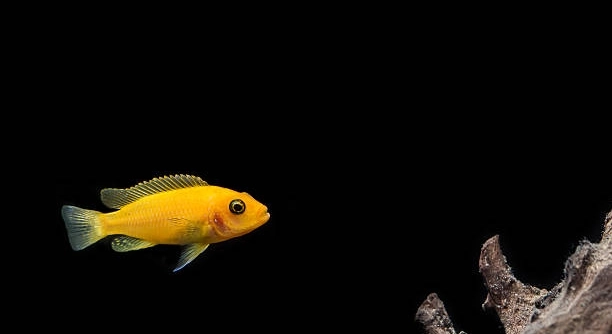
Cichlids are known for their vivid personalities and changing moods. Many factors within their tank environment can influence how they behave and interact. Understanding these triggers is key to maintaining a peaceful aquarium.
Seven specific tank conditions can significantly affect cichlid moods. These include water quality, temperature fluctuations, tank size, hiding spots, lighting, tank mates, and feeding routines. Each factor plays a role in either calming or stressing these fish.
Recognizing these conditions helps improve your cichlids’ well-being and creates a balanced aquatic environment for them to thrive.
Water Quality and Its Impact on Cichlid Behavior
Maintaining good water quality is essential for keeping cichlids calm and healthy. Poor water conditions cause stress, leading to aggressive or withdrawn behavior. High ammonia, nitrite, or nitrate levels irritate the fish and damage their immune systems. Regular water testing and partial water changes are necessary to keep these harmful substances low. Proper filtration also helps remove waste and toxins. Additionally, pH balance plays a role in cichlid comfort. Most cichlids prefer slightly alkaline water. Sudden pH swings can disrupt their mood and lead to illness. Keeping stable water parameters creates a peaceful environment where cichlids feel safe and secure.
Water quality affects not only physical health but also emotional stability. Clear, clean water encourages normal behavior and reduces tension in the tank.
Consistent maintenance and monitoring prevent many mood issues related to water quality. By controlling these factors, you support your cichlids’ well-being and promote a stable tank community.
Temperature Fluctuations
Temperature changes influence cichlid activity and stress levels. Consistent temperature is key for mood stability.
Cichlids thrive in a stable temperature range, usually between 75°F and 82°F. Sudden shifts can cause discomfort, weakening their immune system and increasing aggression. Fluctuations disrupt metabolism and behavior, making fish more prone to disease. Using a reliable heater and thermometer helps maintain a constant temperature. Positioning the tank away from windows or vents also minimizes external temperature changes. Keeping water temperature steady supports balanced moods and healthier fish.
Tank Size and Space
Adequate tank size provides enough room for cichlids to establish territories and reduces stress. Overcrowding increases aggression and tension. Larger tanks give fish space to swim and hide, improving their overall mood. A cramped environment leads to frustration and behavioral problems. Each cichlid species requires different space, so it is important to research their needs. Providing enough swimming area and territory helps reduce conflicts. This also allows shy fish to avoid dominant ones. Proper tank size contributes to a calmer, more harmonious aquarium.
Ensuring your cichlids have enough space improves their comfort and reduces negative behaviors caused by competition.
Hiding Spots and Territory
Providing hiding spots helps reduce stress and aggression in cichlids. It allows them to feel secure.
Hiding places like rocks, caves, and plants give cichlids a chance to retreat and establish personal space. These areas help lower tension by reducing direct confrontations. Without enough cover, fish may feel exposed and more defensive, which can lead to mood swings. Properly placed hiding spots help balance dominance within the tank by allowing weaker fish to escape threats.
Territory is important for cichlids, especially aggressive species. When they have clear boundaries, fights are less frequent. Creating several hiding spots supports peace and healthier social dynamics among tank mates.
Lighting Effects
Lighting influences cichlid behavior and mood by affecting their daily rhythms. Too much light can cause stress, while too little may reduce activity.
Bright or prolonged lighting can overstimulate cichlids, making them more aggressive or restless. Dimmer lighting helps create a calmer environment and encourages natural behaviors like hiding and resting. Using timers to simulate a natural day-night cycle promotes stability and reduces erratic behavior. Additionally, certain light colors can affect how fish perceive their environment, altering their mood. Adjusting light levels according to species needs improves overall tank harmony and fish well-being. Proper lighting management supports both physical health and emotional balance.
Tank Mates Influence
Choosing the right tank mates affects cichlid moods. Compatible species reduce stress and aggression.
Incompatible or overcrowded tanks cause frequent fights and tension. Selecting peaceful or similarly sized fish promotes harmony. Matching temperaments and environmental needs helps maintain balance in the aquarium.
Feeding Routine Consistency
Regular feeding times support stable moods in cichlids. Unpredictable schedules increase stress and competition. Consistent feeding reduces anxiety, helping fish feel secure. Overfeeding or sudden diet changes can upset behavior and health. A balanced, routine diet encourages calm and healthy cichlids.
Water Movement
Strong water currents can unsettle cichlids, making them irritable. Gentle flow creates a comfortable environment, supporting natural swimming behavior and reducing stress. Adjusting filtration to control flow helps maintain their mood and well-being.
FAQ
What causes sudden aggression in cichlids?
Sudden aggression often results from changes in the tank environment, such as water quality drops, temperature shifts, or new tank mates. Territorial disputes also cause aggressive behavior, especially if the tank is too small or lacks enough hiding spots. Stress from overcrowding or poor diet can contribute as well.
How can I reduce cichlid stress caused by tank conditions?
Maintaining stable water parameters, providing proper tank size, and including hiding places reduce stress. A consistent feeding routine and compatible tank mates also help. Avoid sudden changes in temperature or lighting to keep fish calm and balanced.
Why do cichlids hide more than usual?
Excessive hiding often signals discomfort or stress. Poor water quality, bullying from other fish, or inadequate hiding spots may cause this. Illness or injury can also make cichlids seek shelter. Checking tank conditions and observing interactions helps identify the cause.
How important is tank size for cichlid mood?
Tank size is crucial because cichlids need space to establish territories and swim freely. Crowded tanks increase aggression and stress. Each species has specific space needs; meeting these helps maintain calm and healthy behavior.
Can lighting affect cichlid behavior?
Yes, lighting influences their daily rhythm and mood. Too bright or constant light can cause stress and agitation, while dimmer, natural-like lighting promotes calmness. Using timers to mimic day and night cycles supports balanced behavior.
What role do tank mates play in cichlid moods?
Tank mates affect social dynamics significantly. Compatible species help reduce conflict and stress. Aggressive or much smaller fish can provoke fights or fear. Choosing fish with similar temperaments and environmental needs improves harmony.
How often should I test my tank water?
Regular testing, at least once a week, is recommended. Monitoring ammonia, nitrites, nitrates, and pH helps catch issues early. Consistent testing prevents poor water conditions that lead to stress and mood changes.
Does diet influence cichlid behavior?
A balanced, nutritious diet supports health and mood stability. Sudden changes or overfeeding can upset fish and cause aggression or lethargy. Feeding appropriate amounts on a regular schedule encourages calmness and vitality.
What signs indicate water quality problems?
Signs include cloudy water, strong odors, algae overgrowth, and fish showing unusual behavior like gasping at the surface or hiding excessively. Regular water testing and maintenance prevent these issues and keep fish comfortable.
How can I create effective hiding spots?
Use natural materials like rocks, driftwood, and live plants to build caves and shelters. Arrange them to create multiple areas, so fish can claim their own space. Avoid sharp edges that could injure the fish. This setup reduces stress and aggression.
What temperature is best for most cichlids?
Most cichlids do well between 75°F and 82°F (24°C to 28°C). Keeping temperature steady within this range prevents stress and health problems. Use a reliable heater and thermometer to monitor and control tank temperature accurately.
Why do cichlids fight more during breeding?
Breeding triggers territorial and protective instincts. Fish become more aggressive to guard their eggs or fry. Providing extra hiding places and a larger tank can help reduce conflicts during this period.
Is water movement important for cichlids?
Yes, but it should be moderate. Strong currents can stress cichlids, especially those that prefer calm waters. Adjusting filtration flow to create gentle movement supports natural behavior and mood balance.
How does overcrowding affect cichlid moods?
Overcrowding increases competition for space, food, and territory. This often leads to heightened aggression, stress, and poor health. Maintaining appropriate stocking levels helps keep the aquarium peaceful.
Can changing the tank setup improve moods?
Rearranging decorations and adding new hiding spots can reduce tension by breaking up established territories. This can help stop ongoing fights and give shy fish more comfort. However, avoid frequent or drastic changes to prevent added stress.
What are common signs of a stressed cichlid?
Stress indicators include hiding, loss of appetite, erratic swimming, color fading, and increased aggression. Identifying and addressing tank condition issues quickly is important to prevent illness and improve fish welfare.
How long does it take for cichlids to adjust to new conditions?
Adjustment time varies but typically ranges from a few days to a couple of weeks. Providing stable conditions and minimal disturbances speeds up the process. Patience is important while fish settle into their environment.
Should I isolate aggressive cichlids?
In some cases, isolating overly aggressive individuals helps protect other fish and reduce stress in the tank. Quarantine tanks or separate holding areas are useful for this purpose. However, proper tank setup and stocking can often prevent extreme aggression.
Can poor water quality cause illness?
Yes, poor water quality weakens fish immune systems, making them prone to infections and disease. Regular maintenance and water testing are key to preventing health problems related to water conditions.
How does feeding frequency affect cichlid behavior?
Feeding too often can lead to poor water quality and aggression over food. Feeding once or twice daily with appropriate amounts keeps fish healthy and reduces competition. Consistency in feeding times supports calm behavior.
Final Thoughts
Caring for cichlids involves paying close attention to their tank conditions, as these directly influence their moods and behaviors. Each factor, from water quality to tank mates, plays an important role in creating a balanced environment. When the conditions are stable and suitable, cichlids tend to be healthier and less stressed. Understanding how these elements affect your fish helps you provide better care and avoid common problems related to aggression or illness.
Water quality remains one of the most critical aspects. Regular testing and maintenance keep ammonia, nitrites, and nitrates at safe levels. It also helps maintain the right pH and temperature for the species you keep. Sudden changes or poor water conditions can quickly affect cichlid mood and health. Providing enough space and hiding spots is just as important. These features allow cichlids to establish territories and escape conflict, which reduces stress and aggressive behavior. Lighting and feeding routines also contribute to a calm environment by supporting natural rhythms and predictable daily cycles.
By paying attention to all these tank conditions, you can support your cichlids’ well-being and create a peaceful aquarium. Small adjustments, like improving filtration flow or choosing compatible tank mates, often lead to big improvements in fish mood and behavior. It’s helpful to observe your fish regularly and note any changes in behavior or appearance. Early intervention when conditions change helps maintain a stable and healthy habitat for your cichlids. With consistent care and attention, your aquarium can become a space where your cichlids thrive and display their best natural behavior.

Hello,
If you enjoy the content that we create, please consider saying a "Thank You!" by leaving a tip.
Every little bit helps us continue crafting quality advice that supports the health, happiness, and well-being of pets around the world, for pets of all shapes, sizes, and species.
We really appreciate the kindness and support that you show us!