
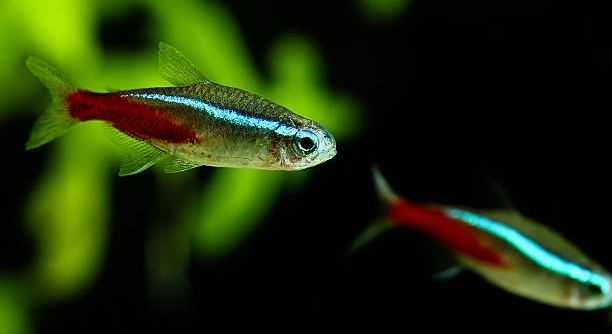
Are your tetras acting skittish or hiding more than usual, even though nothing seems out of the ordinary in the tank?
Tetras become stressed when exposed to poor tank conditions such as unstable water parameters, overcrowding, or aggressive tank mates. These stressors weaken their immune system and can lead to illness or shortened lifespan.
Learning what specific conditions trigger stress in tetras can help you improve their quality of life and prevent long-term problems.
Fluctuating Water Parameters
Tetras are highly sensitive to changes in their environment, especially water parameters. When the pH, temperature, ammonia, nitrite, or nitrate levels shift too quickly, it puts a lot of pressure on their system. A sudden rise in ammonia or a drop in temperature can cause stress responses, such as erratic swimming or hiding. Tetras thrive in a stable environment with a pH between 6.5 and 7.5 and temperatures ranging from 72°F to 80°F. Regular testing with a reliable water test kit helps you track these levels and correct any issues early. If changes are needed, make them slowly over several days to give the fish time to adjust. Adding live plants and maintaining a consistent cleaning schedule also supports better balance. Poor water quality is one of the most common triggers of stress, so keeping it stable is essential to your tetra’s well-being and long-term health.
Sudden fluctuations often lead to immune system problems, making the fish more likely to get sick or act unusually.
If your tank’s parameters shift too fast or too often, your tetras can become sluggish or stop eating. Even a small spike in ammonia can be harmful. Keeping levels steady helps them feel safe. You don’t need expensive gear—just consistent testing and water changes go a long way.
Aggressive Tank Mates
Tetras are peaceful fish and do best with species that match their calm nature. Aggressive tank mates—like certain barbs or cichlids—can cause chronic stress. If the tetras are constantly chased or nipped at, they will stay hidden and avoid eating. Over time, this weakens their immune system and leads to health problems. You may notice they lose color, show ragged fins, or isolate themselves in corners of the tank. It’s important to research compatible fish before adding them to the tank. Watching how they interact during feeding time or in open areas gives you clues about whether the pairing works. If bullying continues, it’s best to rehome the aggressive fish or create separate spaces. Adding more plants and decorations can help provide cover and break up sightlines. Tetras need a low-stress environment to thrive, and aggressive tank mates take that away. Matching their temperament helps them stay active and healthy.
Poor Lighting Conditions
Lighting that’s too bright or left on too long can cause stress in tetras. They prefer a gentle light cycle that mimics natural conditions. Harsh or inconsistent lighting can make them hide more often and lose their color.
Tetras come from shaded streams and rivers, so they naturally avoid overly bright environments. Intense lighting can make them feel exposed and unsafe. If your tank has strong lights, consider adding floating plants or dimming options to reduce brightness. Also, be mindful of the lighting schedule. Leaving the lights on for more than 10 to 12 hours a day can disturb their rhythm. A regular light cycle, like 8 to 10 hours of light followed by darkness, helps regulate their behavior and rest. You might notice calmer swimming and more consistent feeding habits when lighting conditions are improved.
Low lighting doesn’t mean no lighting. Tetras still need a light cycle to know when to feed and rest. Too little light can lead to dull colors and slower activity. Set a timer to make the routine predictable. Soft, diffused light brings out their natural colors without making them feel exposed. Balanced lighting creates a more comfortable environment for them to thrive in.
Inadequate Hiding Spaces
Tetras need places where they can rest and feel safe. When a tank lacks enough plants, caves, or decorations, they feel exposed and uneasy. This kind of stress often shows up through skittish swimming, pale coloration, or reduced activity.
In their natural habitat, tetras swim through areas filled with roots, leaves, and shaded pockets. Replicating this in your tank with live or artificial plants, driftwood, and small caves gives them the chance to explore, hide, and relax. When they don’t have those safe spots, they stay near the bottom or behind the filter, showing signs of fear or discomfort. A tank that looks too open may seem clean to us, but it feels unsafe to them. Try rearranging decor to create little “zones” or shaded areas where they can retreat. These additions help them feel secure, which boosts their overall health and behavior.
Overcrowded Tank
When too many fish share a small space, it causes constant stress for tetras. They feel trapped and may compete more for food and territory. Overcrowding also affects water quality faster, making the environment harder to manage and less stable.
In crowded tanks, tetras often show signs of anxiety like rapid swimming, hiding, or faded colors. They need room to swim in schools, and tight conditions break that natural behavior. Keeping a balance—around one inch of fish per gallon—helps prevent this problem. More space equals calmer, healthier fish.
Lack of a Proper School
Tetras are schooling fish and need the comfort of a group to feel safe. Without at least six of their own kind, they can become anxious, withdrawn, or overly shy. A proper school encourages more natural behavior like active swimming and balanced social interaction.
Constant Vibrations or Noise
Vibrations from filters, pumps, or tapping on the glass may seem minor, but they can overwhelm tetras over time. Loud rooms or speakers near the tank add to the stress. A calmer environment helps them feel more secure and reduces skittish behavior.
What causes stress in tetras the most?
The biggest stressors for tetras include unstable water conditions, overcrowding, aggressive tank mates, poor lighting, lack of hiding spots, absence of a proper school, and constant vibrations or noise. Each of these factors disrupts their natural behavior and creates an environment that feels unsafe or uncomfortable. For example, sudden changes in water temperature or chemistry can shock their system, making them vulnerable to illness. Overcrowding forces them to compete for space and food, increasing tension. Aggressive fish bully them, causing fear and hiding. Even too much or too little light can disturb their daily routine. All these conditions combined weaken their immune system and affect their overall health.
How can I tell if my tetra is stressed?
Signs of stress in tetras often include hiding more than usual, swimming erratically, losing color, or refusing to eat. They might also have ragged fins or show less activity, staying near the bottom or in corners. Sometimes, stressed tetras become more aggressive or show unusual behavior like gasping at the water surface. Watching their daily routine closely helps catch these signs early. If the tank conditions are right but your tetra still acts stressed, consider if there might be noise, vibrations, or incompatible tank mates causing discomfort. Early intervention can prevent serious health issues.
How often should I test my tank water to prevent stress?
Testing water at least once a week is a good routine to keep stress away. Frequent checks on pH, ammonia, nitrite, and nitrate levels help you spot problems before they become dangerous. In new tanks, testing may need to be daily until the environment stabilizes. Regular partial water changes help maintain good water quality and prevent toxins from building up. Keeping a simple log of your test results can show trends, so you know when to adjust feeding, cleaning, or filtration. Stable water conditions reduce stress and promote long-term health.
What tank size is best for tetras to avoid stress?
A minimum of 20 gallons is recommended for a small school of tetras. This size provides enough swimming space and room for plants or decorations where they can hide. Overcrowding in smaller tanks leads to poor water quality and increases stress levels. More space means less competition for territory and a better chance for tetras to show natural schooling behavior. If you want more fish, increase tank size accordingly—generally, one inch of fish per gallon is a safe guideline. Bigger tanks are easier to manage and keep water conditions stable.
Can I keep tetras with other fish?
Tetras do best with peaceful species that share similar water needs and temperaments. Avoid aggressive or territorial fish, as they cause stress through bullying and chasing. Good companions include small rasboras, guppies, and some peaceful bottom dwellers like corydoras. Before mixing, research the behavior and requirements of each species. Always observe interactions closely, especially after introducing new fish. If tetras show signs of stress or injury, it may be necessary to separate them or rethink the tank’s community. A calm, compatible group promotes healthy social behavior.
How important is lighting for tetra health?
Lighting impacts both the physical and mental health of tetras. Bright or constantly on lights can stress them, while too little light affects their color and activity levels. A balanced light cycle—about 8 to 10 hours daily—is ideal to simulate natural day and night patterns. Using dimmers or floating plants helps reduce intensity and gives tetras shaded areas to feel safe. Proper lighting supports feeding schedules and encourages natural behavior. Regularly turning lights off at night helps tetras rest and lowers stress.
What are signs of poor water quality to watch for?
Cloudy water, algae overgrowth, and unpleasant odors can indicate water quality problems that stress tetras. High ammonia or nitrite levels cause gasping at the surface and lethargy. Frequent illness, sudden deaths, or faded colors also signal poor conditions. Pay attention to filter performance and avoid overfeeding, which worsens water quality. If you notice any of these signs, test the water immediately and perform a partial water change. Keeping water clean and stable is one of the easiest ways to reduce stress in your tetras.
How can I create hiding spaces for my tetras?
Add live or artificial plants, small caves, and driftwood to the tank. These provide natural shelter where tetras can retreat when feeling threatened or tired. Dense plant clusters mimic their natural habitat and offer shade and protection. Rearranging decorations to create cozy corners breaks up open space, reducing stress. Avoid sharp objects that could injure them. Providing multiple hiding spots throughout the tank ensures all fish have a safe place. A well-decorated tank helps tetras feel secure and behave normally.
Taking care of tetras means paying close attention to the conditions in their tank. These small fish are sensitive to many factors that can cause stress, including water quality, tank size, lighting, and the company they keep. When their environment is stable and comfortable, tetras show bright colors, swim actively, and interact well with others. Stress can cause them to hide, lose color, or even become sick, so it is important to notice any changes in their behavior quickly. Regular testing of water parameters, keeping the tank clean, and ensuring the right tank mates are all simple but effective ways to keep your tetras healthy.
Creating a peaceful and balanced habitat goes a long way in helping tetras thrive. Overcrowding and aggressive fish cause tension and fear, so choosing a suitable tank size and compatible species is important. Providing plenty of hiding spots with plants, decorations, or caves helps the fish feel safe. Lighting should mimic natural conditions without being too bright or left on too long. These small adjustments make a big difference in reducing stress. It is also helpful to keep a regular routine for feeding, cleaning, and monitoring the tank to maintain a steady environment.
In the end, understanding what stresses tetras the most allows you to create a better home for them. Being attentive and patient helps prevent problems before they start. With good care, tetras live longer, stay healthy, and show their full beauty. Whether you are new to keeping tetras or have some experience, focusing on stable water parameters, suitable companions, and a well-decorated tank creates a safe space for your fish to flourish. A calm, balanced aquarium is rewarding for both you and your tetras.

Hello,
If you enjoy the content that we create, please consider saying a "Thank You!" by leaving a tip.
Every little bit helps us continue crafting quality advice that supports the health, happiness, and well-being of pets around the world, for pets of all shapes, sizes, and species.
We really appreciate the kindness and support that you show us!