
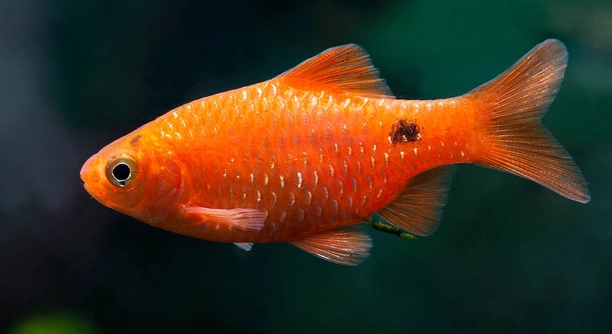
Rosy barbs are colorful, lively fish that brighten any aquarium. Keeping them happy takes attention to their tank environment and daily care routines. Small changes can affect their mood and behavior in surprising ways.
Several tank conditions can negatively impact the mood of rosy barbs, including poor water quality, inadequate tank size, improper temperature, lack of hiding spots, overfeeding, aggressive tank mates, and insufficient oxygenation. Each factor plays a crucial role in maintaining their overall well-being and temperament.
Recognizing these common issues helps you create a healthier space for your rosy barbs. The following guide explains how to avoid these problems and support your fish’s good mood.
Poor Water Quality
Poor water quality is one of the main reasons rosy barbs become stressed or moody. When tanks have high levels of ammonia, nitrites, or nitrates, it can irritate the fish and harm their health. Dirty water can also reduce oxygen levels, making it harder for rosy barbs to breathe. Regular water changes and proper filtration are essential to keep the water clean. Testing the water weekly helps catch any dangerous spikes early. If left unchecked, poor water quality can cause disease and behavioral changes in your fish. Ensuring a stable, clean environment keeps your rosy barbs active and happy. It’s important to remember that even slight changes in water chemistry can affect their mood quickly. Keeping a routine for tank maintenance not only protects your fish but also makes caring for them less stressful for you.
Water quality directly influences rosy barb health and behavior. Clean, stable water supports their good mood.
Maintaining water quality starts with frequent water tests and partial water changes. Using a reliable filter removes waste and toxins that build up daily. Avoid overfeeding, as leftover food adds to the waste in the tank. It’s helpful to condition tap water before adding it to the tank, removing chlorine and harmful chemicals. Monitoring pH and temperature levels also ensures a comfortable environment. When all these steps are followed, your rosy barbs will show brighter colors and swim actively. Keeping water quality in check is a simple but powerful way to improve their mood.
Inadequate Tank Size
A tank that is too small can cause stress in rosy barbs. These fish need space to swim freely and form social groups. Crowded tanks lead to aggression and anxiety, which ruins their mood quickly.
Rosy barbs need at least 20 gallons of water for a small group.
Providing enough space allows rosy barbs to express natural behaviors. In cramped conditions, they become defensive and may hide or act lethargic. A larger tank reduces stress and prevents fights between fish. It also helps maintain water quality by diluting waste. Setting up decorations and plants in a bigger tank creates hiding spots and enriches their environment. Watching rosy barbs swim energetically in a well-sized tank is rewarding. Choosing the right tank size is a key step to keeping your fish calm and cheerful every day.
Improper Temperature
Rosy barbs need a stable temperature between 74°F and 79°F. Temperatures outside this range can make them sluggish or stressed.
Sudden changes in temperature cause shock, which affects their mood and health. Consistent heating and avoiding drafts help keep the water stable. Use a reliable aquarium heater with a thermostat to maintain the right temperature. Checking the thermometer daily prevents surprises. When the temperature is steady, rosy barbs remain active and social. Fluctuations can cause hiding or aggressive behavior, signs of discomfort. Maintaining the right temperature is a simple step that greatly improves their quality of life.
Temperature affects metabolic rate and mood. Too cold or too warm water disrupts normal activity, causing stress. Stable temperature helps fish feel safe and energetic, improving their interactions in the tank.
Lack of Hiding Spots
Rosy barbs feel safer with places to hide when stressed or tired. Without enough hiding spots, they become anxious and restless.
Plants, rocks, and decorations offer shelter and reduce stress by mimicking their natural habitat. Providing plenty of cover allows shy fish to retreat and regain confidence. Hiding places also reduce aggression by giving fish personal space. Avoid overcrowding decorations; keep areas open for swimming. When their environment feels secure, rosy barbs show more natural and calm behavior. Simple additions like live plants or caves can make a big difference. These spots encourage exploration while offering comfort when needed, helping your fish feel at home.
Overfeeding
Overfeeding leads to uneaten food that pollutes the tank and causes poor water quality. This can make rosy barbs unhealthy and irritable.
Feeding small amounts once or twice a day is enough. Avoid leftovers to keep the tank clean and fish happy.
Aggressive Tank Mates
Aggressive fish stress rosy barbs by chasing or bullying them. This constant harassment ruins their mood and causes injuries.
Choosing peaceful tank mates is essential. Species like danios or tetras usually get along well with rosy barbs. Avoid larger or aggressive fish to maintain harmony. A calm environment encourages rosy barbs to swim freely and behave naturally. Keeping compatible companions helps reduce stress and supports healthy social interactions.
Insufficient Oxygenation
Low oxygen levels make rosy barbs sluggish and stressed. Proper aeration is necessary to keep them comfortable and active.
FAQ
What are the signs that my rosy barbs are stressed?
When rosy barbs are stressed, they often hide more than usual, swim erratically, or become less active. Their colors may fade, and they might lose their appetite. You could also notice fin clamping or increased aggression among tank mates. These signs indicate something in their environment is off.
How often should I test my tank water?
Testing water at least once a week is best to catch changes in ammonia, nitrite, nitrate, pH, and temperature. Frequent checks help you act quickly before conditions worsen. It’s a good habit to keep the tank stable and your fish healthy.
Can I keep rosy barbs with other fish?
Yes, but choose peaceful species like danios, guppies, or tetras. Avoid aggressive or very large fish, as they can bully or stress your rosy barbs. Keeping a compatible community tank improves everyone’s mood and reduces fights.
How much should I feed rosy barbs?
Feed small amounts once or twice daily, only what they can eat in 2-3 minutes. Overfeeding leads to water quality problems and stress. Balanced flakes or pellets with occasional live or frozen foods work well for their diet.
What temperature is best for rosy barbs?
A stable temperature between 74°F and 79°F suits rosy barbs. Sudden changes can cause stress or illness. Use a reliable heater and thermometer to keep the water consistent.
How many rosy barbs should be kept together?
Rosy barbs are schooling fish and feel most comfortable in groups of at least six. Smaller groups may cause stress and aggressive behavior. Larger groups allow them to display natural social behavior.
Why do my rosy barbs hide so much?
Hiding is usually a sign of stress, illness, or poor tank conditions. Lack of hiding spots can make them anxious, so adding plants or decorations helps. Also, check water quality and tank mates for possible causes.
How do I improve oxygen levels in the tank?
Use an air pump or add a filter that agitates the surface water to increase oxygen exchange. Plants also help, but avoid overcrowding, which reduces oxygen. Well-oxygenated water keeps rosy barbs active and healthy.
What decorations are best for rosy barbs?
Live plants, smooth rocks, and caves provide hiding spots and reduce stress. Avoid sharp or rough decorations that can injure them. Balance open swimming areas with plenty of cover for comfort.
Can poor water quality cause disease?
Yes, poor water quality weakens fish immune systems, making them prone to infections like fin rot or ich. Keeping water clean through regular changes and filtration is crucial for disease prevention.
Rosy barbs are beautiful and active fish that can bring a lot of life to any aquarium. However, their mood and health depend heavily on the conditions in their tank. Keeping the water clean and at the right temperature, providing enough space, and avoiding overcrowding are all important factors. When these basics are met, rosy barbs tend to be happier and more vibrant. Paying attention to these details may take some effort, but it helps prevent many common problems that cause stress and illness in the fish.
Another important aspect is making sure your rosy barbs feel safe. They need places to hide and explore within the tank. Adding plants, rocks, or decorations creates a more natural environment where they can retreat if they feel threatened or tired. This reduces stress and encourages natural behavior. It also helps keep peace if you have other fish sharing the tank. Fish that feel secure usually swim more freely and show better colors, which is a sign of good health and mood.
Finally, maintaining a balanced feeding routine and choosing compatible tank mates supports your rosy barbs’ well-being. Overfeeding can quickly lead to poor water quality, which harms the fish. Feeding small amounts and removing uneaten food keeps the tank cleaner and the fish happier. Likewise, avoiding aggressive or large fish reduces stress and injury risks. A calm, well-maintained tank environment is the best way to keep your rosy barbs in a good mood and thriving for a long time. Consistent care makes a big difference in their overall happiness and health.

Hello,
If you enjoy the content that we create, please consider saying a "Thank You!" by leaving a tip.
Every little bit helps us continue crafting quality advice that supports the health, happiness, and well-being of pets around the world, for pets of all shapes, sizes, and species.
We really appreciate the kindness and support that you show us!