
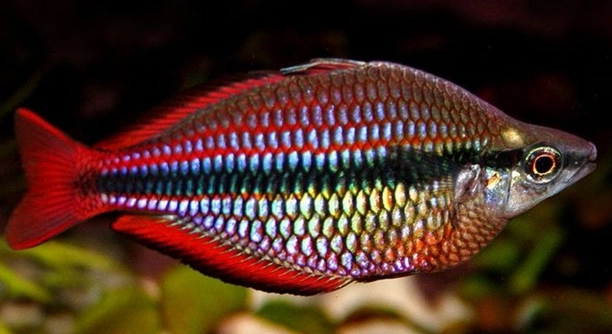
Rainbow fish are vibrant and popular choices for aquariums, but to keep them healthy and happy, their tank environment plays a crucial role. Knowing the conditions that make them thrive is key to maintaining their vibrant colors and active behavior.
Creating optimal tank conditions for rainbow fish involves controlling water parameters such as temperature, pH, hardness, and filtration. Proper lighting, a balanced diet, and tank mates that are not overly aggressive contribute to their well-being.
By maintaining the right environment, you can ensure that your rainbow fish live their best lives, full of color and energy. Understanding the factors that influence their health is essential for any aquarium enthusiast.
Water Temperature: The Key to Healthy Rainbow Fish
Rainbow fish thrive in stable water temperatures between 72-78°F (22-26°C). Temperature fluctuations can cause stress and affect their immune systems, making them more susceptible to illness. A reliable heater and thermometer are essential for maintaining these conditions. If the water is too cold, the fish may become sluggish, while water that is too warm can lead to oxygen depletion.
To keep your fish active and healthy, it’s important to avoid sudden shifts in temperature. Gradual changes are less likely to cause stress and help your fish adjust better. A heater with a built-in thermostat can ensure the temperature stays consistent.
Monitoring the water temperature regularly will help prevent problems. A sudden change can cause more than discomfort—it can impact their feeding, behavior, and overall health. So, maintaining a steady and appropriate water temperature is one of the easiest ways to ensure your rainbow fish thrive.
pH and Water Hardness: Finding the Balance
Maintaining a balanced pH and water hardness ensures rainbow fish stay healthy and comfortable. The ideal pH level is between 6.5 and 7.5, while hardness should range from 8-12 dGH.
Changes in pH or hardness levels can cause stress for the fish. This can result in reduced activity or even health issues over time. Consistent water conditions are key to long-term well-being. Regular water testing and using conditioners if necessary can help maintain stable parameters.
Filtration: Keeping Water Clean and Clear
A good filtration system is crucial for maintaining water quality. Rainbow fish thrive in clean, oxygen-rich water, which is why investing in a high-quality filter is essential.
The filter should be able to handle the tank’s volume and remove toxins like ammonia and nitrate. Regular maintenance of the filter is also necessary to ensure it works efficiently. Clean or replace the filter media when it starts to get clogged. This helps keep the water clear and prevents harmful waste from building up, reducing the risk of diseases.
Using a filter that provides gentle water flow is also important. Rainbow fish prefer calmer water, so avoid filters that create strong currents. Choosing the right filter ensures a healthy environment for your fish and helps maintain optimal tank conditions.
Lighting: Simulating Natural Daylight
Proper lighting is important for both the health of your rainbow fish and the appearance of their vibrant colors. A standard 10-12 hours of light each day mimics natural conditions and encourages healthy behavior.
Investing in LED lights with adjustable brightness helps regulate the lighting intensity, ensuring a more natural cycle. Intense lighting can stress out your fish, while low lighting may hinder their color expression. Aim to provide a balance that doesn’t overwhelm the tank or leave it too dim.
Rainbow fish also require a day and night cycle to thrive. Without proper lighting, they may become disoriented and stressed. A timer for the lights can help maintain a consistent routine, further promoting their well-being.
Tank Size: Providing Space to Thrive
Rainbow fish need ample space to swim and explore. A tank of at least 30 gallons is recommended for a small group.
Crowding the tank can lead to stress, territorial disputes, and health problems. A larger tank allows your fish to move freely and feel safe, helping them thrive. Consider the size of your fish and how many you plan to keep when choosing the tank.
Tank Mates: Choosing Peaceful Companions
Rainbow fish are peaceful, but they do best with similarly calm species. Avoid aggressive fish that may stress them out.
The right tank mates promote a harmonious environment, reducing competition for food and space. Consider species with similar water requirements and temperament for a healthy tank ecosystem.
Substrate and Plants: Natural Habitat
A soft substrate and live plants create a more natural environment for your rainbow fish. These conditions provide hiding spots and help maintain water quality.
Plants like java fern or anubias offer shelter, making the fish feel secure. The right plants also encourage natural behaviors, keeping your fish active and engaged.
FAQ
What temperature do rainbow fish need to thrive?
Rainbow fish thrive in water temperatures between 72-78°F (22-26°C). It’s crucial to maintain a consistent temperature, as sudden fluctuations can stress them out. A reliable heater and thermometer will help keep the temperature stable, preventing harmful drops or spikes.
Can rainbow fish live in cold water?
Rainbow fish prefer warm water and do not thrive in cold conditions. If the water is too cold, it can lead to a sluggish behavior and weakened immune system. Maintaining a temperature range of 72-78°F (22-26°C) is essential for their health and vitality.
Do rainbow fish need a filter?
Yes, rainbow fish require a good filtration system to keep the water clean and oxygenated. A quality filter removes toxins like ammonia and nitrate, which can otherwise harm your fish. Regular filter maintenance, such as cleaning or replacing the media, ensures efficient filtration and optimal water quality.
How often should I feed my rainbow fish?
Rainbow fish should be fed 2-3 times a day, offering small amounts of food each time. Overfeeding can lead to poor water quality and obesity in your fish. A variety of high-quality flakes, pellets, and frozen foods, such as brine shrimp or bloodworms, will provide balanced nutrition.
What is the ideal pH for rainbow fish?
Rainbow fish do best in water with a pH level between 6.5 and 7.5. It’s important to regularly test the water to ensure it stays within this range. If necessary, use pH adjusters or water conditioners to keep the pH stable.
Can rainbow fish live with other species?
Yes, rainbow fish are generally peaceful and can live with other non-aggressive species. They do well in community tanks with similarly calm fish, such as tetras, gouramis, and other peaceful species. Avoid aggressive fish that may cause stress or harm to your rainbow fish.
Do rainbow fish need a lot of space?
Rainbow fish need space to swim, so it’s recommended to keep them in a tank of at least 30 gallons for a small group. A larger tank provides ample room for them to move around, reducing territorial behavior and stress.
What kind of plants are best for rainbow fish tanks?
Live plants like java fern, anubias, and Amazon swords are great for rainbow fish tanks. These plants provide hiding spaces and help maintain water quality by absorbing excess nutrients. They also create a more natural environment, which helps reduce stress and encourages natural behaviors.
How many rainbow fish should I keep together?
It’s best to keep rainbow fish in groups of at least 6 to make them feel secure and reduce stress. A group of 6 or more allows them to display their natural social behaviors and feel safe. Larger groups may also display more vibrant colors and act more actively.
Are rainbow fish sensitive to water changes?
Rainbow fish are somewhat sensitive to sudden changes in water conditions, especially temperature, pH, and hardness. When performing water changes, do it gradually to avoid stressing your fish. Always match the new water’s temperature and pH to the existing water to minimize stress.
Can rainbow fish live in a tank with strong currents?
Rainbow fish prefer calm to moderate water flow. Strong currents can stress them out and interfere with their natural behavior. When choosing a filter, opt for one that offers gentle water movement to ensure your fish remain comfortable and active.
Final Thoughts
Rainbow fish are beautiful and resilient creatures, but their well-being heavily depends on the environment they are placed in. Ensuring that their tank conditions mimic their natural habitat is essential for their health and vibrant colors. Factors such as temperature, pH, water hardness, and filtration must be kept in balance for them to thrive. By providing the right conditions, you can enjoy healthy, active rainbow fish for years to come.
In addition to water conditions, the right tank size, substrate, and lighting are also key components. A tank that is spacious enough to accommodate a group of rainbow fish will allow them to swim freely and display their natural behavior. Soft substrates and live plants not only create a more natural habitat but also promote their well-being by offering hiding spaces and improving water quality. Proper lighting, with a consistent day-night cycle, will ensure your rainbow fish stay active and vibrant.
Ultimately, maintaining a balanced and stable environment is the most important step in keeping rainbow fish happy. Regular monitoring of the tank’s parameters, feeding them a proper diet, and selecting suitable tank mates will help keep them healthy. By paying attention to these factors, you can create a thriving aquarium where your rainbow fish will continue to grow, interact, and display their stunning colors.

Hello,
If you enjoy the content that we create, please consider saying a "Thank You!" by leaving a tip.
Every little bit helps us continue crafting quality advice that supports the health, happiness, and well-being of pets around the world, for pets of all shapes, sizes, and species.
We really appreciate the kindness and support that you show us!