
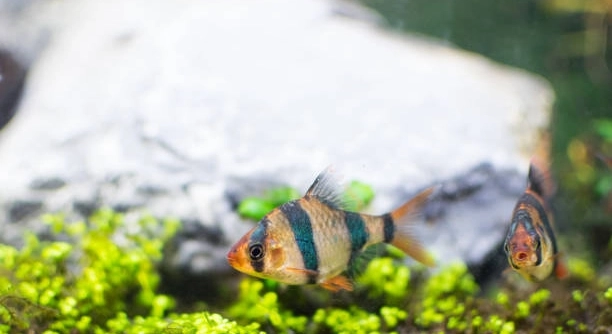
Are your barbs looking sluggish even though their tank seems clean and well-stocked? Creating the right environment can make a big difference in their energy and overall behavior.
The most effective way to keep barbs active is by maintaining optimal tank conditions such as stable water parameters, adequate swimming space, a balanced diet, proper lighting, and regular tank maintenance. These factors support their natural instincts and social behavior.
Each condition plays a key role in keeping your barbs lively, healthy, and thriving in their aquatic environment.
Keep the Water Parameters Stable
Barbs are sensitive to changes in water quality. Keeping the water parameters stable is essential for their energy and well-being. Aim for a temperature between 74°F and 80°F, with a pH level of 6.0 to 8.0. Use a reliable heater and thermometer to avoid sudden shifts. Ammonia, nitrites, and nitrates should stay at safe levels—test the water weekly using a freshwater test kit. Avoid overfeeding and overcrowding, as these can throw off the balance and stress your fish. Clean the tank regularly and change 20–30% of the water weekly to prevent buildup. Consistent maintenance helps maintain healthy bacteria and reduces the risk of infection or lethargy. Barbs thrive in environments that remain predictable and clean.
Unstable water conditions can lead to stress, illness, and inactivity in barbs. Even slight fluctuations can affect their appetite and behavior.
Clean, balanced water allows your barbs to swim comfortably, interact naturally, and stay active without unnecessary stress weighing them down.
Provide Plenty of Swimming Space
A cramped tank limits movement and causes stress in barbs. Always choose a tank size that suits their active nature.
Barbs are fast swimmers and need horizontal space to move freely. A 20-gallon long tank is the bare minimum for a small group, but a larger setup is always better. Keeping them in groups of at least five prevents aggression and encourages social swimming patterns. Overcrowding or placing too many decorations can interfere with their swimming paths, making them less active. Use plants and décor strategically—leave open areas along the middle and top for them to explore and dart around. Also, avoid housing them with slow-moving or long-finned fish, as this can trigger unwanted behavior. Proper space allows each barb to establish its place in the group, which reduces tension. When they’re given room, you’ll notice they spend more time chasing, exploring, and displaying their bright colors confidently.
Keep the Tank Well-Oxygenated
Barbs become sluggish when oxygen levels drop. Good oxygenation keeps them active, supports breathing, and helps maintain water quality. Poor water movement and high temperatures can reduce oxygen, so proper circulation is essential.
Use an air pump or sponge filter to improve oxygen levels. A hang-on-back or canister filter with surface agitation also helps keep the tank well-oxygenated. Avoid overcrowding, as too many fish can quickly reduce available oxygen. Adding live plants like hornwort or anacharis can provide natural oxygen during the day. Be mindful of the temperature—higher heat reduces oxygen, so don’t let it go above the recommended range. Always keep the filter clean to maintain steady flow. A well-oxygenated tank encourages more activity, better appetite, and faster response in your barbs. You’ll notice them swimming with more energy and interacting more freely when the water is fresh and rich in oxygen.
When the tank is properly oxygenated, barbs are more likely to swim in groups and explore their surroundings. Their bright colors become more vivid, and their breathing stays calm and steady. These are clear signs that their environment is supporting their physical health. Regular monitoring and maintenance will help preserve these conditions long term without adding stress.
Keep a Balanced Diet
Feeding barbs a balanced diet helps maintain their energy and supports their immune system. Use a mix of high-quality flakes or pellets, and supplement with protein-rich foods like brine shrimp or bloodworms once or twice a week.
Avoid overfeeding, as leftover food can dirty the tank and reduce oxygen. Stick to small amounts they can eat within two minutes to prevent waste and health issues.
Maintain Proper Lighting
Barbs respond well to a regular day-night cycle. Keep the tank light on for 8 to 10 hours a day. This helps regulate their activity and supports their internal rhythm. Use a timer to keep it consistent.
Keep Stress Levels Low
Stress quickly affects barb behavior. Avoid sudden water changes, aggressive tank mates, and loud noises around the tank. A calm, predictable environment helps them stay active and healthy.
FAQ
How many barbs should I keep together to keep them active?
Barbs are social fish that do best in groups of at least five or six. When kept alone or in small numbers, they may become aggressive or inactive. In a proper group, they form a pecking order, swim together, and interact regularly. This social behavior helps reduce stress and keeps them moving. Larger groups spread out any aggressive behavior and create a more natural environment. If possible, aim for a slightly larger group—around 7 to 10—if your tank can support it. Always make sure the tank is big enough to allow space for everyone to swim comfortably.
What size tank is best for active barbs?
A 20-gallon long tank is the absolute minimum for a small group of barbs. However, if you want to see their most natural and active behavior, a 30-gallon or larger tank is much better. Barbs are strong swimmers, and more horizontal space encourages constant movement. Tall tanks can feel cramped and reduce swimming room, which may cause inactivity or aggression. The more space they have, the more likely they are to explore and swim in a group. A longer tank layout gives them room to dart back and forth without running into barriers.
Do barbs need tank mates to stay active?
Barbs stay active with or without tank mates, as long as they are kept in a group of their own kind. However, they can also live with other fast-moving fish like danios, rasboras, or larger tetras. Avoid slow or long-finned tank mates like bettas or angelfish, as barbs may nip at them. Active and compatible tank mates can encourage even more movement and make the tank feel lively. If adding tank mates, make sure the tank is large enough to give each species space to swim without crowding each other.
What water parameters are best for barbs to stay healthy?
Barbs thrive in water with a temperature between 74°F and 80°F, a pH level of 6.0 to 8.0, and stable hardness levels. Clean water is essential. Perform weekly water changes (about 20–30%) and test for ammonia, nitrite, and nitrate regularly. Ammonia and nitrite should always be at zero, while nitrate should stay under 40 ppm. Any sudden change, even if temporary, can lead to stress and make barbs sluggish. Always acclimate them slowly when doing water changes to prevent shock.
How do I know if my barb is stressed or inactive due to illness?
A healthy barb will swim actively, eat well, and interact with others in the group. If a barb is hiding, breathing heavily, not eating, or separating from the group, something may be wrong. Watch for physical signs like clamped fins, white spots, or a bloated belly. These signs could mean stress or illness. First, check your water parameters—poor water quality is the most common reason for sudden changes in behavior. If everything looks normal and the barb doesn’t improve, consider isolating the fish and observing more closely. In some cases, medication may be needed.
Can lighting affect barb activity?
Yes, lighting plays an important role in their behavior. A regular light schedule—about 8 to 10 hours per day—keeps them active and supports a healthy sleep-wake cycle. Too much light can cause stress and lead to algae buildup. Too little can disrupt their daily rhythm. Use an automatic timer to keep things consistent. Sudden lighting changes can startle barbs, so it’s better to keep lighting transitions smooth. Use tank plants or decorations to give them shaded areas, which help them feel secure during the day.
Is it normal for barbs to chase each other?
Yes, mild chasing is typical and part of their natural behavior, especially in a group. It helps them establish a social order. However, constant or aggressive chasing, especially if one fish is always targeted, may mean the group is too small or the tank is too cramped. Increasing the group size and making sure there is enough space can fix this. Watching their interactions over time helps you learn what’s normal for your fish and what needs attention. Most of the time, a little chasing is just how they stay active and engaged.
Final Thoughts
Barbs are naturally active fish, but they need the right conditions to show that energy every day. A clean, spacious, and well-maintained tank allows them to thrive without added stress. When their environment is balanced, you’ll notice more color, better group behavior, and frequent swimming across all areas of the tank. Every change you make—from adjusting the water temperature to adding proper filtration—can improve their activity level. Simple routines like weekly water changes and regular monitoring go a long way in keeping barbs healthy and alert. These routines also help prevent problems that can make your fish slow down or hide more often.
Feeding is another important part of supporting active behavior. A mix of quality dry food and fresh or frozen protein helps keep their bodies strong and their immune systems ready. Avoiding overfeeding is just as important as choosing the right food. Uneaten food can lead to dirty water, poor oxygen, and less activity. Lighting, tank size, and social interaction also play a key role. A consistent light schedule and enough open space encourage movement throughout the day. Keeping barbs in small groups also gives them comfort and allows natural behaviors like schooling, chasing, and exploring. When all of these needs are met, your barbs will be much more playful and lively.
It doesn’t take complicated equipment or advanced care to meet these conditions. Simple tools like an air stone, test kit, and timer can help you stay on track. Observing your barbs daily will also tell you a lot. Active fish are usually healthy fish. If something changes—like reduced swimming or lack of appetite—it’s often a sign that something in their environment needs adjustment. Paying attention to these signs and acting quickly can keep small problems from turning into bigger ones. In the end, creating a steady and clean setup will not only keep your barbs active but also help them live longer, healthier lives. A calm and well-managed tank leads to confident and lively fish, which makes the experience more enjoyable for both you and them.

Hello,
If you enjoy the content that we create, please consider saying a "Thank You!" by leaving a tip.
Every little bit helps us continue crafting quality advice that supports the health, happiness, and well-being of pets around the world, for pets of all shapes, sizes, and species.
We really appreciate the kindness and support that you show us!