
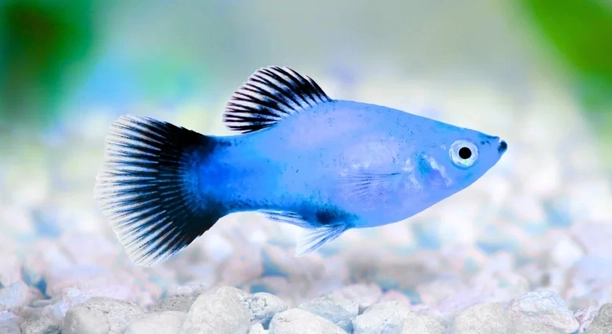
Are your platies looking a little sluggish or not as vibrant as usual, even though you’re doing your best to care for them?
Platies thrive when their tank conditions closely mimic their natural environment, which includes stable water parameters, proper filtration, and adequate space. Providing the right setup can significantly impact their health and overall behavior.
Learning the best tank conditions will help you create a healthier, more active environment that keeps your platies happy and thriving every day.
Stable Water Temperature
Platies do best in water that stays between 72°F and 78°F. Sudden shifts in temperature can make them stressed or sick. Use a reliable heater and thermometer to keep the water steady. Avoid placing the tank near windows or vents, as this can lead to quick changes in temperature. Even small drops or spikes can affect their immune system and make them more likely to get sick. Consistent warmth supports their digestion, keeps their colors vibrant, and helps with regular breeding. If you live in an area with frequent temperature changes, consider adding a backup thermometer or heater to your setup. This way, your tank remains a safe and healthy environment for your platies all year round.
Watch your fish during seasonal changes, especially in winter. Platies may become sluggish if the temperature drops below their comfort range.
A stable tank temperature gives your platies a calm space where they can swim and explore without stress. It helps them feel secure, which keeps them active and playful.
Clean, Filtered Water
Good filtration keeps the tank clean and removes waste that can build up quickly. Dirty water leads to illness and poor water quality.
Use a filter that matches the size of your tank. It should cycle all the water in the tank at least three to four times per hour. A well-functioning filter removes debris, uneaten food, and harmful chemicals like ammonia and nitrites. Even though platies are hardy fish, they still need clean water to stay healthy. Try not to overcrowd the tank, as this makes the filter work harder. Rinse the filter media regularly, but don’t overdo it—too much cleaning can remove helpful bacteria. Test your water weekly with an aquarium test kit. If levels of ammonia or nitrite rise, your filter may not be keeping up. Keeping up with filter maintenance ensures your platies have fresh, oxygen-rich water where they can breathe easily and stay energetic.
Proper Tank Size
Small tanks can lead to poor water quality and stress. A 10-gallon tank is the minimum size for a small group of platies, but a larger tank is always better if space allows. More room means cleaner water and healthier fish.
A proper tank size gives platies enough space to swim freely, which helps reduce aggression and boredom. Platies are active fish and enjoy having open swimming areas along with hiding spots. Overcrowding can lead to stress, illness, and even fighting. A larger tank also allows you to maintain more stable water conditions. It’s easier to manage temperature, oxygen levels, and waste in a bigger tank. If you plan on keeping more than five platies or adding tank mates, consider at least a 20-gallon tank. More space supports natural behavior and gives each fish a chance to find its own territory without constant stress from others.
A cramped tank also means faster waste buildup, which makes the water dirty and unsafe quickly. When there’s more water, harmful substances like ammonia and nitrite take longer to build up. This gives you more time between water changes and reduces the chance of sudden spikes. It also gives beneficial bacteria more room to grow, helping with natural filtration.
Consistent Water Changes
Regular water changes are one of the easiest ways to keep your platies healthy. Changing 25% of the water once a week removes waste and keeps the water parameters steady. Don’t skip this step, even if the tank looks clean.
Dirty water builds up slowly, and even clear water can have harmful levels of ammonia or nitrites. Weekly water changes dilute these substances and help keep the tank balanced. Use a gravel vacuum during changes to remove debris from the bottom of the tank. Always add a water conditioner before putting in new water to remove chlorine and other chemicals from tap water. Make sure the new water matches the tank temperature to avoid shocking your fish. With routine changes, your platies will stay active, and their immune systems will stay strong. It’s a simple habit that makes a big difference in the overall health of your tank.
Balanced pH Levels
Platies feel their best in water with a pH between 7.0 and 8.2. Sudden pH swings can stress them out and make them more prone to illness. Use a reliable test kit to check the pH weekly and adjust as needed.
Avoid using chemicals to adjust pH unless absolutely necessary. Sudden changes can harm your fish more than a slightly off reading. Instead, focus on stable levels. Clean substrate, proper filtration, and consistent water changes help keep pH steady without much effort.
Proper Lighting
Platies don’t need intense lighting, but a consistent light cycle is important. Keep the tank light on for 8 to 12 hours each day. This supports natural behavior and helps with plant growth if you have live plants. Use a timer to make the schedule easy to maintain.
Hiding Spots and Decorations
Platies enjoy having places to explore and hide. Add plants, rocks, or decorations that create shaded areas and shelter. This makes them feel safe and reduces stress.
FAQ
How often should I test the water in my platies’ tank?
Testing the water once a week is usually enough to keep track of important levels like pH, ammonia, nitrites, and nitrates. Regular testing helps you spot problems early before they affect your fish’s health. If you notice any signs of illness or changes in behavior, test more often until the issue is resolved.
What’s the best way to adjust pH if it’s too low or high?
If the pH is too low (acidic), adding crushed coral or limestone to the filter can gently raise it over time. For high pH (alkaline), using peat moss or adding driftwood can help lower it slowly. Avoid sudden chemical treatments, as they can shock your platies and cause stress. Patience and gradual changes are key to keeping your fish safe.
Can I keep other fish with my platies?
Yes, platies are peaceful and get along well with other community fish like guppies, mollies, and tetras. Avoid aggressive or very large fish that might bully or eat them. It’s important to match the tank size and water conditions for all species in the tank.
How many platies should I keep in one tank?
A good rule of thumb is one platy per two gallons of water. This gives them enough space to swim and reduces waste buildup. For a 10-gallon tank, keeping 4-5 platies is ideal. Overcrowding can lead to stress, poor water quality, and disease.
What do platies eat, and how often should I feed them?
Platies are omnivores and eat both plant-based and protein-rich foods. A balanced diet includes high-quality flakes or pellets plus occasional treats like frozen or live brine shrimp, daphnia, or blanched vegetables. Feed small amounts twice a day, only what they can eat within 2-3 minutes to avoid leftover food polluting the water.
Why are my platies hiding all the time?
Platies may hide if they feel stressed, scared, or unwell. Check the water quality, temperature, and look for signs of illness. New tanks often cause hiding as fish adjust to their environment. Providing plenty of plants and decorations helps them feel secure and reduces hiding over time.
How often should I clean the tank?
Besides weekly water changes, clean the tank glass, decorations, and substrate monthly. Use a gravel vacuum to remove waste from the bottom. Avoid harsh chemicals or soaps; just rinse with tank water or clean tap water. Proper cleaning keeps the tank safe without disturbing beneficial bacteria.
Can platies live in cold water?
Platies prefer warmer water and do best between 72°F and 78°F. Water colder than 68°F can stress them and lead to health problems. If you live in a cooler climate, a reliable heater is necessary to maintain a stable, warm environment.
What signs show that my platies are healthy?
Healthy platies swim actively, eat well, and have bright colors. Their fins should be whole and free of tears or spots. Watch for normal breathing and clear eyes. Any sudden changes in behavior, color fading, or lethargy may indicate illness or poor water conditions.
How do I know if my platies are breeding?
Female platies have a rounded belly when pregnant and may become less active. They give birth to live young rather than laying eggs. Fry will hide in plants or decorations after birth, so providing cover helps improve their survival chances. If you want to breed platies, ensure the tank has plenty of space and stable conditions.
Final Thoughts
Keeping platies healthy and happy is easier when you provide the right tank conditions. Stable water temperature, clean filtered water, and a proper tank size all play important roles. Paying attention to these basics helps reduce stress for your fish and keeps their environment safe. When the water quality is good and the tank is comfortable, platies will show brighter colors and more natural behavior. It’s clear that small details, like regular water changes and balanced pH levels, make a big difference in their overall well-being.
Adding hiding spots and decorations gives platies a sense of security. These places let them rest and avoid stress caused by constant exposure or tank mates. Lighting also affects their daily rhythm and overall health. A consistent light cycle helps regulate their behavior and supports any live plants in the tank. When all these conditions come together, your platies will enjoy a peaceful, active life. It’s rewarding to see them swim freely and interact happily in a well-maintained tank.
Taking care of platies means more than just feeding them. It requires attention to their environment and understanding their needs. Regular testing of water parameters and gentle adjustments keep the tank balanced. Observing your fish for changes in behavior or health helps catch problems early. The effort put into maintaining the tank pays off in the long run. Healthy platies live longer and bring more enjoyment. By focusing on these key tank conditions, you create a space where your platies can truly thrive.

Hello,
If you enjoy the content that we create, please consider saying a "Thank You!" by leaving a tip.
Every little bit helps us continue crafting quality advice that supports the health, happiness, and well-being of pets around the world, for pets of all shapes, sizes, and species.
We really appreciate the kindness and support that you show us!