
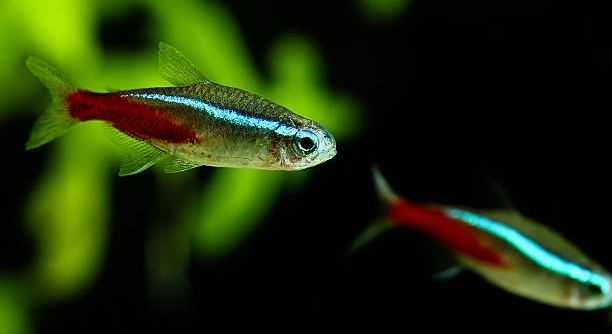
Tetras are popular aquarium fish, admired for their vibrant colors and lively behavior. However, aggression among tetras can disrupt the peaceful balance in your tank, making it a concern for many hobbyists. Understanding the causes is essential for a harmonious environment.
Seven main tank conditions contribute to tetra aggression. These include overcrowding, poor water quality, insufficient hiding spaces, incompatible tank mates, improper feeding, lack of plants, and stressful lighting conditions. Each factor can increase stress and trigger territorial behavior in tetras.
Identifying and addressing these issues can improve your tank’s harmony and ensure your tetras remain peaceful and healthy. The following sections will explain each condition in detail.
Overcrowding in the Tank
When too many tetras or other fish share the same tank, space becomes limited. Overcrowding increases competition for resources like food and hiding spots, which raises stress levels among fish. Tetras are naturally territorial, so cramped conditions can lead to more frequent aggressive encounters. Each fish needs enough room to swim freely and establish its own territory without constant threats from neighbors. Keeping fewer fish than the tank’s capacity allows can prevent these issues and create a calmer environment. Regularly monitoring your tank’s population and adjusting as needed helps maintain balance.
Overcrowding makes fish stressed and aggressive due to lack of space.
To avoid overcrowding, calculate your tank’s size and stocking limits carefully. A general rule is one inch of fish per gallon of water, but consider the tetras’ activity level and territorial nature. Adding decorations and plants can create barriers and reduce direct confrontations. Also, be mindful of adding other species that may compete or provoke your tetras. A well-planned tank setup encourages peaceful interactions and helps keep aggression to a minimum.
Poor Water Quality
Dirty water affects fish health and behavior. High levels of ammonia, nitrites, or nitrates create a toxic environment that stresses tetras. Poor water conditions can weaken their immune system, making them more likely to act aggressively. Regular water changes and proper filtration are essential to maintain clean water. Testing water parameters weekly ensures that harmful substances remain at safe levels. Even small fluctuations can upset fish and trigger aggression. Maintaining water quality is a basic but crucial step to prevent conflicts in the tank.
Poor water quality increases stress, which causes aggression in tetras.
Keeping water clean involves regular partial water changes, removing uneaten food, and avoiding overfeeding. Use a reliable test kit to monitor ammonia, nitrite, and nitrate levels, aiming for zero ammonia and nitrites, and low nitrates. A good filtration system supports this process by removing debris and toxins. Avoid overcrowding since too many fish produce more waste, worsening water quality. Proper tank maintenance creates a stable environment that promotes calm and healthy behavior among your tetras.
Insufficient Hiding Spaces
Tetras need places to retreat when feeling threatened or stressed. Without enough hiding spots, they become more prone to aggressive behavior. Providing shelter helps reduce conflict by allowing fish to avoid each other when needed.
Adding plants, caves, or decorations creates natural barriers that break lines of sight between fish. Live plants offer extra benefits by improving water quality and mimicking their natural environment. Hiding spaces also help weaker or newly introduced tetras feel secure, reducing overall tension in the tank. Using varied types of cover ensures all fish find refuge, which lowers aggressive interactions and keeps the community peaceful.
Creating multiple hiding spots throughout the tank encourages more natural behavior. Tetras are less likely to challenge each other if they have safe spaces to escape. This balance reduces stress and aggression, helping your tank stay harmonious and enjoyable to watch.
Incompatible Tank Mates
Not all fish get along with tetras. Aggression often arises when tank mates have conflicting temperaments or compete for similar resources. Choosing compatible species is essential for a peaceful community tank.
Avoid housing tetras with aggressive or much larger fish that may intimidate or harass them. Fast or territorial species can stress tetras, provoking defensive aggression. Similarly, shy fish might become targets if too timid to defend themselves. Researching each species’ temperament, size, and water requirements helps create a balanced group. Introducing fish slowly allows you to observe interactions and make changes before problems escalate. A well-matched community promotes calmness and reduces aggression overall.
Improper Feeding
Uneven feeding schedules or overfeeding can increase aggression among tetras. When food is scarce or competitors rush to eat, fish may fight to claim their share.
Consistent, balanced feeding reduces stress and aggressive behavior. Feeding smaller amounts multiple times daily ensures all tetras get enough without polluting the water.
Lack of Plants
Plants provide natural shelter and comfort, helping reduce stress and aggression in tetras. Without enough plants, fish feel exposed and more prone to conflicts.
Adding live or artificial plants can create a calmer environment by breaking up open swimming areas. Plants also improve water quality and encourage natural behaviors, promoting peace in the tank.
Stressful Lighting
Bright or inconsistent lighting can cause stress in tetras. Sudden changes or overly intense light make fish feel vulnerable and trigger aggression as a defense mechanism.
Keeping lighting steady and moderate supports fish well-being. Using timers and dimming options helps maintain a natural day-night rhythm, reducing stress-related conflicts.
FAQ
Why do tetras become aggressive suddenly?
Tetras can suddenly become aggressive due to changes in their environment. Stress factors like overcrowding, poor water quality, or lack of hiding spots often trigger this behavior. Sudden changes in tank conditions, such as new fish introductions or shifts in lighting, can also cause them to act defensively. Keeping the tank stable and monitoring changes closely helps prevent unexpected aggression.
How can I reduce aggression in a tetra tank?
Reducing aggression involves addressing the tank conditions that cause stress. Ensure the tank is not overcrowded, maintain good water quality with regular testing and changes, and provide plenty of hiding spaces with plants and decorations. Choosing compatible tank mates and feeding consistently also helps. Adjust lighting to be steady and not too bright. These steps create a calm environment where tetras are less likely to fight.
Are some tetra species more aggressive than others?
Yes, aggression levels vary among tetra species. For example, Serpae tetras tend to be more territorial and aggressive compared to peaceful species like Neon tetras. Understanding each species’ temperament before adding them to your tank helps prevent problems. Mixing aggressive and peaceful tetras often leads to conflict, so careful selection is important.
Can stress cause permanent aggression in tetras?
Stress-induced aggression can become a persistent issue if the underlying causes are not fixed. Chronic poor water quality or ongoing overcrowding keeps fish in a heightened state of stress, which maintains aggressive behavior. Addressing stressors early can reverse aggression, but prolonged exposure may lead to health problems and ongoing fighting.
Is tank size important for managing tetra aggression?
Tank size plays a crucial role. Larger tanks provide more space for tetras to establish territories and reduce frequent encounters that trigger fights. Small tanks limit swimming space and increase stress, making aggression more likely. Following recommended tank sizes based on the number and type of tetras helps maintain peace.
How does water quality affect tetra behavior?
Poor water quality stresses fish by exposing them to harmful chemicals like ammonia and nitrites. This stress weakens their immune system and alters normal behavior, often causing aggression. Clean, well-filtered water supports fish health and reduces stress-induced fighting.
What role do hiding spots play in preventing aggression?
Hiding spots give tetras places to escape from threats and reduce stress. Without shelter, fish feel exposed and more vulnerable to attacks, which increases aggressive interactions. Providing plants, caves, and decorations breaks the line of sight and allows shy or bullied fish to retreat safely, promoting a peaceful tank environment.
How often should I feed my tetras to avoid aggression?
Feeding smaller amounts two to three times daily helps reduce aggression around food. Overfeeding or inconsistent feeding causes competition and stress, leading to fights. Ensuring all fish get food without overcrowding the feeding area promotes calm behavior.
Can lighting changes affect tetra aggression?
Yes, sudden or intense lighting can stress tetras, causing defensive aggression. Fish rely on a natural day-night cycle to feel secure. Using timers and dimmers to maintain consistent lighting helps reduce stress and prevent light-related aggression.
What tank mates should I avoid to reduce aggression?
Avoid adding large, aggressive, or highly territorial fish with tetras. These can intimidate or provoke them, increasing aggression. Also, very shy fish may be bullied. Research species compatibility carefully to build a peaceful community tank.
How can I introduce new fish to minimize aggression?
Introduce new fish slowly and monitor their behavior closely. Use a quarantine tank first if possible. Rearranging decorations before adding new fish disrupts established territories, reducing territorial aggression. Adding new fish in groups rather than singly helps disperse attention and lowers conflict risk.
Can aggressive tetras be separated to prevent harm?
Yes, aggressive individuals may need to be separated temporarily or permanently to protect others. Use a divider or a separate tank if fights become severe. Separating aggressive fish helps maintain overall tank harmony while you adjust conditions.
Final Thoughts
Managing aggression in tetras is a key part of maintaining a healthy and peaceful aquarium. Many common problems, such as overcrowding, poor water quality, or lack of hiding spots, directly affect how tetras behave. When these conditions are addressed, aggression often decreases significantly. It’s important to remember that tetras are small, sensitive fish that need stable environments to thrive. Regular monitoring and simple adjustments can create a calm tank where they show their natural, peaceful behavior.
Each tank is unique, and aggression may stem from several factors at once. Paying close attention to tank conditions helps identify what might be causing stress or conflict among the fish. Small changes like adding plants or rearranging decorations can make a big difference. Keeping water clean and feeding on a consistent schedule supports fish health and reduces competition. Thoughtful selection of tank mates is also critical to avoid unnecessary aggression. By understanding and adjusting these key conditions, you create a better home for your tetras and improve their overall well-being.
Keeping tetras peaceful requires ongoing care and observation. Aggression is often a sign that something needs attention in the tank. Acting quickly and calmly to fix these issues prevents injury and stress for all the fish. Maintaining a balanced environment allows tetras to live comfortably and display their bright colors and lively movements. Taking these steps ensures your aquarium remains a pleasant and stable space, both for the fish and for those who enjoy watching them.

Hello,
If you enjoy the content that we create, please consider saying a "Thank You!" by leaving a tip.
Every little bit helps us continue crafting quality advice that supports the health, happiness, and well-being of pets around the world, for pets of all shapes, sizes, and species.
We really appreciate the kindness and support that you show us!