
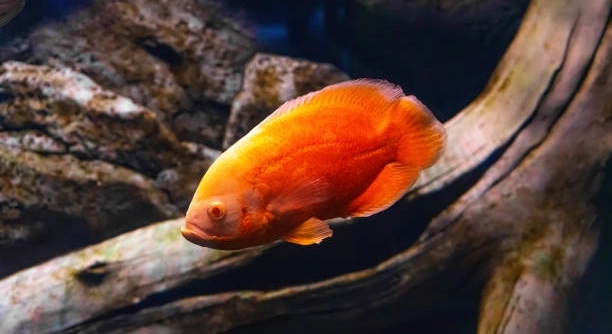
Have you noticed your fish’s fins curling in the tank? It’s a common issue that can be caused by various factors, from water quality to temperature fluctuations. Understanding the conditions that lead to fin curling can help keep your fish healthy.
Fin curling in fish is often a sign of poor tank conditions, such as incorrect water temperature, low oxygen levels, high ammonia or nitrate concentrations, or poor water quality. These factors can stress the fish and lead to health issues.
Taking the right steps to improve tank conditions will ensure your fish stay healthy and prevent long-term problems.
Water Temperature Imbalances
When the water temperature is too high or too low, fish are often stressed. If the water is too cold, it can slow down their metabolism, making them more vulnerable to illnesses. On the other hand, warmer water increases the risk of lower oxygen levels, which can also cause fin curling. Maintaining a stable water temperature between 72°F and 78°F (22°C to 26°C) is crucial for most tropical fish species. Temperature swings are particularly harmful and can cause your fish to develop signs of distress, including curled fins.
Maintaining the correct water temperature is simple with the right equipment. A reliable aquarium heater with a built-in thermostat can keep the water consistent. Regular monitoring with a thermometer will ensure that there are no unexpected fluctuations, keeping your fish comfortable.
If you notice the water temperature straying outside the ideal range, quickly adjust it to restore balance. A consistent, appropriate temperature keeps your fish’s metabolism functioning properly, reducing the likelihood of stress and fin curling.
Poor Water Quality
Low water quality is one of the most common causes of fin curling. Poor water quality means higher levels of toxins like ammonia, nitrites, and nitrates, which can irritate your fish and damage their fins. Overfeeding, not cleaning the tank regularly, and failing to use a proper filtration system can all contribute to poor water quality. If you’re noticing curled fins, check the water parameters to see if they are within safe ranges.
Regular water changes are essential to maintaining a healthy tank environment. Aim to change 10-20% of the water weekly. Additionally, invest in a good filtration system to help remove waste and harmful chemicals from the water. Test the water regularly to monitor ammonia, nitrate, and pH levels. A well-maintained tank promotes healthier fish and reduces the chances of fin curling.
Inadequate Oxygen Levels
Insufficient oxygen is another key factor in fin curling. Fish need oxygen to maintain their bodily functions, and when oxygen levels drop, it can cause them to become stressed. In a crowded tank or one with poor filtration, oxygen levels can quickly deplete, leading to health problems like fin curling. Using an air pump can help maintain oxygen levels in the tank, especially for species that require higher oxygen concentrations.
Adding more plants can also help oxygenate the water, as they naturally release oxygen through photosynthesis. Be mindful of your tank’s stocking levels, as overcrowding can also lead to oxygen depletion. To ensure your fish have enough oxygen, aim for a well-aerated, spacious tank with the appropriate number of fish.
Poor Diet and Malnutrition
A lack of essential nutrients can lead to weakened fins and other physical problems in your fish. A poor diet is one of the reasons why fish may develop curled fins. A balanced diet that includes high-quality fish flakes, pellets, and occasional live food is vital for maintaining fin health. Lack of vitamins, particularly Vitamin C, can lead to weakened fins, and without proper nutrition, your fish will be more susceptible to health issues like fin curling.
Make sure you’re feeding your fish the right amount of food based on their species and size. Overfeeding can lead to water quality issues, while underfeeding can cause malnutrition. Consult with an expert or do some research to determine what types of food are best for your fish. When your fish are eating the right food, they’ll have better health overall, including stronger, more vibrant fins.
Tank Overcrowding
Overcrowding is another major factor that can lead to fin curling. When there are too many fish in a tank, it puts stress on the water quality and oxygen levels. This increased stress weakens fish, making them more susceptible to fin damage and curling.
A general rule of thumb is to allow one inch of fish per gallon of water, but this can vary depending on the species. Overcrowded tanks often lead to higher waste levels and competition for oxygen, both of which can harm your fish. If you notice curled fins, consider reducing the number of fish in your tank to alleviate stress.
Be mindful of the size of your fish when stocking the tank. A small fish that grows larger will eventually need more space. Keeping the right fish-to-water ratio ensures a healthy, stress-free environment for your fish, preventing fin curling and other health problems.
Poor Filtration System
A poor filtration system can lead to water quality issues, which may result in fin curling. Filtration helps remove harmful substances like ammonia and nitrites, both of which stress fish and contribute to fin damage. Without adequate filtration, waste builds up quickly, compromising the tank’s ecosystem.
A good filtration system circulates water effectively, ensuring it remains clean and oxygenated. The size of the filter should match the tank’s volume, and it’s important to clean and maintain the filter regularly to keep it functioning well. Not cleaning the filter can lead to a buildup of debris, which reduces filtration efficiency.
If your filter isn’t doing the job, invest in a better model that suits your tank’s needs. Proper filtration reduces toxins and improves water quality, ultimately preventing fin curling and promoting your fish’s overall health.
High Ammonia Levels
High ammonia levels in the tank are a common cause of fin curling. Ammonia is a toxic byproduct of fish waste, uneaten food, and decaying plants. When levels rise, it stresses fish and damages their fins, leading to curling.
Regular water testing helps you catch ammonia spikes early. If ammonia levels are high, perform a partial water change and clean any uneaten food from the tank. Adding a biological filter that converts ammonia into less harmful substances can help keep the water safe. Monitoring water quality consistently will keep ammonia in check and protect your fish.
Poor Water Circulation
Good water circulation helps distribute oxygen and remove waste, which is essential for fish health. Without proper flow, some areas of the tank can become stagnant, increasing the chances of poor water quality and stress, leading to curled fins.
Consider adding a water pump or adjusting the filter output to create a consistent flow of water. This will help oxygenate the tank and ensure that waste is removed efficiently. Be cautious of the strength of the current, as overly strong flow can stress delicate fish. Proper circulation benefits both the water quality and your fish’s well-being.
Disease and Infection
Diseases like fin rot or parasites can cause the fins to curl. Infections and illnesses often result from stress, poor water quality, or overcrowding. Fish with weakened immune systems are more vulnerable to these conditions.
Prompt treatment is essential. If you suspect an infection, quarantine the affected fish and start treatment immediately. Regular water changes, a balanced diet, and maintaining tank conditions reduce the risk of infections, keeping your fish healthy. Consult with a vet or aquatic specialist for the best course of action to treat any health issues.
FAQ
What are the main causes of fin curling?
Fin curling can be caused by several factors, including poor water quality, incorrect water temperature, overcrowding, insufficient oxygen levels, or a poor diet. Any of these conditions can stress fish, weakening their immune system and leading to curled fins. To prevent fin curling, regularly check your tank’s water parameters, ensure proper filtration, and maintain a consistent, appropriate temperature.
How can I fix fin curling in my fish?
To fix fin curling, first address the underlying issue causing the stress. If water quality is poor, perform a water change and clean the tank. Check ammonia, nitrite, and nitrate levels regularly and make adjustments as needed. Make sure your fish are in a stable environment with the correct temperature, adequate oxygen, and the right number of fish for the tank size. Additionally, provide a balanced diet to support their health and immune system.
How can I prevent fin curling in the future?
Prevention starts with maintaining optimal water conditions. Regular water changes, proper filtration, and monitoring water parameters are key. Ensure your fish aren’t overcrowded, and avoid sudden temperature fluctuations. Make sure they’re getting the right diet, and check for any signs of illness early to take prompt action. Consistent care will keep your fish healthy.
What is the best water temperature for my fish?
The ideal water temperature depends on the species of fish in your tank. For most tropical fish, a range of 72°F to 78°F (22°C to 26°C) is ideal. Some cold-water fish, such as goldfish, prefer cooler temperatures. Be sure to research the specific needs of your fish to provide a suitable environment.
How do I test water quality in my aquarium?
Testing water quality is essential to ensure a healthy tank. Use an aquarium water test kit to check for ammonia, nitrites, nitrates, pH levels, and hardness. Test the water at least once a week, and more often if you notice signs of distress in your fish. This helps you catch problems early and make adjustments as needed.
Can fin curling be a sign of a serious illness?
Yes, fin curling can be a sign of a serious illness, such as fin rot, which is often caused by poor water quality or infections. If you notice any other symptoms, like sores, discoloration, or abnormal behavior, it’s important to act quickly. Quarantine affected fish and treat them accordingly, as some illnesses spread quickly in aquariums.
What fish are most susceptible to fin curling?
Fish that are already stressed or living in poor conditions are more susceptible to fin curling. This can affect a wide range of species, especially those with delicate fins like bettas, guppies, and goldfish. Fish in smaller, crowded tanks are more prone to the condition, as they experience higher stress levels.
How often should I clean my aquarium to avoid fin curling?
Regular maintenance is important. Clean your tank every week or every other week, depending on the size of your tank and the number of fish. Perform partial water changes, vacuum the substrate, and clean the filter to remove waste and debris. Regular cleaning helps maintain healthy water conditions, reducing the chances of fin curling.
Is overfeeding my fish a cause of fin curling?
Yes, overfeeding can contribute to poor water quality, which may lead to fin curling. Excess food decomposes and raises ammonia levels in the water, causing stress for your fish. Feed your fish only what they can consume in a few minutes, and remove any uneaten food promptly to maintain water quality.
Can fin curling be reversed?
If the cause of the fin curling is addressed, it is possible for the condition to improve. Fish that are treated for water quality issues or illness and placed in a stress-free environment can recover. However, the extent of the damage may vary depending on how long the condition has been present. Healing may take time, and the fins might not return to their original shape, but with proper care, the fish should regain health.
Final Thoughts
Fin curling in fish is a common issue that can be caused by various factors, such as poor water quality, overcrowding, or inadequate care. Understanding the causes is the first step in addressing the problem. By regularly checking water parameters, maintaining a clean tank, and ensuring proper filtration, you can create a healthier environment for your fish. This not only helps prevent fin curling but also promotes the overall well-being of your aquatic pets.
When it comes to preventing fin curling, the key is consistency. Make sure your fish are not overcrowded and that the tank’s temperature remains stable. Overcrowding can increase stress levels, leading to weakened immune systems and health issues like fin curling. Also, pay attention to your fish’s diet. Providing a balanced and nutritious diet will support their immune system, helping them fight off potential illnesses that could lead to fin problems. The right environment and care will keep your fish happy and healthy for a long time.
Lastly, if you notice signs of fin curling, it’s important to take action quickly. Inspect your water quality and take steps to fix any imbalances. If necessary, quarantine affected fish and treat them for any potential illnesses. By staying proactive, you can address problems before they become more severe. A little attention and effort can go a long way in ensuring that your fish remain healthy and vibrant. Remember, the goal is to provide a stress-free and comfortable environment where your fish can thrive.

Hello,
If you enjoy the content that we create, please consider saying a "Thank You!" by leaving a tip.
Every little bit helps us continue crafting quality advice that supports the health, happiness, and well-being of pets around the world, for pets of all shapes, sizes, and species.
We really appreciate the kindness and support that you show us!